Overall impression: Reviews present a mixed picture. Several reviewers praised interpersonal aspects of the community and the condition of shared spaces, but others raised operational and management concerns that could affect resident experience. Prospective residents should weigh the positive social and environmental features against recurring service and maintenance issues described in reviews.
Care and staff: Staff are frequently described as friendly and helpful in day-to-day interactions, contributing to a generally supportive atmosphere for social engagement. At the same time, reviewers identified gaps in responsiveness and instances where staff communication was perceived as defensive or dismissive when concerns were raised. Clinical care specifics were not widely detailed; however, reviewers indicated that communication style and responsiveness from staff influence their perception of overall care quality.
Dining and activities: The community appears to offer limited structured meal-service options, which some reviewers framed as flexible dining arrangements rather than a mandatory meal plan. Social programming was highlighted positively — examples include movie nights and opportunities for residents to get acquainted with neighbors — which supports resident engagement and community-building.
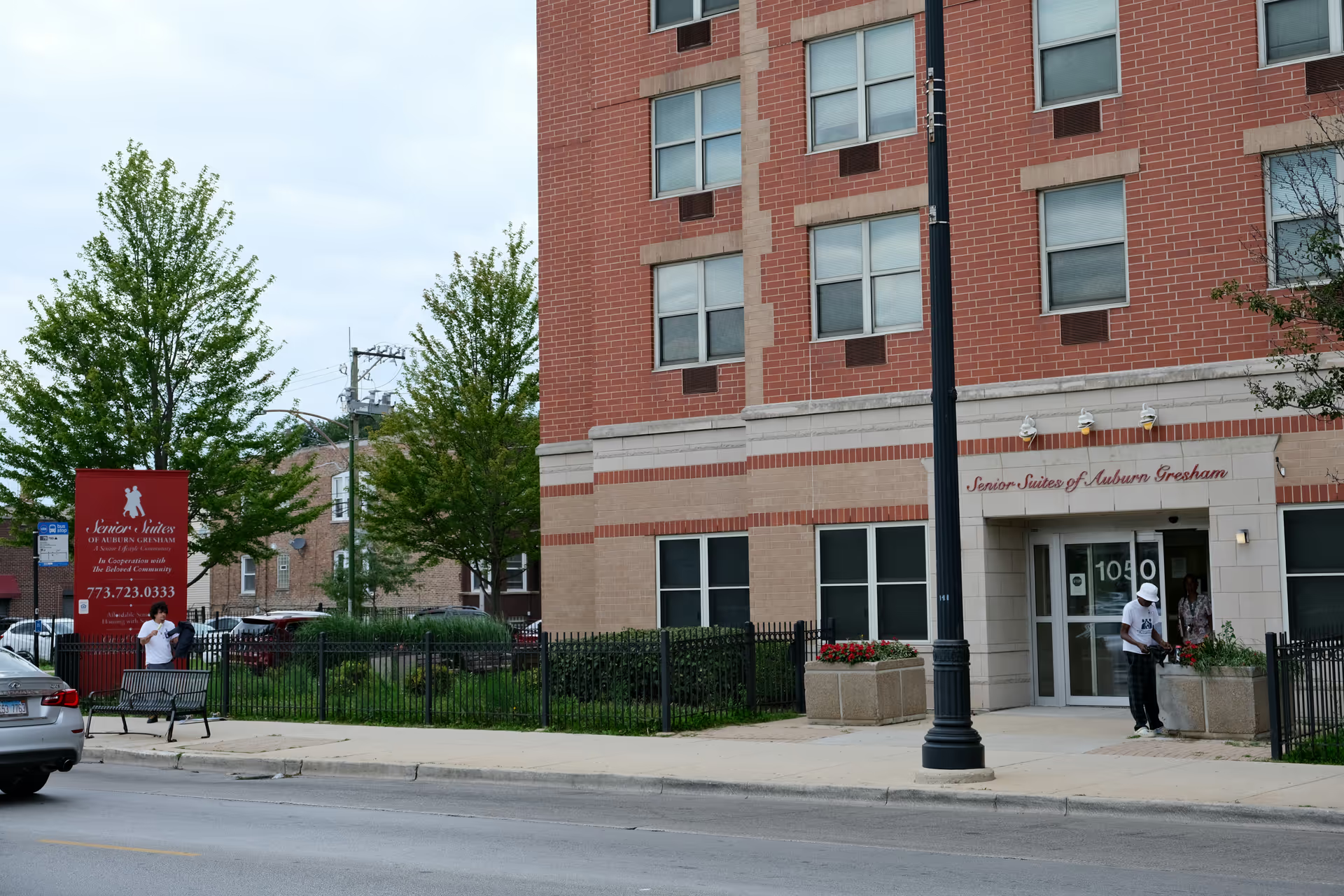
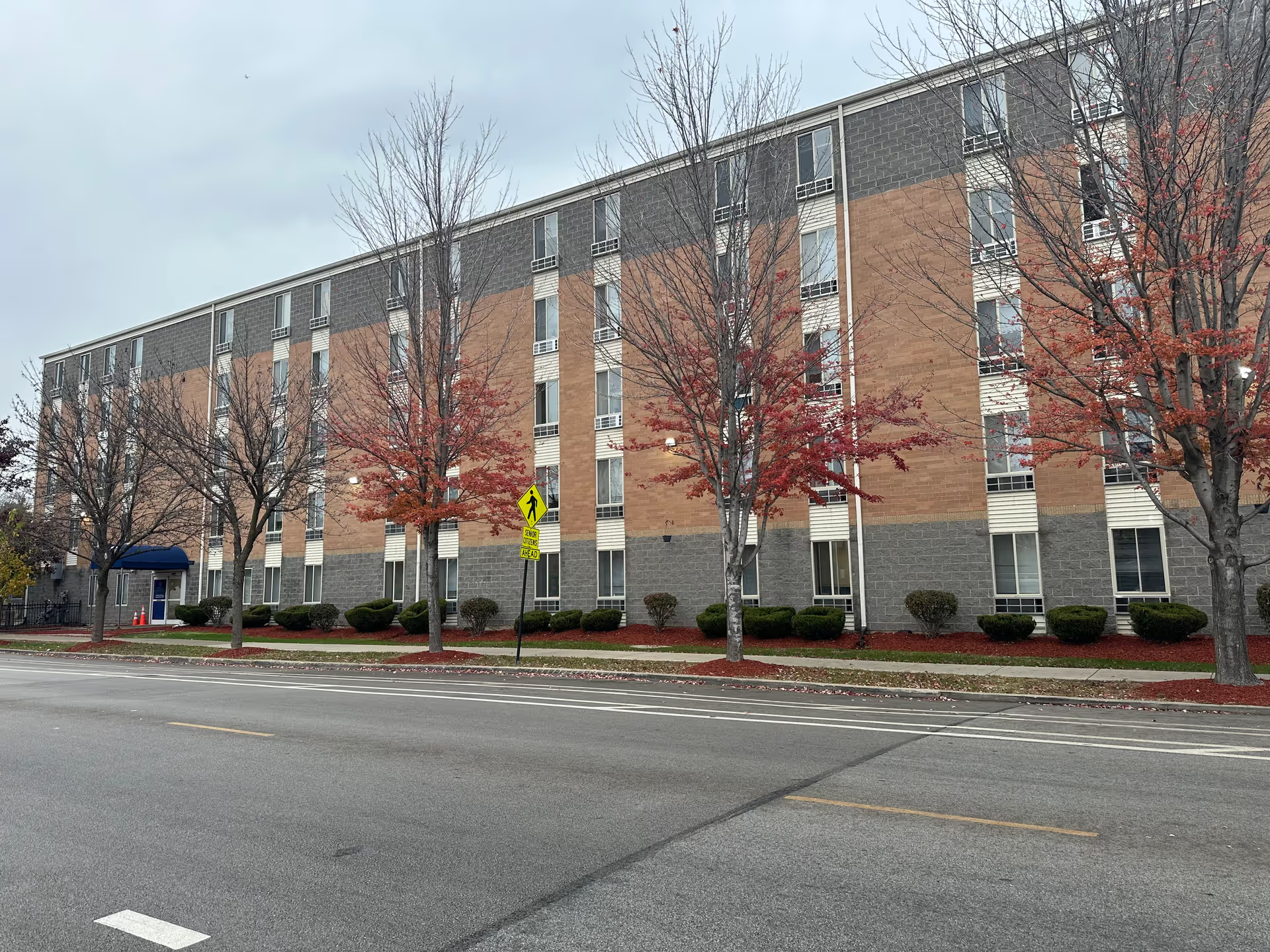
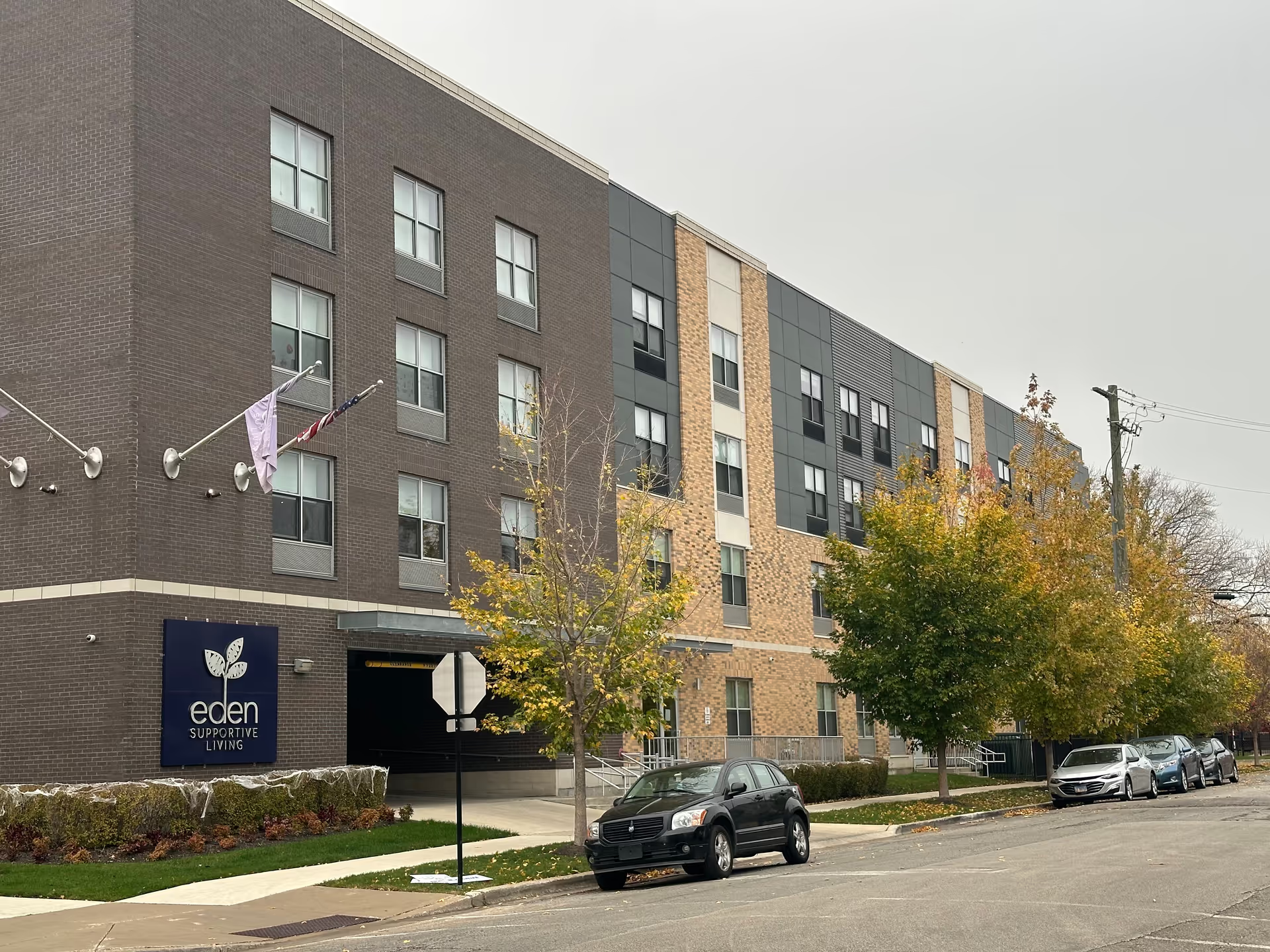
Facilities and maintenance: Common areas were described as clean and well maintained. Conversely, unit-level readiness and maintenance reliability emerged as recurring concerns: reviewers noted move-in difficulties, malfunctioning appliances, and problems with cellular connectivity that required use of a landline. Additionally, some reviewers raised pest-control concerns within resident units. These issues suggest variability in unit preparation and ongoing maintenance processes.
Management and complaint handling: A notable pattern concerns how resident issues are handled. Reviewers described shortcomings in complaint escalation and incident resolution processes, including situations where responsibility for problems was attributed to residents rather than treated as operational issues. Improving transparency, investigative processes, and follow-up communication would address a key source of dissatisfaction.
Notable patterns and recommendations: The strongest aspects of the community are its staff interpersonal interactions, social programming, and tidy common areas. The principal operational weaknesses are related to unit readiness, maintenance reliability, pest-control protocols, and complaint-resolution practices. Prospective residents and families may want to inspect specific units during a tour, ask about move-in checklists and unit-preparation procedures, request the facility's pest-control and maintenance schedules, confirm phone and cellular service expectations, and clarify dining options and complaint-escalation policies before making a decision.