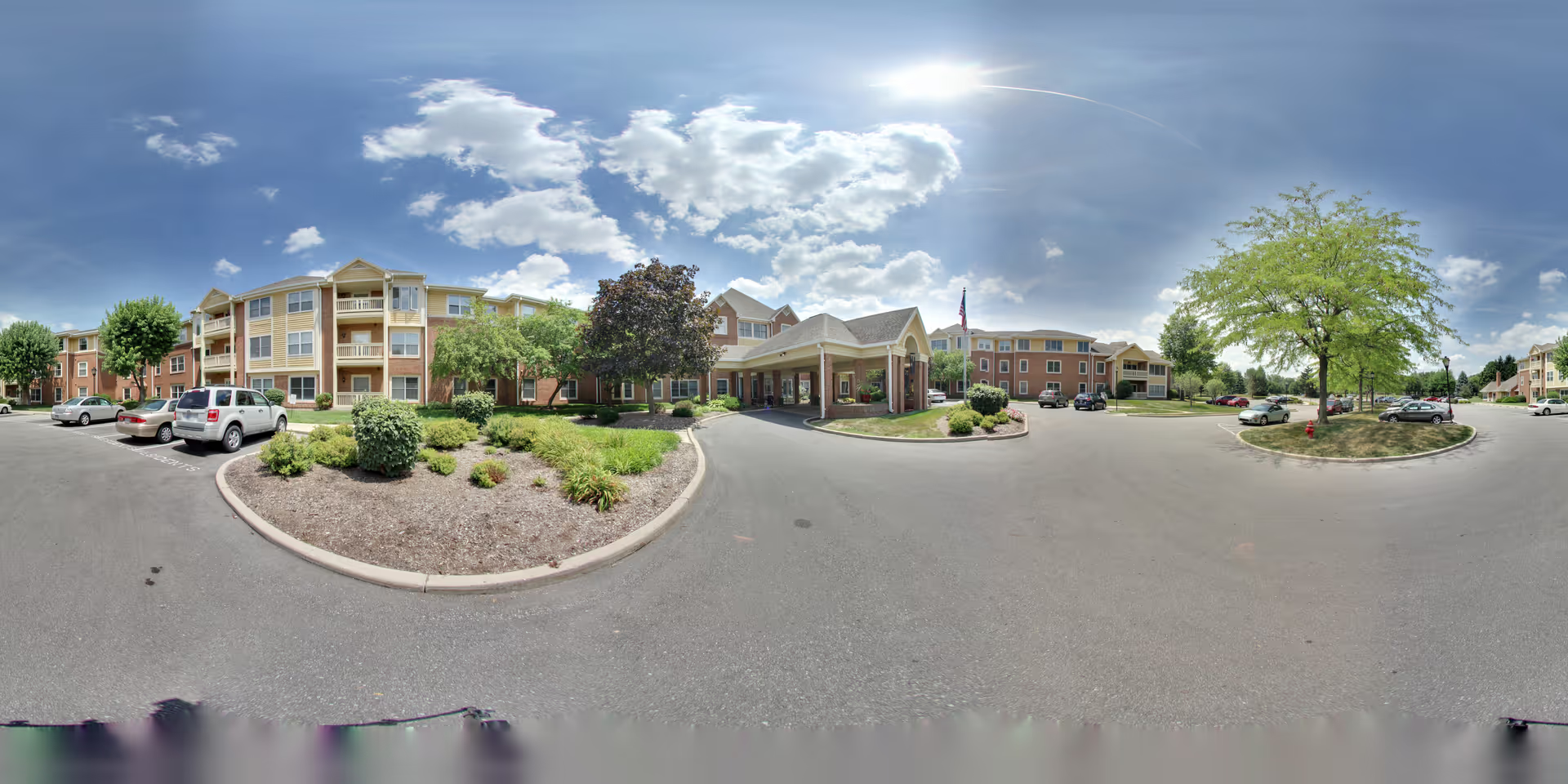
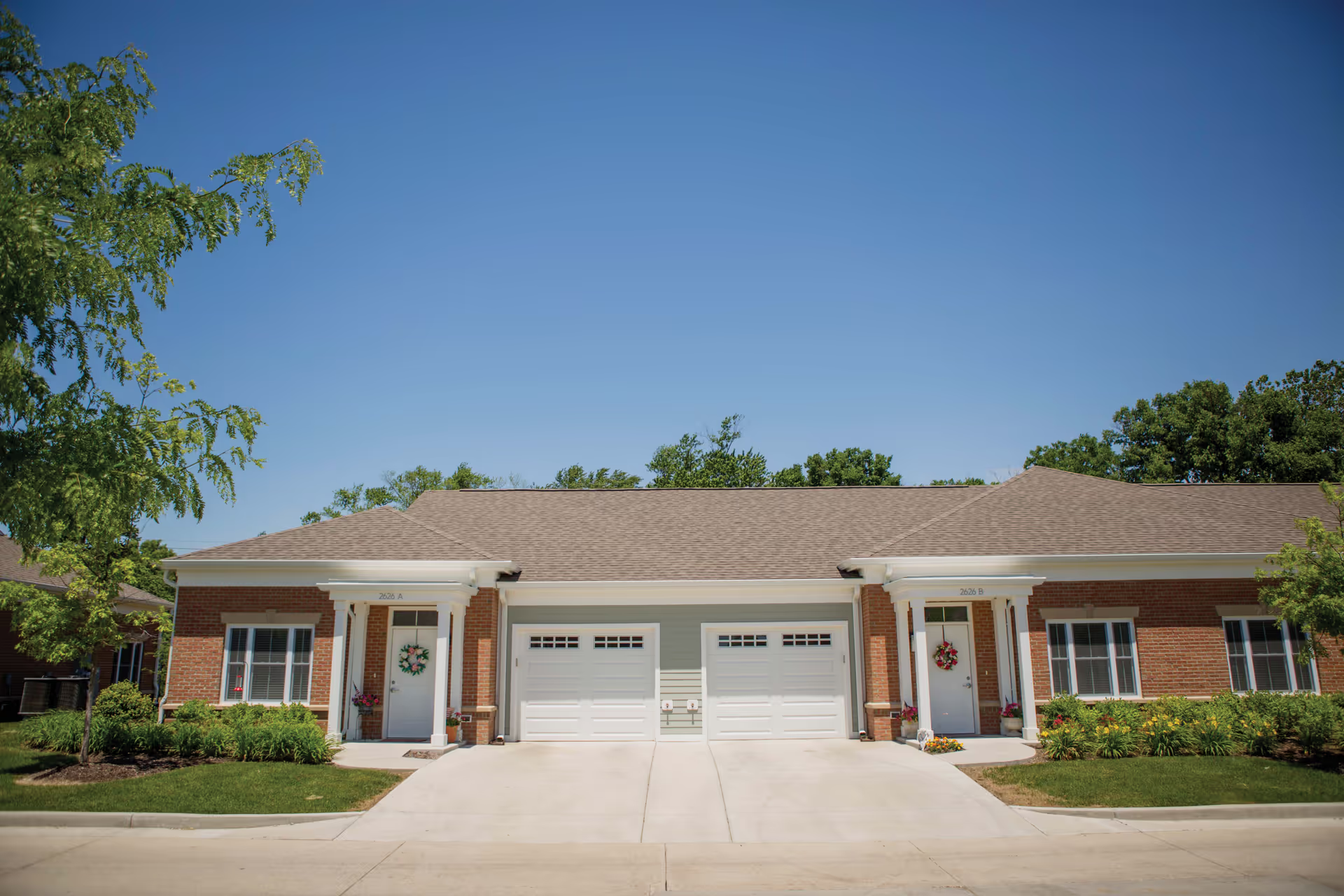
Nora Commons on the Monon presents a mixed but largely practical profile for prospective independent-living residents. The facility's interior spaces, apartment sizes, and on-site amenities are frequently highlighted as strengths: reviewers describe large, well-appointed one-bedroom units with center kitchen islands and sizeable bathrooms, numerous common areas on each floor, an active library with computers, game and pool rooms, a cafe and beauty shop. The community is pet-friendly and positioned close to shopping, pharmacies, and other neighborhood services, which supports independence for residents who drive or rely on scheduled shopping transportation.
Staff and day-to-day operations receive mainly positive feedback in many comments. Staff are characterized as polite and helpful, with examples of prompt maintenance action and courteous management interactions. The activity program is robust, featuring resident-led groups and staff-supported offerings such as yoga, card clubs, theater outings, shopping trips, and frequent social events; the theater and other program elements have been noted as reactivated following interruptions. On-site dining includes CICOA-provided meals five days per week; menus are described as healthy-looking though individual taste and dietary suitability vary.
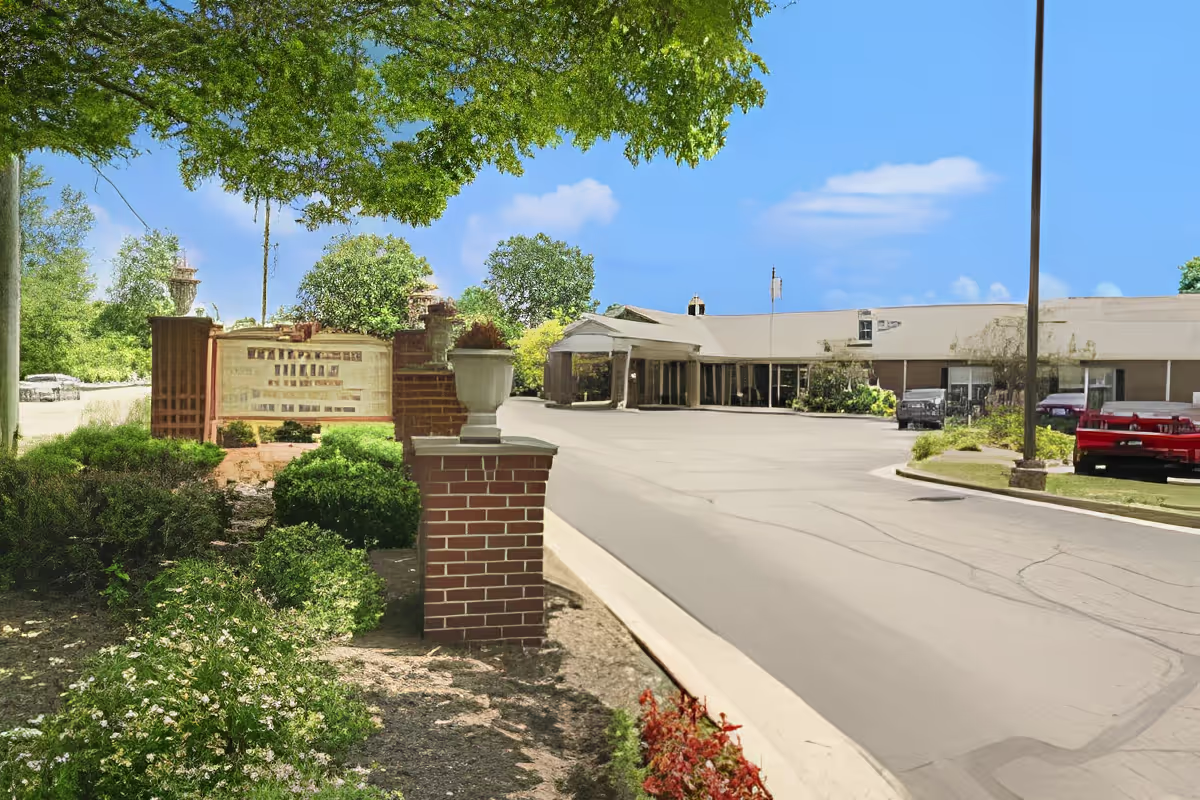
Several operational concerns recur across reviews and should be clarified during a tour. Exterior maintenance and grounds upkeep are uneven, with remarks about road conditions and building exterior decline. Maintenance responsiveness is inconsistent — some commenters praise rapid repairs while others report slower service, especially following management changes. Management stability and communication have been questioned: turnover, changes in procedures, and gaps in information flow have affected resident satisfaction in some accounts.
Safety, accessibility, and service-scope issues are also important considerations. Observations point to access-control and security weaknesses that prospective residents should verify with management. Interior design features such as long, dim corridors and extended walking distances may affect mobility and evacuation times for some individuals; there are also specific floor-plan limits (for example, some one-bedroom units offer showers only, with tubs available primarily in larger units). Transportation to medical appointments appears limited, and the facility's range of assisted-care services is not clearly communicated in all accounts. Finally, renters should factor in affordability trends: rent increases and related financial pressure have been mentioned as drivers of resident turnover.
Recommendation: prospective residents and family members should visit in person, inspect both interior and exterior conditions, review current security protocols, ask for written maintenance-response timelines, confirm the exact dining and meal-service hours and dietary accommodations, and verify transportation options for medical appointments and emergency procedures. Clarify the current management structure and recent staffing changes to gauge operational stability, and evaluate specific floor plans for bathing/access needs before committing.