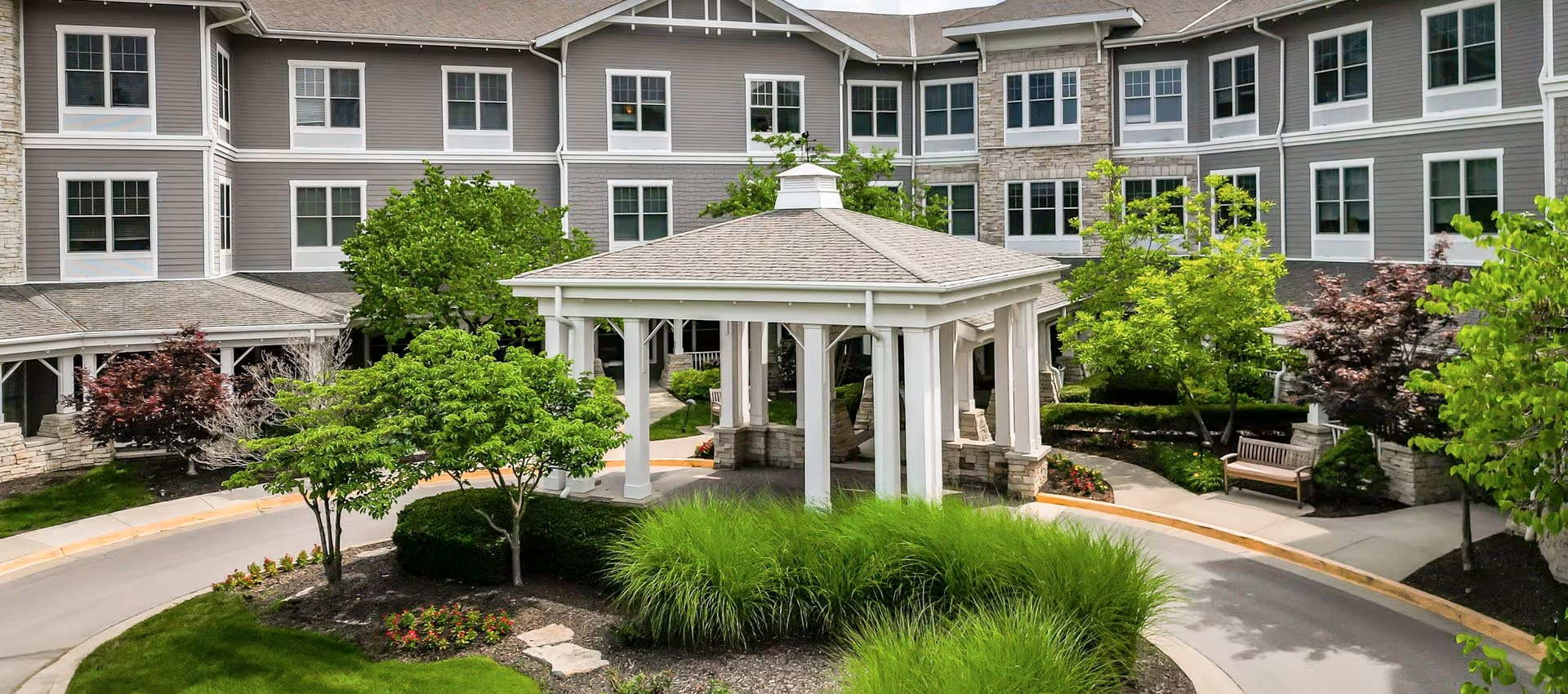
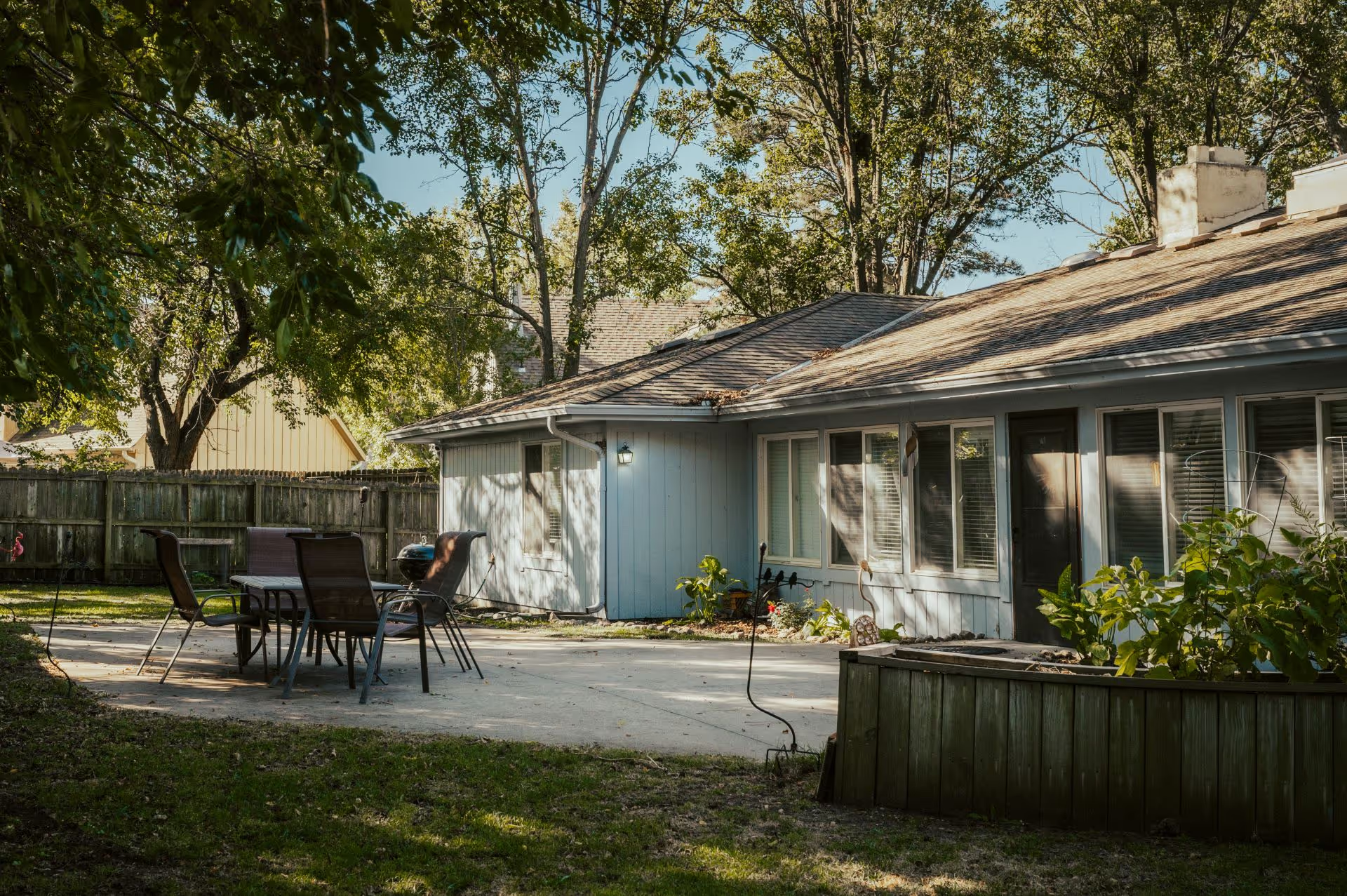
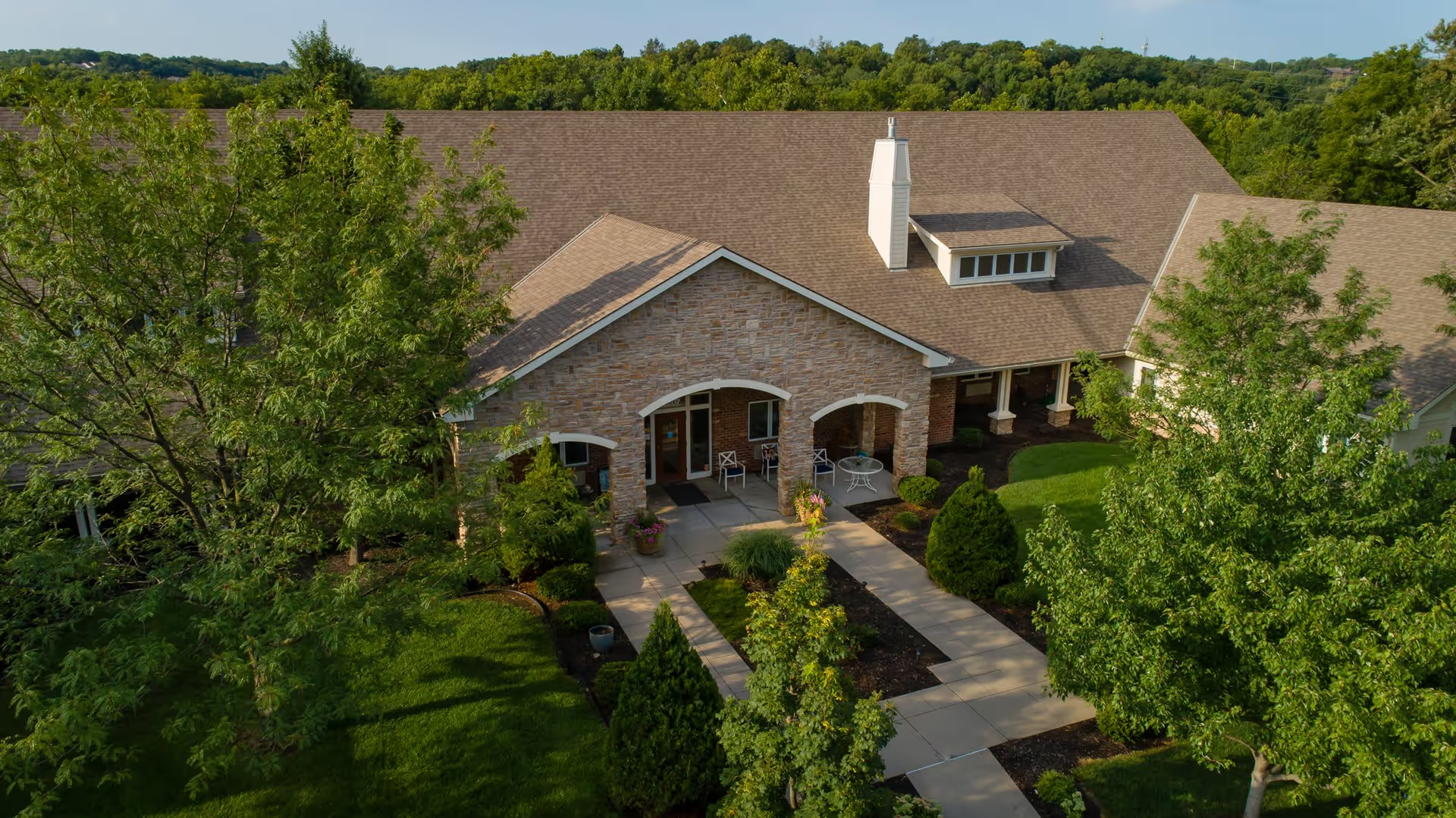
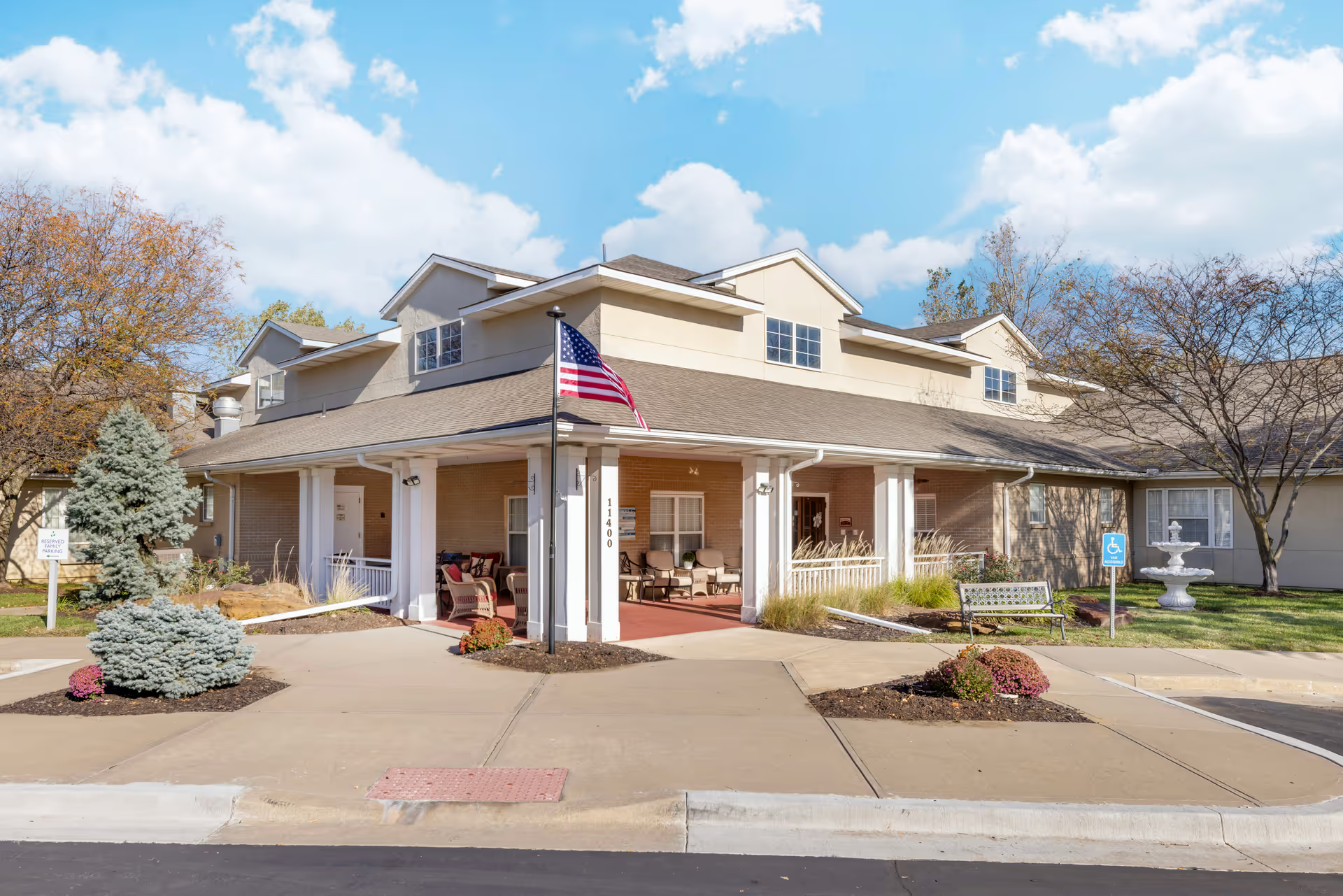
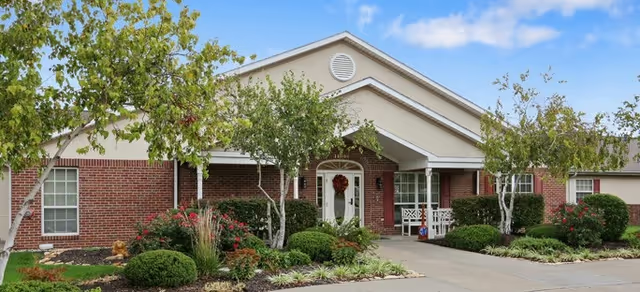
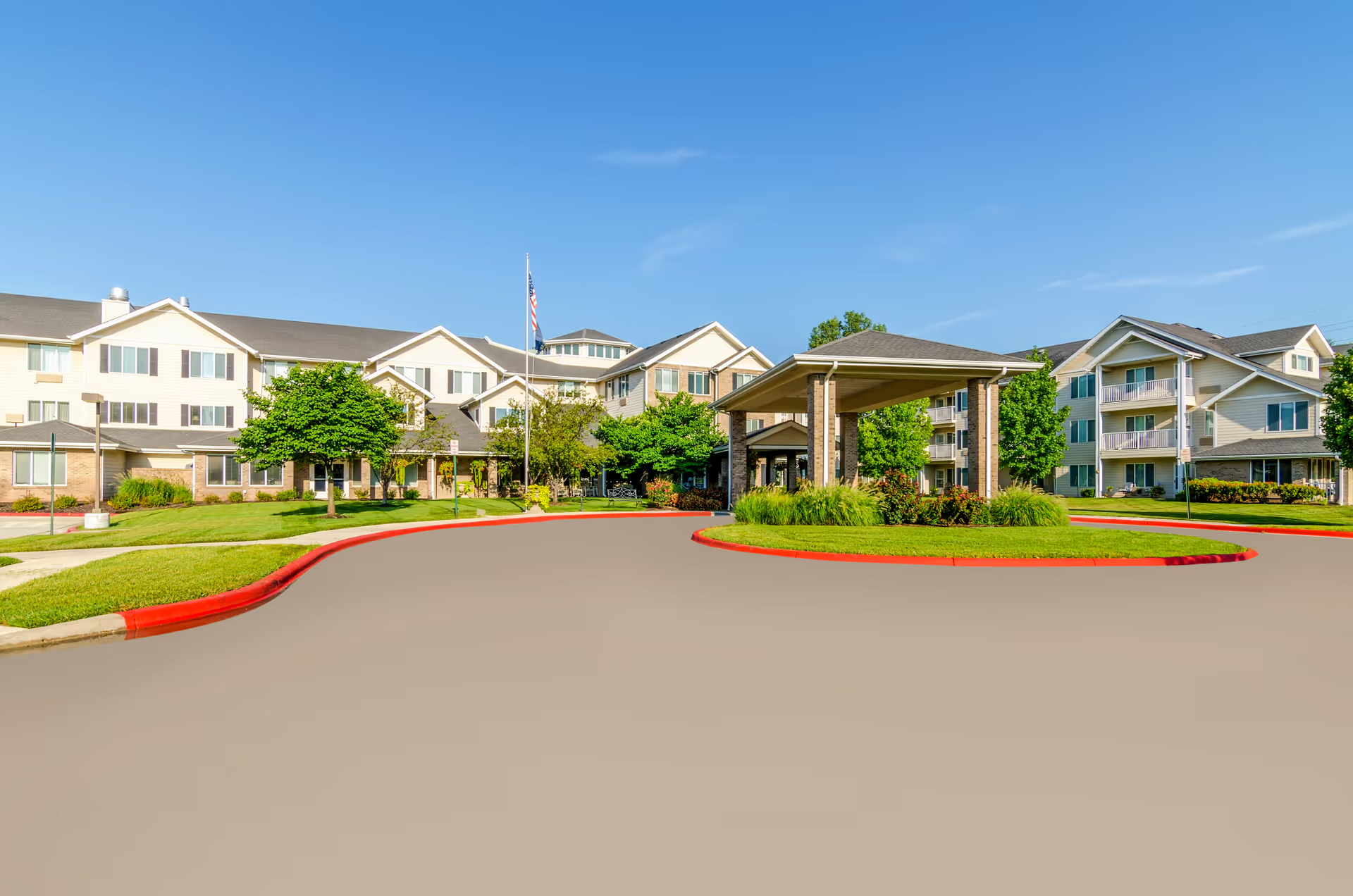
Rosewood Place presents as a bright, well-located community with a number of features that appeal to independent seniors and families seeking value. Reviewers consistently cite friendly, helpful staff and managers, timely apartment repairs, clean interiors, and functional in-unit amenities such as washer/dryer units and private balconies. The property supports an active resident culture with frequent resident-led activities (Bingo, Bunko, painting groups, Bible study) and social events; many residents report enjoying the social environment and community engagement. The location near groceries, pharmacies, restaurants, and medical services is repeatedly noted as a convenience.
Care and dining: Rosewood Place operates primarily as an independent-living community and does not provide on-site meal service or regular clinical monitoring. Meals-on-wheels are available for residents who need delivered meals. This model works for residents who are highly independent, but several families raised safety and monitoring concerns for people who require daily observation or more hands-on assistance. Prospective residents and families should confirm the level of clinical support they need versus what the community provides.
Staff and management: Staffing at the resident-facing level is frequently praised for professionalism, warmth, and helpfulness; specific team members have received positive mention. At the administrative and leadership level, reviewers describe variability: periods of strong, long-tenured management and maintenance teams are contrasted with times of turnover and inconsistent office responsiveness. This creates an uneven experience for families — some note attentive, unhurried tours and proactive managers, while others cite limited office hours, periods when the office is closed in the afternoon, and communication lapses. There are also isolated, serious administrative concerns flagged by families about billing transparency and conduct; these are significant to investigate during a tour.
Facilities and maintenance: Apartment interiors and common areas are generally described as clean, bright, and well-kept, and maintenance staff are often credited with rapid repairs. At the same time, reviewers mention unit-level issues such as drafty windows or poor insulation, occasional exterior maintenance needs (roads and sidewalks), and intermittent building-system problems (false alarms, entry or lock issues). Parking availability and transportation options are described as constrained in places, and there is no community bus service.
Activities and social life: The community appears to rely heavily on resident-led programming, which produces an engaged and social atmosphere for residents who wish to participate. Organized activities named by reviewers include Bingo, Bunko, painting groups, and religious services. There is no full dining program on site, so social meals are reliant on resident potlucks or external meal services.
Notable patterns and guidance: The overall picture is mixed but leans positive for independent residents who value affordability, in-unit conveniences, and an active peer community. Key decision points for prospective residents and families include confirming the current leadership and staffing stability, clarifying office hours and expected response times for maintenance and billing inquiries, asking about unit-specific insulation and climate control, verifying parking and transportation logistics, and reviewing the community’s policy on monitoring and support for residents with clinical needs. Given the variability described, an in-person visit that includes a walk-through of a current occupied unit and a clear discussion of administrative practices will be important to assess fit.