Shady Way Plaza Tower presents a mixed profile. Strengths that recur across comments include an active program schedule, a visible church and social presence, and an on-site coordinator who supports resident engagement. Several reviewers highlight clean interior common areas and a perception of safety within the building, and there are indications of long-term resident retention, including very elderly residents remaining in place.
Care and staff impressions are polarized. Some residents and family members describe management as safe and supportive; others raise serious concerns about management behavior. There are allegations of dishonest management and pressure related to tenancy, producing tension between accounts of supportive staff and accounts that question management integrity and communication. Clinical-care specifics (nursing practices, medication management, skilled nursing services) are not described in the available summaries, so no clear assessment of clinical care quality can be made from the provided material.
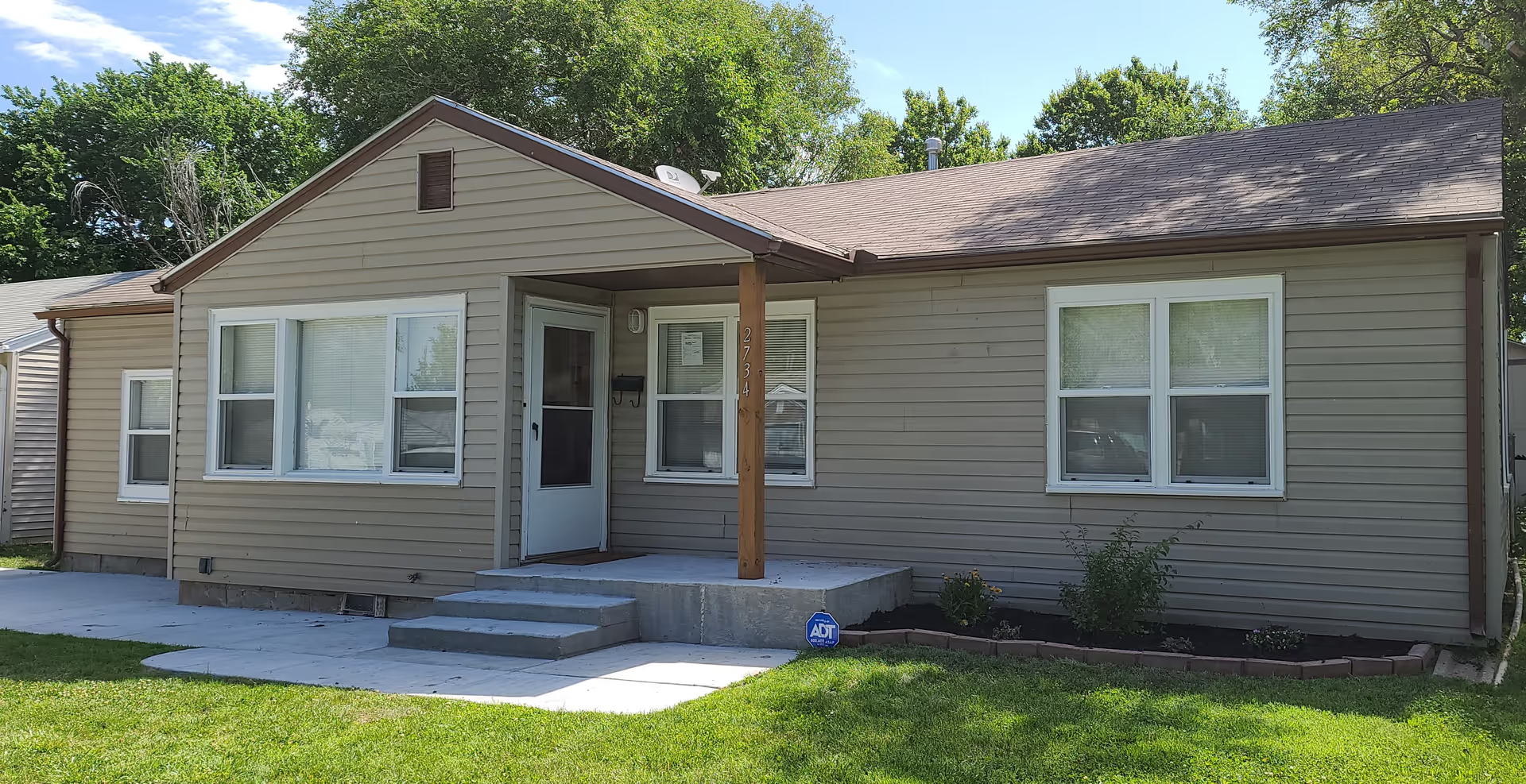
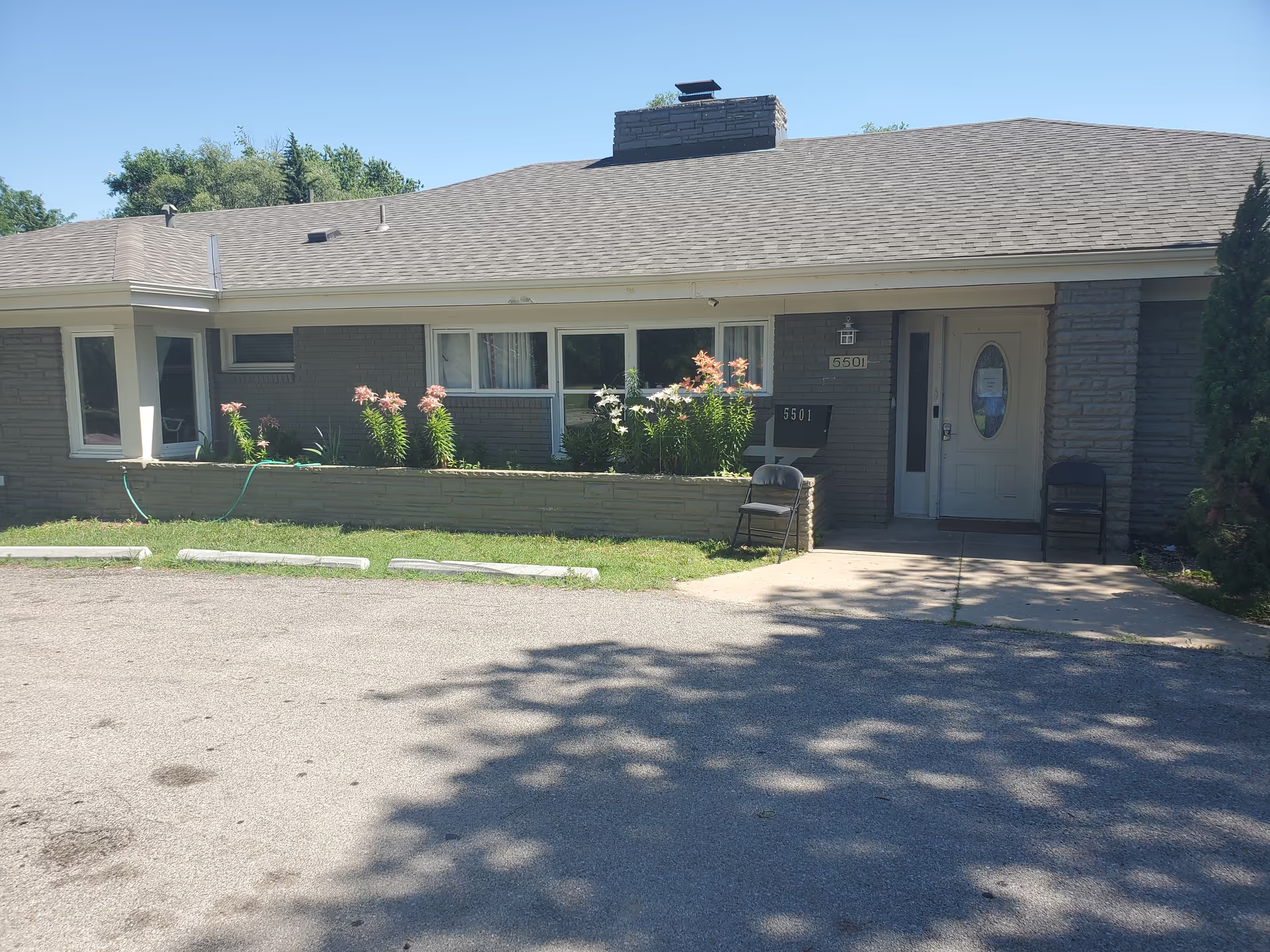
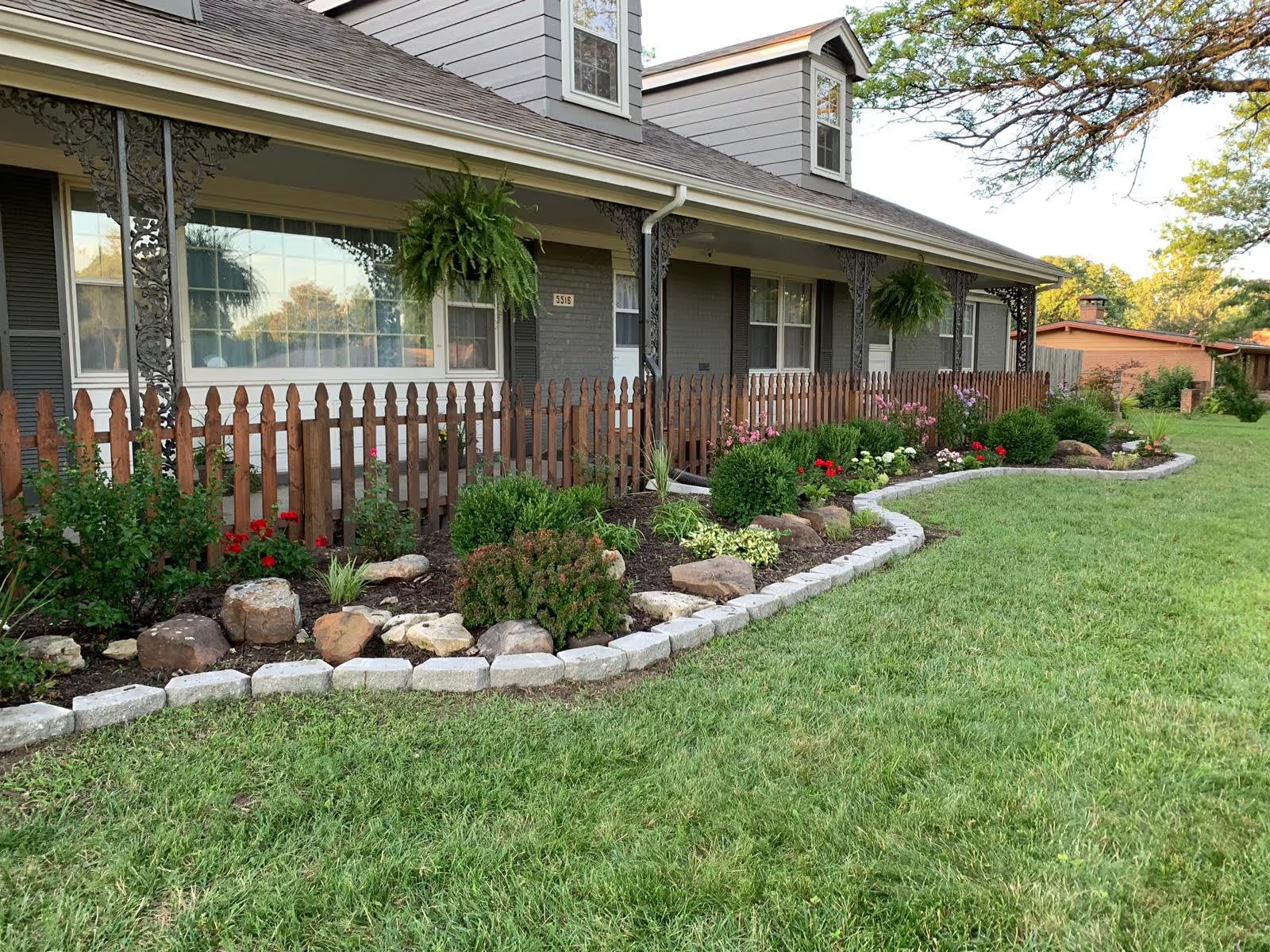
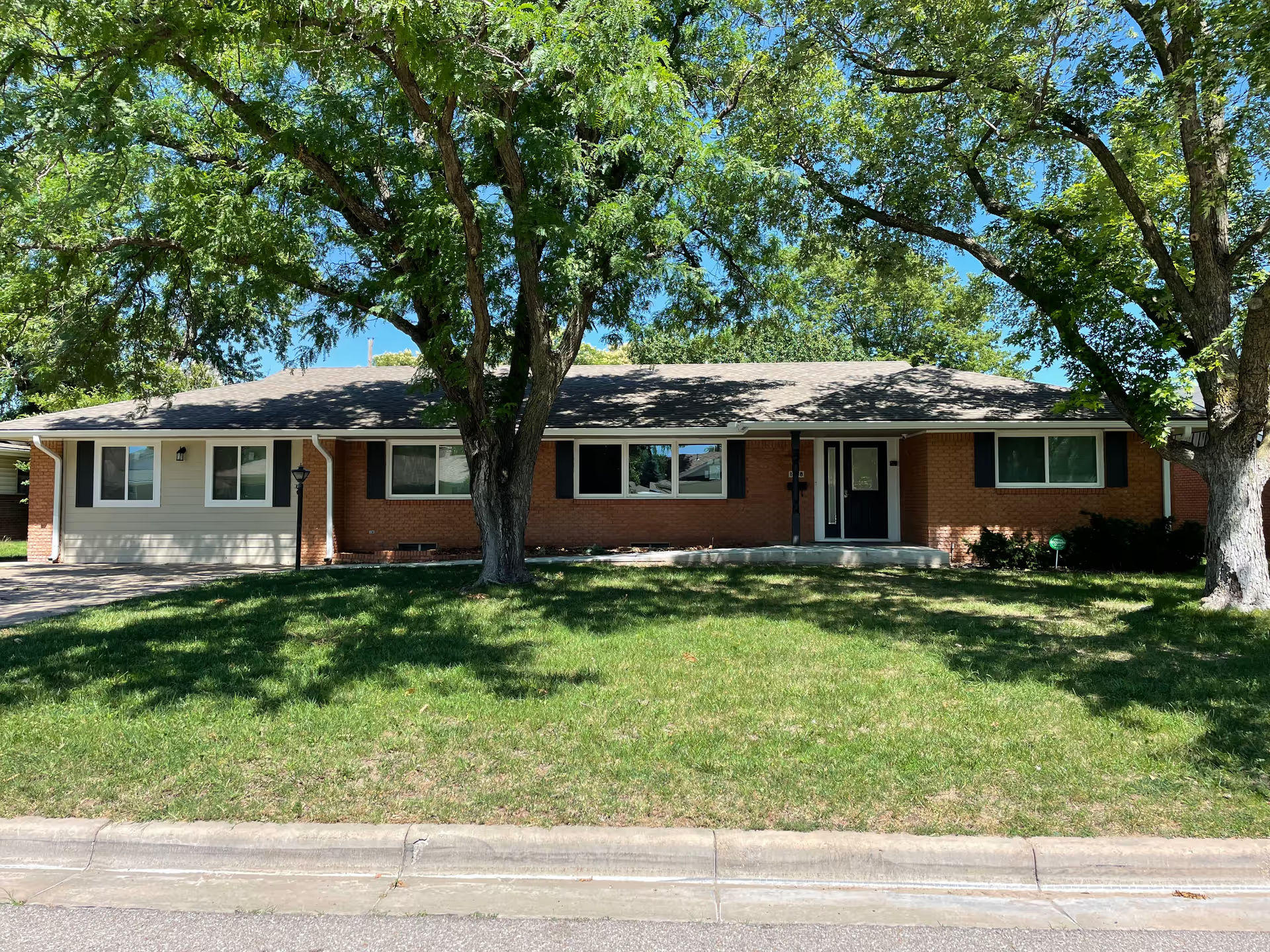
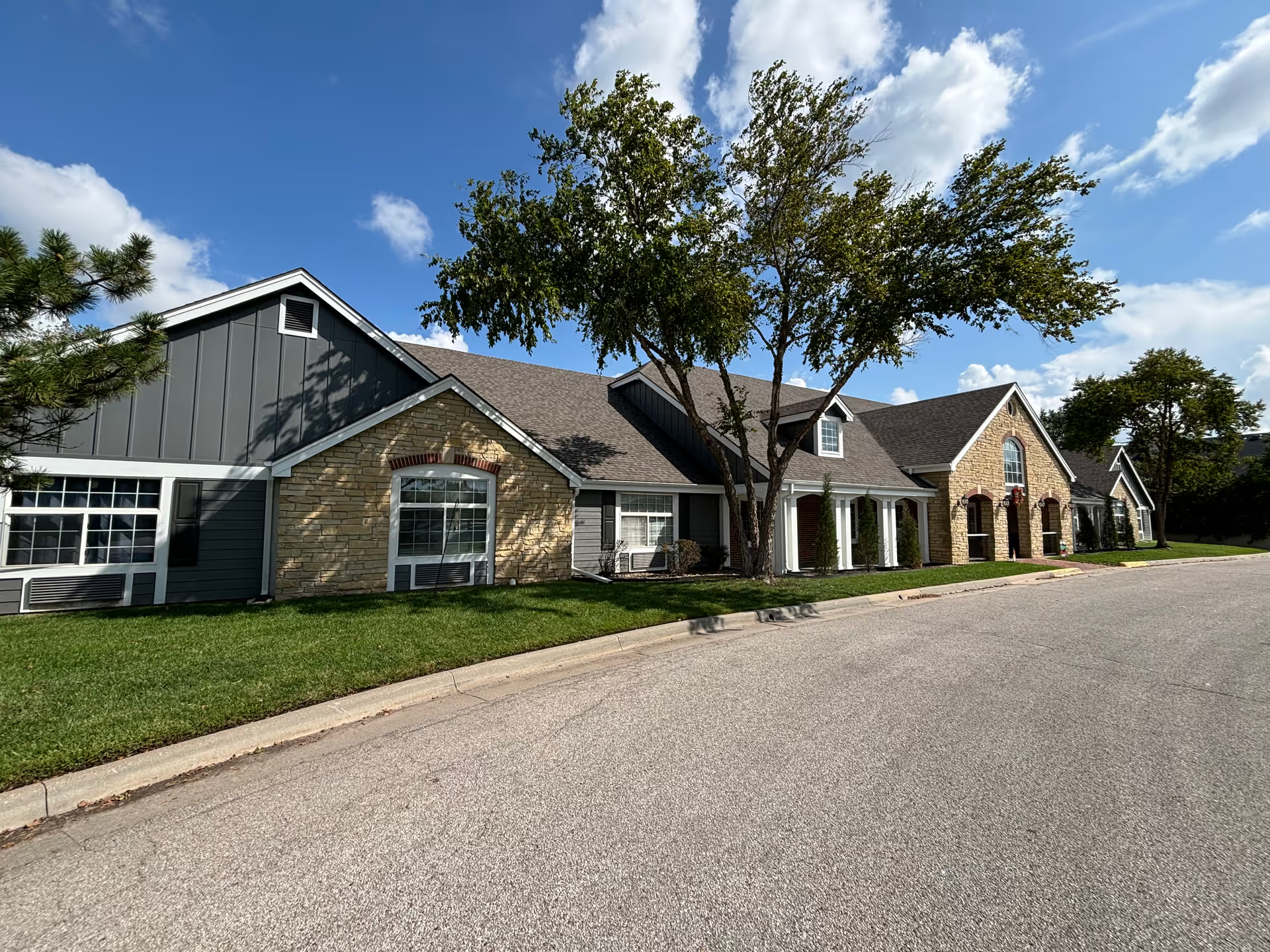
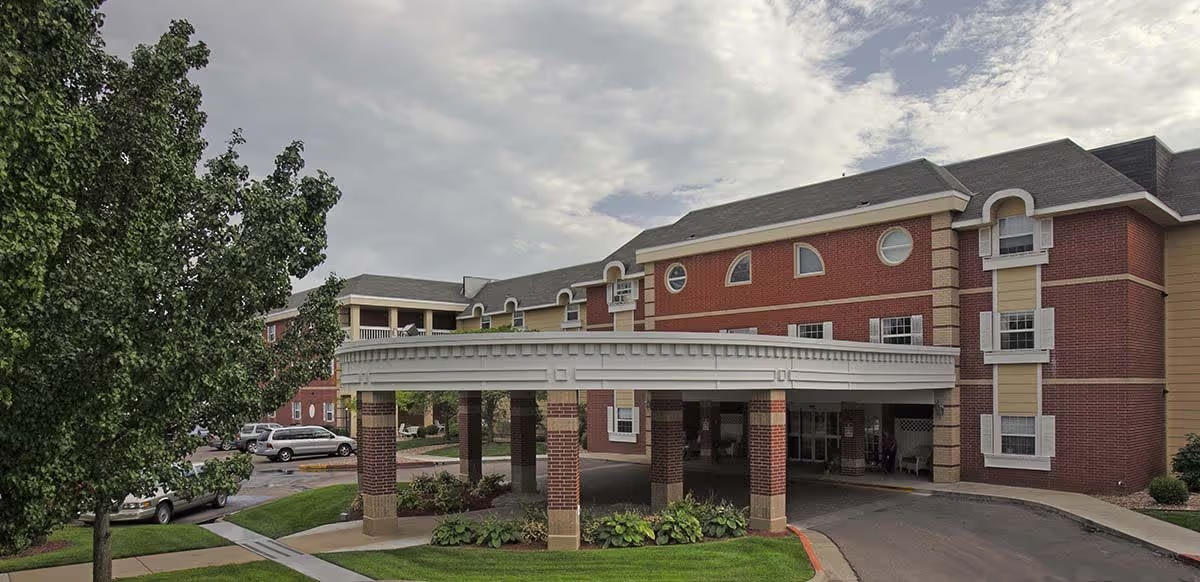
Dining and food-service details are largely absent from the summaries, so prospective residents should request menus, meal schedules, and sample visits. Activities are a clear positive: organized programming and faith-based gatherings are evident and appear to be a meaningful part of daily life. Facility observations distinguish interior versus exterior conditions — interior common spaces are generally described as clean, while exterior landscaping and curb appeal are noted as needing improvement. There are also concerns about safety in the surrounding area that prospective residents should evaluate during visits.
Management and operational patterns merit careful inquiry. The summaries suggest inconsistent and nontransparent decision-making, plus lease-enforcement and tenant-stability concerns; these are operational traits that could affect long-term residency. Given the polarized impressions, families and prospective residents should ask specific questions about lease terms, eviction policies, communication practices, and grievance processes; request to speak with current long-term residents; and visit at different times of day to assess staffing, security, and neighborhood conditions. Reviewing any available tenant rights materials and subsidy-related amenity constraints is also advisable to set realistic expectations about services and upkeep.