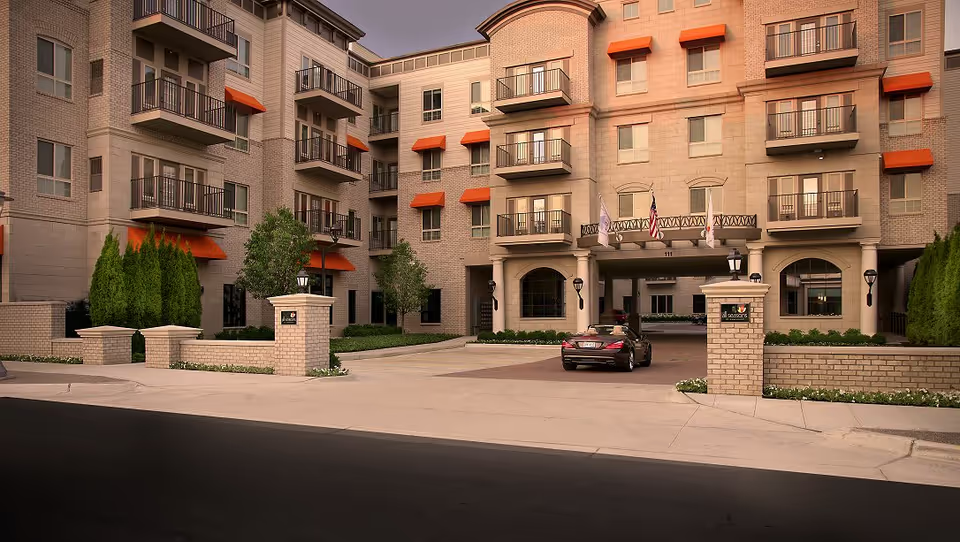
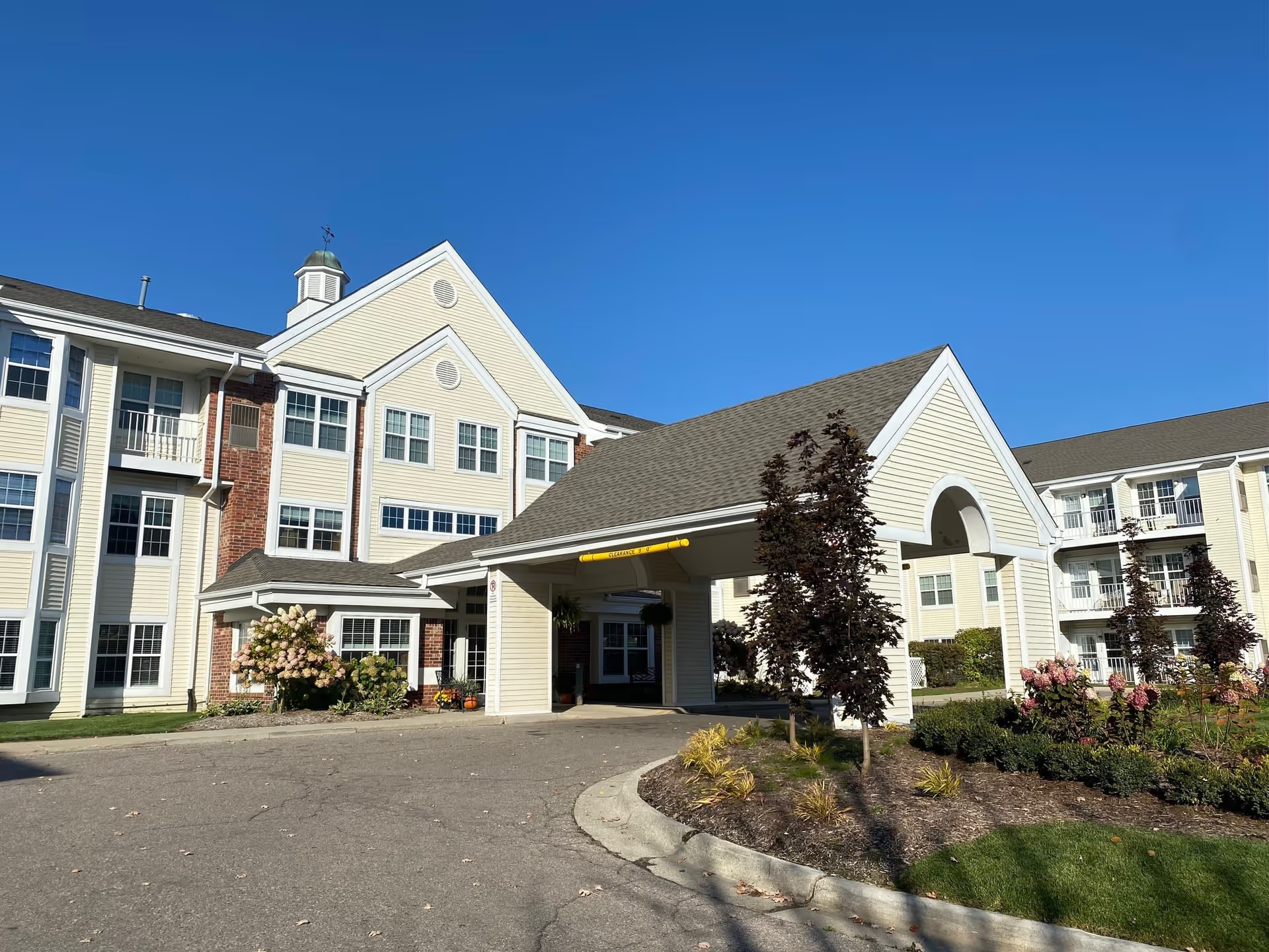
Overall impression: Highland Towers presents a mixed picture. Many visitors praised the staff for being friendly, informative, and helpful during tours and interactions, and the building's location and access to transit, shops, and medical services are consistent strengths. The property offers a range of physical features that appeal to independent residents — in-unit kitchen appliances, balconies or outdoor seating, elevators and accessible parking, a community room, salon, and a garden — and some units and common areas show recent updates and ongoing renovations.
Care and staff: Staff interactions are one of the facility's clearest positives. Reviewers frequently described tour guides and office personnel as welcoming and knowledgeable, with examples of attentive follow-up and clear explanations about rent and amenities. At the same time, there are recurring concerns about inconsistent management practices and administrative turnover. Those administrative inconsistencies are associated with double-booked appointments, uneven tour quality, and variable responsiveness to resident requests. Prospective residents should clarify policies for maintenance response times, staffing continuity, and channels for raising concerns.
Dining and activities: Highland Towers does not present itself as a meal-service community; reviewers typically described self-catered units with kitchen appliances and no dedicated on-site dining program. Resident programming is uneven: some mentions of exercise classes, an activity room, and occasional events exist, but many visitors noted a lack of evening activities, limited hours for meeting rooms, and generally sparse programming. Families seeking an active social calendar or regular evening programming should verify current activity schedules and community engagement offerings.
Facilities and maintenance: Physical conditions vary across the property. Several units and renovated areas were described positively, while other parts of the building — particularly some common-area carpets, lobby furnishings, and older unit interiors — were described as dated or in need of attention. A prominent pattern is intermittent maintenance performance: reports include unresolved moisture and mold-related issues, evidence of pest-control concerns, and delays in completing renovations or repairs. Grounds-keeping and exterior maintenance were also described inconsistently. Prospective renters should inspect both specific units and shared spaces, ask about recent pest-control measures and mold remediation, and request a timeline for any unfinished renovations.
Management and operations: Reviewers described a range from professional, helpful staff to experiences reflecting poor communication and administrative instability. Complaints such as perceived slow maintenance, shifting management, and occasional aggressive tenant-management interactions indicate variability in operational consistency. Affordability also varies: while some reviewers found the rent competitive with utilities included, others identified the community as potentially unaffordable on a fixed income. Transparency around fees, utility responsibilities, waiting lists, and renovation schedules will be important for decision-making.
Notable patterns and decision points: The feedback is polarized — some residents describe a clean, quiet, well-maintained community with useful amenities and good staff, while others encountered sanitation and pest-control concerns, dated units, and management inconsistencies. Key questions for prospective residents are unit-specific condition, the status and schedule of ongoing renovations, pest-control and mold-remediation practices, the availability and timing of laundry and common-room access, and the extent of resident programming. An in-person visit that inspects the particular unit, common areas, and maintenance responsiveness will provide the clearest picture of fit.