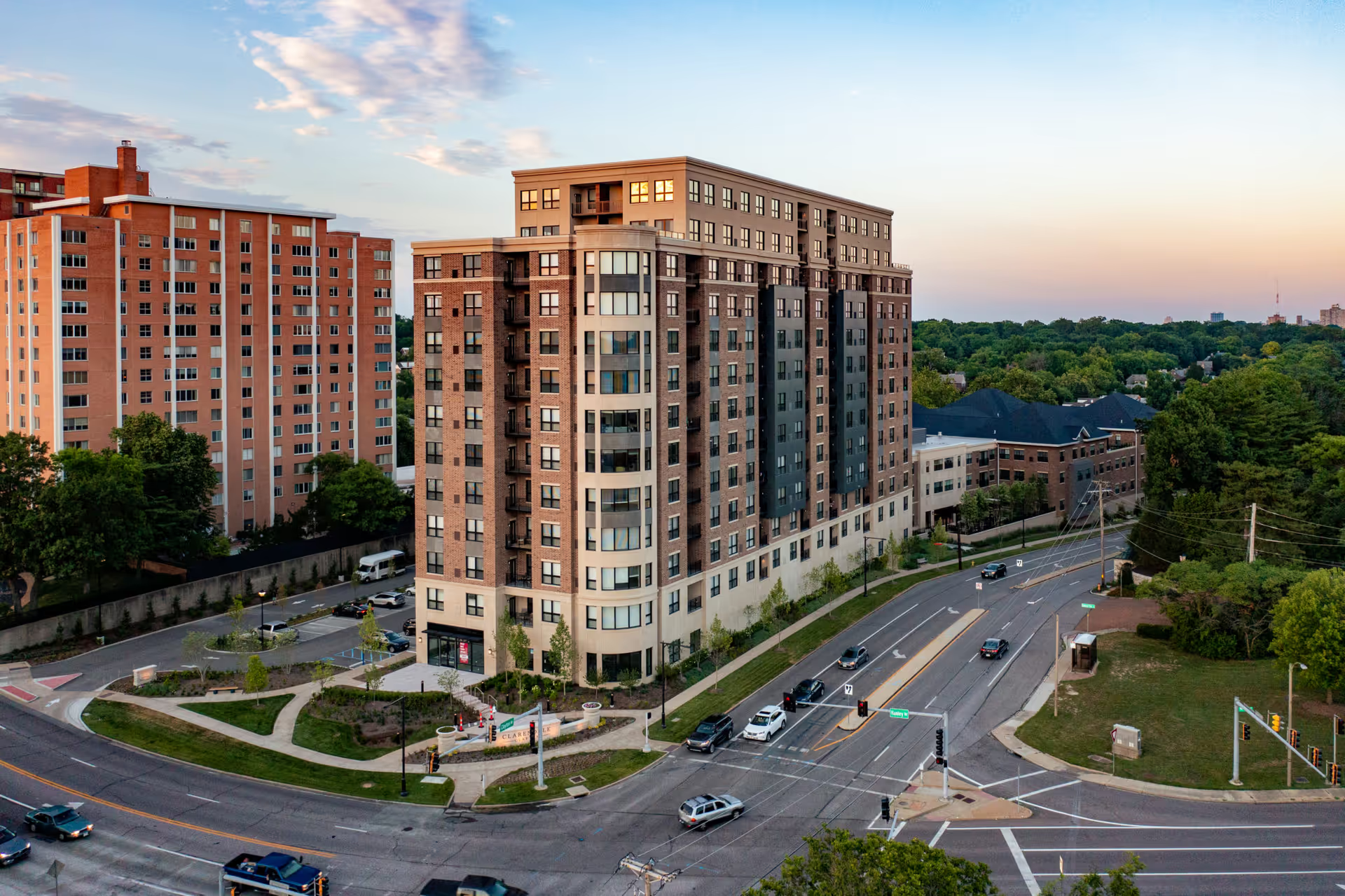
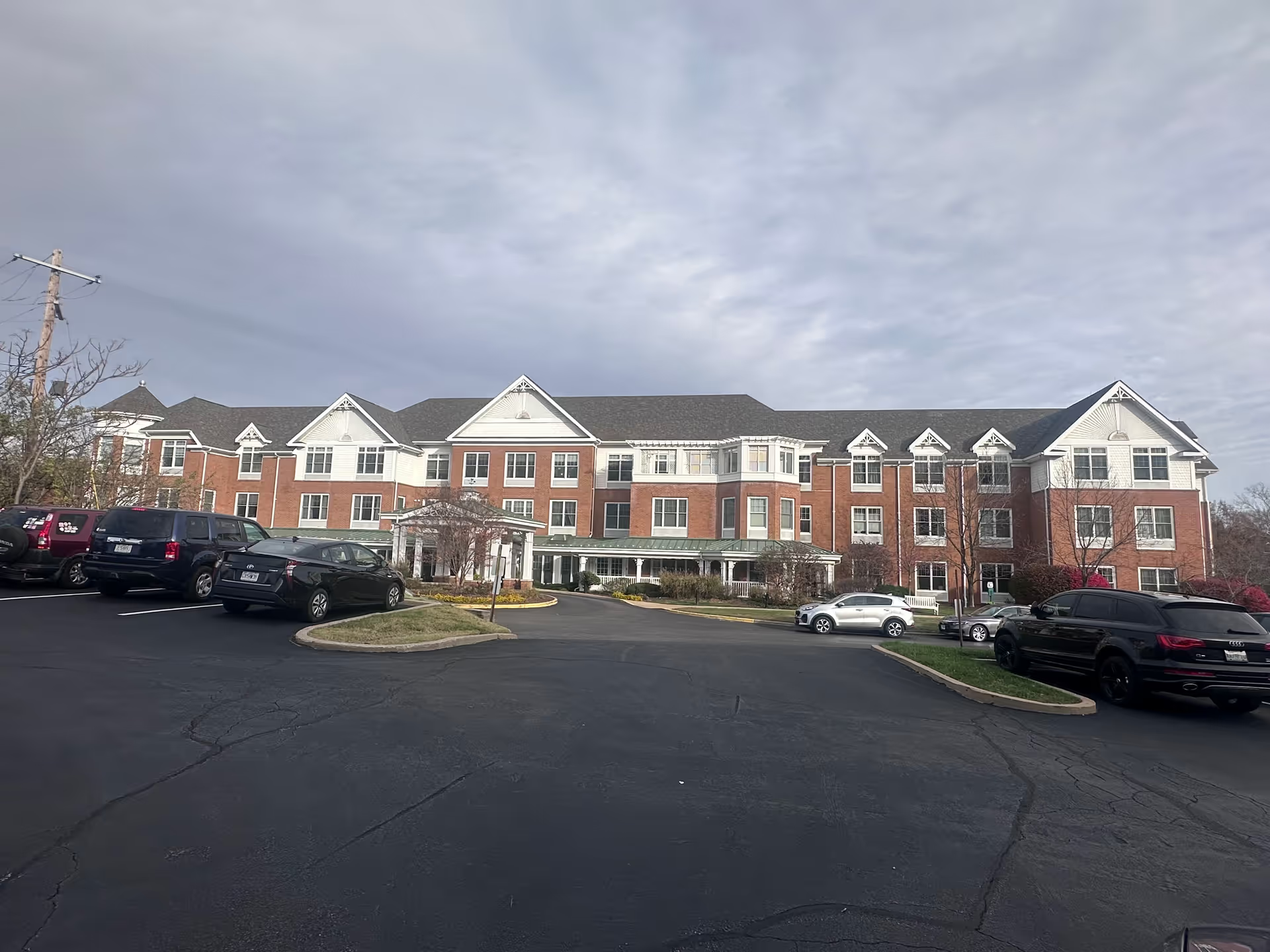
St. Catherine Retirement Community presents a mixed but generally positive profile for independent-living prospective residents who prioritize social engagement, affordability, and a supportive staff culture. Strengths that recur across comments include a consistently described warm, home-like atmosphere, staff who know residents by name, and an active calendar (bingo, crafts, exercise classes, pokeno, meditation, spa offerings, mystery lunches and trips). Transportation to stores and appointments, on-site housekeeping and laundry, and well-kept outdoor spaces and parking are other operational assets that families often highlight.
Care and staffing impressions are predominantly favorable with many reviewers describing caring, personable employees and helpful marketing/lead staff during move-in. Housekeeping and basic supports appear reliable for independent-living needs, and reviewers praised infection-control measures during COVID. However, there are recurrent operational concerns about staffing continuity: several comments note recent turnover and a rise in newer employees, which some families link to inconsistent service or responsiveness. A small but notable pattern of concerns about staff conduct and responsiveness should be considered alongside the many positive staff reports.
Dining is an important area of divergence. The facility includes breakfast and an early evening meal in many plans, and numerous reviewers complimented the food and dining atmosphere. At the same time, other reviews describe inconsistent food quality, limited menu variety, and service issues; the facility does not appear to offer a regular lunch meal service and maintains guest-meal fees. Prospective residents should confirm current meal schedules, menu options, and guest pricing during a visit.
Facilities and accessibility are another mixed area. Many apartments are described as spacious, with full kitchens and individual temperature control; common areas, gardens and a dog park were positively noted. The building is older but undergoing remodeling, which some reviewers appreciated; others found parts of the interior dated and mentioned promised updates not yet visible. Importantly, reviewers flagged accessibility limitations—outdated showers and a lack of roll‑in options—and several families indicated that the community is not equipped to meet higher-acuity assisted-living needs. There are also a few reports indicating variable cleanliness and maintenance standards and at least one extended utility disruption, which points to infrastructure and emergency-preparedness considerations.
Management and operational patterns: orientation materials and security practices received positive mentions, and the community is perceived by many as good value for cost. Yet there are contrasting narratives about recent operational performance—some reviewers describe a decline in dining and service quality concurrent with staffing changes. For prospective residents and families, recommended next steps are an in-person tour that includes current common areas and a meal, direct questions about staffing ratios and turnover, verification of accessibility modifications if needed, and clarification of what levels of clinical care the community does and does not provide.