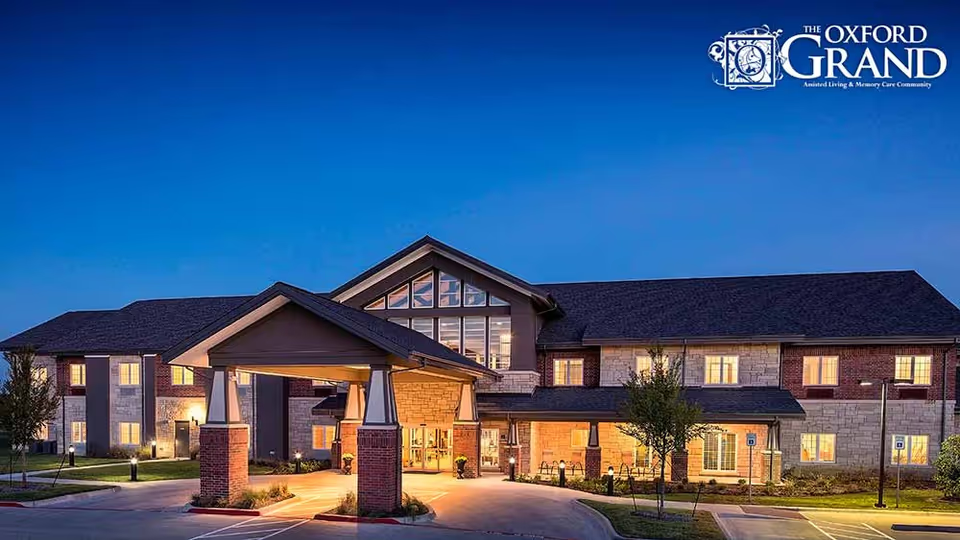
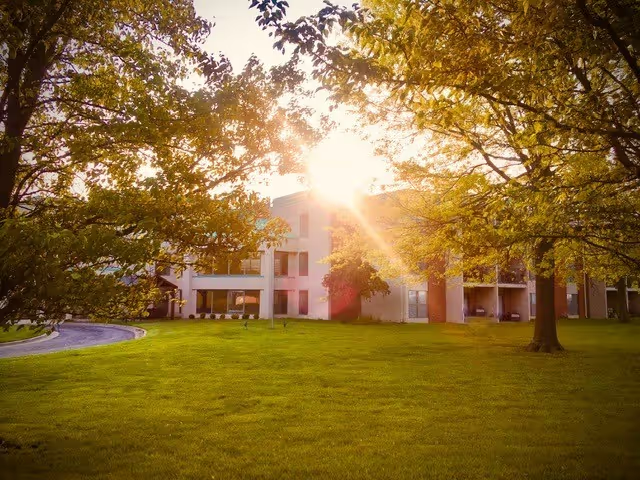
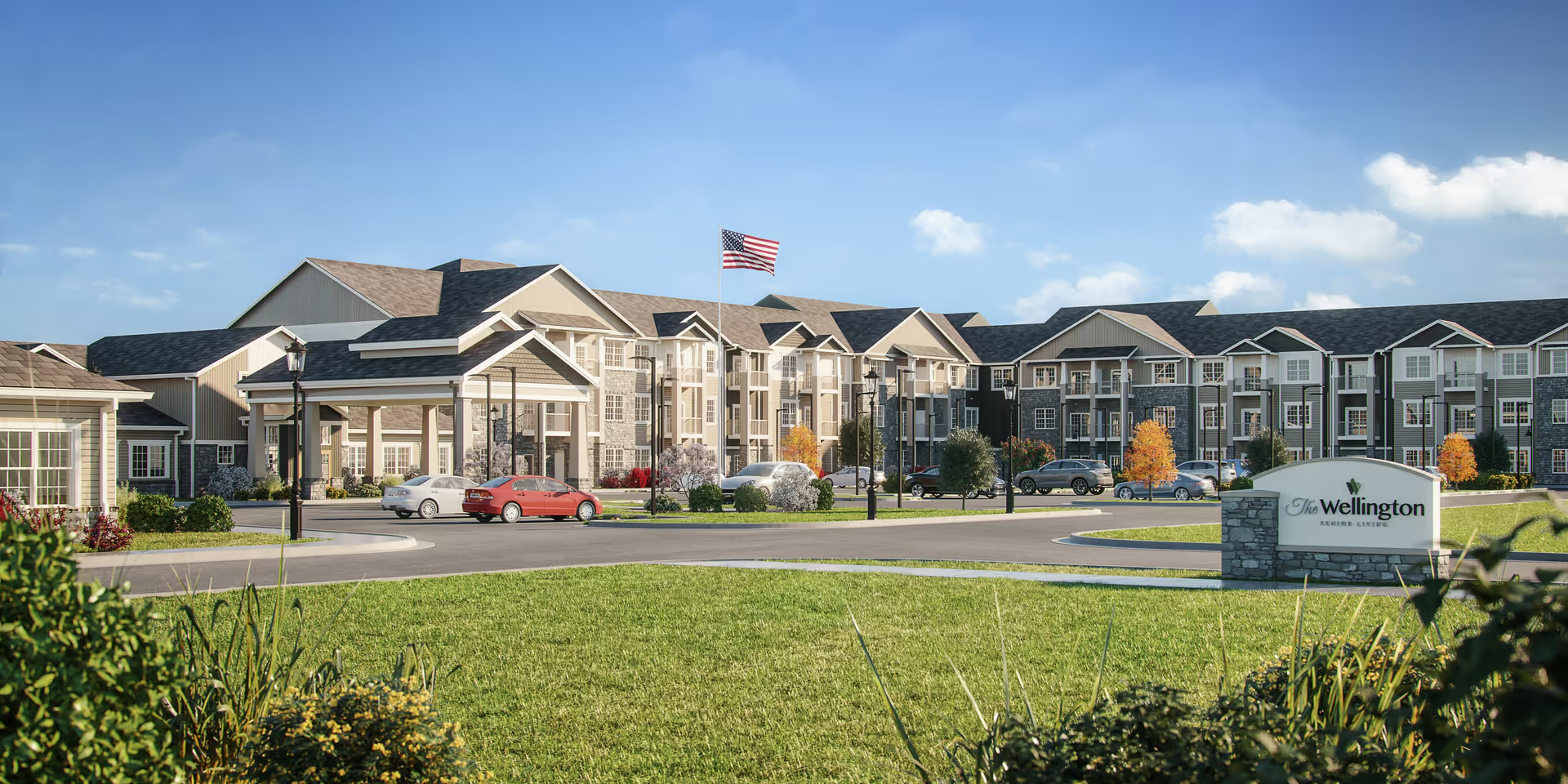
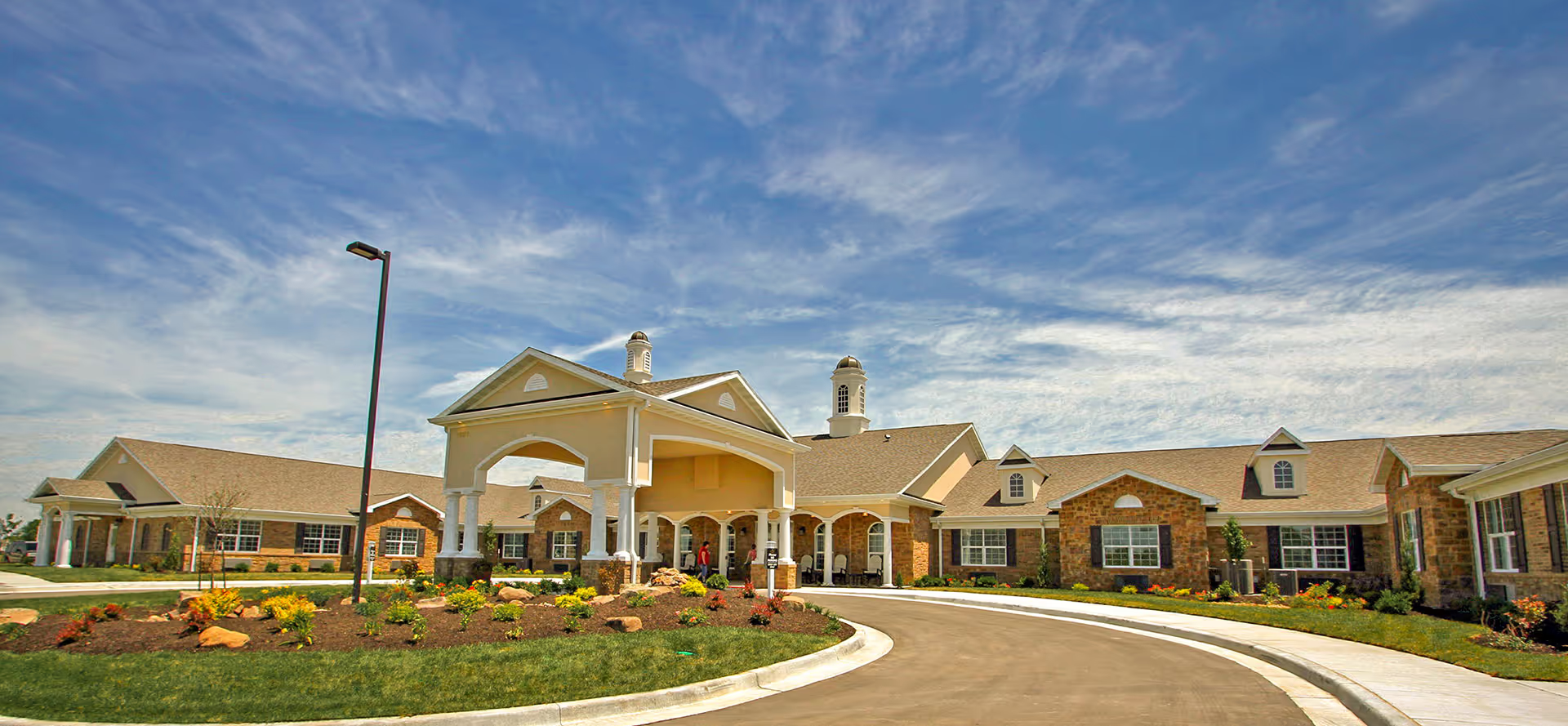
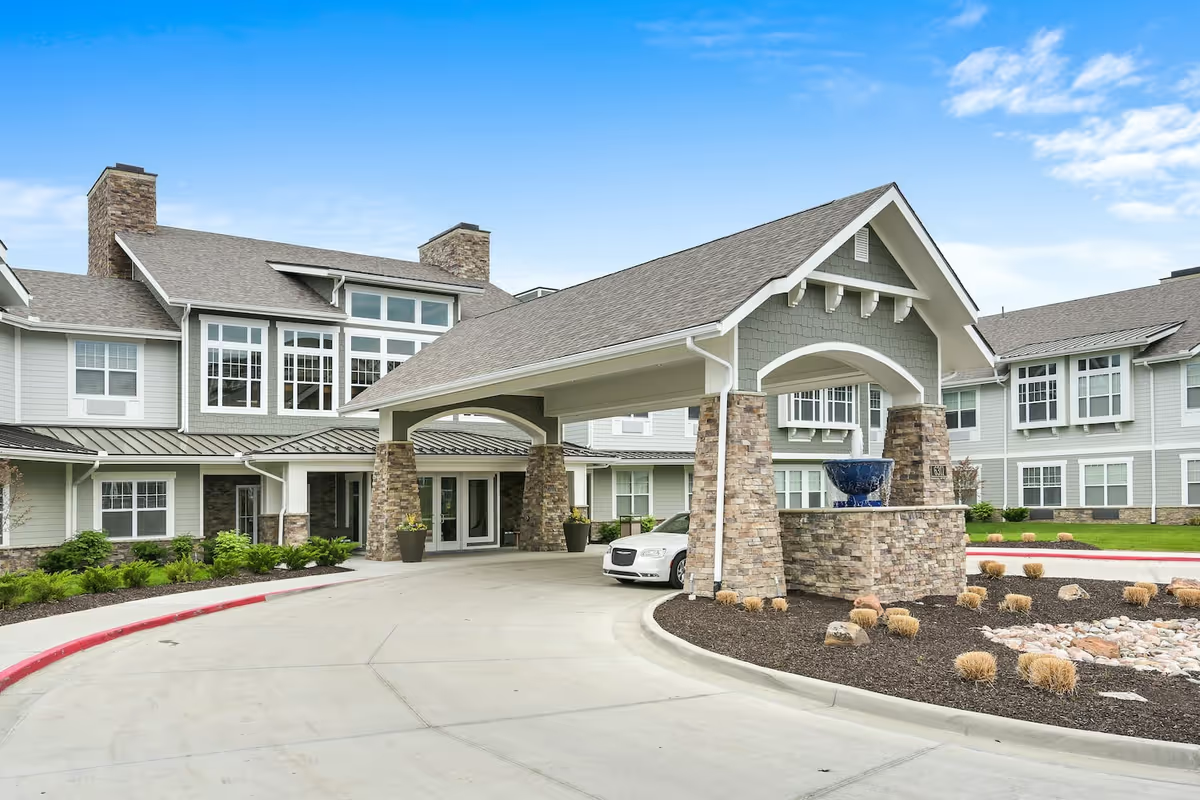
The Community Apartments at Antioch Crossing elicits mixed impressions. Many reviewers praise the physical living units and community atmosphere: apartments include private kitchens, the building presents a modernized appearance, and several residents describe clean, well-appointed units and a welcoming social environment. The neighborhood location is viewed positively, and at least one on-site staff member is singled out as particularly helpful during move-in and orientation.
Operationally, the strongest and most consistent concerns relate to management and staffing. Reviewers describe limited managerial presence on-site, irregular office hours, and frequent managerial turnover. These conditions are associated with communication gaps, a perception of disengaged management, and understaffing that appears to affect responsiveness to resident requests. Maintenance capacity is described as limited (often a single maintenance person), leading to slow response times for routine repairs and ongoing building-maintenance needs such as peeling paint and foundation cracks.
Dining and activities are minimal and largely resident-driven. There is no regular meal program; offerings are limited to occasional continental breakfasts and sporadic facility-provided events. Residents largely self-provide meals and organize their own gatherings. Organized activities occur (monthly programming is mentioned), but scheduling and timing appear misaligned with many residents’ availability, prompting self-organized socialization rather than robust, staff-led programming.
Facility- and environment-related issues present a mixed picture. While individual apartments are described positively, reviewers also describe odor concerns and sanitation inconsistencies in some common areas, along with pest-control concerns linked to outdoor waste and flies. There are also mentions of a prior water-related issue that one reviewer indicated may have been resolved. Security and safety are areas of notable concern: reviewers express a desire for greater security presence in response to nearby homelessness and vehicle break-ins, and late-night noise in common areas is reported as a recurrent disturbance that can affect residents’ well-being.
Care-quality considerations should be viewed in the context of the community’s apparent orientation toward independent living rather than higher-acuity care. Nonetheless, reviewers raise concerns about infection-control practices and social-distancing norms—particularly for residents with health vulnerabilities—because mask use and distancing were described as inconsistent in communal spaces. Those evaluating the community should clarify what clinical or supportive services are included or available off-site.
For prospective residents and families: a site visit and direct questions are recommended. Ask about current managerial staffing and turnover, documented office hours and on-site presence, maintenance staffing and average repair turnaround time, security measures and incident history, pest-control and sanitation protocols, the activity calendar and how scheduling is determined, available dining options, and a clear breakdown of monthly fees to assess value relative to what is included. These clarifications will help determine whether the community’s strengths align with a prospective resident’s priorities and support needs.