Overall impression: Valley Creek Retirement is generally described as a well-kept community with consistently positive remarks about staff, apartment quality, and basic clinical supports. Families and residents frequently highlight the cleanliness and maintenance of living spaces, and many describe the environment as secure and comfortable. Leadership and the facility director are repeatedly praised for responsiveness and helpfulness.
Care and clinical services: The community provides 24/7 assistance and periodic on-site clinical coverage (a nurse practitioner several days per week), and its proximity to a hospital is viewed as a strength. These elements together convey basic clinical availability suitable for residents who need regular monitoring or quick access to emergency care. At the same time, some descriptions indicate limited access to a broader set of outside medical providers and specialists without additional transportation, so verification of individual medical needs and visit logistics is advisable.
Staff and management: Staff interactions are a clear strength in the reviews — staff are described as friendly, attentive, and proactive (including personalized event invitations and weekly shopping assistance). Management and the director receive positive comments for being engaged and helpful. These patterns suggest a stable, customer-oriented team and a leadership presence that families notice.
Dining and meals: The dining model appears mixed. Several residents prepare meals in-unit using full kitchens, and a number of reviewers noted that on-site dining areas are infrequently used. The result is a self-catering culture for some residents, alongside available meal offerings. Prospective residents should clarify meal-plan options, communal dining activity, and any staffing or scheduling practices that affect meal service.
Activities and social programming: The facility offers a visible slate of activities — bingo, cards, exercise classes, crafts, salon visits, and outings — and many reviewers report an active calendar. However, feedback on programming is not uniform: while some describe constant engagement opportunities, others find the social agenda limited or inconsistently engaging. This suggests variability in participation and in how programming meets diverse resident interests; asking for a sample monthly calendar and observing an activity period during a tour would help assess fit.
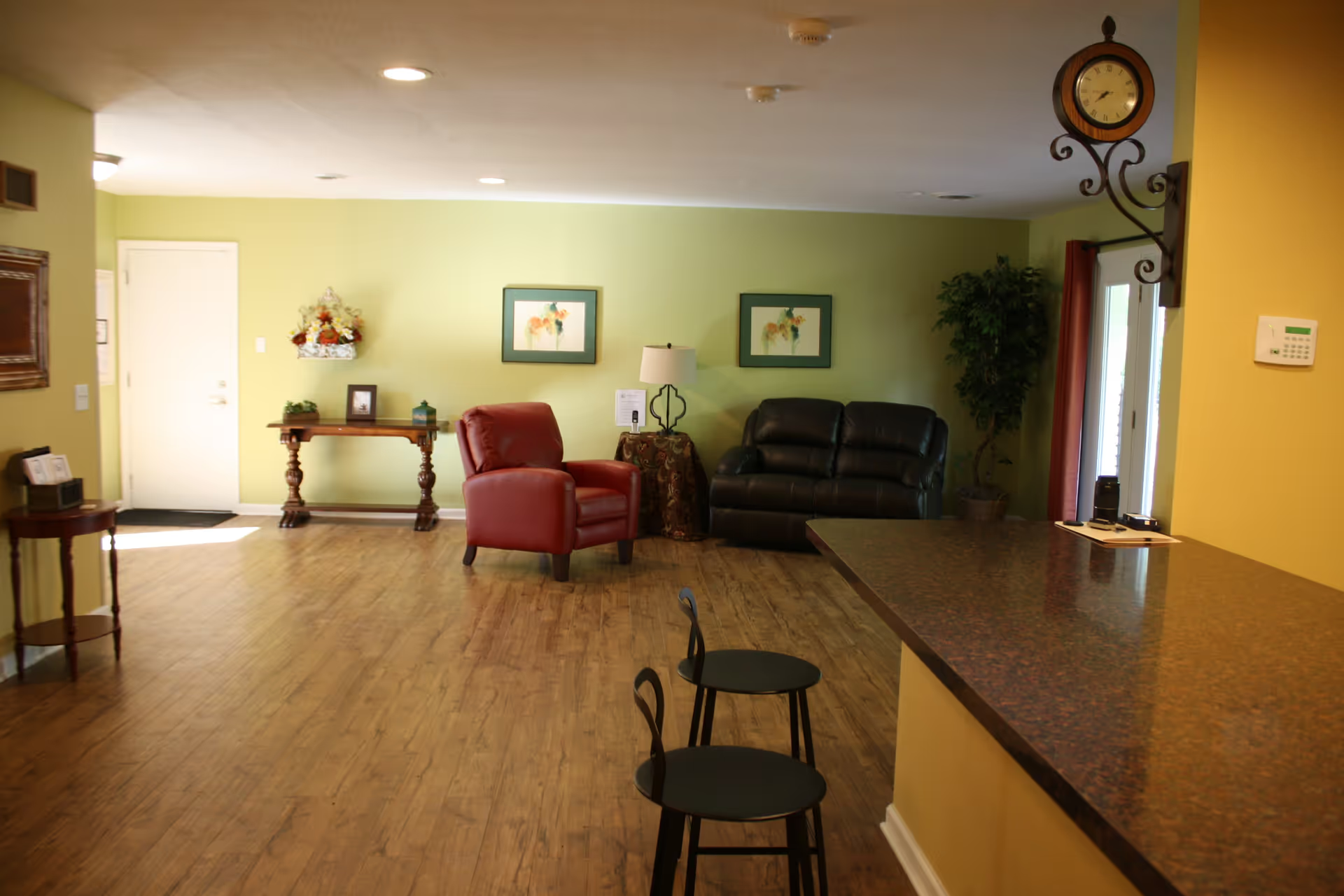
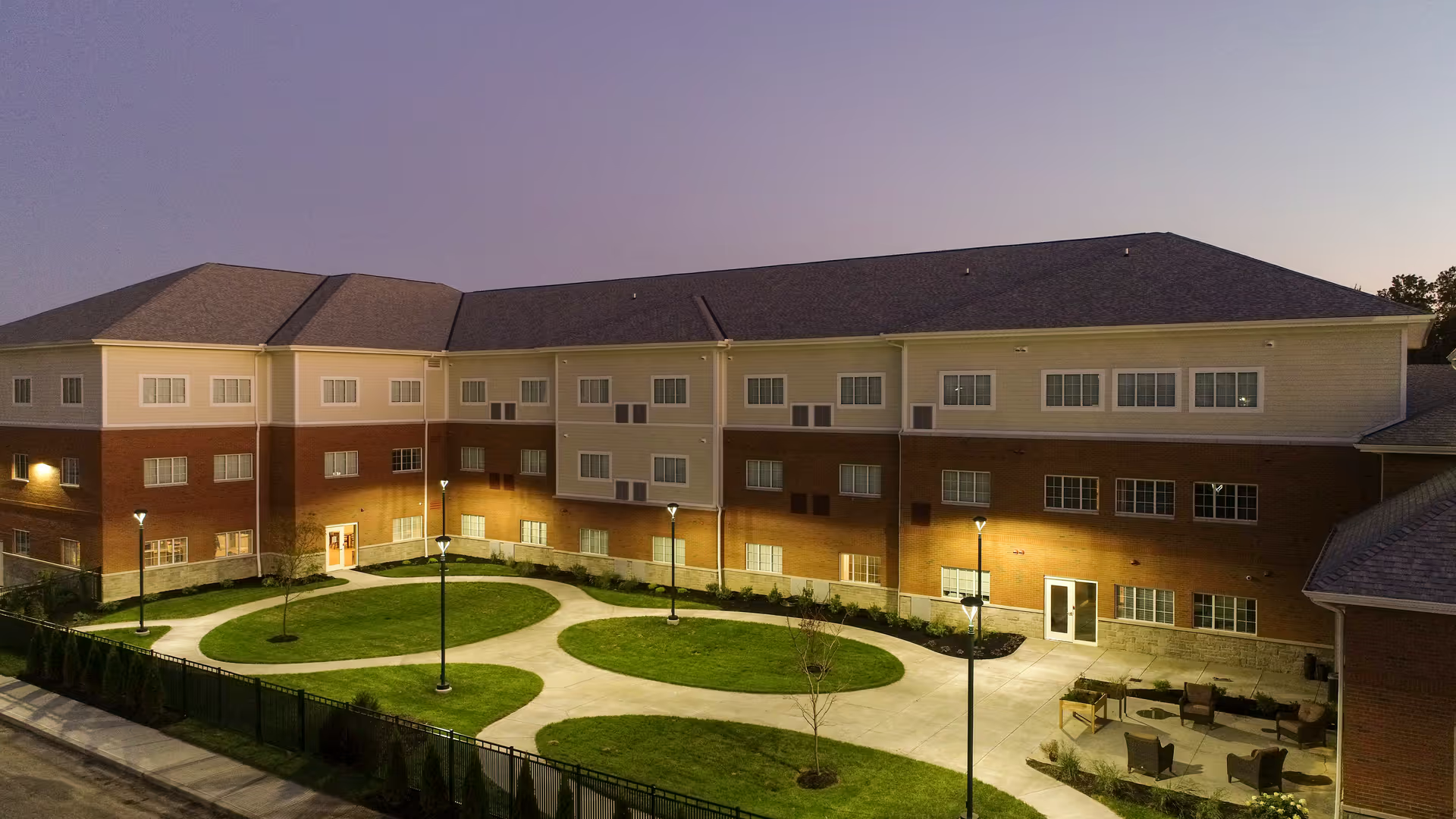
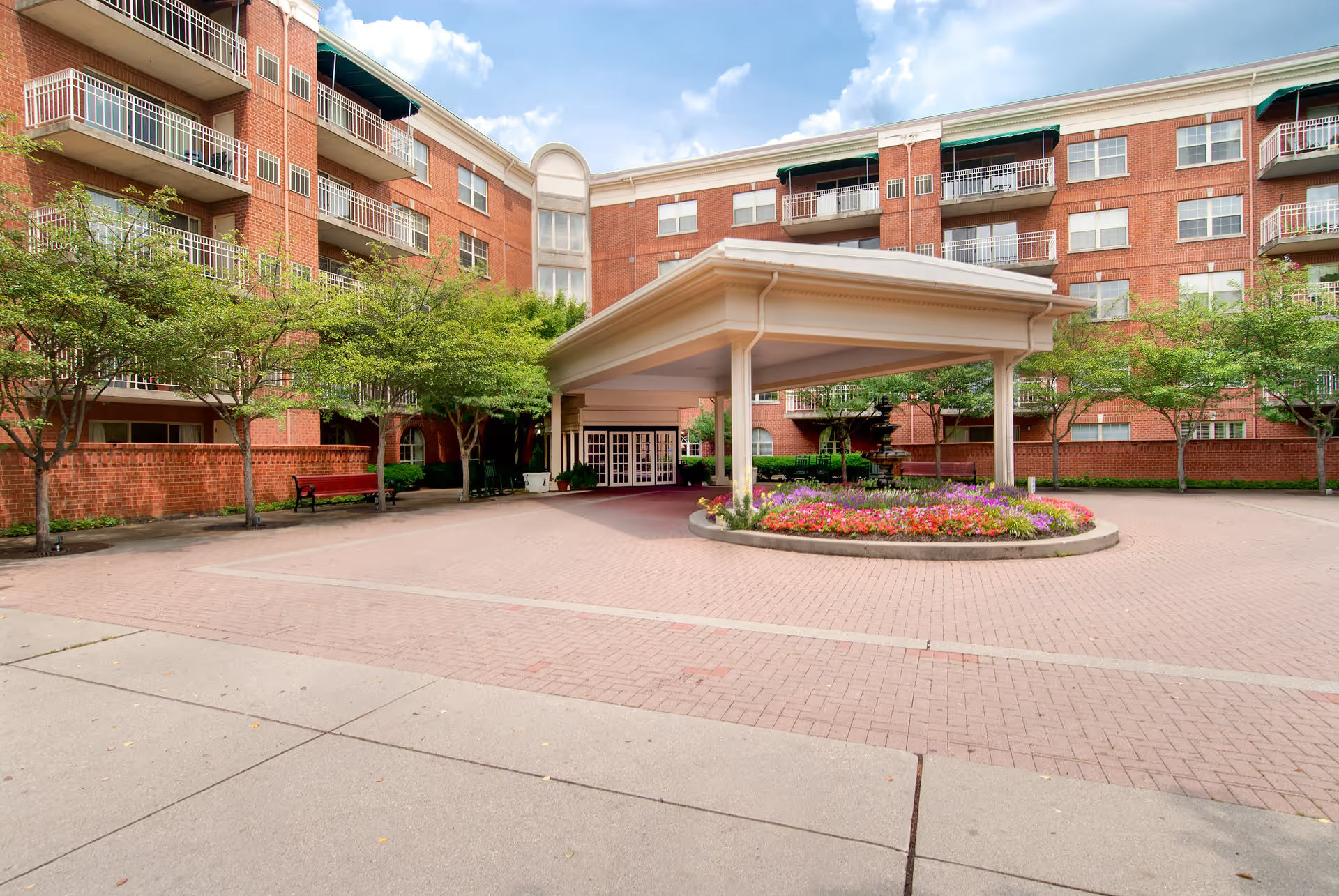
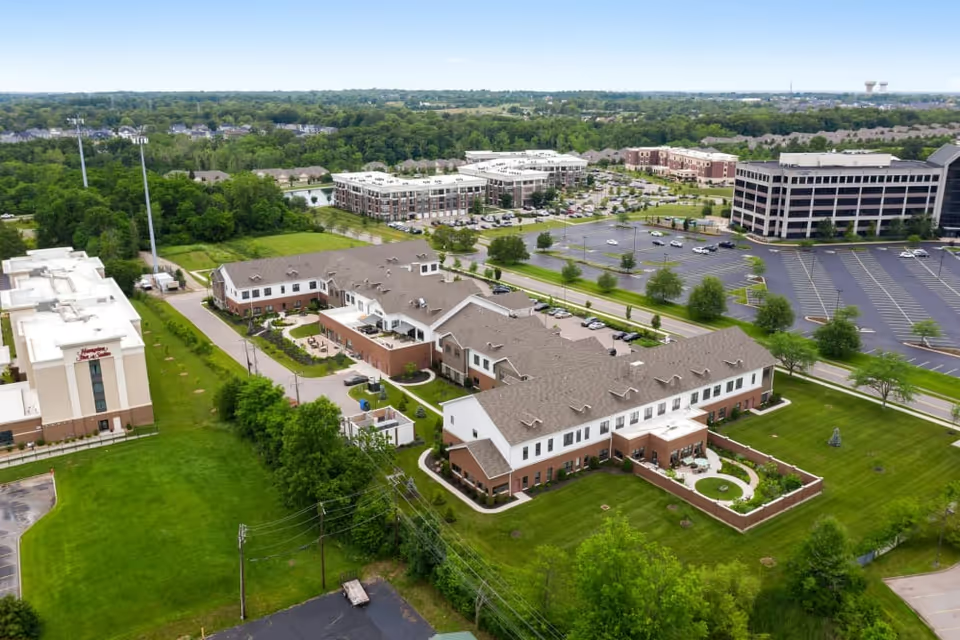
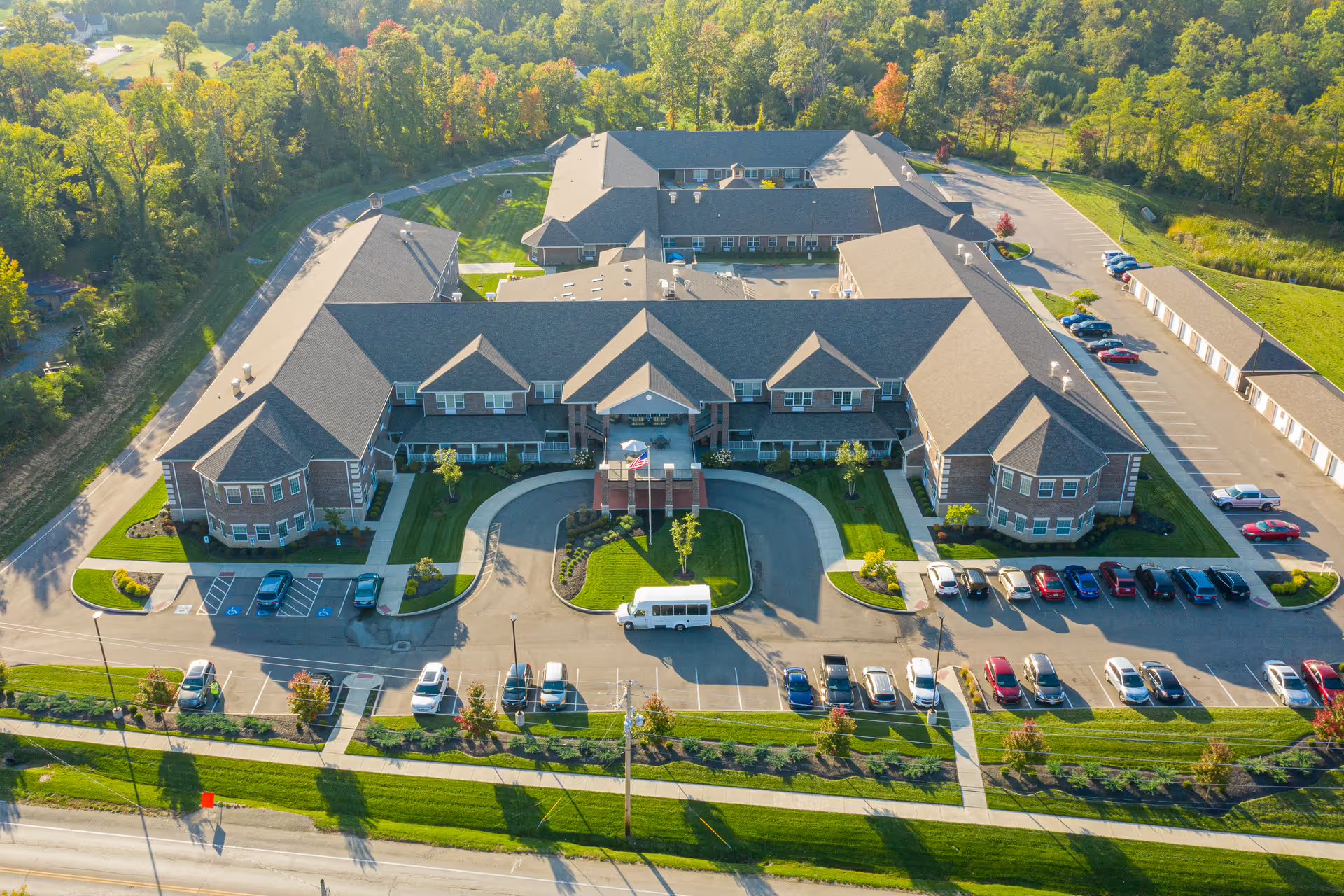
Facilities and location: Apartments are frequently described as well laid out and pristine, with amenities such as in-unit laundry, central heating/air, patios, and pleasant grounds. On-site conveniences include a salon and bank. Location strengths include being close to a hospital, but the neighborhood has trade-offs: limited walkability, few nearby retail or non-hospital medical services, and concerns about pedestrian access (missing sidewalks, traffic) and seasonal outdoor maintenance. These factors increase reliance on the facility's transportation services for errands and appointments.
Notable patterns and recommended checks: Recurrent themes are strong staff/resident relationships and well-maintained living spaces, tempered by mixed experiences around active social engagement, communal dining uptake, indoor air/ventilation in parts of the building, and access to neighborhood amenities. Cost is another consideration flagged by reviewers. For prospective residents and families, recommended next steps include visiting during active hours to observe programming and dining usage, asking for details about clinical coverage and transportation options, inquiring about ventilation/air-quality practices, and reviewing pricing and contract details to confirm affordability and services included.