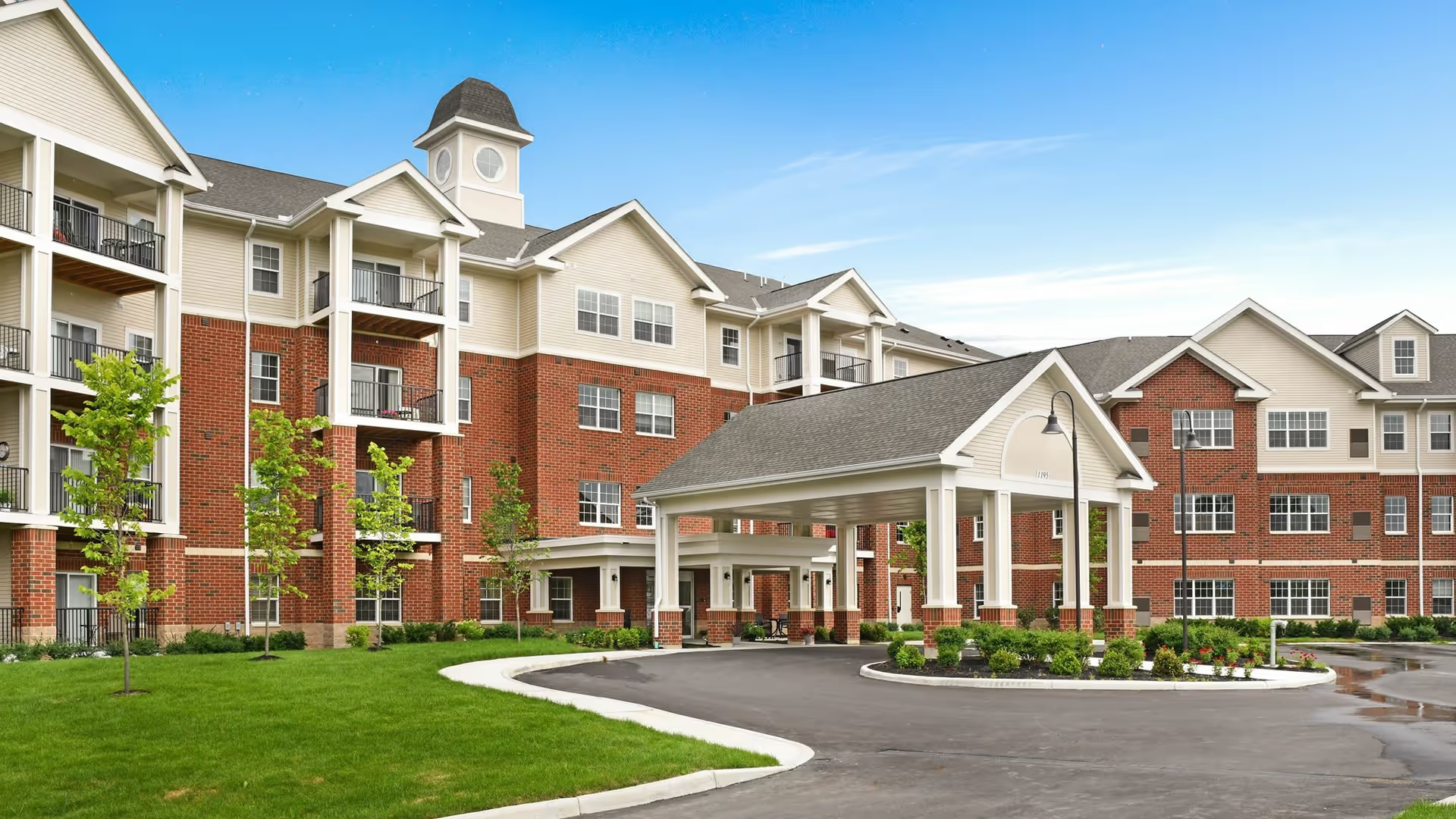
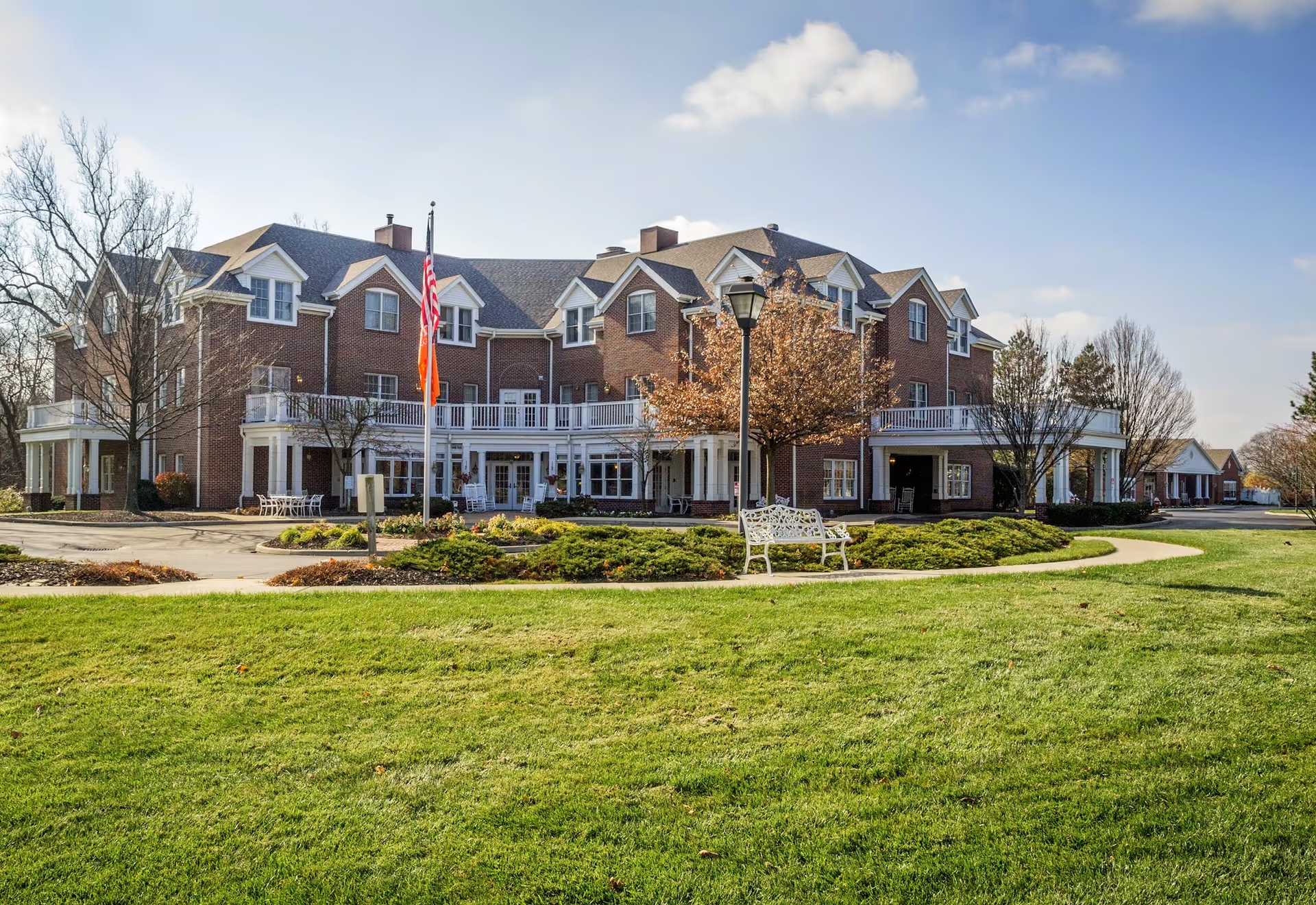
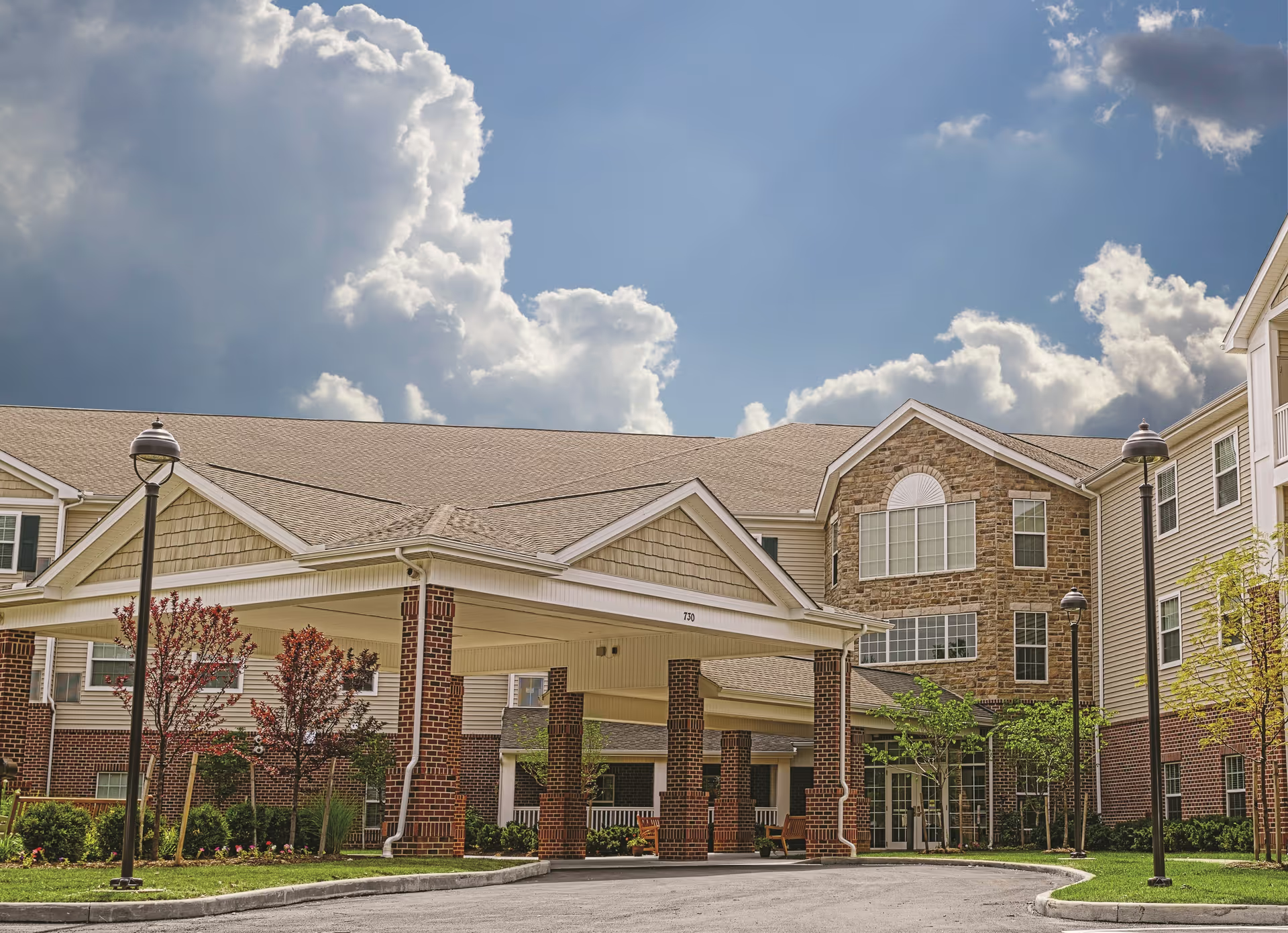
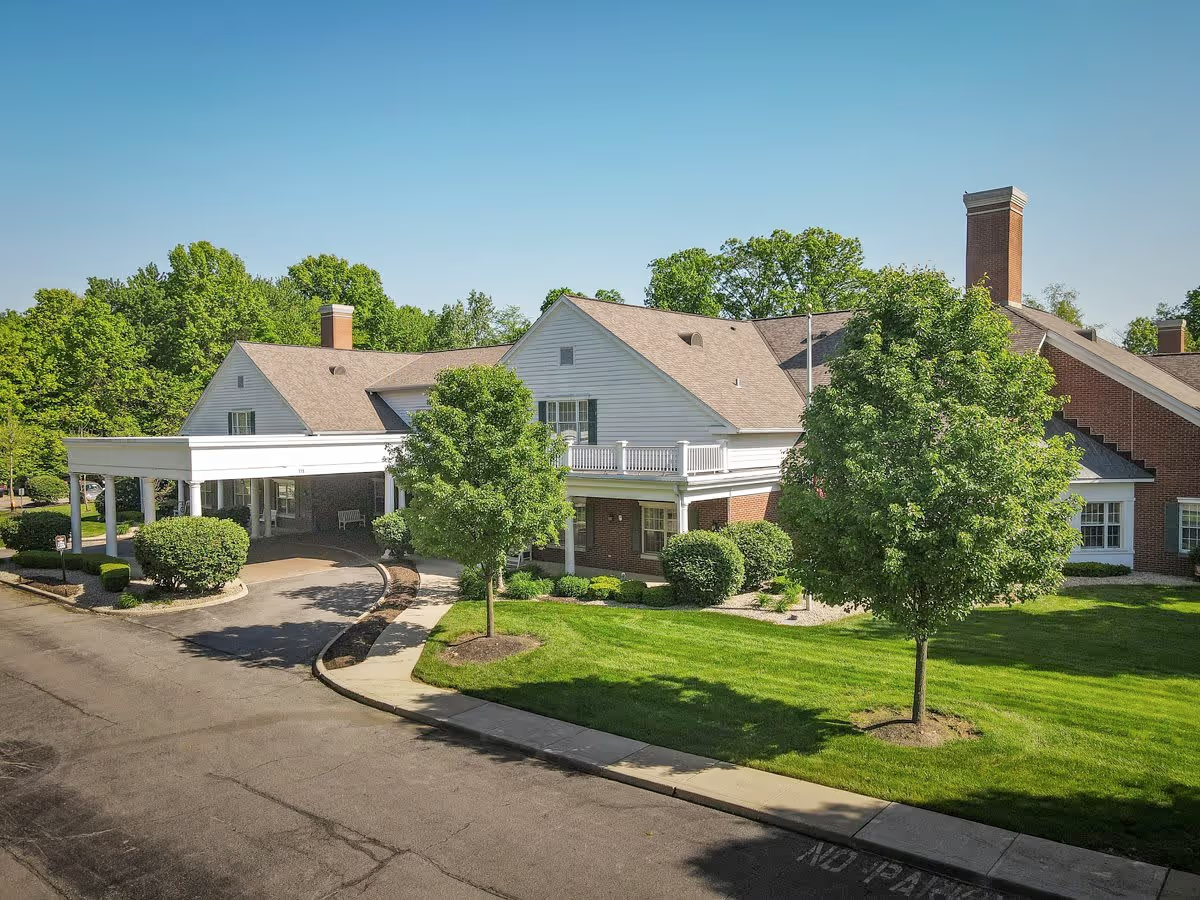
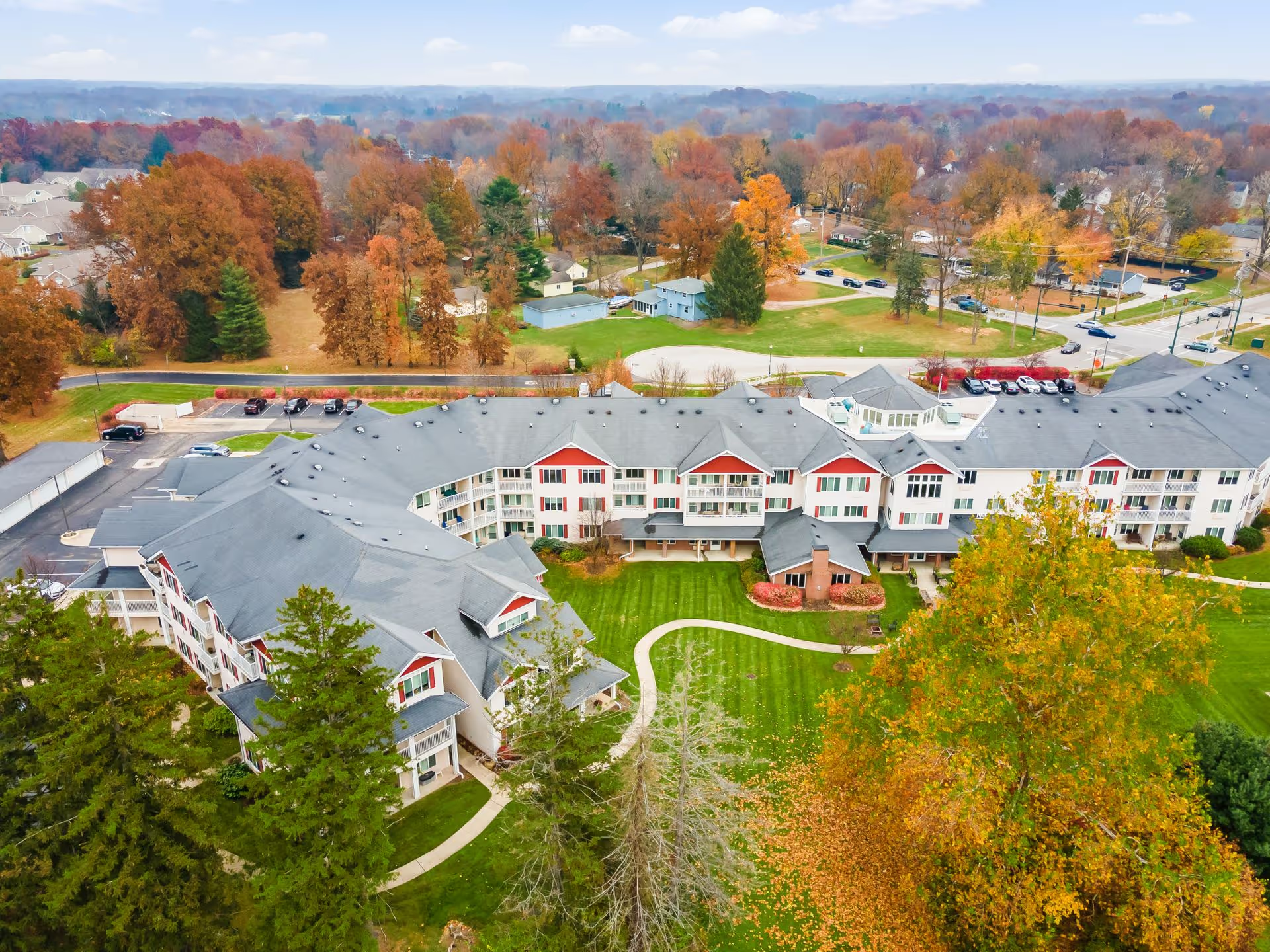
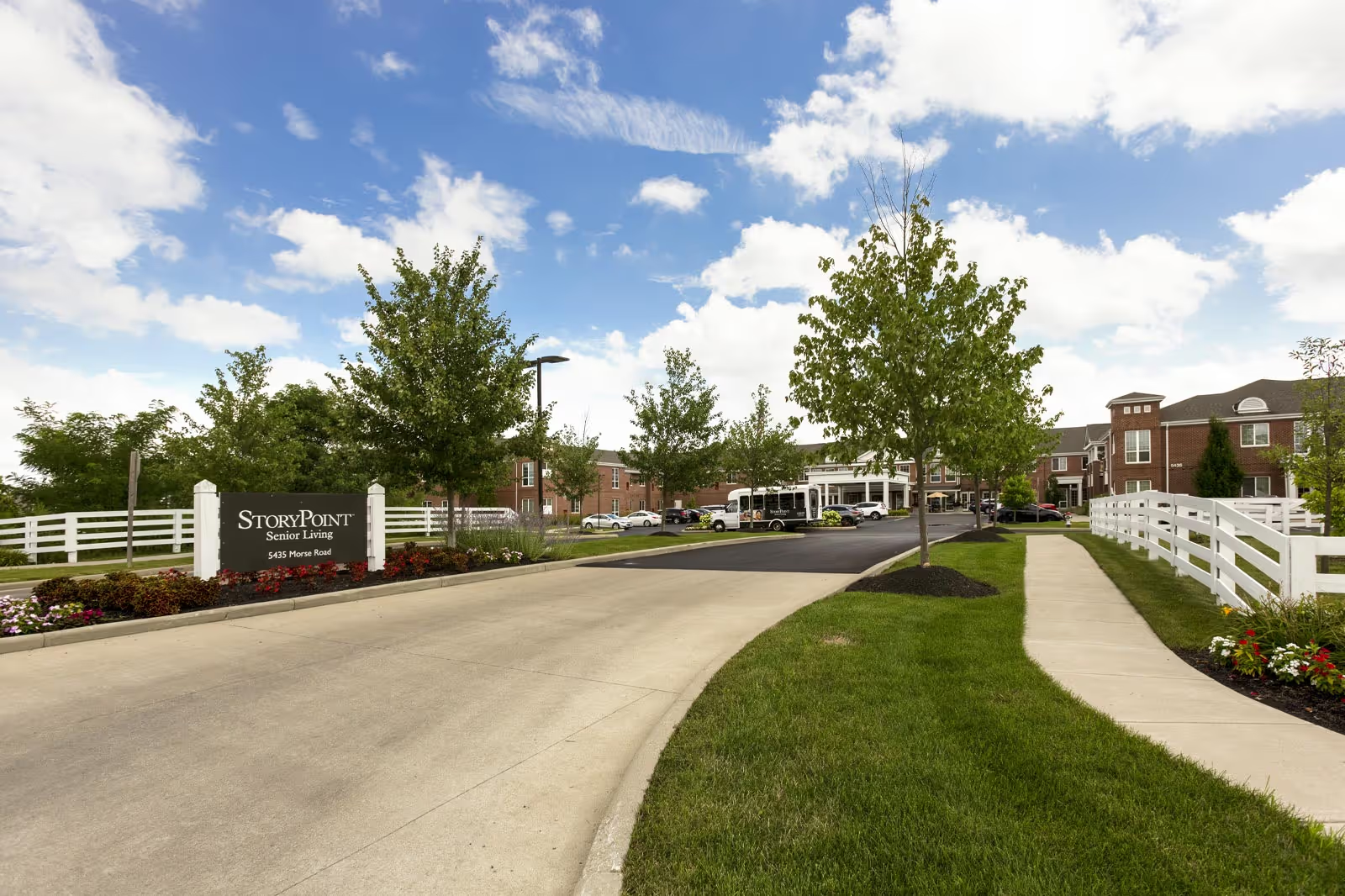
Hampton Woods presents as a largely well-kept independent-living community with several onsite conveniences. Reviewers consistently describe clean common areas, roomy apartment layouts, screened-in patios with courtyard views, and easy single-level circulation. The campus includes practical amenities such as laundry, fitness and exercise rooms, a library, community rooms, a beauty shop, a computer room, and outdoor garden/patio areas. Many residents appreciate the optional dining alongside in-room kitchens and the presence of a professional building/grounds team that maintains exterior spaces.
Staff and care patterns are mixed but have notable strengths. Numerous accounts highlight friendly, attentive staff, dementia-aware interactions, regular check-ins from counselors, and staff who acknowledge and know residents by name. That said, there are recurring concerns about communication tone and occasional impatience from some staff members. Importantly, Hampton Woods operates as independent living only; there are no on-site clinical or personal-care services integrated into the typical apartment offering. Prospective residents who require assisted living or nursing-level services should plan for external supports or consider a different setting.
Programming and daily life are a blend of structured and resident-driven activity. The community offers weekly social activities (bingo, poker) and many resident-planned events; some reviewers would like more proactive staff involvement to welcome and connect newcomers. Dining is optional and reasonably priced for those who use it, but several people noted limited meal variety and few lunch options, with many residents preparing meals in their own apartments. Practical conveniences—post office box, community laundry, and a small number of on-site service spaces—support independent living routines.
Operational and management patterns are an area where prospective residents and families should exercise due diligence. Several reviewers described unclear or inconsistent administrative and billing practices, including confusion around move-in charges and rent adjustments after management changes. There are also reports indicating pest-control concerns in certain units and a perception that some building systems and apartment finishes need renovation. Technical infrastructure such as Wi‑Fi connectivity was described as spotty in places, and closet/storage space is limited in some floor plans. Taken together, these issues have contributed to distrust among some families and residents and to a perception that the setting can feel more institutional than homelike for certain people.
Recommendation: For an accurate sense of fit, visitors should tour multiple apartment types, evaluate storage and kitchen layouts, ask for written details on billing and rent policies, confirm pest‑control and maintenance protocols, test internet connectivity, and discuss the absence of onsite clinical services. Conversations with current residents about activities and staff responsiveness can also help clarify whether the community’s culture aligns with a prospective resident’s preferences for social engagement and care needs.