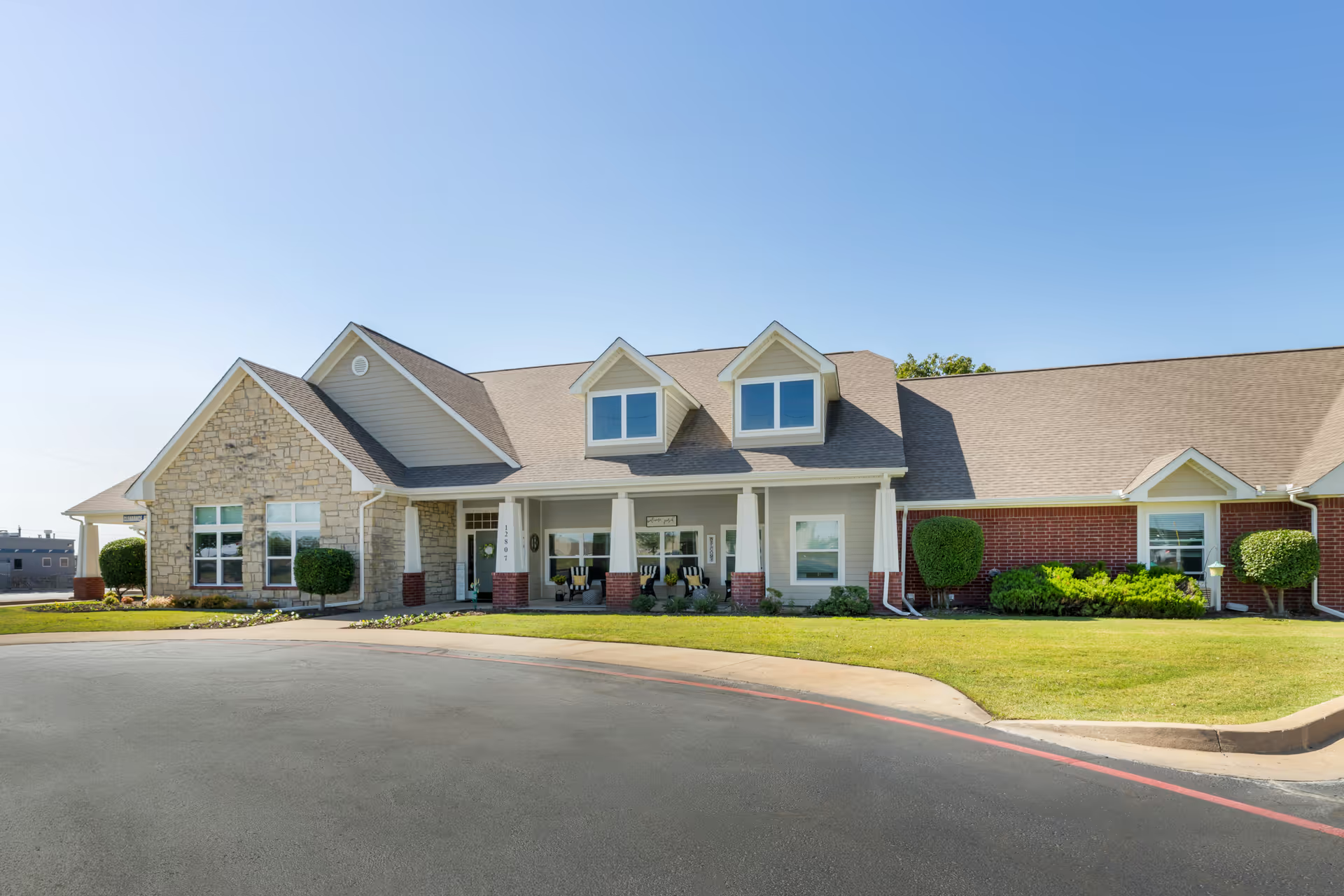
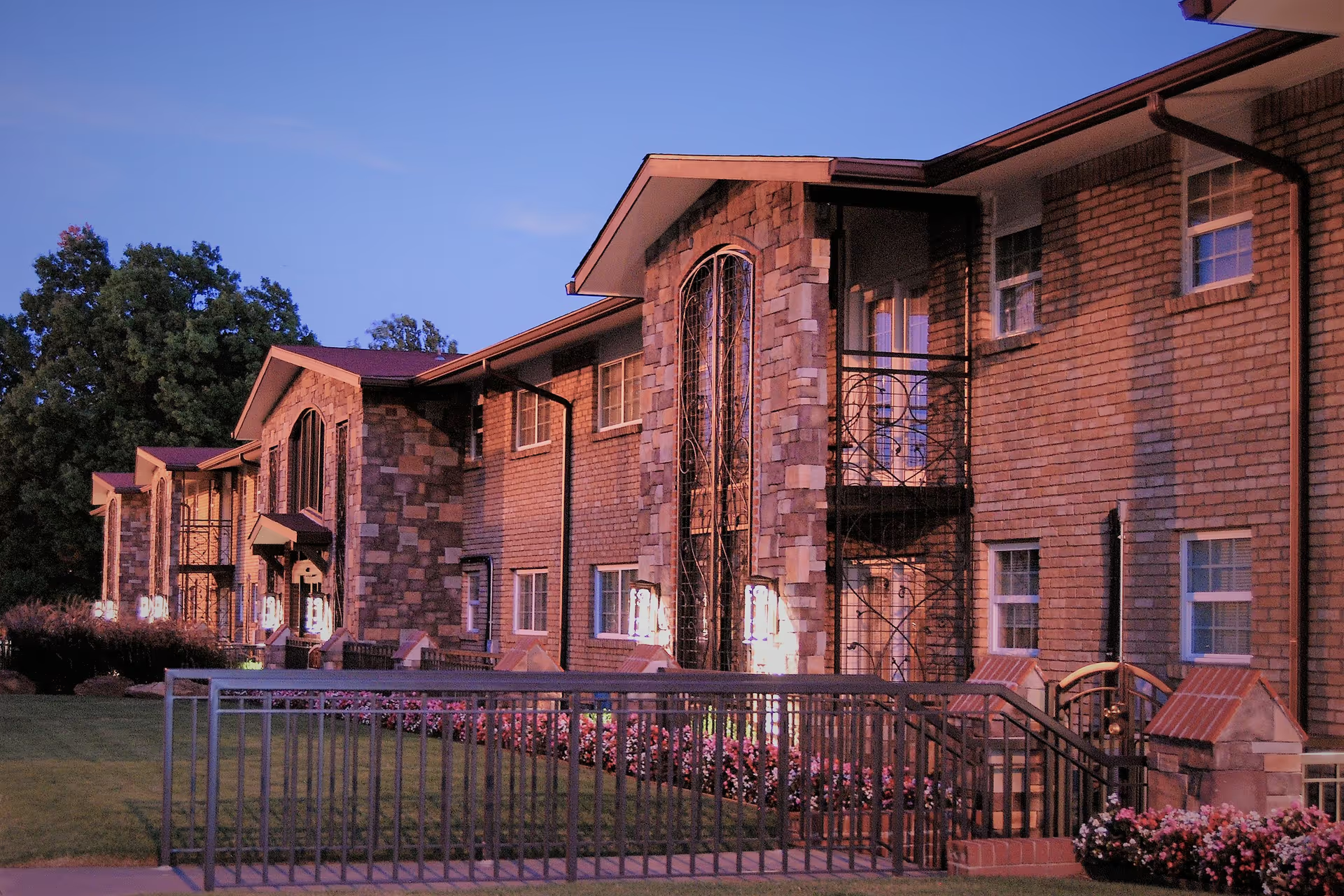
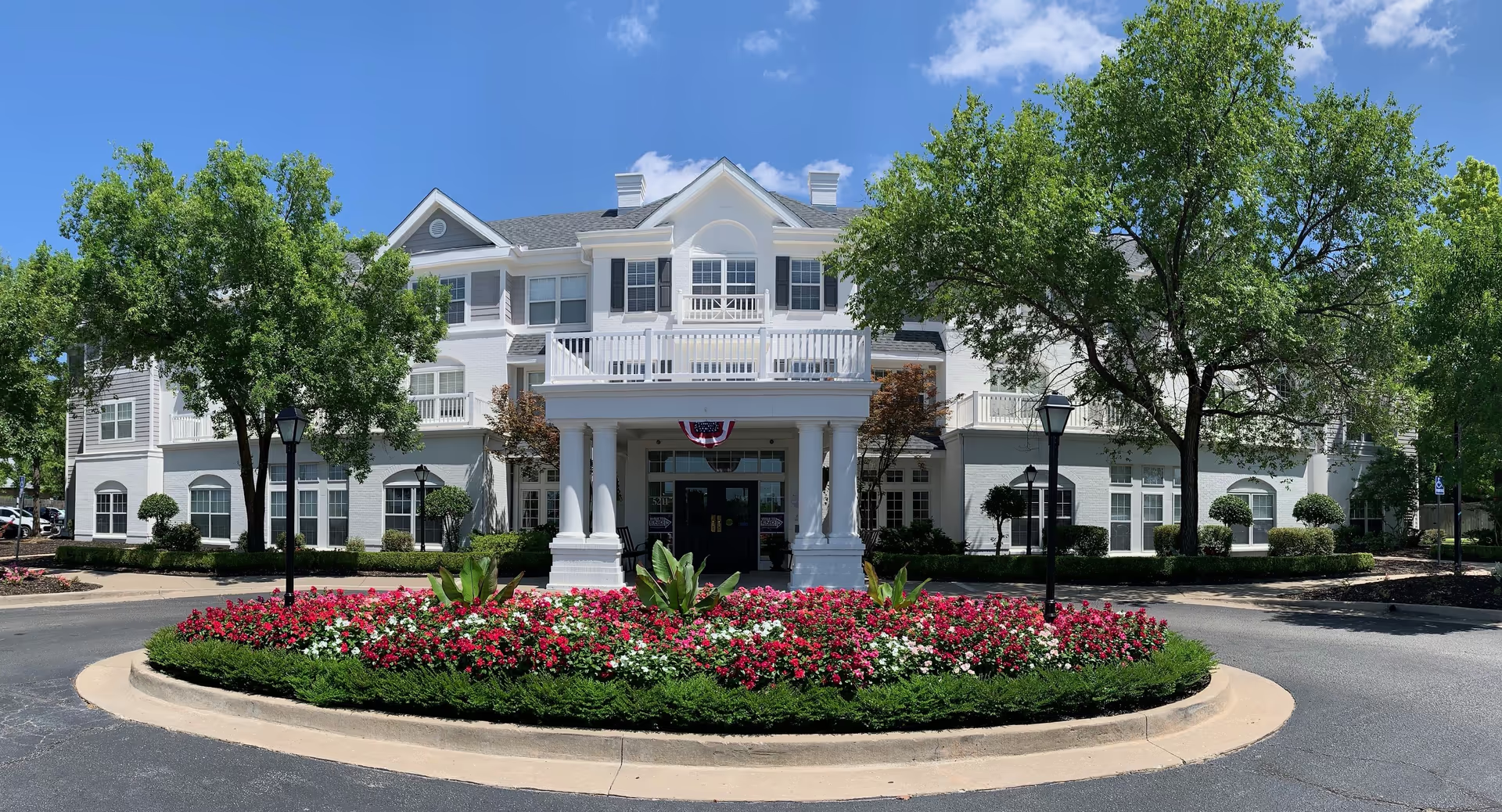
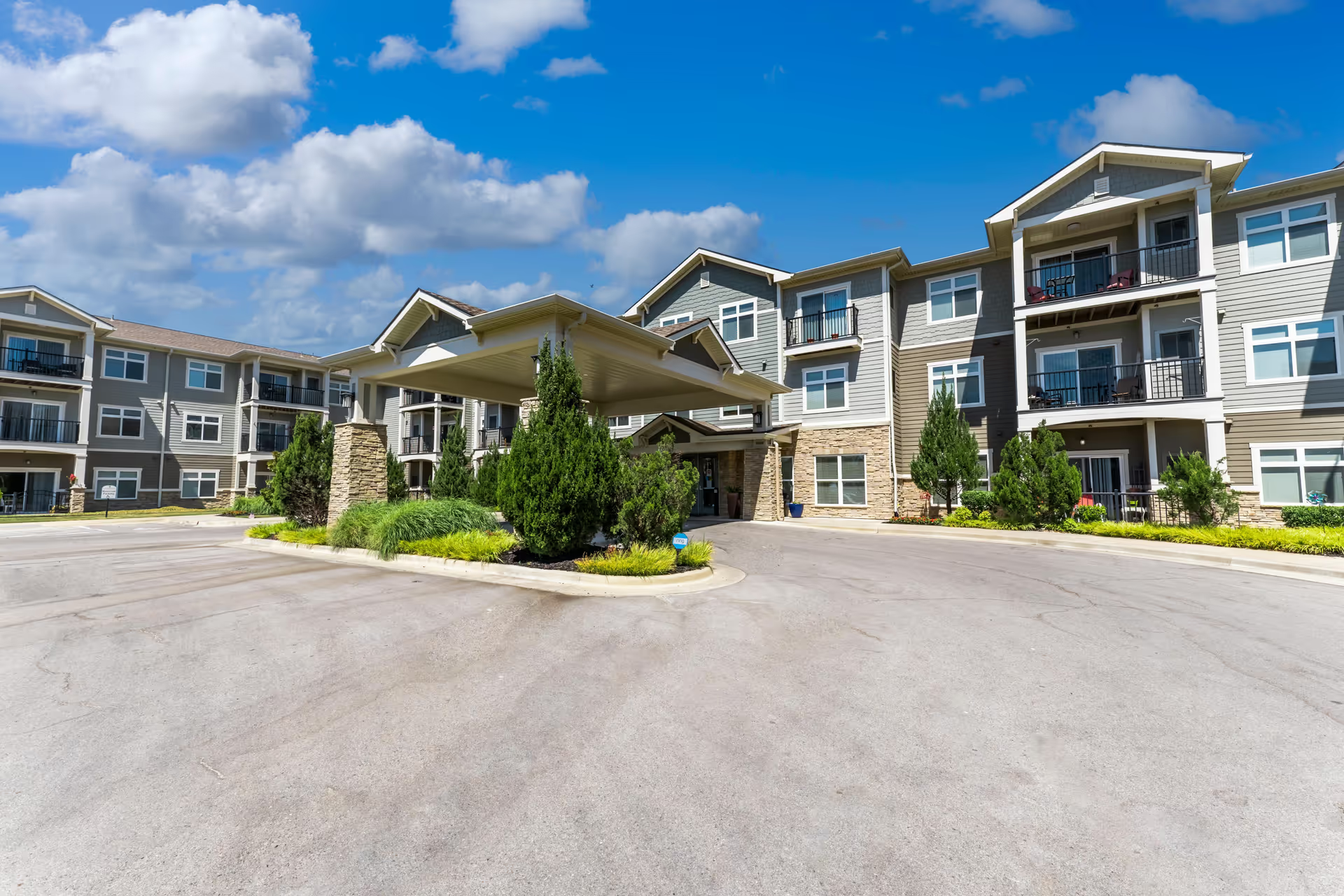
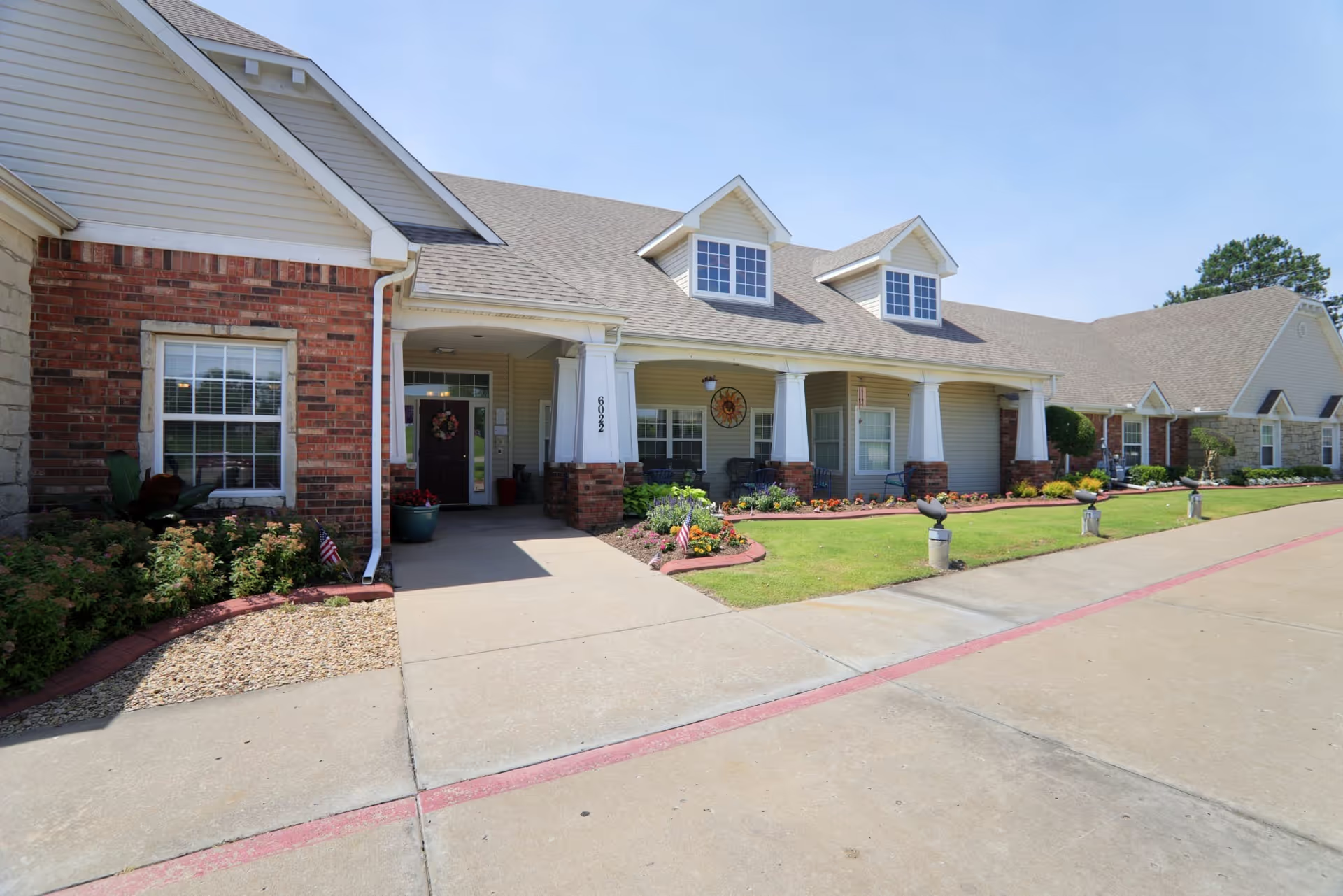
Oxford Glen Owasso presents as a modern, well-kept, small-scale memory-care community with several environmental strengths. Reviewers consistently describe an attractive, recently built interior, ample resident rooms, and secure dementia-care design elements such as rooms opening into a central area and accessible outdoor spaces including a garden and courtyard. Many accounts emphasize positive atmosphere markers: residents who appear content, orderly dining presentation, regular lunch outings, and daily indoor group activities that some families find engaging.
Care quality observations are mixed. Positive comments highlight attentive, knowledgeable caregivers and staff who are accommodating and communicate clearly at times. However, a persistent theme is staffing instability: chronic understaffing, frequent staff turnover, and variability in staff attentiveness. These operational patterns have been associated with delays in basic assistance (including toileting and feeding support), inconsistent incident cleanup and sanitation, and concerns about ongoing monitoring that have included multiple falls. There are also concrete concerns about medication-administration controls, including documented medication errors and at least one allergy-related medication event, indicating a need for stronger clinical safeguards.
Dining and nutrition were described both positively and negatively. The facility's meal presentation and dining-room setup receive favorable notes, and families appreciate off-site lunch outings. Conversely, there are accounts of unreliable food provisioning, reduced portions, and occasional shortages. These inconsistencies suggest procedural gaps in meal planning and supply continuity that may affect residents' nutritional experience.
Activity programming and use of amenity space show uneven performance. While daily indoor activities and social outings exist, several reviewers felt daytime programming was insufficiently tailored for memory-care residents, with outdoor areas underutilized and many residents spending long periods watching television. For some families the small, memory-care–only model was appropriate; for others it did not meet the specific clinical or social needs of their loved one.
Facility management and operational practices appear to be the core area for improvement. Persistent staffing shortages and turnover, inconsistent housekeeping protocols, gaps in personal-item management, and uneven family communication (including limited follow-up after critical events) point to systemic process weaknesses rather than isolated incidents. Where the facility performs well—cleanliness, aesthetics, and some strong caregiving interactions—those strengths are undermined by variability in daily operations and clinical controls.
For prospective residents and families: Oxford Glen Owasso may be a good fit for those seeking a small, modern memory-care environment with pleasing common areas and attentive staff when staffing levels are stable. Families should explicitly discuss current staffing ratios, turnover mitigation strategies, medication-safety protocols, fall-prevention measures, toileting and incontinence-care procedures, meal-supply contingency plans, and the facility's approach to family communication and follow-up before making a placement decision.