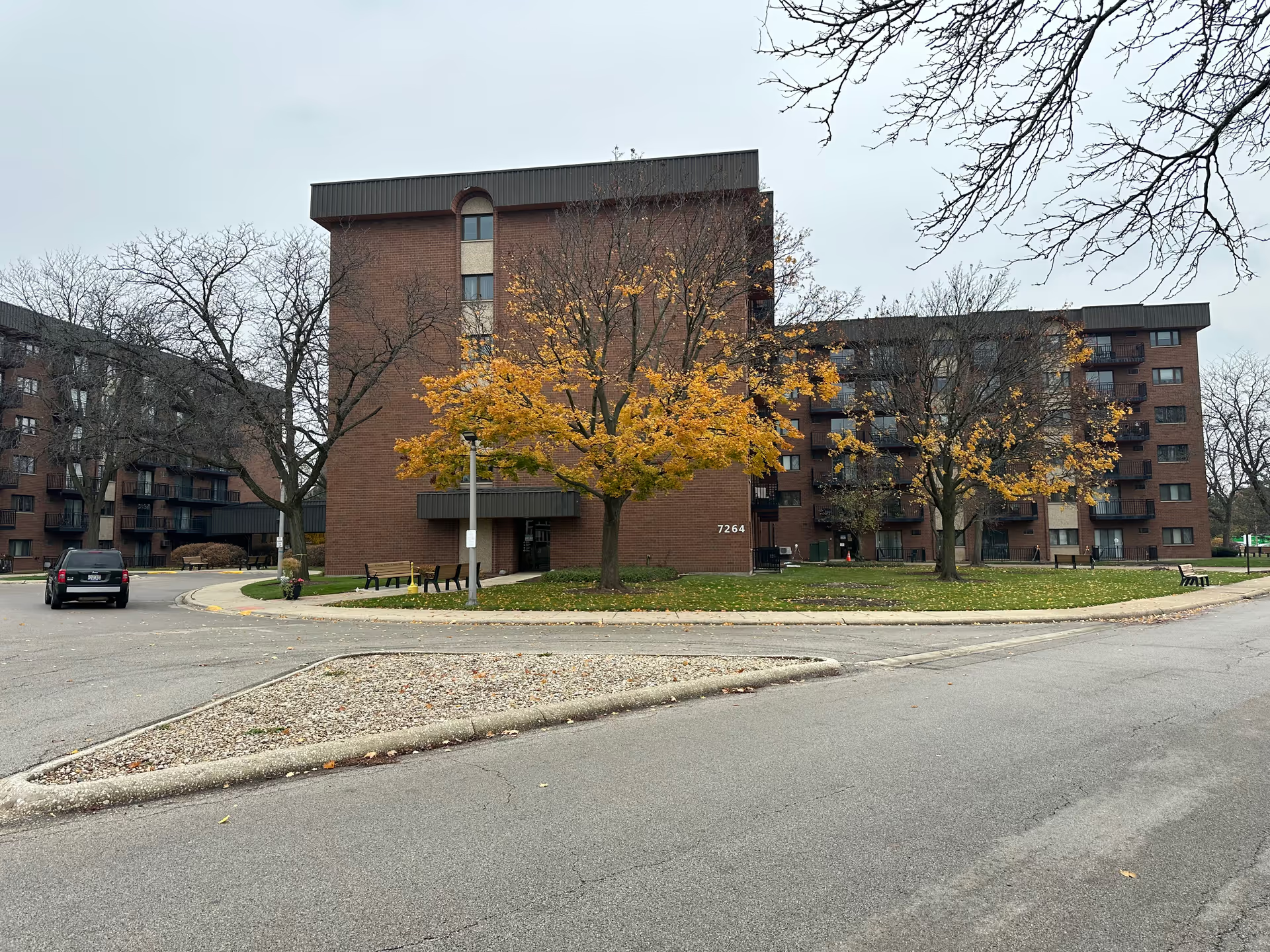
Alden Estates of Northmoor presents a mixed but generally positive profile with clear operational strengths and several recurring operational weaknesses that warrant careful inquiry during a tour. The physical plant is frequently praised: the building is described as newer and clean with a hotel-like ambiance, generous common spaces, a larger-than-average fenced patio and outdoor areas, and dedicated activity, therapy, and exercise areas. The dining room model (meals served from a kitchen rather than on carts) and an active events calendar are commonly cited as amenities that support resident quality of life.
Clinical and rehabilitative services are a marked strength for many families. Review content highlights strong physical-therapy and rehabilitation programming, thorough wound and post-surgical care, effective medication administration in numerous cases, and proactive family updates. Several accounts emphasize respectful treatment and that residents receive attentive medical oversight, particularly on certain units and shifts. Concurrently, there is notable variation: care quality appears to be uneven between units and across shifts, creating a variable experience depending on timing and staffing.
Staffing and staff-related themes are a prominent source of divergence. Many reviews commend compassionate, helpful CNAs, nurses, therapists, and engaged leadership — several staff members and administrators receive specific praise for responsiveness and advocacy. However, a contrasting pattern includes complaints about understaffing, delayed responses to call lights, perceived lapses in monitoring, and language or training gaps that affect consistency of care. High turnover and allegations of favoritism or insufficiently structured supervision are mentioned and may contribute to uneven resident experiences.
Dining, activities, and day-to-day life show similar contrasts. The chef, dining atmosphere, and regular programming (library, games, birthday events, exercise classes) are frequently cited as positive. At the same time, reviewers cited inconsistent meal quality or temperature on occasion and limited off-site outing options. Cleanliness and incontinence-care practices are generally acceptable in many descriptions but are flagged as inconsistent in some accounts, indicating variability in housekeeping and direct-care routines.
Management and communication present an ambivalent picture. Many families describe administrators and social workers as proactive, communicative, and easy to reach. Conversely, others report front-desk and social-services communication breakdowns, nonworking phone lines, and delays in meaningful feedback to families. A small number of reviews raise serious clinical and care-management concerns—including medication-management and safety-monitoring issues—that should be investigated directly with leadership and through review of policy and oversight practices.
Taken together, the pattern suggests Alden Estates of Northmoor can deliver strong rehabilitative and compassionate care in a well-appointed facility, but experiences are inconsistent and appear sensitive to staffing, shift, and unit. Prospective residents and family members should consider an in-person visit that specifically assesses current staffing ratios, call-response times, medication and wound-care protocols, sanitation and incontinence-care procedures, staff training/language support, and the facility’s communication systems. Asking for recent staffing metrics, clinical oversight protocols, and examples of activity/outings calendars can help clarify whether the facility’s operational performance aligns with a family’s expectations and needs.