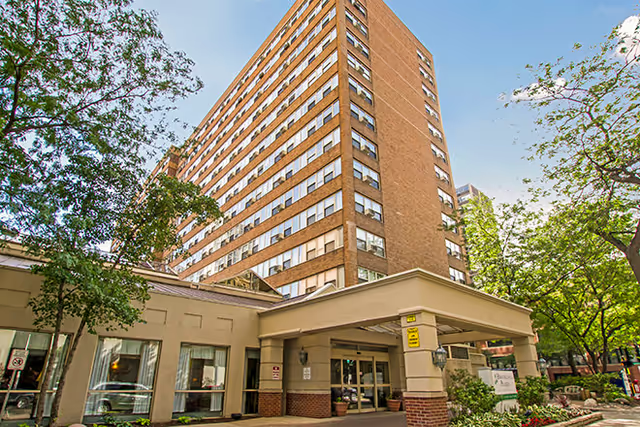
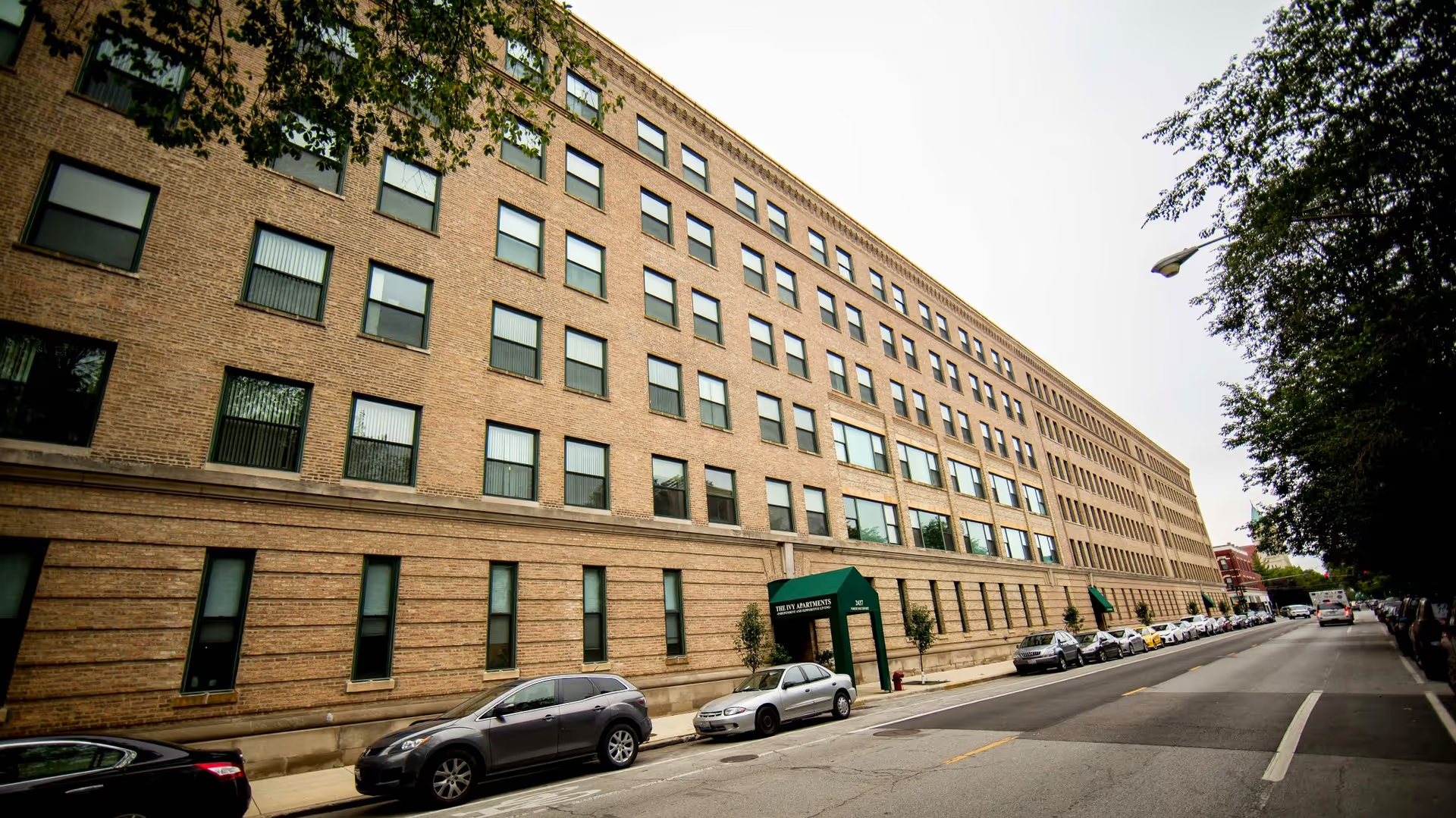
The reviews for Carlton at the Lake describe a facility with a mix of notable strengths and recurring operational weaknesses. Strengths most consistently mentioned include a desirable lakefront location and convenient transit access, private rooms with in-room amenities (TV, mini-fridge, shower), and examples of highly capable clinical staff—particularly in nursing and rehabilitation. Several reviews singled out individual clinicians for excellent care and the night nursing team received specific praise; many families described a warm reception experience and a home-like atmosphere when interactions were positive.
Clinical quality appears uneven. Multiple accounts describe skilled, timely nursing and strong wound and therapy care that enabled successful discharges and recoveries; at the same time there are repeated concerns about staffing shortages, high turnover, and CNAs being overextended. These staffing pressures are linked to delays in attending to residents, inconsistent bathing and incontinence-care schedules, and variability in medication administration timeliness. Prospective families should note this mixed pattern: some residents receive attentive, on-time care, while others experienced delays and gaps in basic assistance during periods of low staffing.
Environmental and facilities issues are another consistent theme. Positive remarks about remodeled or clean rooms coexist with sanitation concerns in certain rooms and common areas, odor concerns, and pest-control concerns in some units. Rooms are frequently described as smaller and somewhat outdated with limited storage, and maintenance problems (loose fixtures, falling items) were mentioned. There are also multiple comments about missing belongings and restricted access to mail or personal items, indicating gaps in property management and security practices.
Dining and activities are similarly inconsistent. Some families praised the dining experience and daily activities; others criticized food quality, use of disposable containers, limited menu transparency, and an over-reliance on processed items. Activities and social programming are available but have been characterized as insufficiently engaging by some reviewers. Rehabilitation services and therapy teams, by contrast, receive many favorable mentions for helping residents regain function and return home.
Communication, management responsiveness, and culture are polarized in the reviews. Several accounts describe helpful, accommodating front-line staff and administrators who have enacted positive changes; others describe defensive or unresponsive management, poor handoffs, and communication breakdowns with families. There are also serious, individual-level allegations (including discriminatory conduct and concerns about financial handling) and calls for external inspection in some accounts, which prospective families may want to investigate further with regulatory and licensing records.
Bottom line: Carlton at the Lake shows clear strengths in location, certain clinical and therapy staff, and some aspects of hospitality and amenities. However, persistent issues around staffing stability, sanitation and pest control, inconsistent dining, variable therapy interactions, and weaknesses in management communication create a mixed overall picture. Families should schedule a focused visit to observe staffing levels, review recent inspection and pest-control records, ask for current staffing ratios and medication-administration protocols, inspect a prospective room, and seek specific examples of recent leadership or quality-improvement actions before making a placement decision.