Reviews present a mixed but clear pattern: Generations Oakton Pavilion is frequently praised for its rehabilitation services, therapy staff, and activity programming, while simultaneously drawing concern for inconsistent operational practices in housekeeping, clinical communication, and some aspects of management. For families and prospective residents the facility appears to offer meaningful strengths in recovery-focused care and social engagement, but also unevenness in day-to-day execution that warrants direct inquiry during a tour.
Care and clinical services: The facility's rehab and therapy capabilities are a consistent strength. Reviewers repeatedly note a professional therapy staff, a large, well-equipped gym, and effective recovery planning. Nursing and CNA staff are often described as helpful, responsive, and attentive; many families reported regular updates and accommodating daily care. However, there are notable concerns about clinical timeliness and specialized-care management, including delayed responses for some needs and inconsistent coordination when residents transition to or from hospitals. These gaps in clinical communication and care-transition coordination are an operational pattern that families should clarify with the team prior to placement.
Staff and management: Staffing presents a dual picture. On one hand, the center benefits from consistent staff tenure and hands-on administrators who engage with families. On the other hand, reviewers describe variability in staff professionalism and responsiveness, with particular concerns raised about night-shift conduct and inconsistent administrative follow-through. There are also statements indicating problems with communication around billing, insurance, and service documentation; additionally, there are allegations of missing personal items that raise property-security questions. Prospective residents should ask about staff training, shift coverage, documentation practices, and security protocols.
Dining and activities: Activity programming is a clear positive—daily schedules and social offerings are frequently described as engaging and recovery-oriented. Dining assessments are mixed: some families praise above-average meals, while others describe inconsistent food quality and service issues. Meal-service reliability and menu consistency should be discussed with dining management, especially for residents with specific dietary needs or expectations.
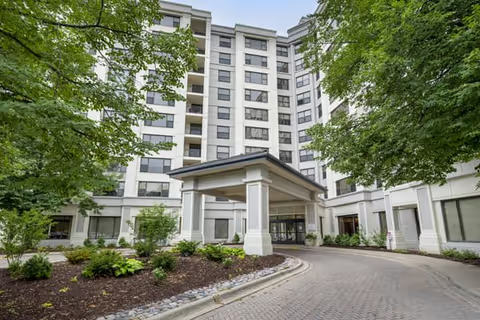
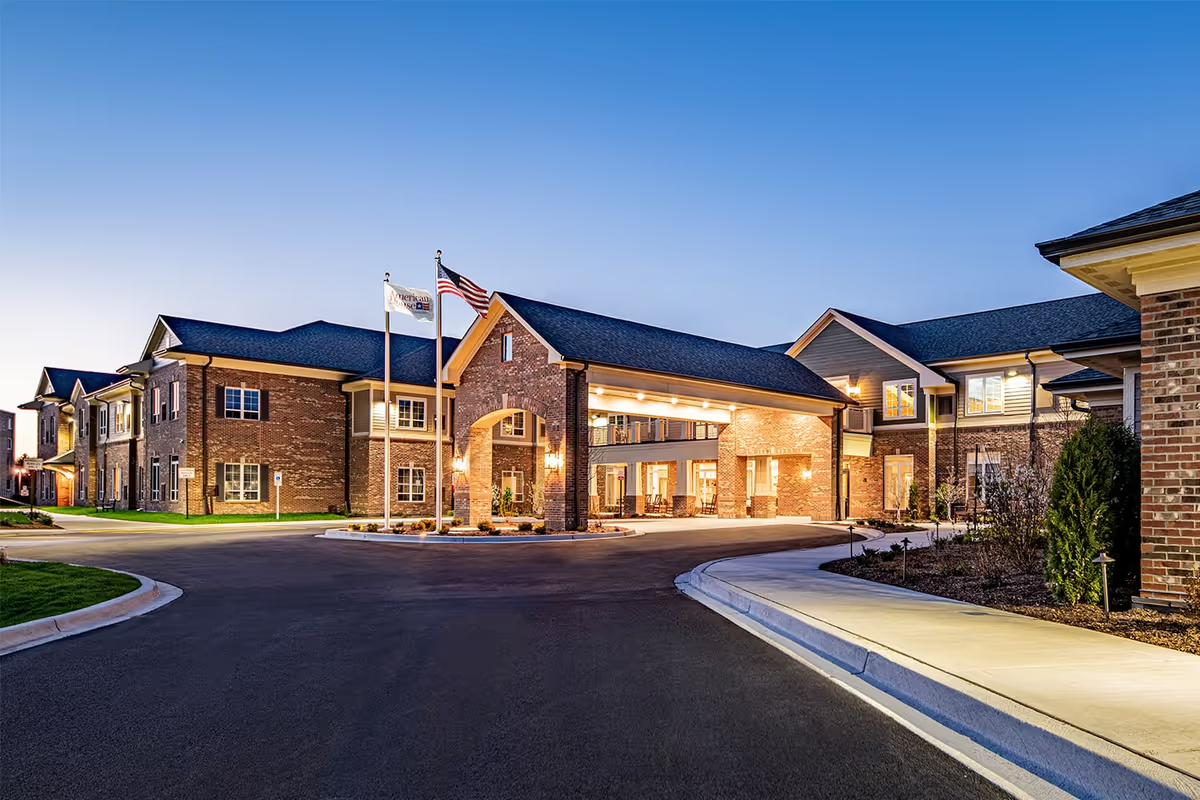
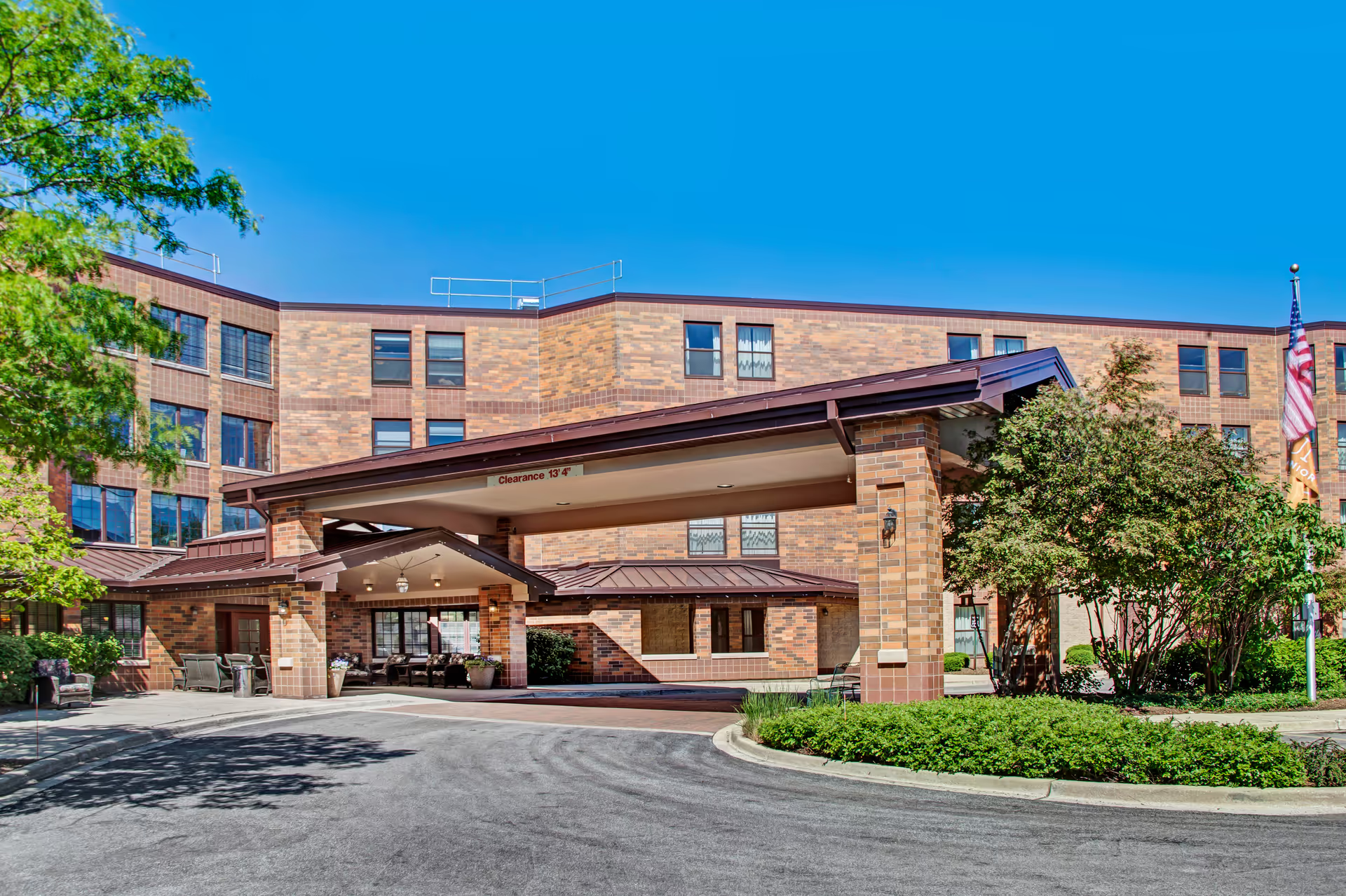
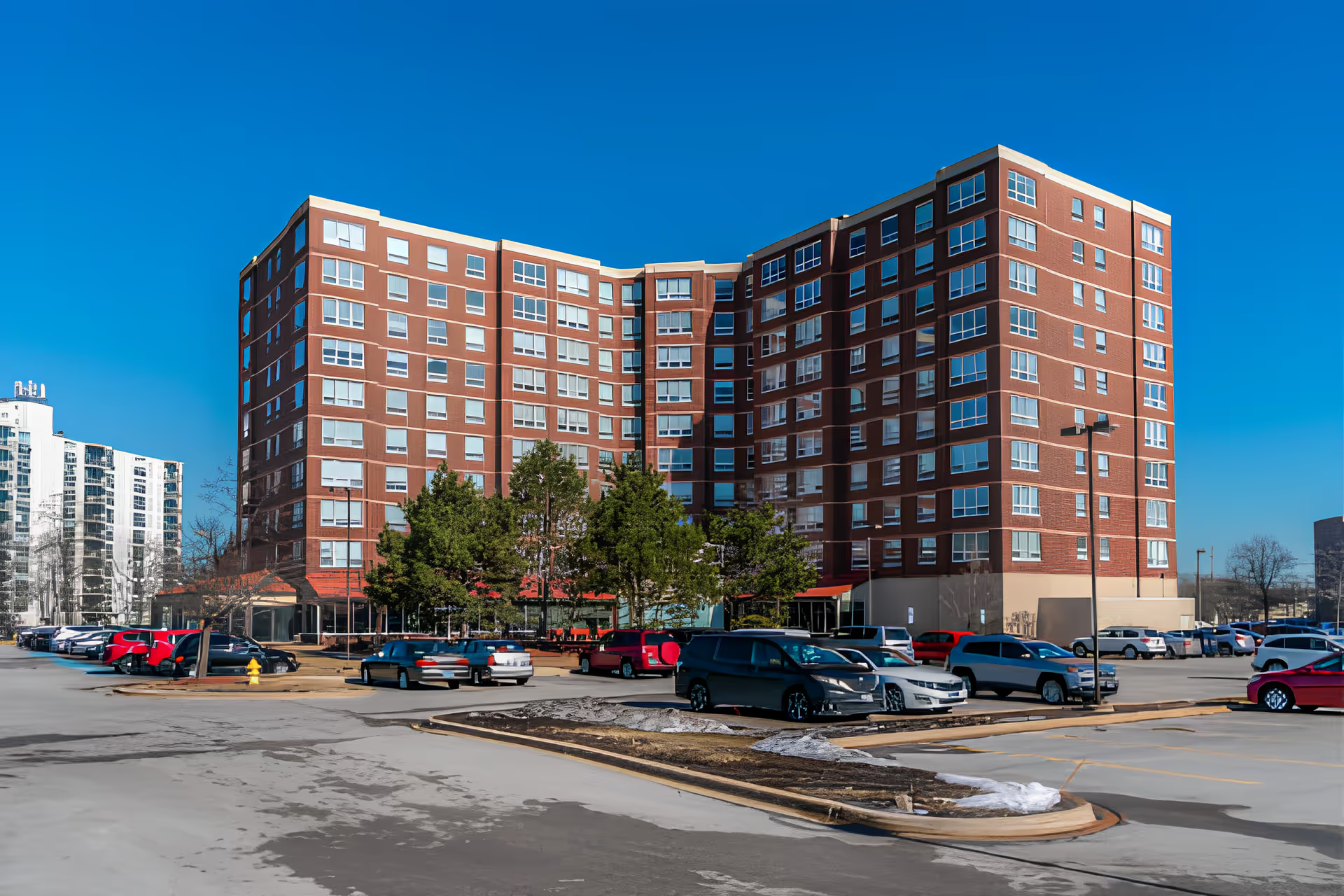
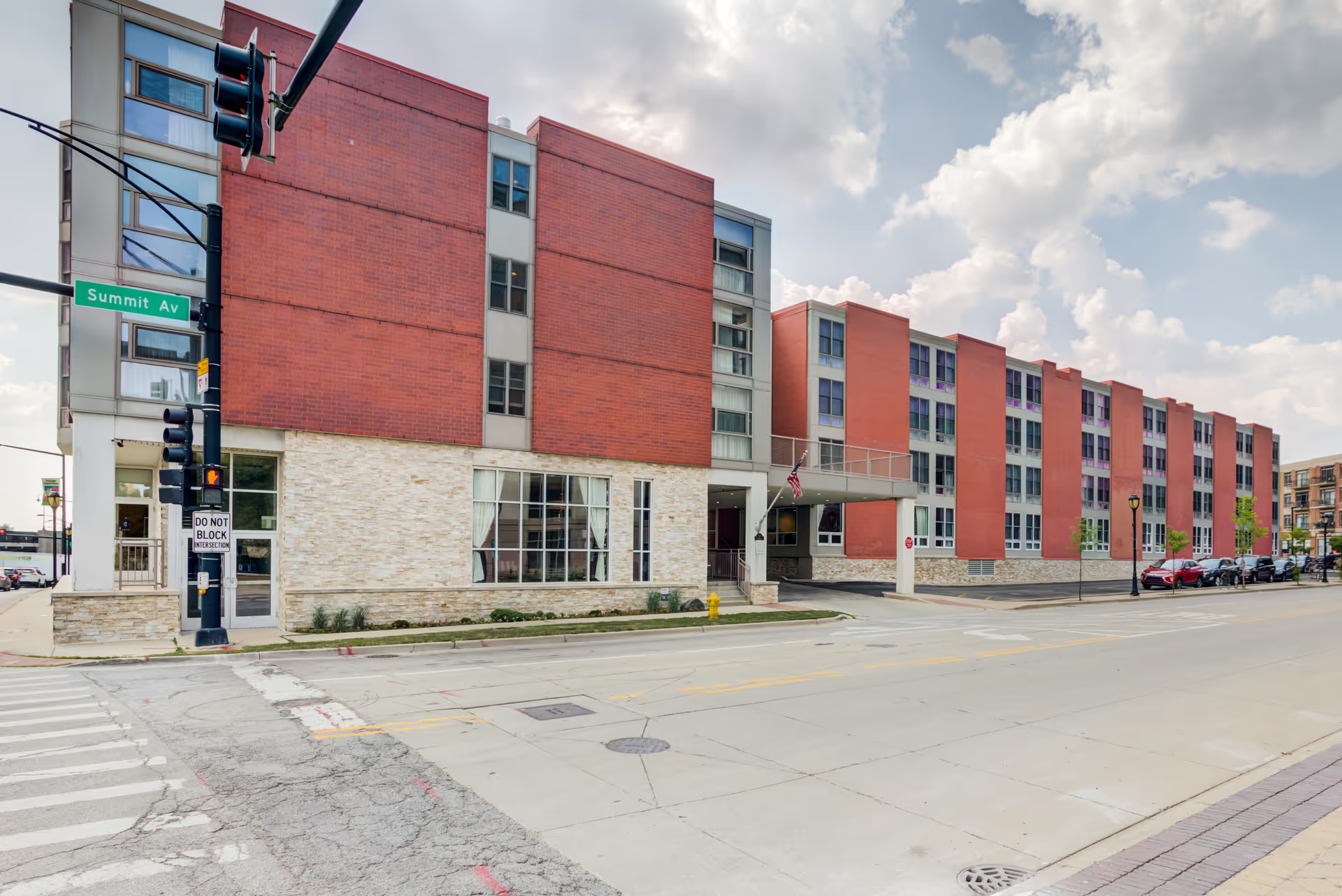
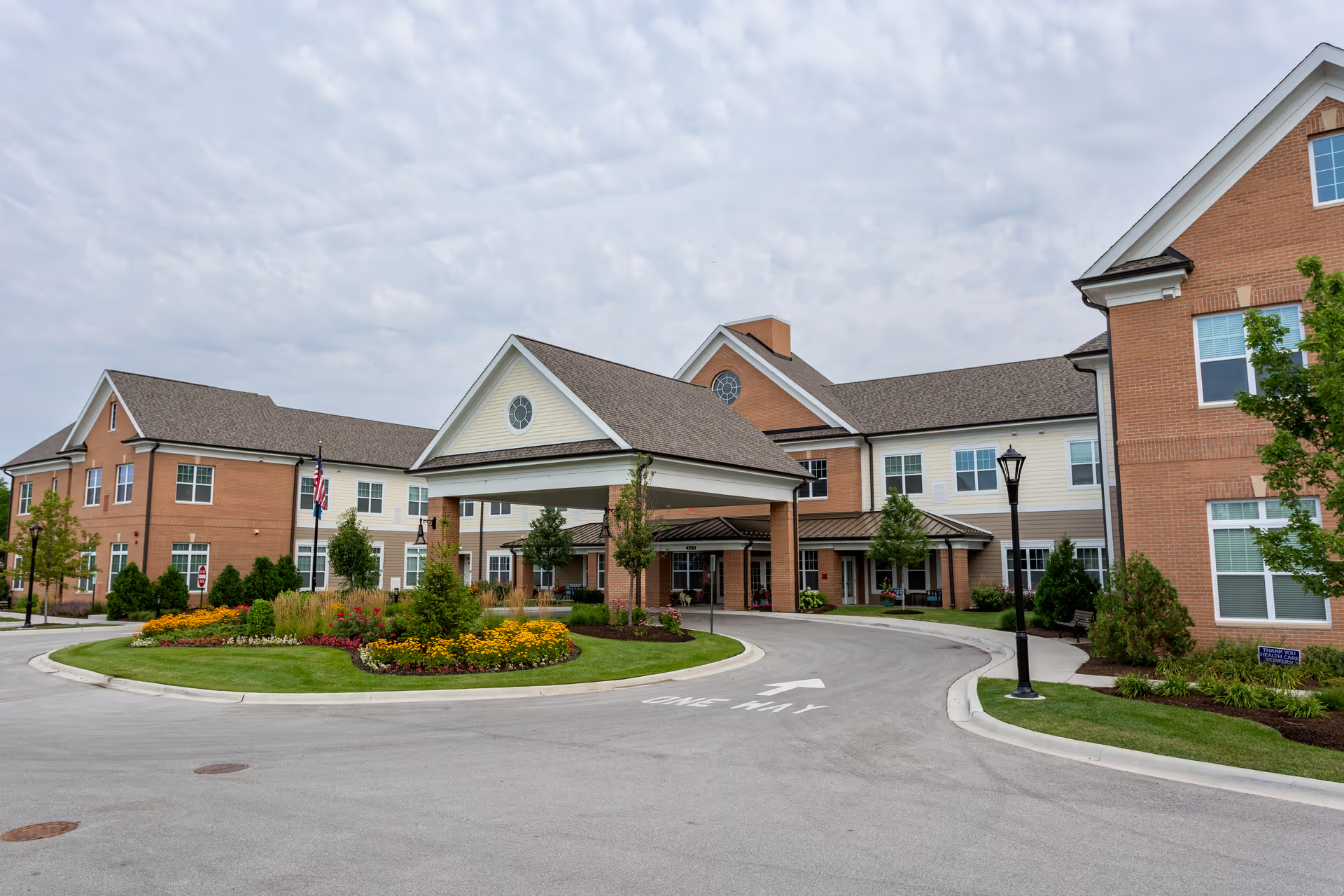
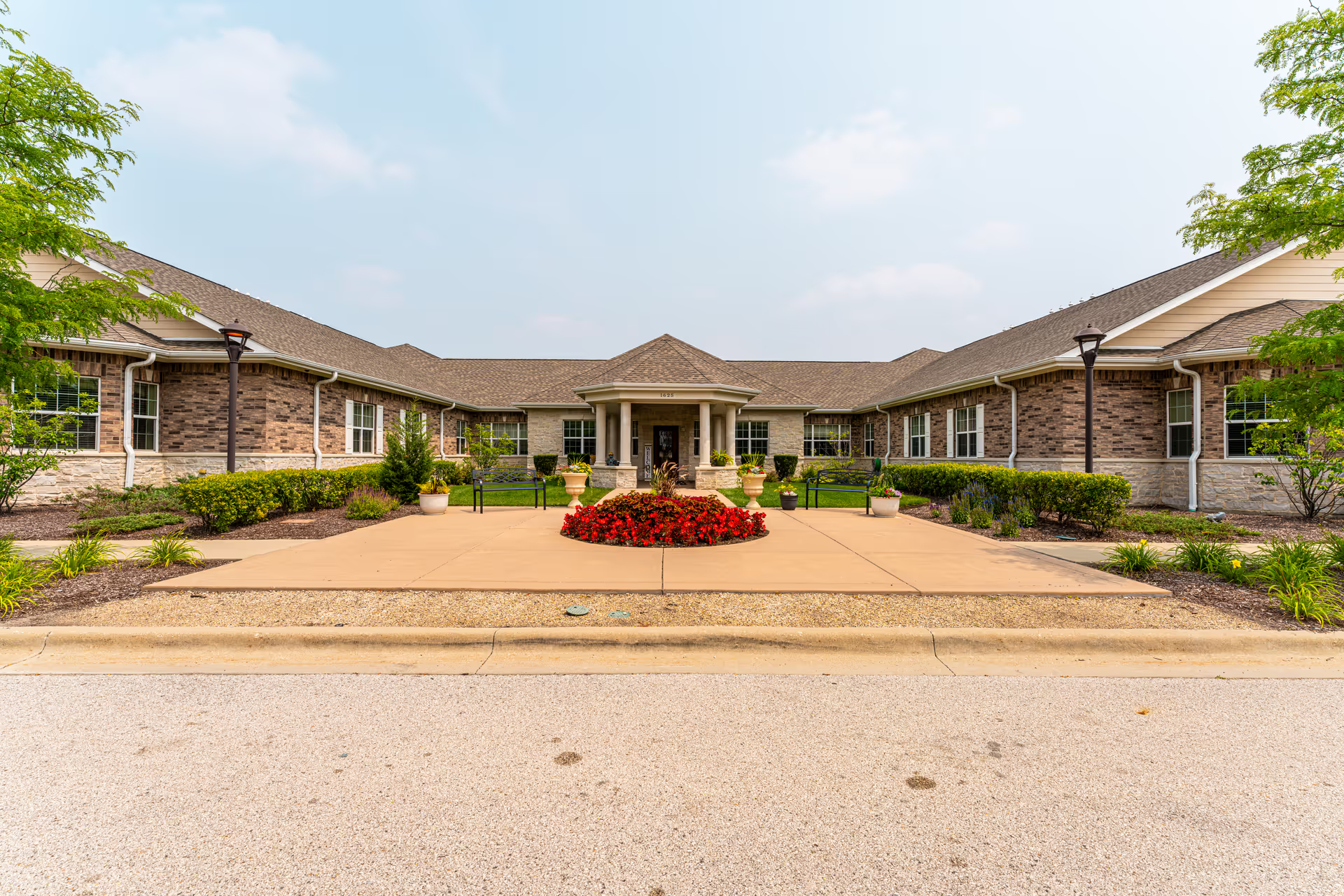
Facilities and environment: The building has a mid-century, institutional character with an attractive outdoor patio, a welcoming lobby and social spaces (including an on-site sports-bar-style area). Resident rooms are generally described as roomy—particularly skilled nursing rooms—but furnishings and decor are modest and occasionally dated. Common areas can feel crowded at peak times, which may affect social comfort for some residents.
Patterns and guidance: The overall pattern suggests a facility well-suited to people whose primary need is skilled rehabilitation and who value active programming and a steady core of caregivers. At the same time, there are operational inconsistencies in housekeeping, clinical handoffs, administrative responsiveness, and property security that potential residents should investigate. Recommended questions for a visit include: specific housekeeping schedules and odor-control protocols; detailed transfer and hospital-notification procedures; documentation of billed vs. delivered therapy; policies on personal-property security; and current staffing and leadership engagement. Reviewing recent inspection and complaint records, and speaking with families of current residents, can help clarify whether the facility’s strengths are consistently delivered for an individual’s needs.