Reviews of Grove of Elmhurst present a mixed picture: many accounts praise individual staff members and certain operational elements, while other comments describe recurring operational and environmental weaknesses. The facility appears to have pockets of strong, compassionate caregiving—families and residents frequently highlight nurses, CNAs, therapists, and social-work staff who provide attentive, personalized support. On-site rehabilitation services, active group programming, and dining options that accommodate texture-modified diets are cited as positive features. Practical advantages include Medicaid acceptance, affordable pricing for some, easy parking, and a memory-care unit that some reviewers view as comparatively better maintained.
Care quality shows notable variation. Several reviews describe excellent, individualized care and effective therapy that supported recovery and independence. At the same time, there are consistent concerns about staffing instability, including heavy use of agency personnel, which reviewers associate with delays in call-light response and uneven caregiving. There are also recurring reports of therapy cancellations or delays and breakdowns in transfer communication; these suggest gaps in rehabilitation continuity and transfer-safety practices that prospective families should clarify during a tour. A small number of reviews reference serious clinical incidents and concerns following a resident's death, and others describe communication lapses when clinical issues arise; these point to the need for clearer escalation and family-notification protocols.
Dining and activities receive mixed feedback. Many residents enjoy the food, group meals, and music programming, and some units are described as socially active with well-run activities. Conversely, other reviewers describe inconsistent meal quality and service interruptions, along with limited engagement in certain units where residents spend time with little to do. Prospective families should ask about current activity calendars and how dietary needs are managed.
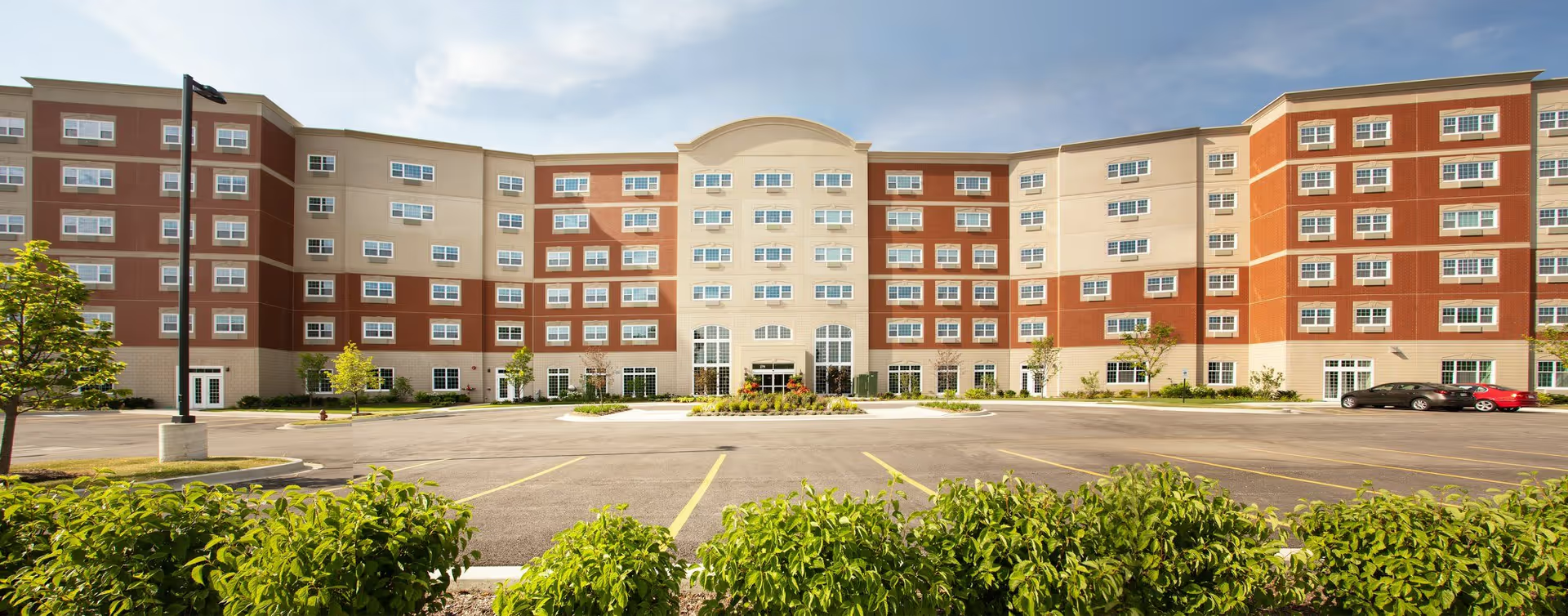
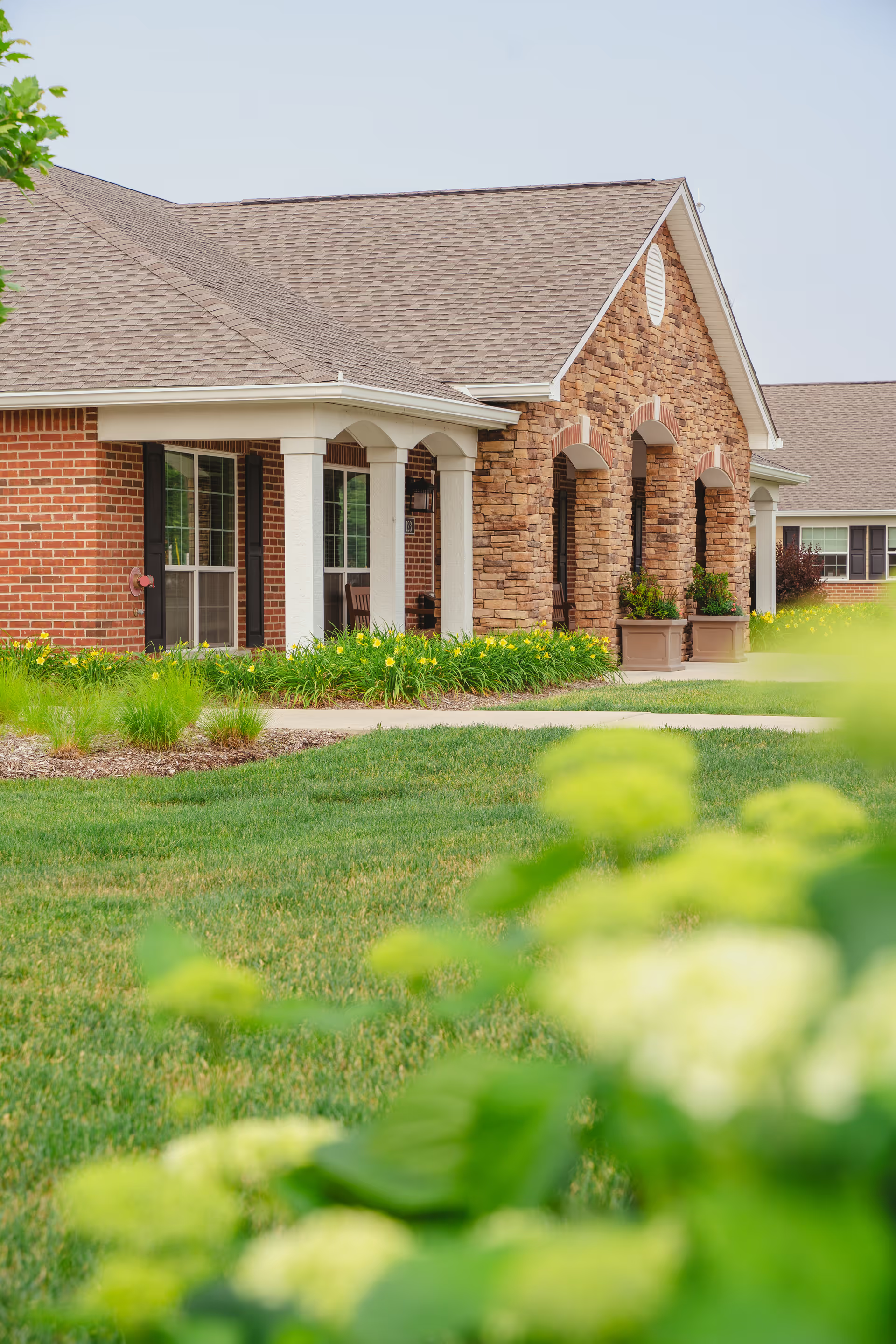
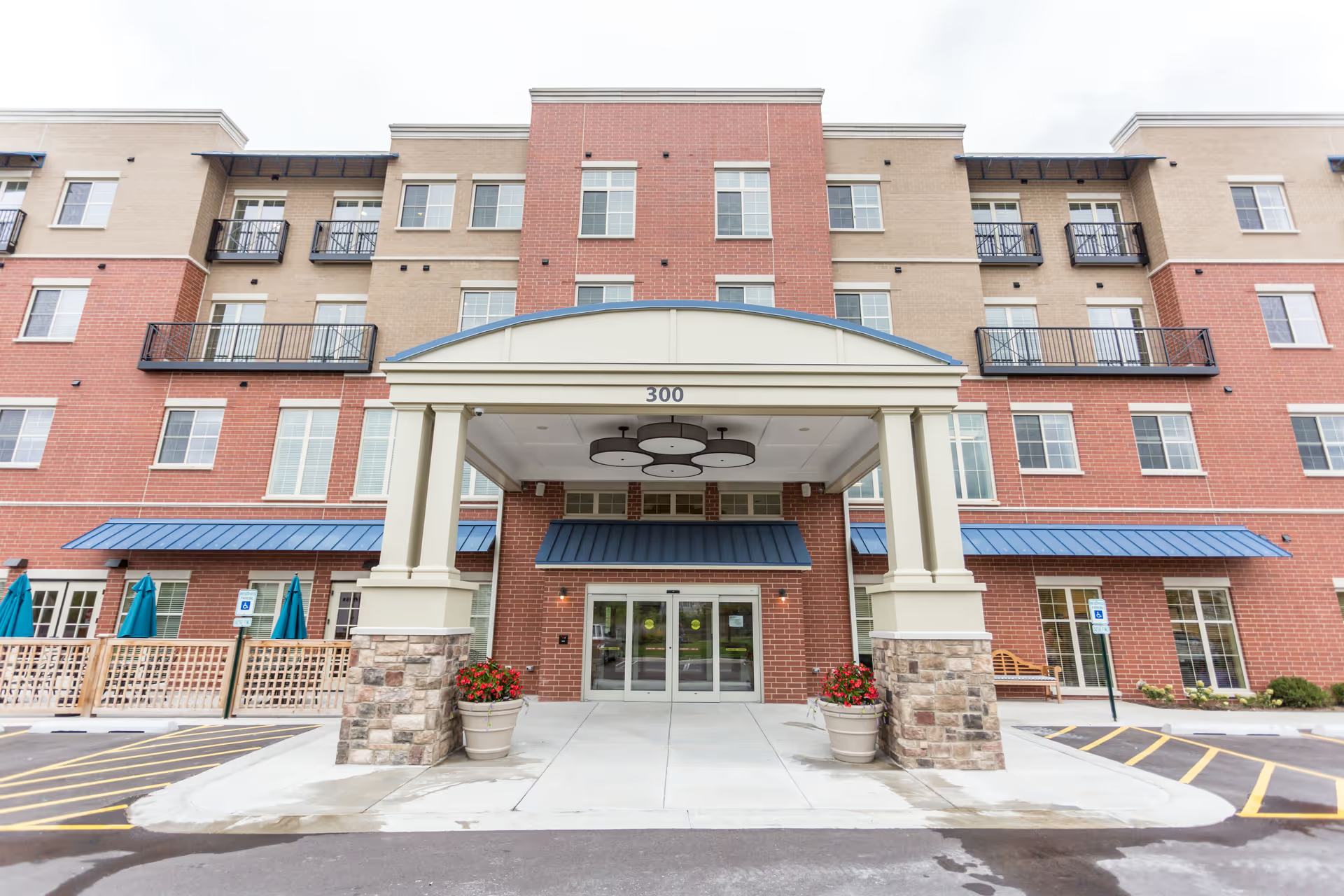
Facility condition and sanitation vary by unit. Some rooms and areas are described as clean and well maintained, and housekeeping efforts are noted positively. However, other reviewers express sanitation and odor concerns in particular areas, along with pest-control issues and an institutional, dated building appearance in places. Room configurations include multi-bed wards in some units, which may not meet expectations for privacy; private-room availability appears limited.
Management and operations show a split pattern: some reviewers praise responsive admissions staff and clear communication about Medicare options, while others report scheduling problems, last-minute staff cancellations, and perceived administrative focus on finances over clinical concerns. Concerns about resident property security and isolated allegations of theft have also been raised and should be addressed directly with leadership.
Overall pattern: Grove of Elmhurst appears to offer strong caregiving in pockets—especially from dedicated nurses, CNAs, therapists, and social-service staff—but also demonstrates facility-level operational weaknesses that affect consistency of care and the resident environment. Families considering this facility should arrange a detailed tour of the specific unit they would use, ask about current staffing ratios and agency usage, review recent sanitation and pest-control actions, inquire about activity programming and private-room availability, and request examples of the facility's incident-escalation and family-communication procedures.