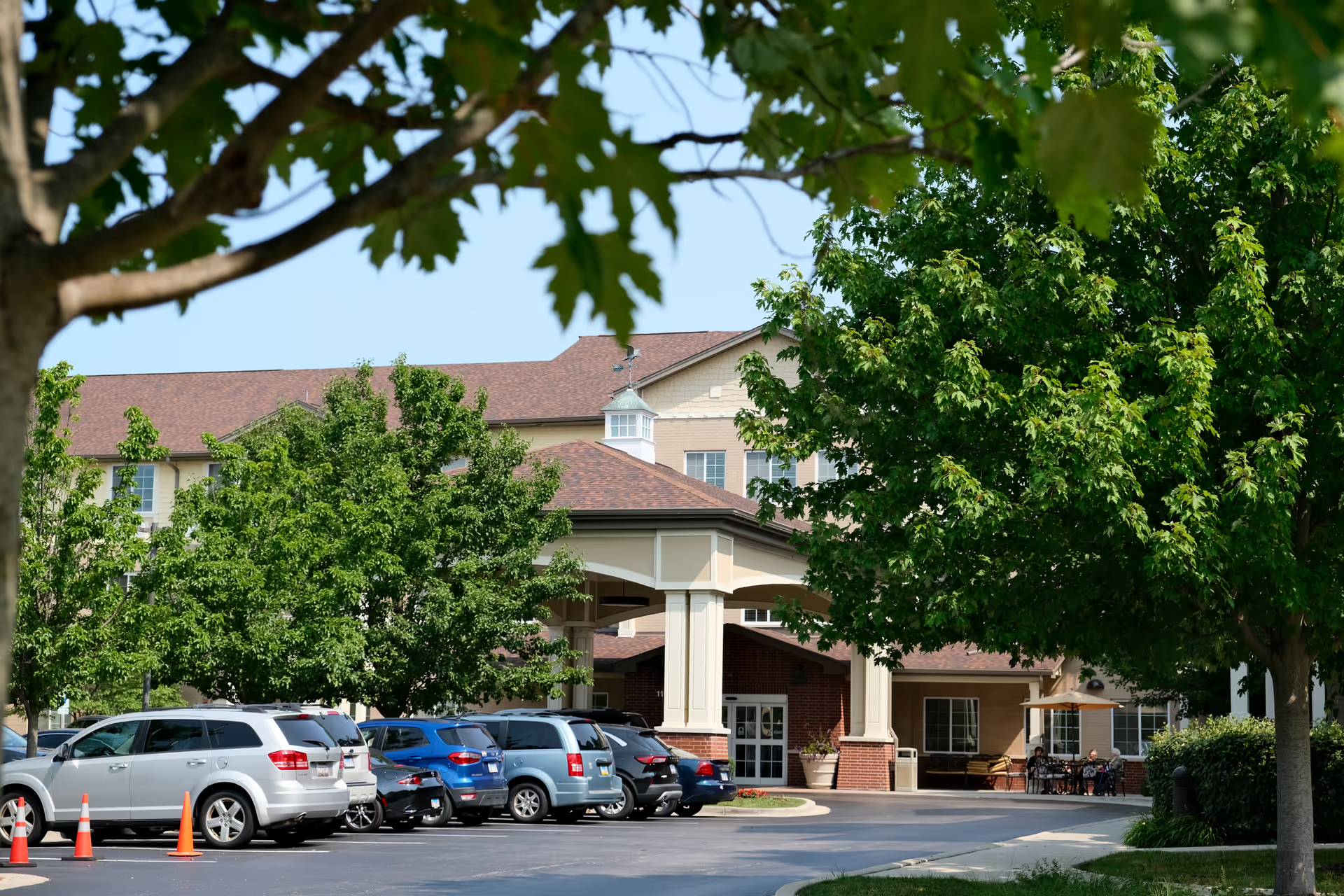
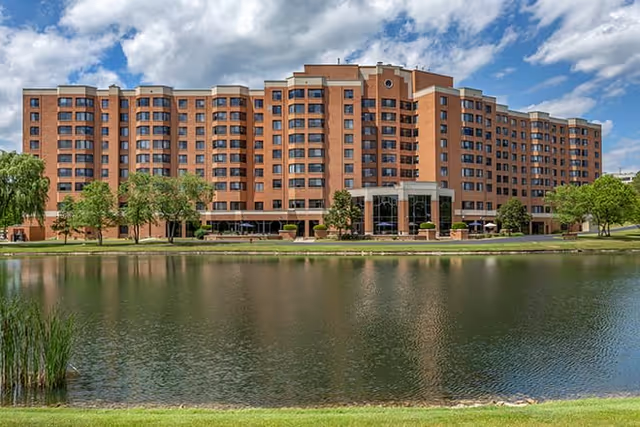
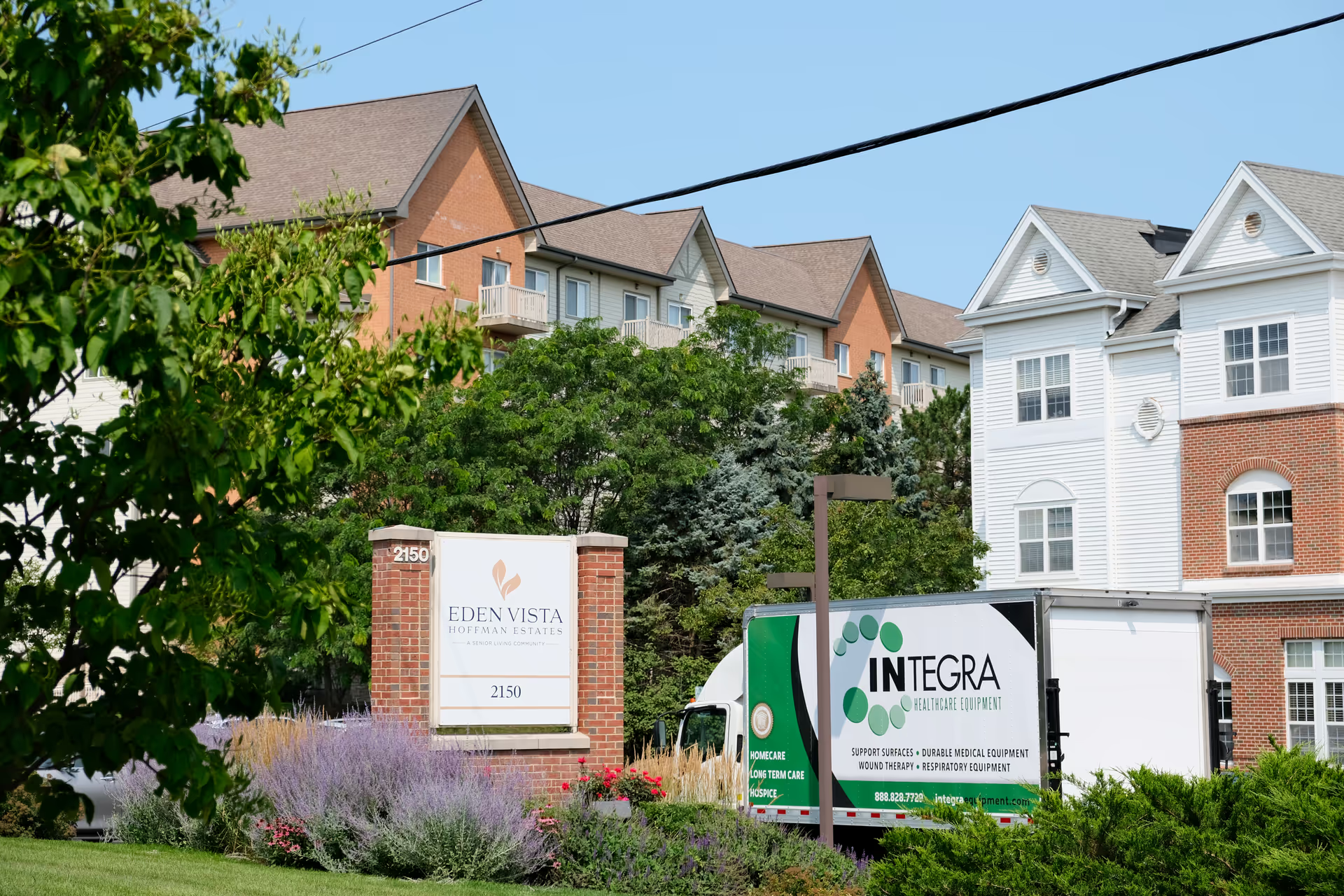
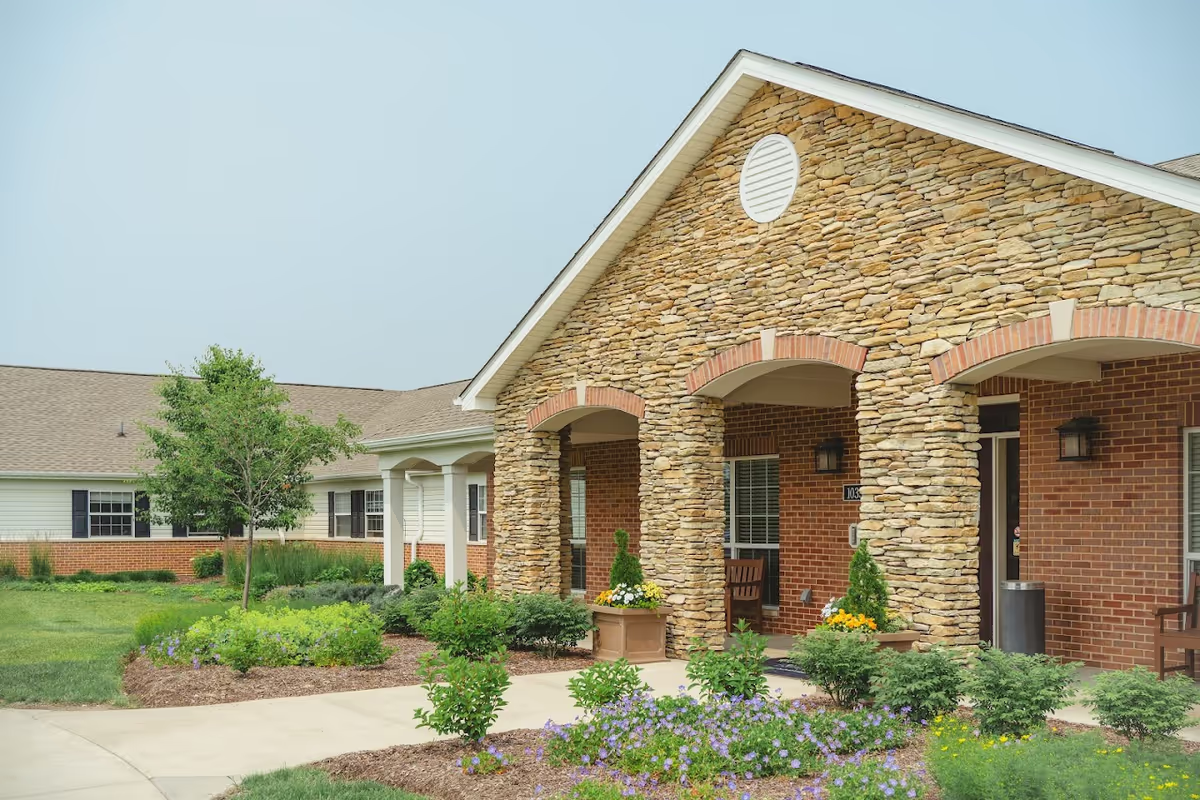
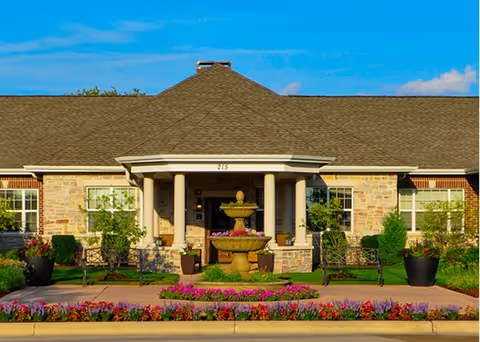
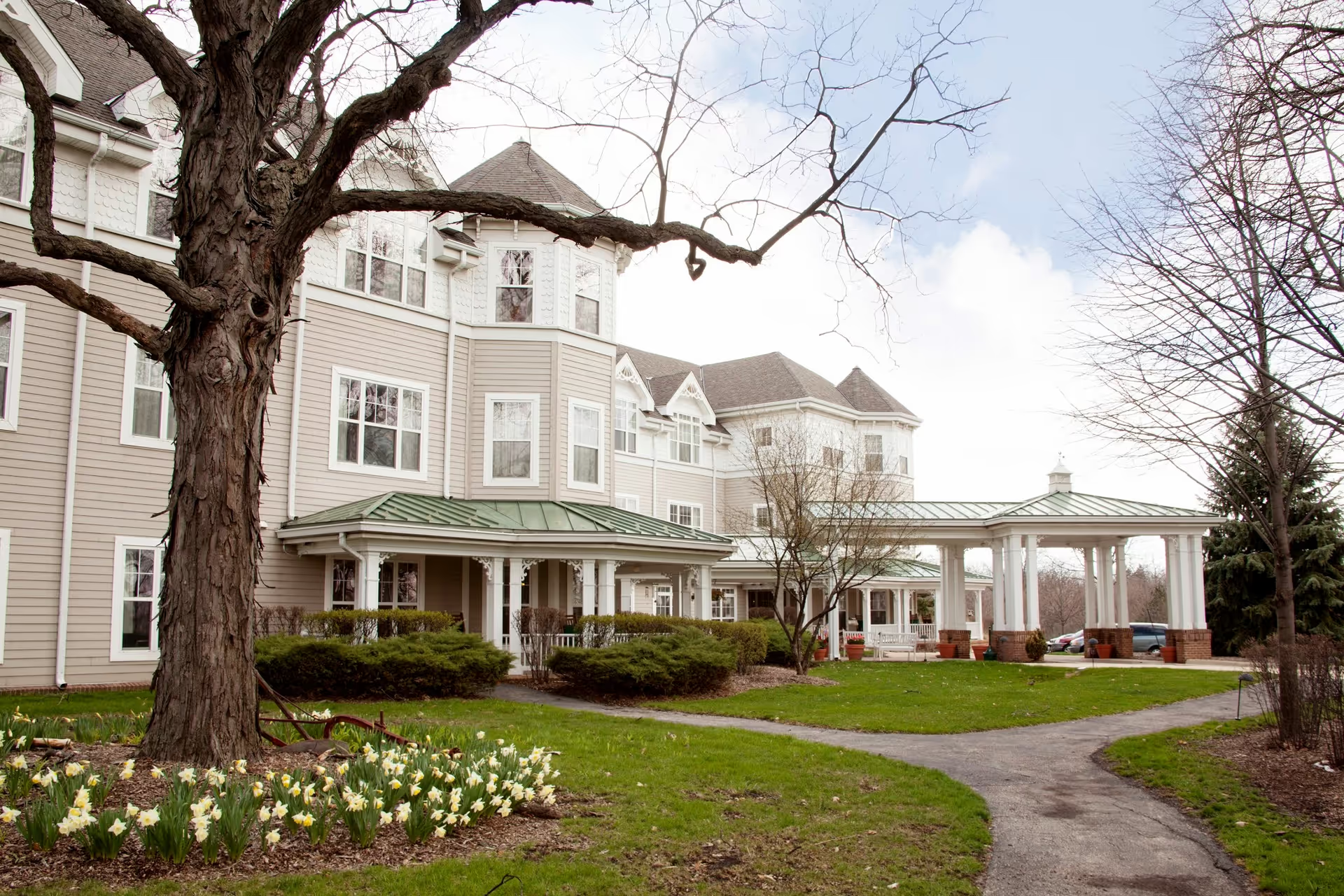
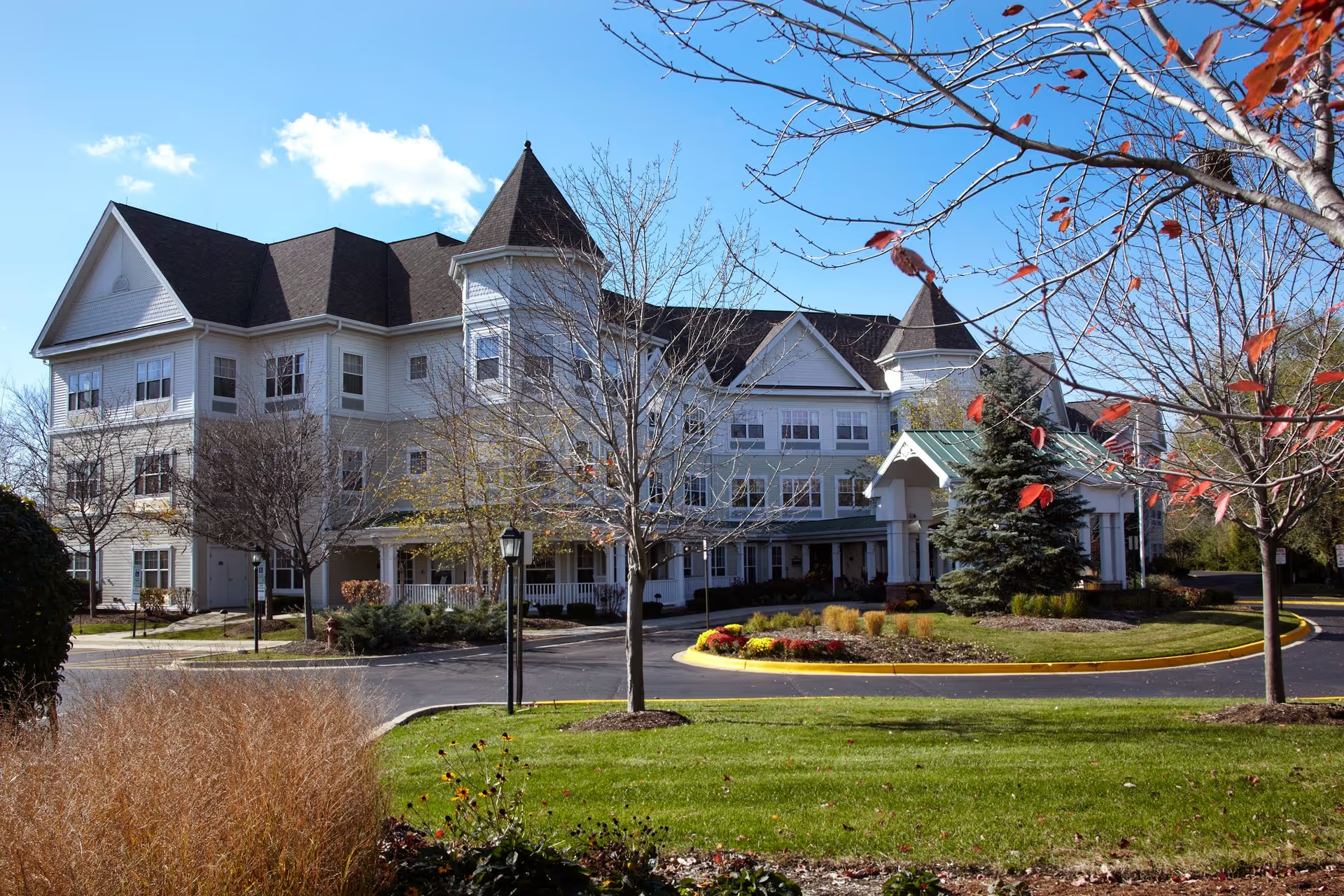
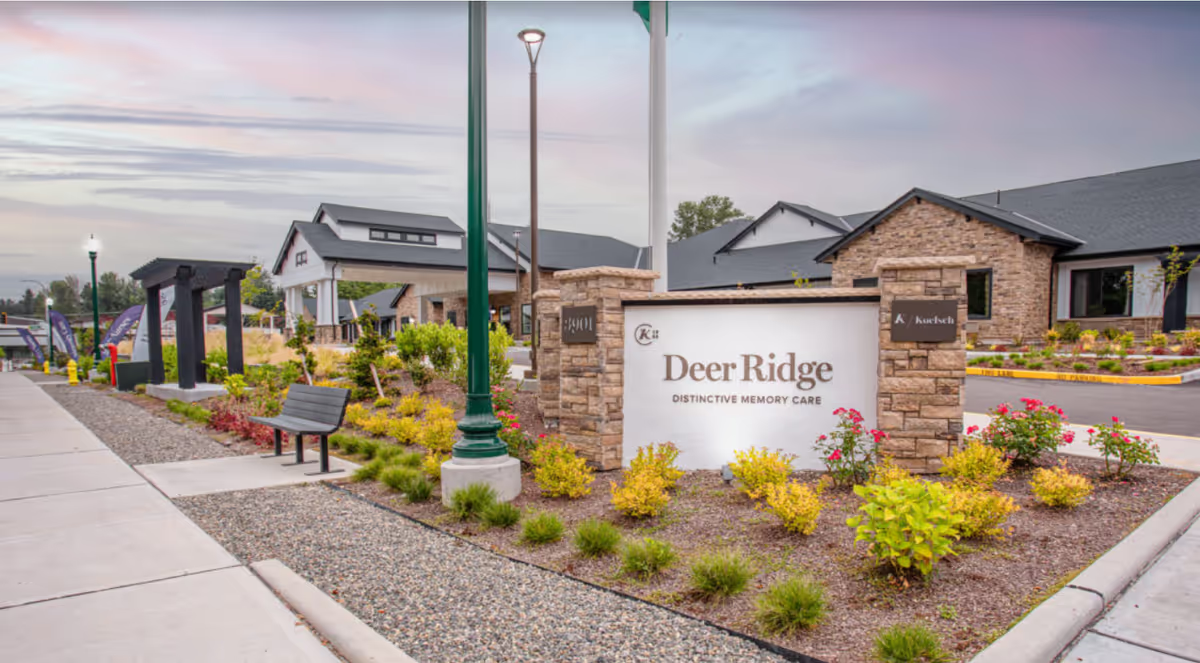
Bella Terra Streamwood presents a mixed operational profile. Many reviewers praise the facility's physical environment: interiors are frequently described as clean and well maintained, common areas are bright and cheery, and the grounds are landscaped and orderly. The facility offers a range of room types (shared and private/semi-private), accepts a broad set of insurance plans, and has an on-site therapy area described as well equipped. Families and residents commonly note friendly, helpful staff and positive resident–staff social interaction.
Care quality shows strengths and variability. Reviewers highlight the presence of skilled nursing staff, coordination with primary care physicians, and the availability of a wound nurse in some cases. Therapy services receive generally positive mentions, though reviewers also describe the therapy area as limited in capacity, suggesting a difference between equipment quality and usable space. At the same time, there are repeated operational concerns: slow nurse response times to call systems, inconsistent adherence to physician orders and care plans, and uneven performance among CNAs and other direct-care staff. There is at least one serious individual allegation regarding wound management; prospective families should inquire directly about incident-reporting practices and oversight protocols.
Dining and nutrition receive mixed feedback. The dining model and presentation (buffet-style) are noted, but several reviewers describe inconsistent food quality, cold or bland meals, and unsatisfactory interactions with nutrition staff in some instances. Kitchen-staff communication and customer-service tone are described as uneven, though some staff have been highlighted for resolving issues promptly when escalated.
Activity programming and social engagement appear present but not uniformly robust. Some residents are described as active with regular staff interaction, while others and family members report limited cognitive-stimulation offerings and underutilized activities — a point to probe further if specialized memory-care engagement is a priority.
Facility layout and amenities present trade-offs. The building is large, which some reviewers find hard to navigate; outdoor spaces are maintained but considered small relative to the building footprint, and communal seating can be limited. Private-room availability exists, but shared rooms (two- or three-person) are also used, which can affect privacy and in-room amenities. Housekeeping responsiveness is generally praised, yet sanitation and odor-control inconsistencies in particular areas have been raised, indicating variability in environmental services.
Management and operational patterns warrant careful review by prospective residents and families. Reviewers describe a perceived emphasis on occupancy, and there are repeated themes around inconsistent communication and responsiveness from various departments. For due diligence, ask facility leadership about staffing ratios, average call-response times, wound-care and incident-reporting procedures, dining temperature and quality controls, activity schedules (including memory-care programming), and policies on private-room availability. Observing care during different shifts and mealtimes and speaking with current families can help clarify whether the strengths described are consistently delivered and whether the operational concerns have been addressed.