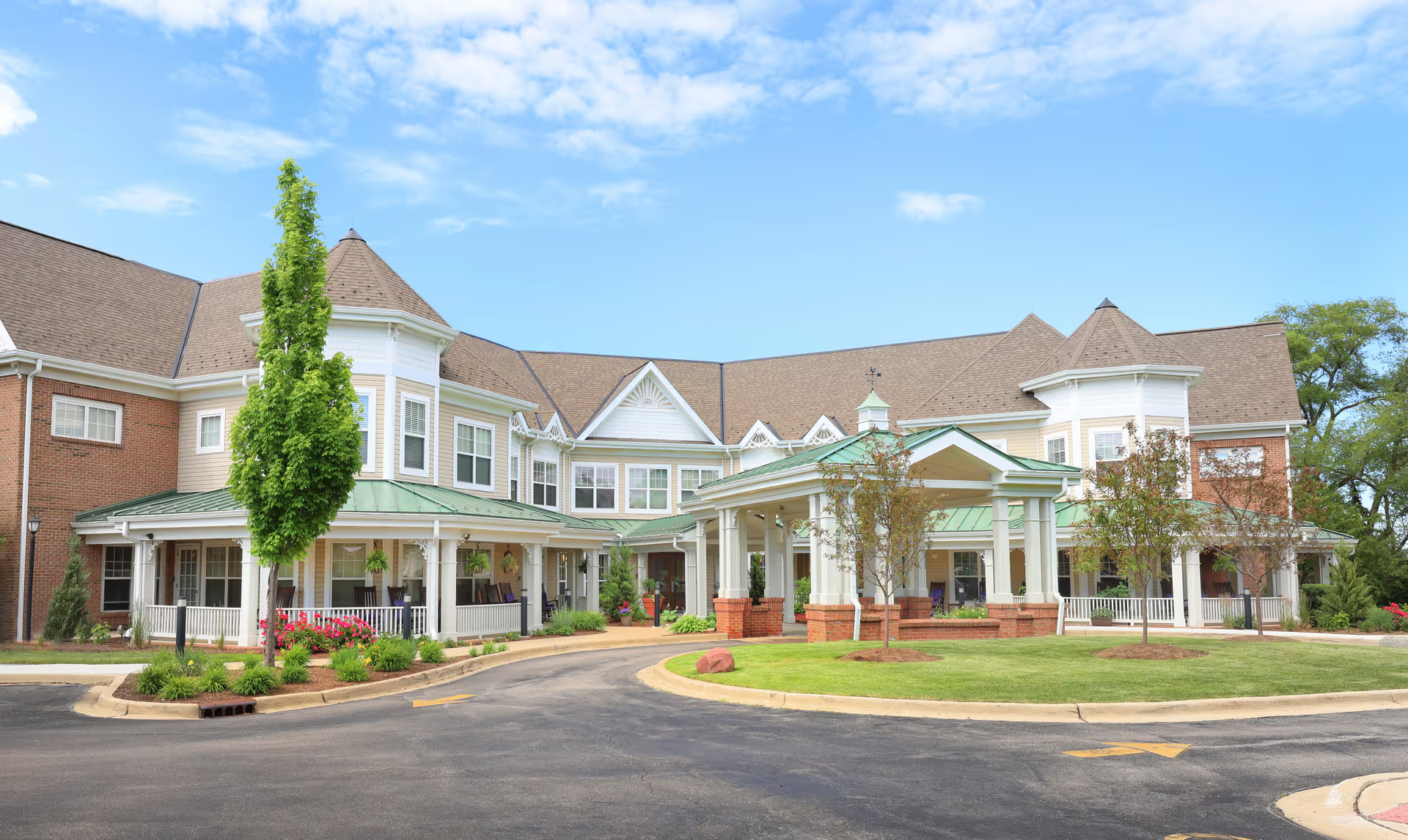
Overall impression: The facility presents a mixture of clear operational strengths and noticeable service gaps. Strengths include consistently clean, well-maintained common areas, a safe location within a government district, above-average dining, and robust rehabilitation services. At the same time, reviewers describe operational and care-delivery weaknesses that prospective residents and families should weigh against those strengths.
Care and staff: Many accounts emphasize compassionate and caring staff, with specific praise for proactive case management and positive interpersonal interactions. Physical-therapy and rehabilitation services are identified as a facility asset. However, there are recurring concerns about responsiveness: delays in medication delivery, water and breathing treatments, and uneven follow-through on routine requests. Staffing patterns are described inconsistently — while day-to-day staffing can be stable, understaffing during higher-demand periods appears to contribute to slower response times and inconsistent assistance with activities of daily living. For higher-acuity residents, reviewers indicated that the level of care sometimes does not fully match clinical needs.
Dining and activities: Dining quality is generally seen as above average. Common indoor areas are plentiful and appear well maintained, providing social space for residents. Specifics about a formal activities program are limited in the summaries provided; the institutional atmosphere and some residents’ appearance were noted as signs that engagement and assistance with dressing/presentation may be inconsistent, which could reflect gaps in daily supportive services and activity participation.
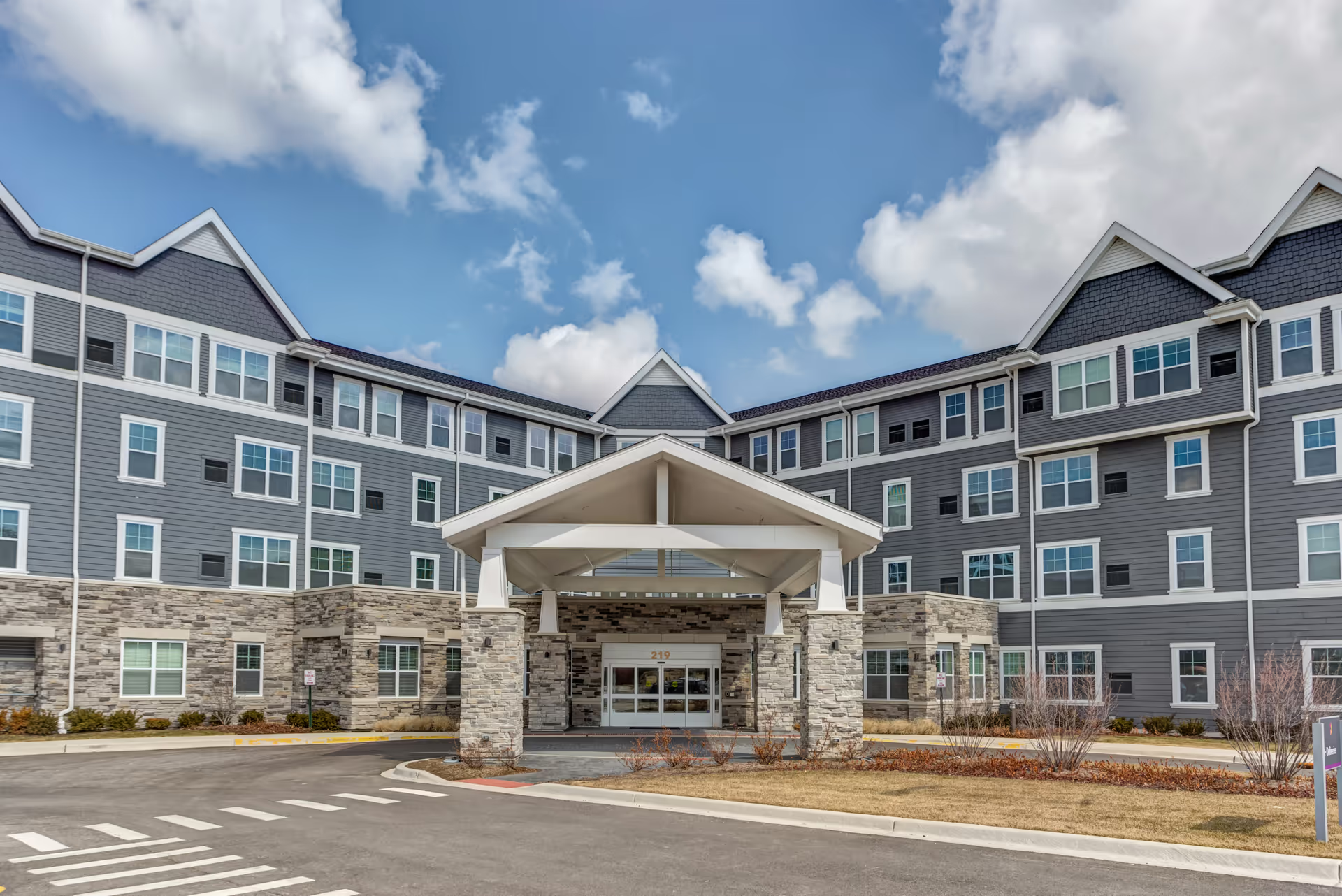
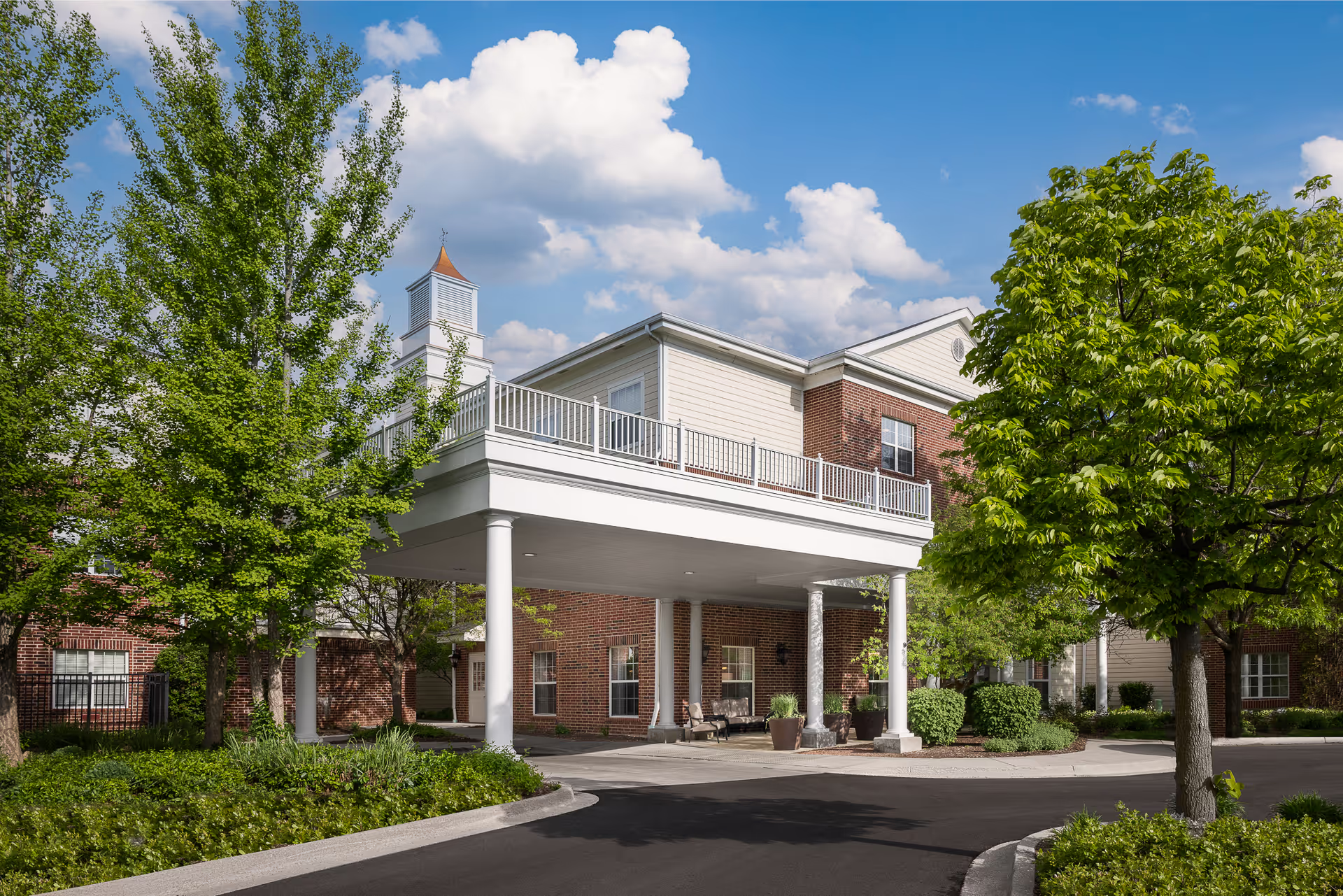
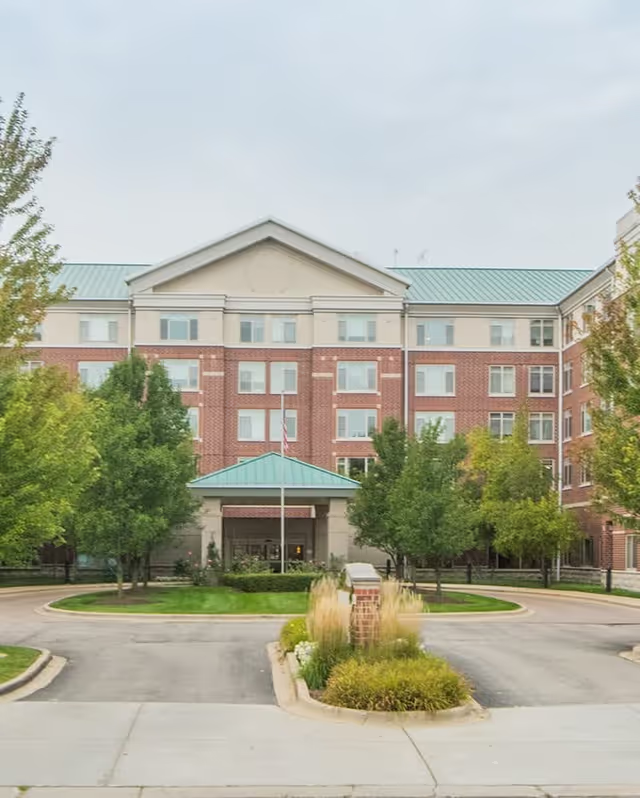
Facilities and environment: The building is clean and well kept, but the interior is described as older and institutional in character. Private accommodation appears limited: rooms are average in size, often shared, and offer constrained storage for personal belongings. Outdoor space is minimal, and environmental conditions such as lighting vary by location within the facility. These physical features may affect quality of life for residents who value privacy, outdoor access, or homelike aesthetics.
Management and admission practices: There are indications of engaged case management and occasional staff who go beyond expectations, suggesting pockets of strong operational leadership. Conversely, under-resourced staffing at critical times and delays in clinical tasks point to systemic resource or workflow challenges. Admissions are influenced by county residency rules, which may restrict access for out-of-county applicants and is worth confirming with administration prior to decision-making.
Notable patterns: The overall pattern is one of a facility with solid institutional upkeep and rehabilitative strengths but with variability in hands-on care responsiveness. Families prioritizing therapy, cleanliness, and a safe location may find the facility suitable; those requiring consistent, higher-acuity nursing attention, private rooms, more outdoor access, or uniformly attentive day-to-day assistance should discuss specific care plans, staffing ratios, and room availability with administration before committing.