Overall impression: Reviews depict a facility with many operational strengths alongside notable variability in execution. Across many accounts residents and family members praised the caregiving teams, therapy services and the cleanliness and presentation of common areas. At the same time, several operational patterns — notably staffing variability, shared-room layouts, and occasional maintenance and communication gaps — recur in the feedback and merit attention from prospective families.
Care quality and staff: Clinical care is frequently described as compassionate and skilled. The facility receives repeated positive mentions for nursing, CNAs, wound care expertise (some reviewers identified specific wound-care clinicians by name), and its rehabilitation/therapy teams. Many families reported strong, attentive daily care, helpful CNAs and nurses, and social-work support that facilitated transitions. However, there is also a clear pattern of variability: some reviewers reported distant or unresponsive nursing interactions and delays in attention. This suggests consistent care quality may depend on unit, shift, or staff assignment.
Dining: Dining impressions are mixed. Numerous reviewers described meals as hot, varied and well-prepared, while other accounts characterized the dining experience as buffet-style with uneven appeal. Meal quality appears to fluctuate, and families should ask about current dining models, menu rotation, and accommodations for dietary needs during a tour.
Activities and social programming: The facility offers structured activities — bingo, games, crafts, and trivia — and at least one activity/multipurpose room is used for programming. Several reviewers praised engagement opportunities and the social environment, particularly in memory-care and rehab contexts. Conversely, some visitors did not observe scheduled activities or noted that the activity room doubles as the dining room, indicating potential scheduling or space constraints that can limit programming visibility and access.
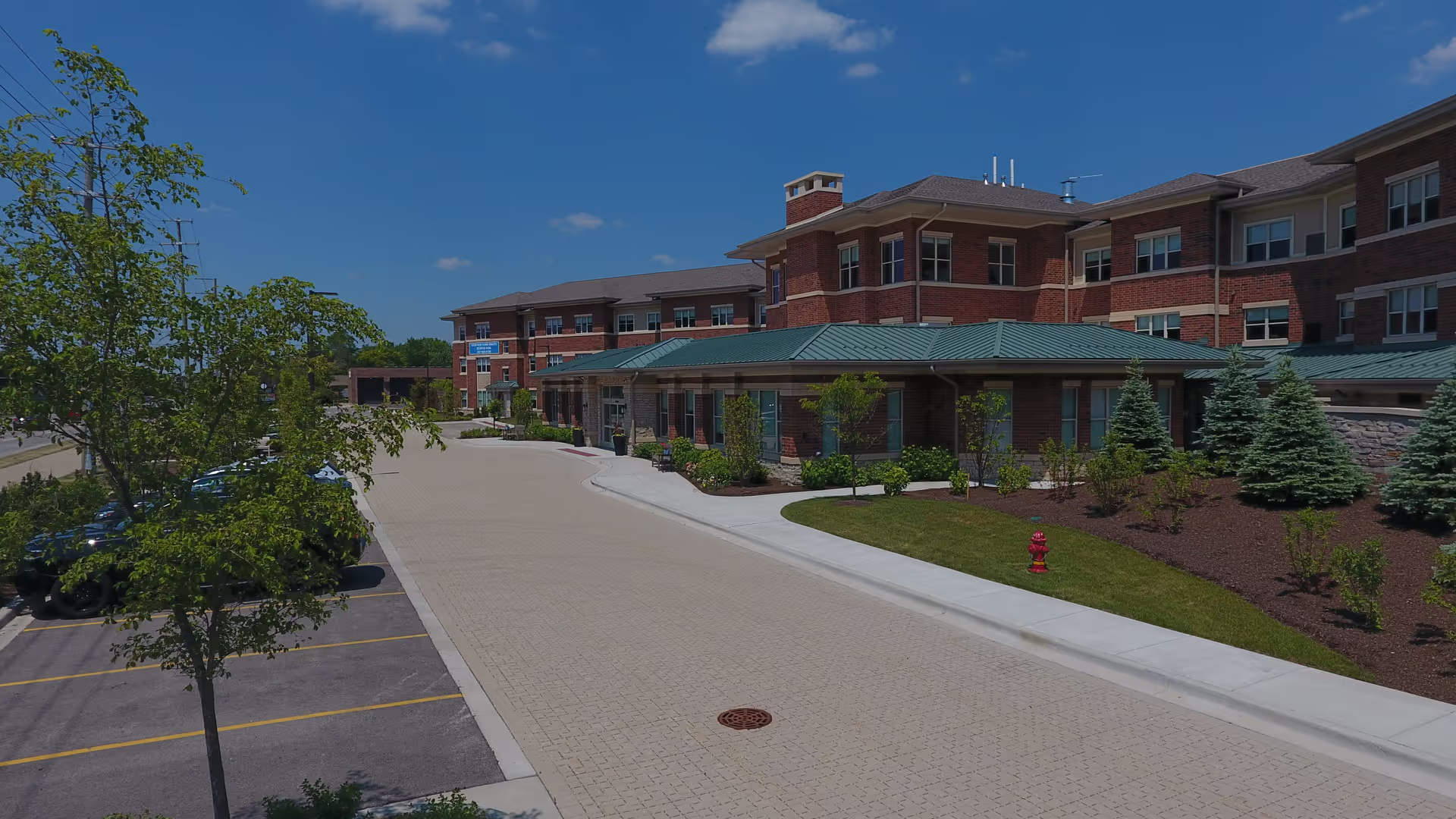
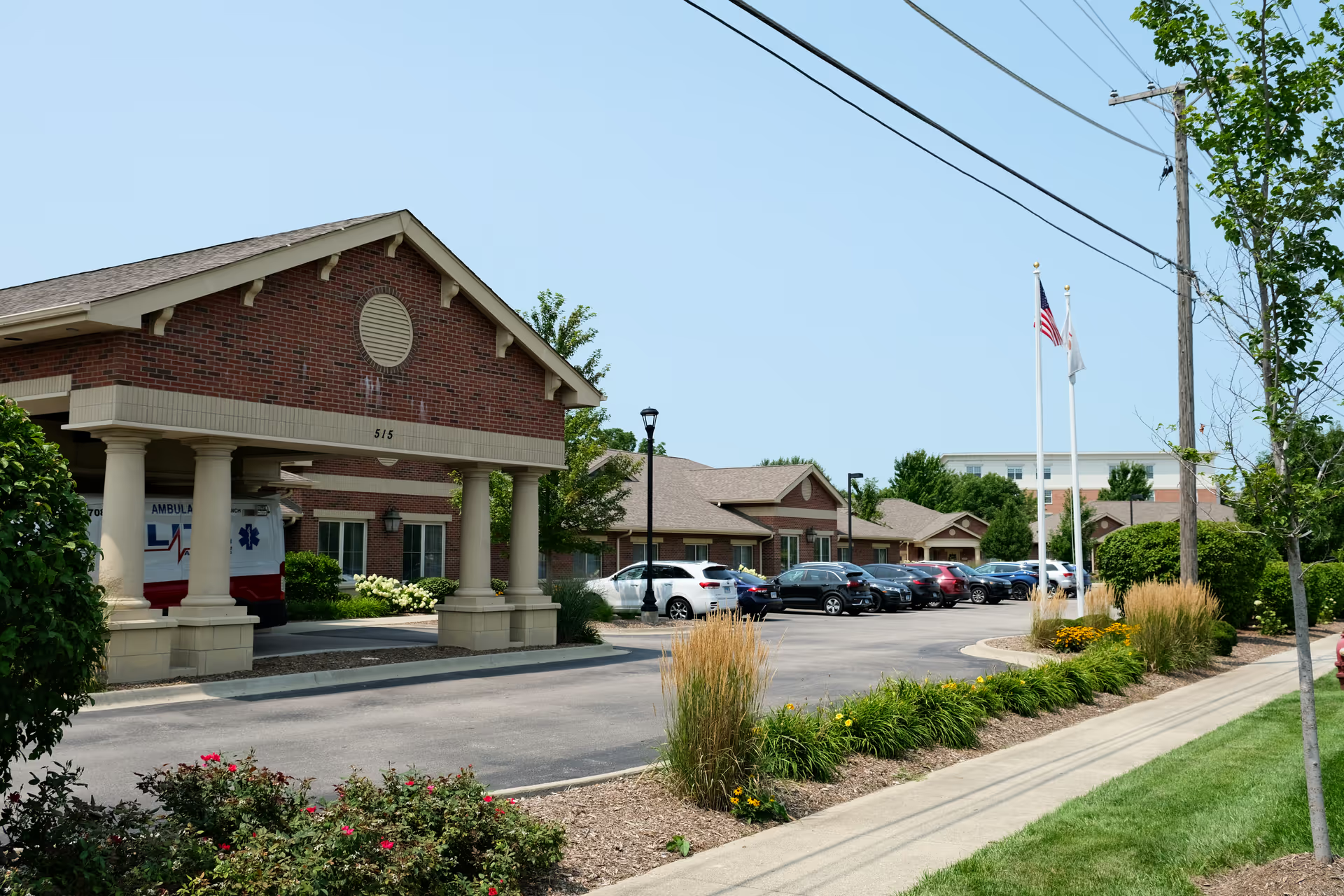
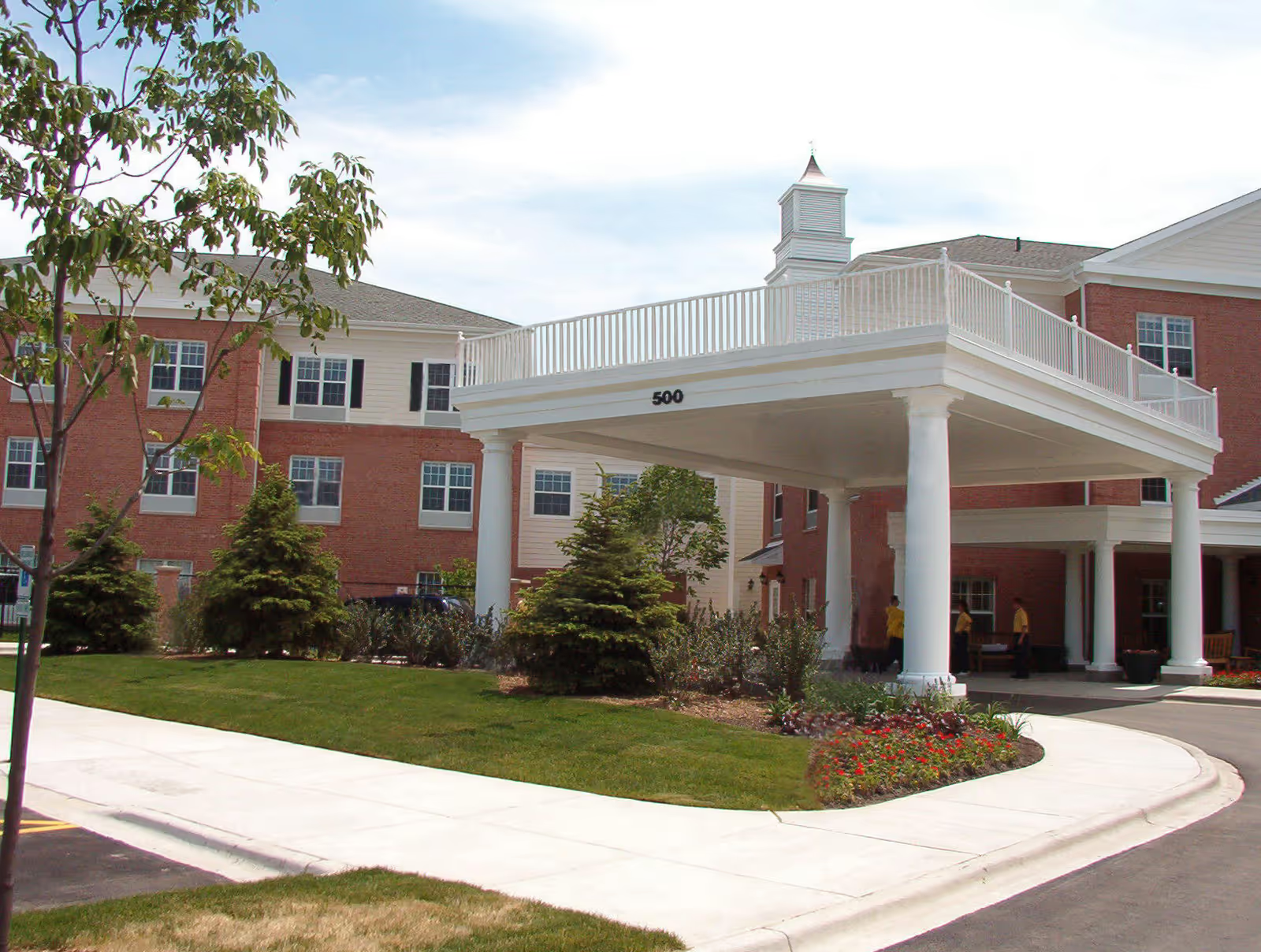
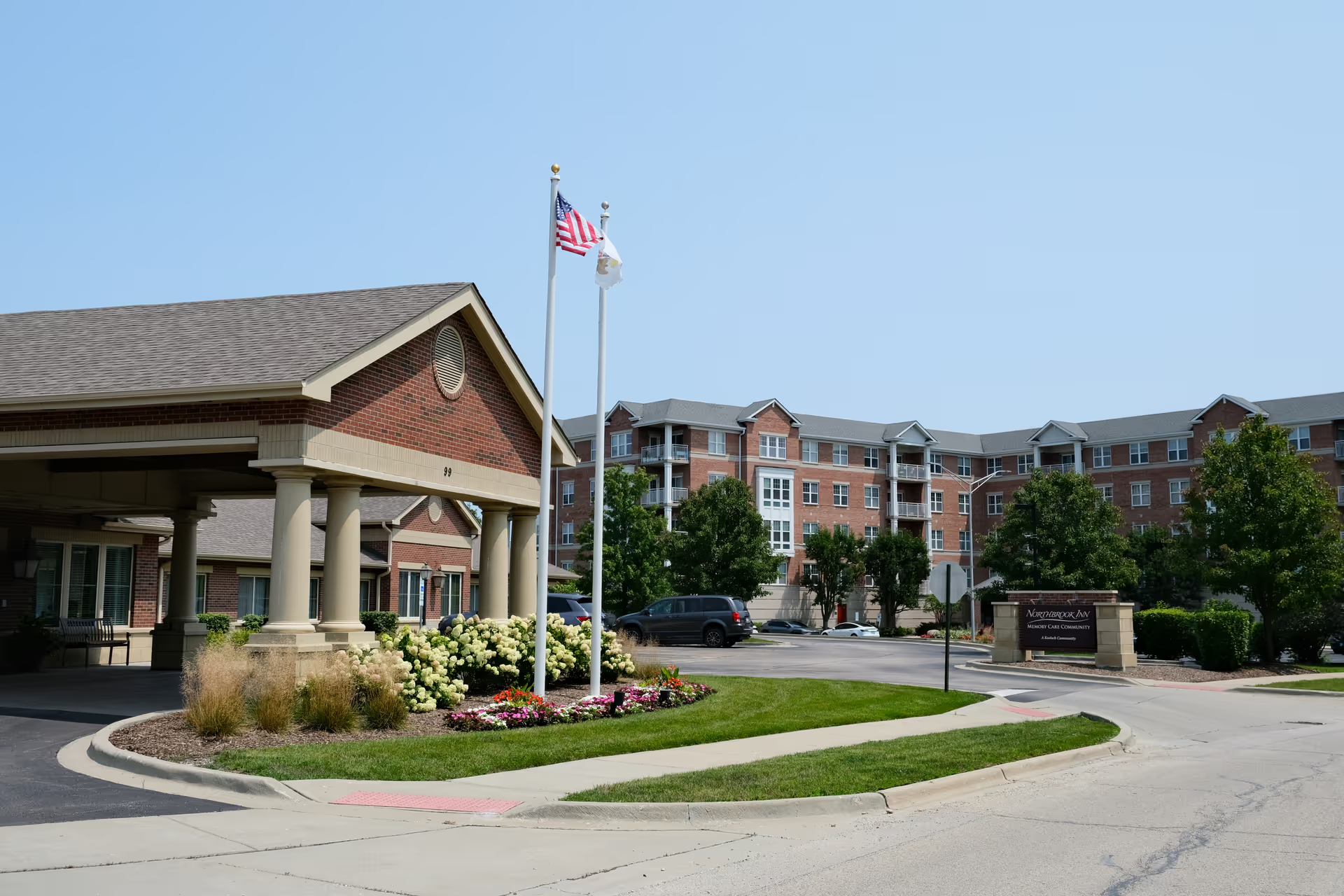
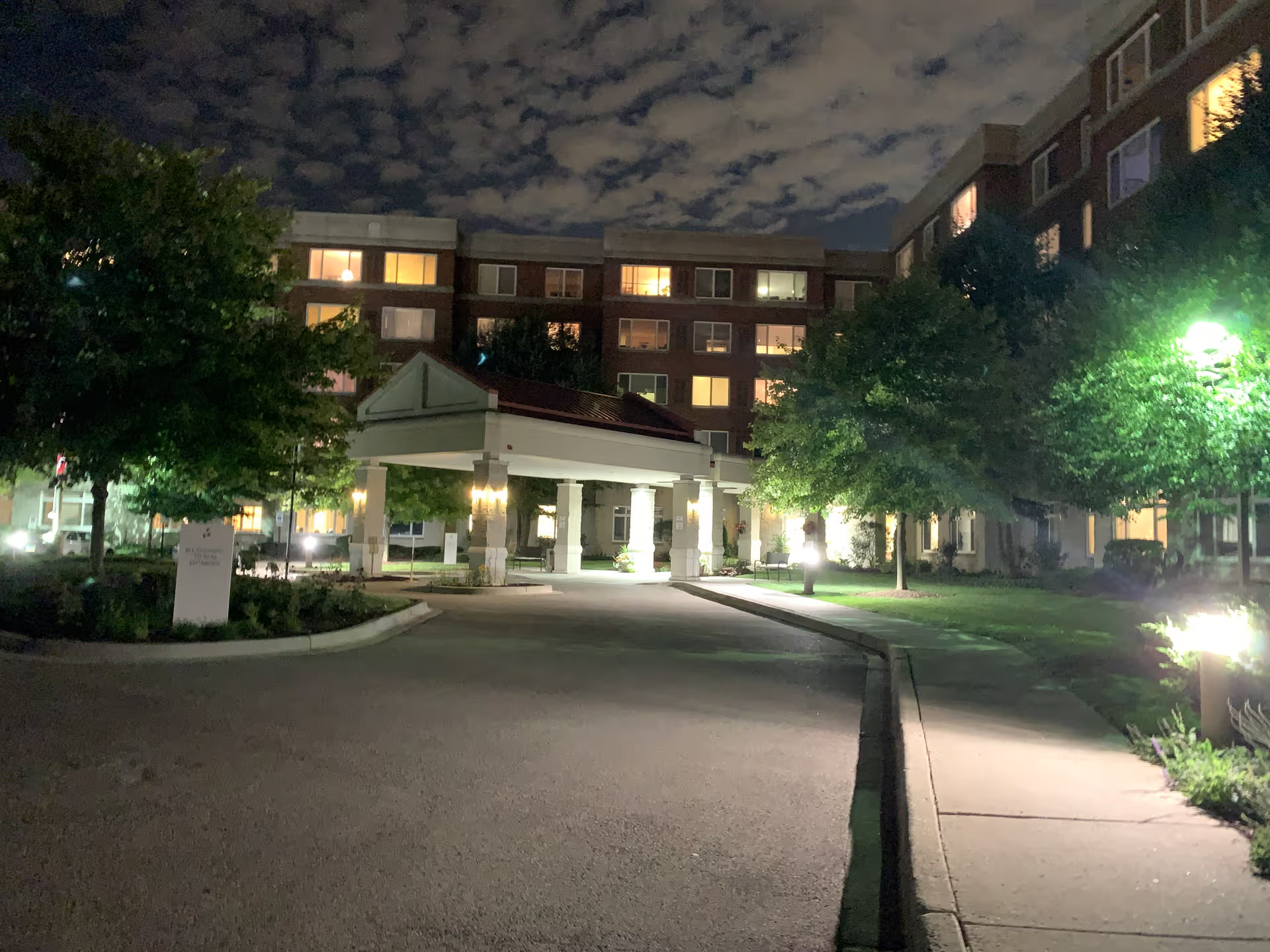
Facilities and environment: The building is described as tastefully decorated, clean, and residential in character. Many reviewers noted wide hallways, tasteful common areas and well-kept first-floor spaces. Room types vary: some units have larger private rooms that families appreciated, while other areas contain average- to smaller-sized rooms that are often shared, limiting privacy and storage for personal furniture. Outdoor space is limited to a small front-area recreation option. Maintenance and housekeeping receive strong praise overall, though isolated accounts cite delayed repairs and malfunctioning furniture or equipment.
Management and notable patterns: Administrative responsiveness receives both commendation and criticism. Several reviewers praised proactive leadership, admissions support, and managers who stay after hours; others described ineffective administrative follow-through and difficulties resolving serious concerns. A small number of more severe complaints include disputes over billing, placement communication, end-of-life interactions, and contested incident responses. Prospective families should inquire directly about complaint-resolution procedures, billing practices, incident reporting, and staffing ratios during different shifts.
Bottom line and practical advice: Bella Terra Wheeling presents as a facility with pronounced strengths in clinical wound care, rehabilitation, cleaning/housekeeping, and many compassionate staff members. Nevertheless, variability across units and shifts — in staff responsiveness, meal experience, activity visibility, and maintenance responsiveness — is a consistent theme. When evaluating this facility, tour multiple floors, review staffing patterns and resident-to-staff ratios for relevant shifts, sample recent menus, ask for the week’s activity schedule, clarify room assignment options and storage, and request written policies on billing and incident resolution to help assess fit for a given resident’s needs.