Overall impression: Reviews present a mixed but largely positive picture of care at Overland Park Nursing and Rehab Center. Many accounts highlight strong clinical strengths—particularly in nursing and rehabilitation—alongside a clean, welcoming environment and active life-enrichment programming. At the same time, a set of operational and communication issues recurs in other accounts and merits attention from prospective residents and families.
Care quality and therapy: Nursing and rehab services are commonly described as compassionate and effective. Physical and occupational therapy are frequently characterized as goal-focused and instrumental in short-term recovery, and reviewers credit the therapy teams with promoting broader wellness. Several families specifically noted nursing staff who provided attentive clinical care, and some described rapid functional improvements in their relatives after therapy interventions.
Staff and communication: Staff interactions are a prominent strength in many accounts—descriptions include courteous front-desk/admissions staff, helpful nursing aides, and a team-oriented culture that helps residents settle in. However, other accounts indicate inconsistent staff conduct and variability in responsiveness to resident needs. Concerns center on delayed responses to requests, defensive or confrontational tones in administrative interactions, and uneven supervisory follow-through. Named positive front-desk interactions are balanced by reports of communication and transparency gaps in some administrative exchanges.
Dining and activities: Dining receives positive remarks for meal quality and the social nature of meals. The activities program is repeatedly praised as robust and varied, with an engaged activities director and regular events (for example, bingo) that contribute to a home-like atmosphere and resident engagement. Families note that programming helps residents feel at home and supports social well-being.
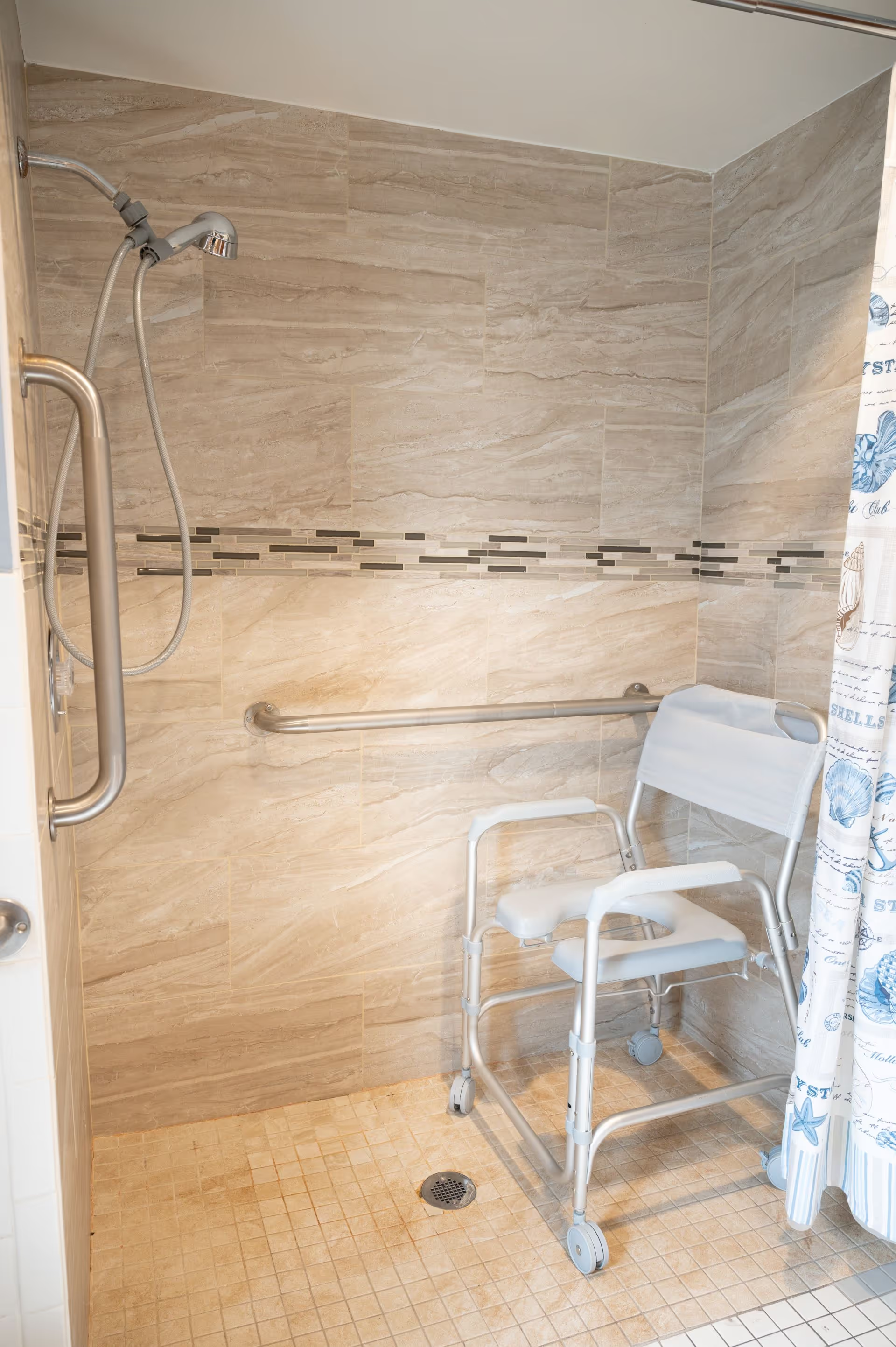
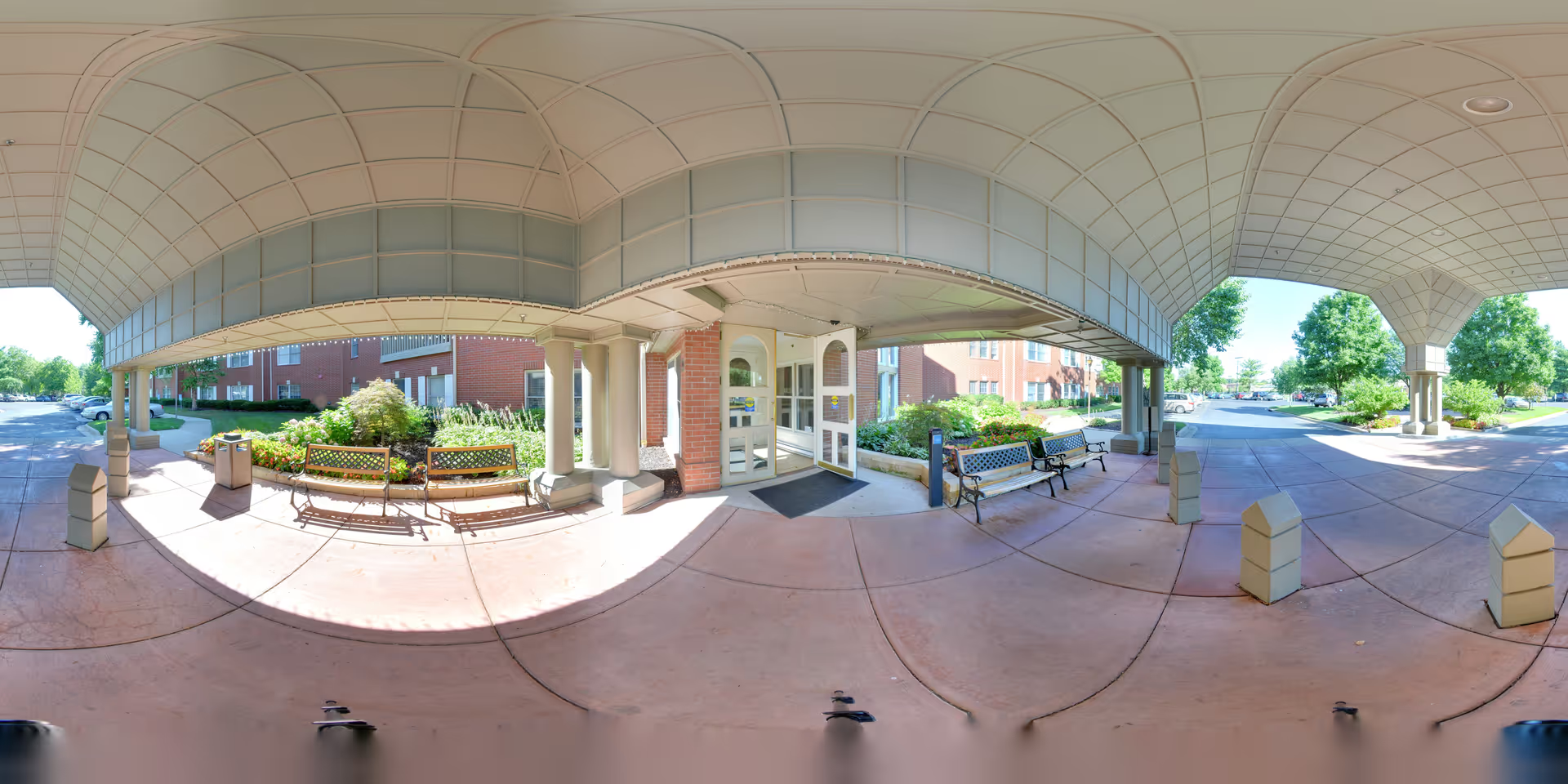
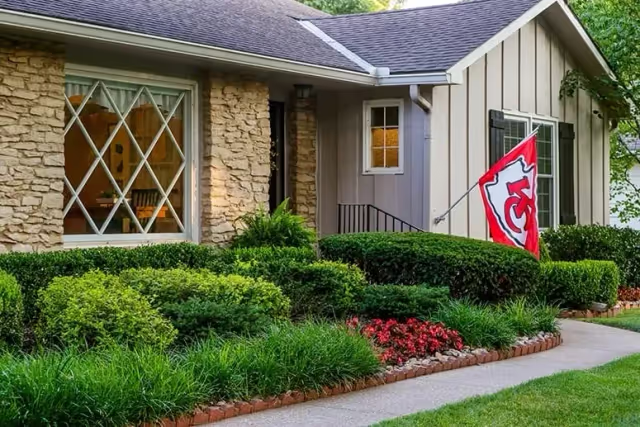
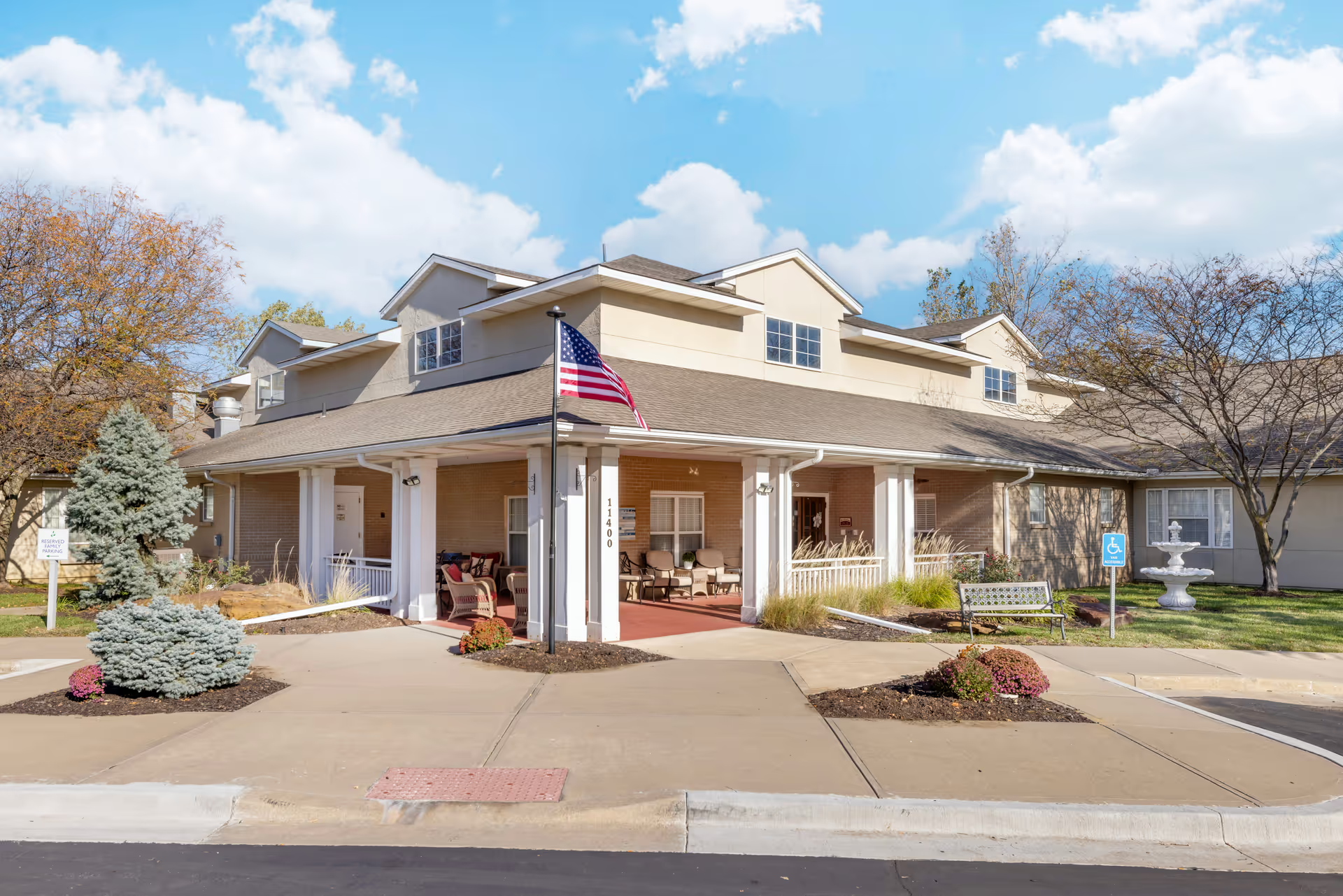
Facilities and environment: The building and grounds are often described as clean, comfortable, and increasingly updated; reviewers mention ongoing remodeling, attractive interior decor, and an enclosed garden that adds accessible outdoor space. The facility’s layout and accessibility features were noted as supportive for residents who use wheelchairs or assistive devices.
Management, transitions, and safety: A notable pattern concerns the facility’s recent ownership and management changes. While some reviews cite palpable improvements under new leadership, other accounts describe operational disruption during the transition—including unclear policies around resident entitlements and compensation. Additional recurring issues include gaps in personal-property controls (lost glasses, missing jewelry), perceived shortcomings in incident response or safety protocols, and questions about equitable treatment or cultural sensitivity. These items suggest areas where administrative processes, property safeguards, and staff training could be strengthened.
What prospective families should consider: The facility appears strong on clinical rehabilitation, daily nursing care, activities, and a pleasant physical environment. Prospective residents and families should verify current staffing levels and supervision practices, ask about personal-property policies, clarify how the facility handles incident reporting and family communication, and inquire about training or policies related to cultural sensitivity and equitable treatment. An in-person visit to observe meals, activities, and staff–resident interactions—combined with targeted questions about transition-era policies—will help assess fit and current operational consistency.