Overall impression: Reviews portray a facility with clear strengths in rehabilitation and many individually compassionate staff members, paired with recurring operational weaknesses in clinical follow-through and responsiveness. Families and former patients frequently credit therapists and some nursing staff with substantial functional gains, while raising concerns about day-to-day clinical practices and communication.
Care quality: Physical and occupational therapy are consistently described as knowledgeable, goal-oriented and effective. Multiple accounts note frequent, sometimes daily, therapy sessions that led to reduced pain and improved independence, including ambulation without aids after discharge. At the same time, reviewers identify gaps in routine clinical adherence — for example, inconsistent application of prescribed medical devices and coordination of clinical tasks — which suggest uneven implementation of care plans across shifts.
Staff and management: Many staff members receive praise for being caring, courteous and supportive; front-office personnel and select CNAs and therapists are singled out by name for positive interactions. Management is described as professional and accommodating in some instances. However, there is a recurring pattern of inconsistent communication, slow response to call lights or patient requests, and difficulties in complaint resolution; these patterns point to variability in staffing responsiveness and follow-through rather than uniformly poor intent.
Dining and nutrition: Dining comments are mixed. Several reviewers report unappealing presentation and variable food quality, and at least one operational coordination issue involving meal timing affecting scheduled care. These observations indicate inconsistent meal-service continuity and suggest families should inquire about dietary protocols and scheduling when evaluating the facility.
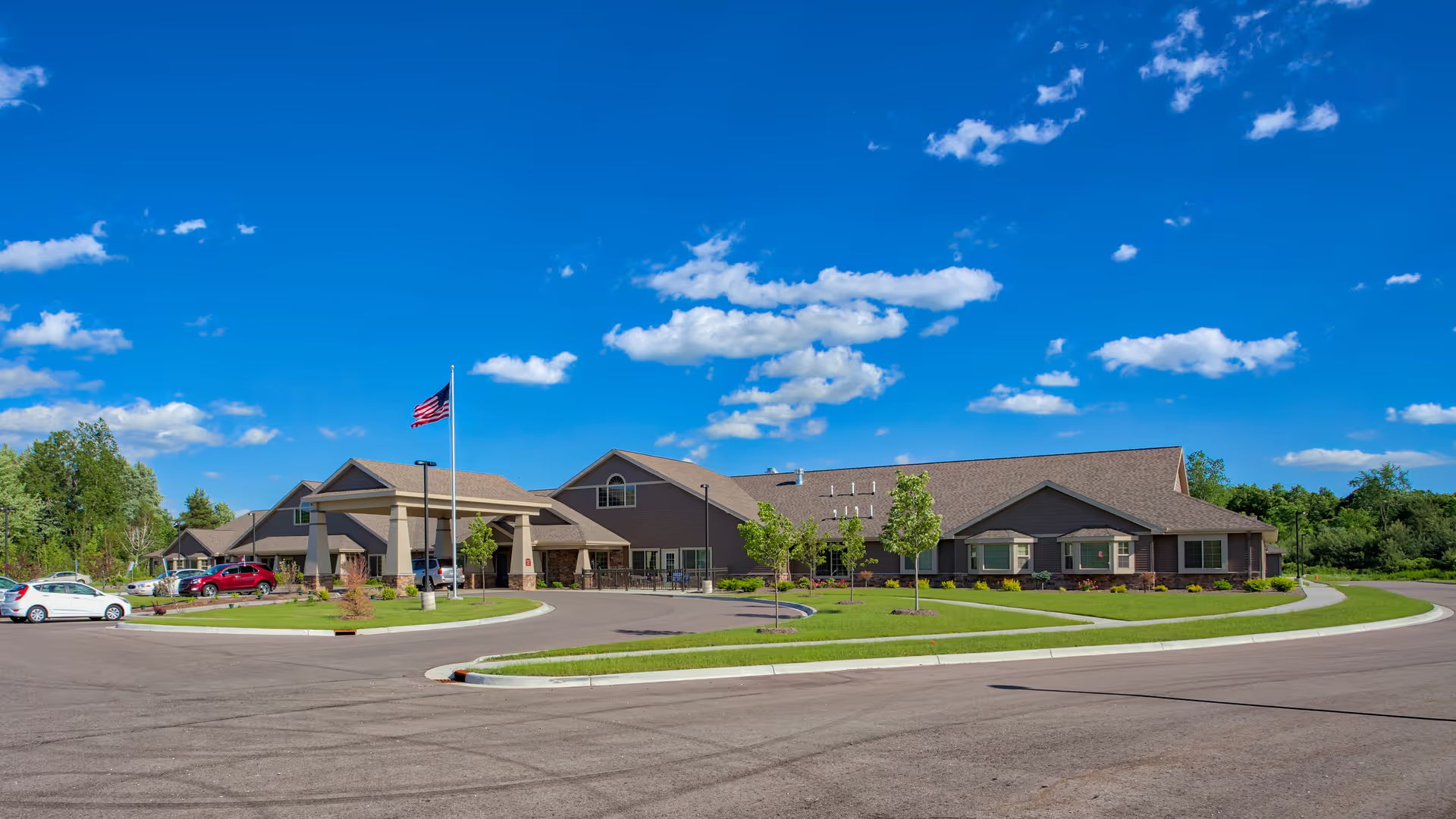
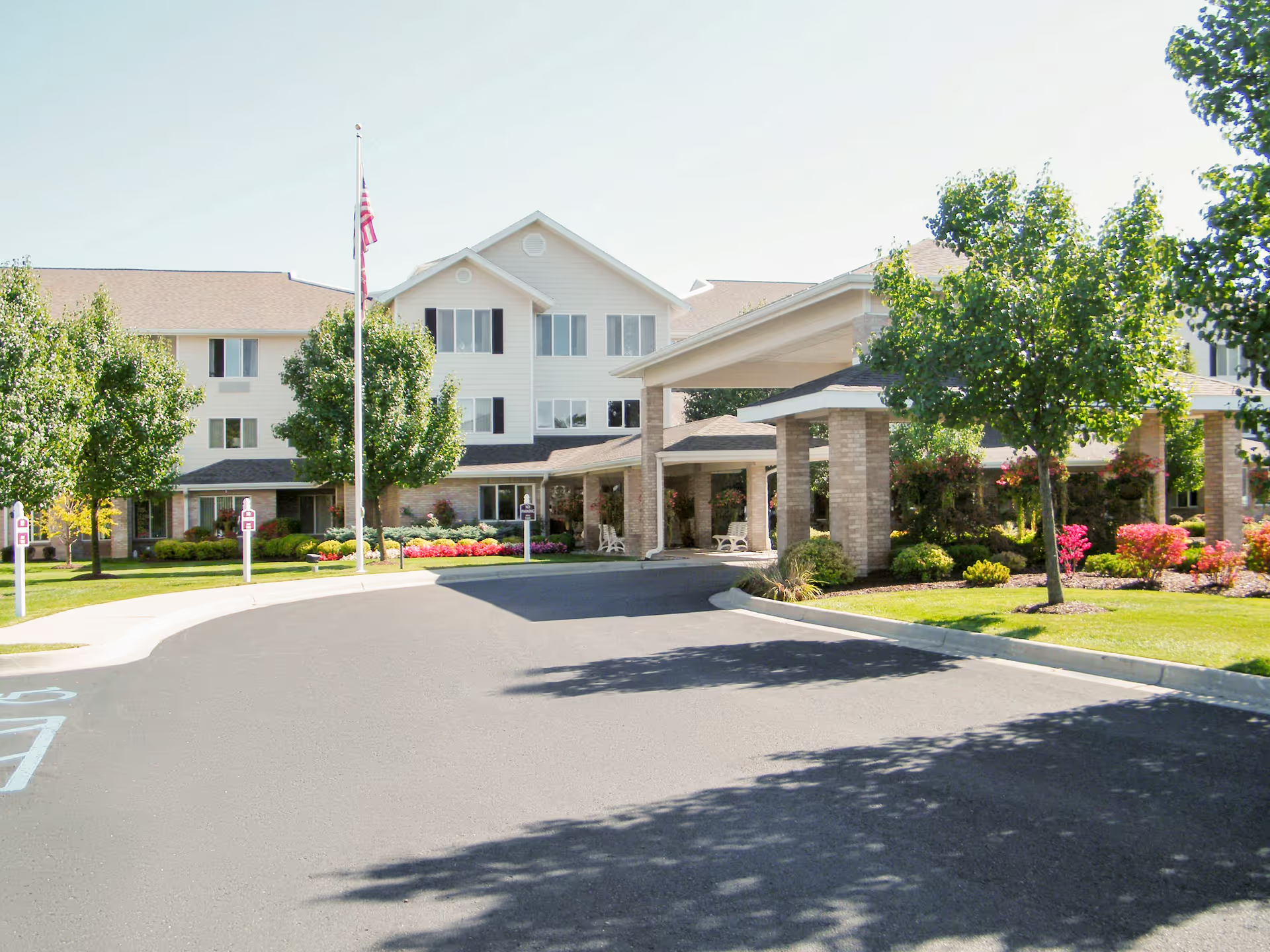
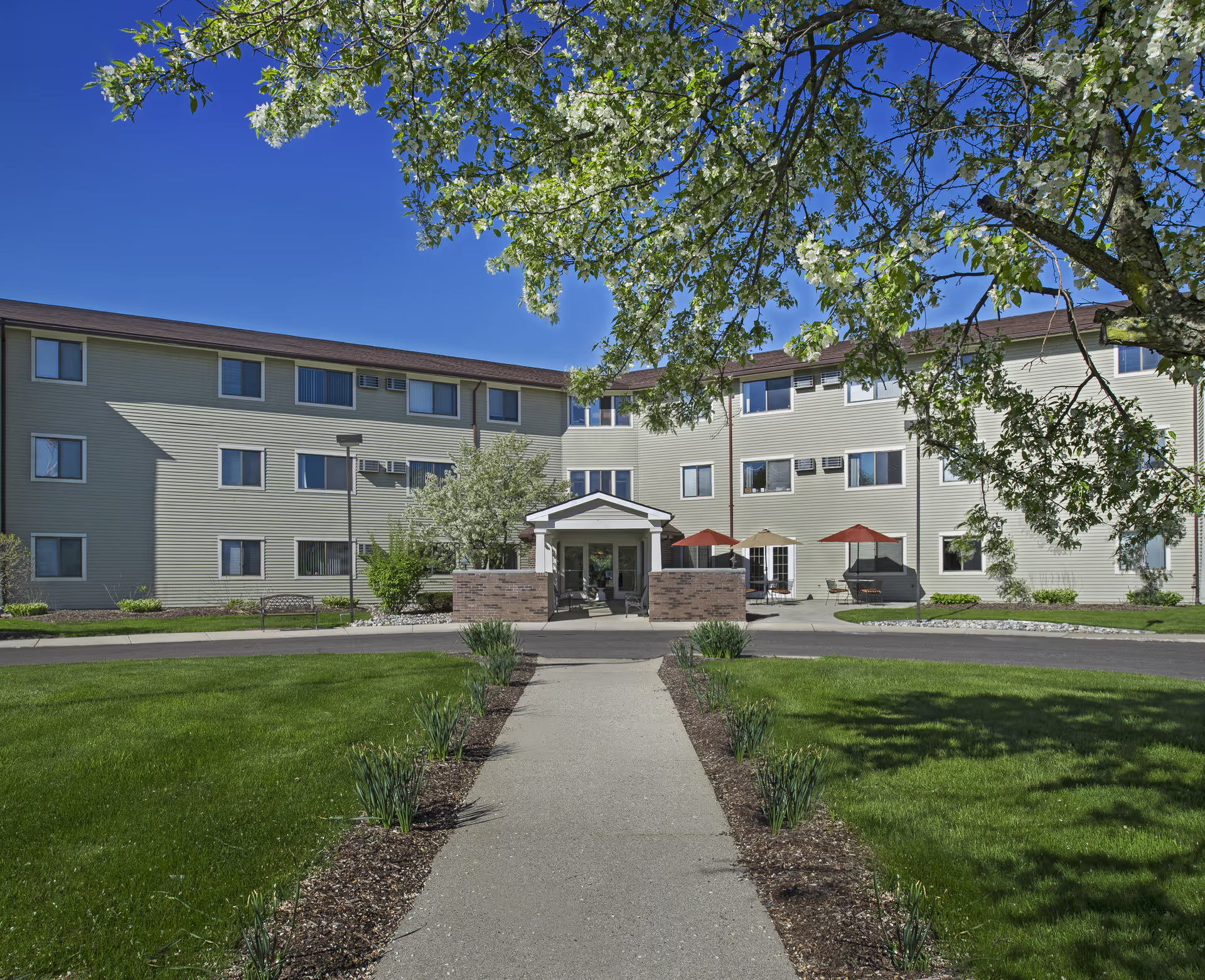
Activities and facilities: The physical environment is generally described as clean and well maintained, with pleasant rooms and available recreational programming such as bingo, socializing opportunities and on-site personal services (hair). The facility’s activity and therapy offerings are viewed as strengths that contribute to social engagement and rehabilitation.
Notable patterns and practical considerations: The overall pattern is one of strong rehabilitative capability and many caring employees, offset by operational weaknesses in communication, adherence to protocols (including device use and skin-care practices), and responsiveness to family concerns. Prospective residents and families may benefit from asking targeted questions about how care plans are communicated across shifts, how medical-device protocols (e.g., CPAP) are enforced, skin-integrity and bowel-management practices, call-light response times, and the facility’s process for resolving family complaints. Doing so can help set expectations and identify whether the facility’s strengths align with the resident’s priorities.