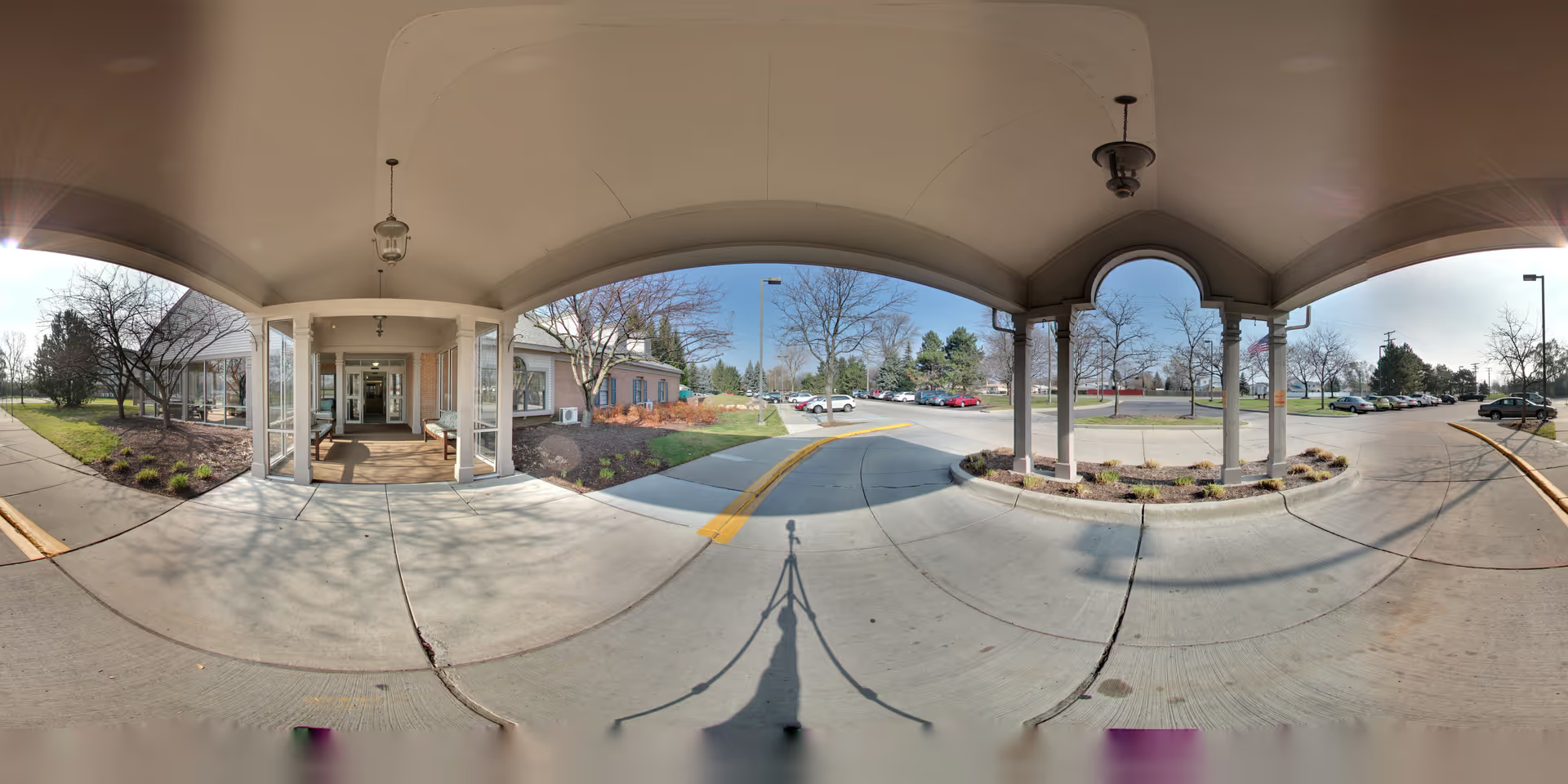
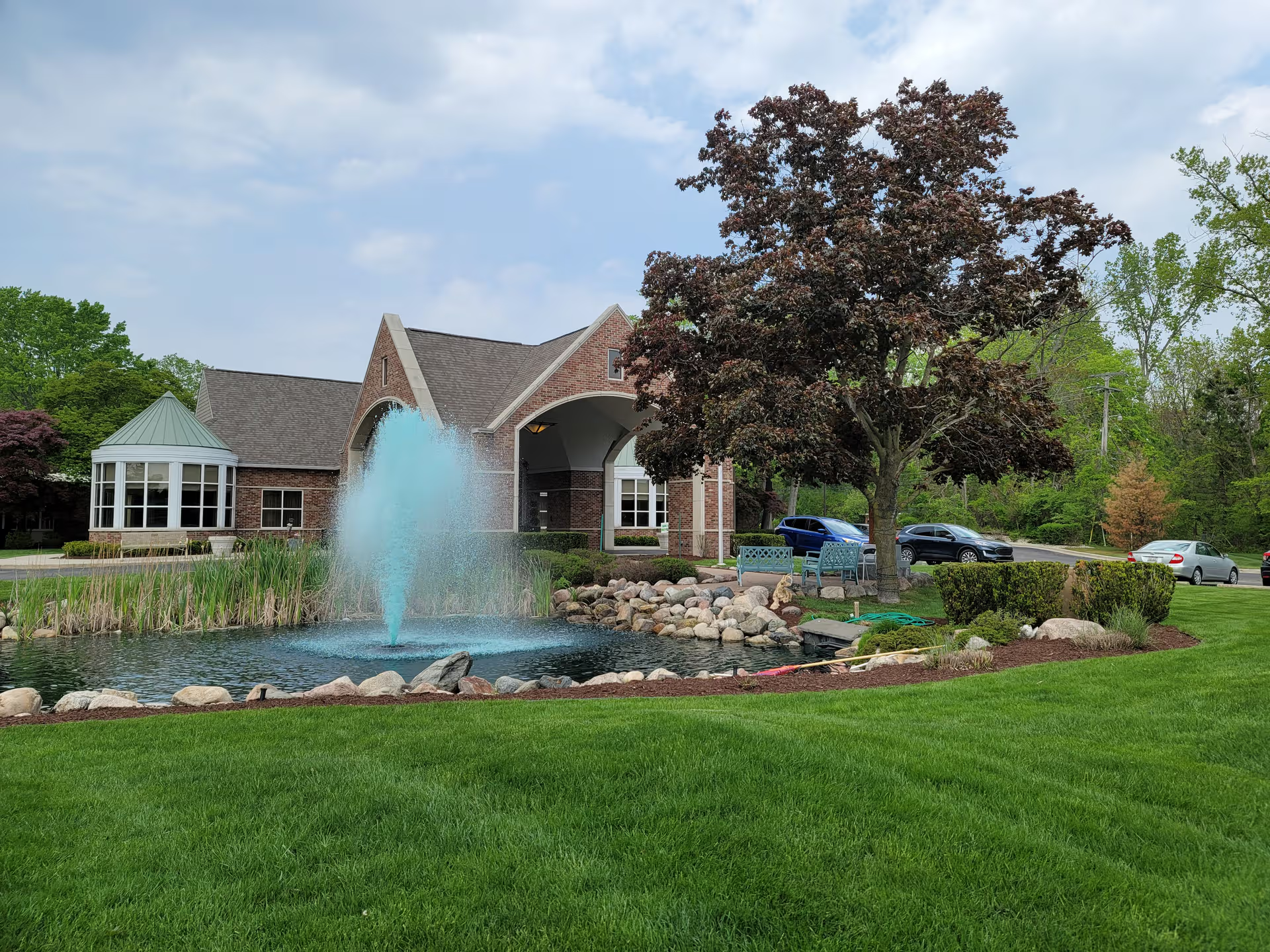
The reviews for Fountain Bleu Health and Rehab Center present a mixed picture characterized by strong rehabilitative services and person-centered strengths alongside recurring operational weaknesses. Many families and patients praise the facility's therapy programs—physical, occupational, and speech therapy are repeatedly singled out as competent and effective, with several accounts describing meaningful mobility and functional gains. Individual clinicians and aides receive frequent recognition for compassion, personal attention, and good bedside manner. Admissions and care-transition interactions are often described as smooth and supportive, and multiple reviewers note pleasant, bright common areas, landscaped outdoor spaces, and comfortable suite layouts that contribute to a welcoming environment.
Staffing and care consistency emerge as the primary areas of concern. A pattern of chronic understaffing and high turnover is evident across evaluations, with consequences that include long waits for assistance, gaps in personal-care tasks (bathing, grooming, oral care), and uneven responsiveness to call bells. Several reviewers described delays in medication administration and pain control, and weekend and overnight coverage are noted as particularly vulnerable. These operational constraints appear to drive variability in day-to-day care quality despite strong individual caregivers and therapy teams.
Dining and hygiene practices are another area with divergent experiences. While some reviewers praised meal progression and nutrition support during therapy, others described inconsistent food temperature and limited accommodation of allergies or dietary needs. Concerns about sanitation, laundry handling, and hygiene procedures were raised in multiple accounts; these primarily reflect inconsistent execution of routine environmental and infection-control practices rather than a uniformly poor physical plant. Housekeeping and common-area cleanliness are praised by many, but intermittent lapses were reported by others.
Communication and management practices show variability. Many families commend specific staff members—nurses, therapists, and admissions personnel—for clear, helpful communication and active coordination. At the same time, there are repeated notes about incomplete or delayed family notifications, inconsistent information across staff shifts, and occasional concerns about managerial transparency. A small number of statements go further and include allegations of misleading communication by care-coordination staff; these are serious if accurate and warrant direct follow-up during any placement decision.
For prospective residents and their families, the salient pattern is one of strong clinical and rehabilitative capability tempered by operational inconsistency. The facility appears capable of delivering high-quality therapy-driven recoveries and offers a pleasant environment when staffing levels and processes align. Prospective families should consider asking targeted questions about current staffing ratios (including weekend and overnight coverage), medication-administration protocols, allergy- and special-diet handling, laundry and sanitation procedures, and the facility's family-notification practices. On-site observation during different shifts and direct conversations with therapy leaders and unit charge nurses can help gauge how consistently the strengths noted in many reviews are being delivered in practice.