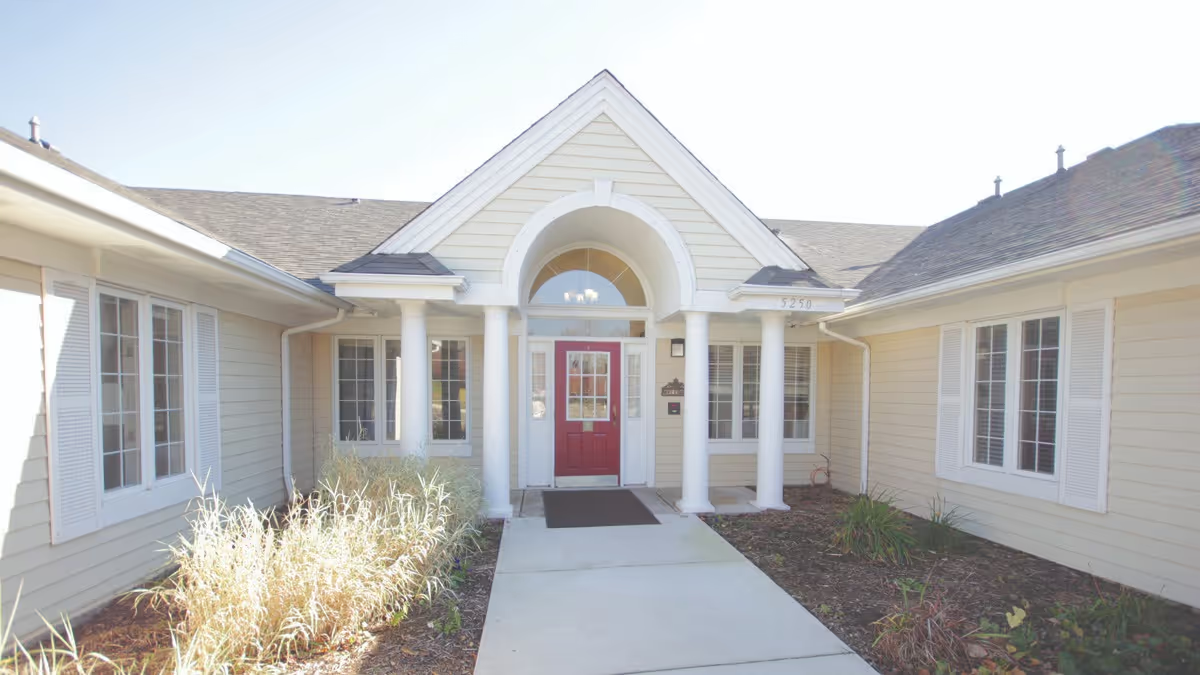
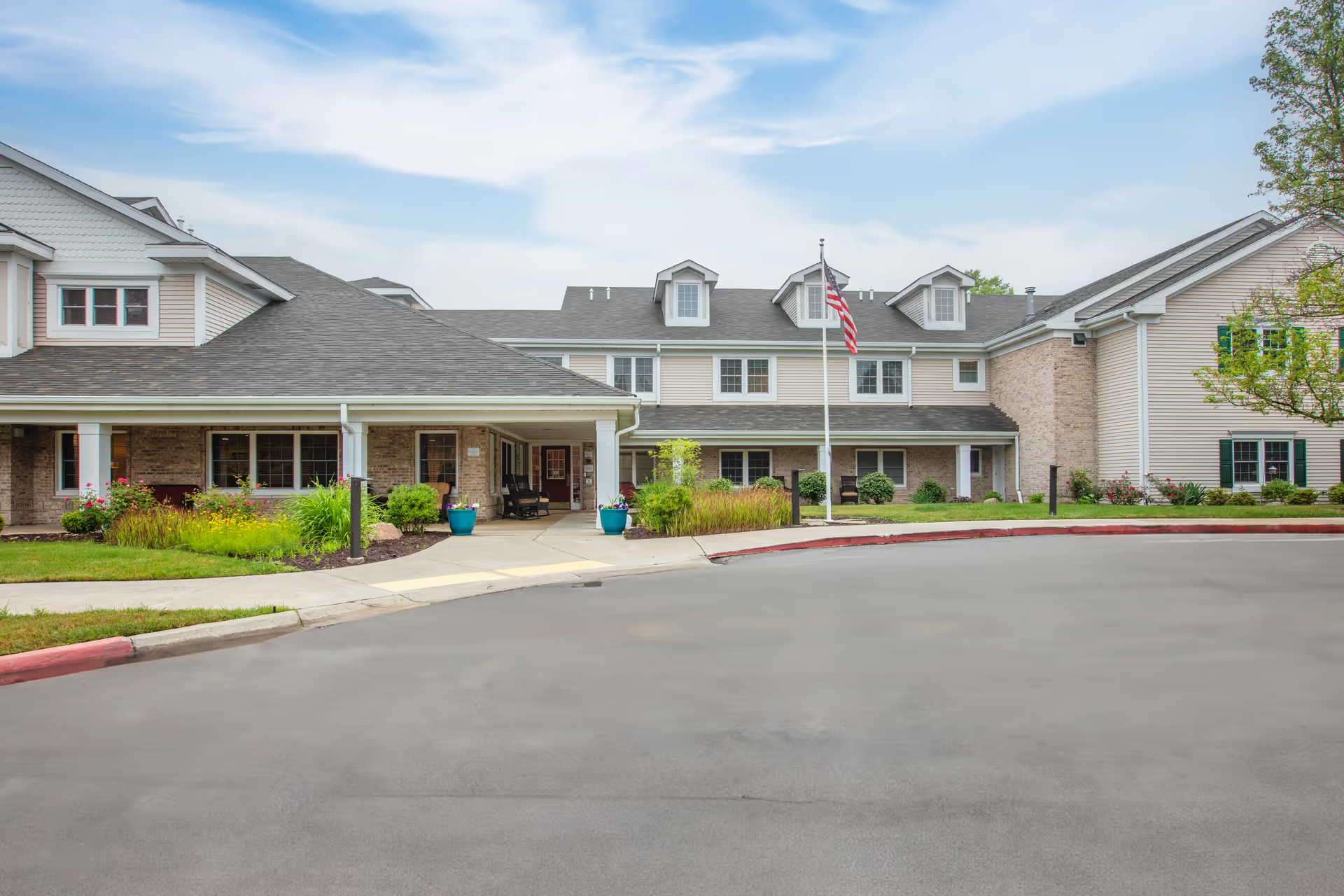
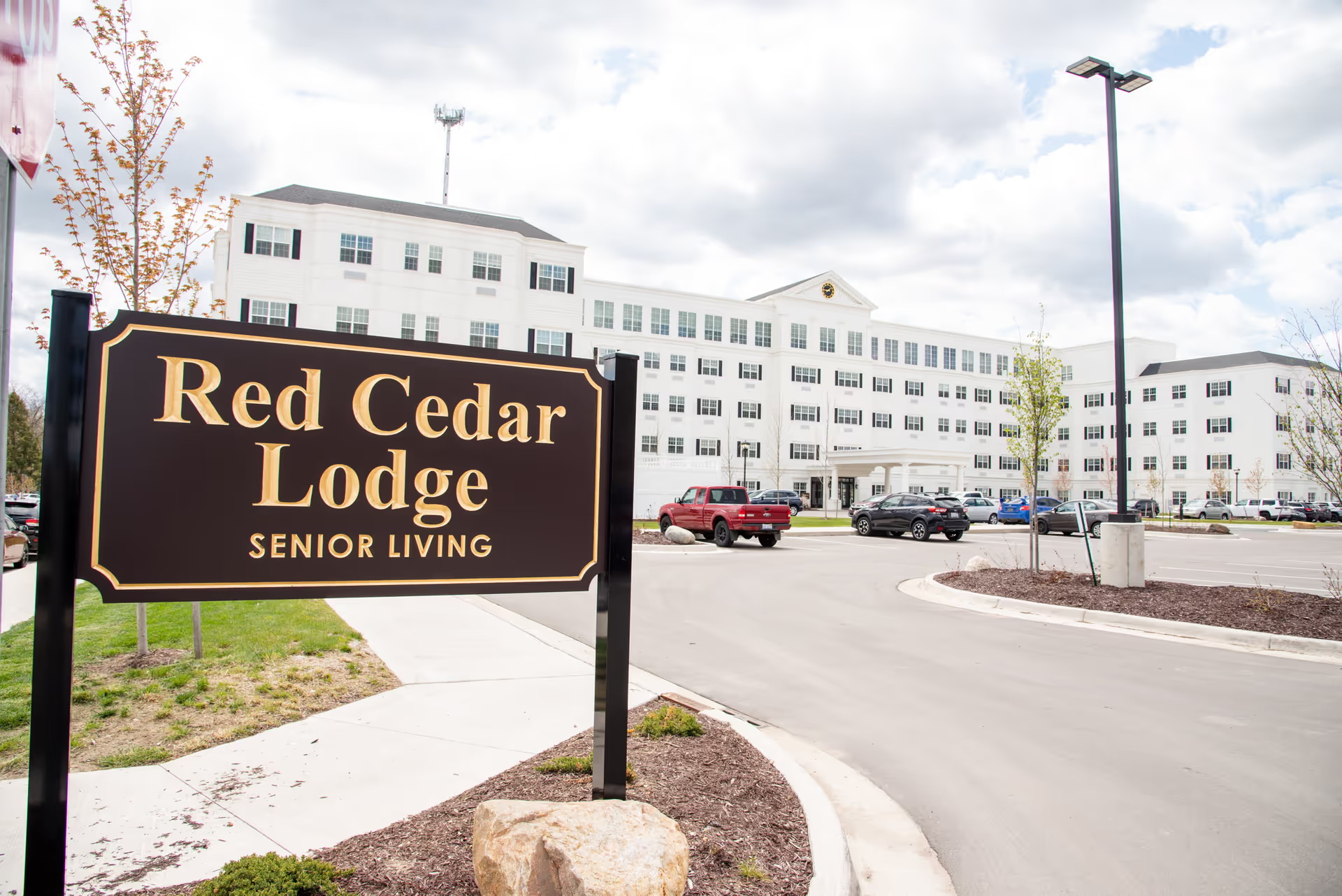
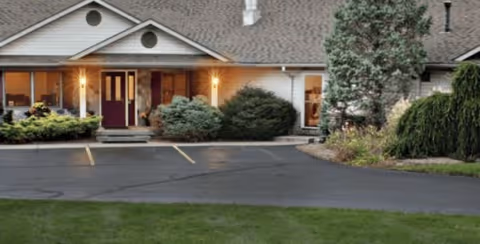
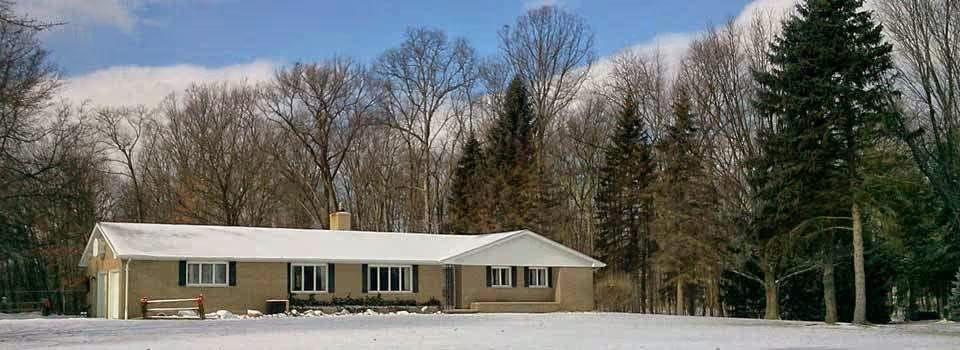
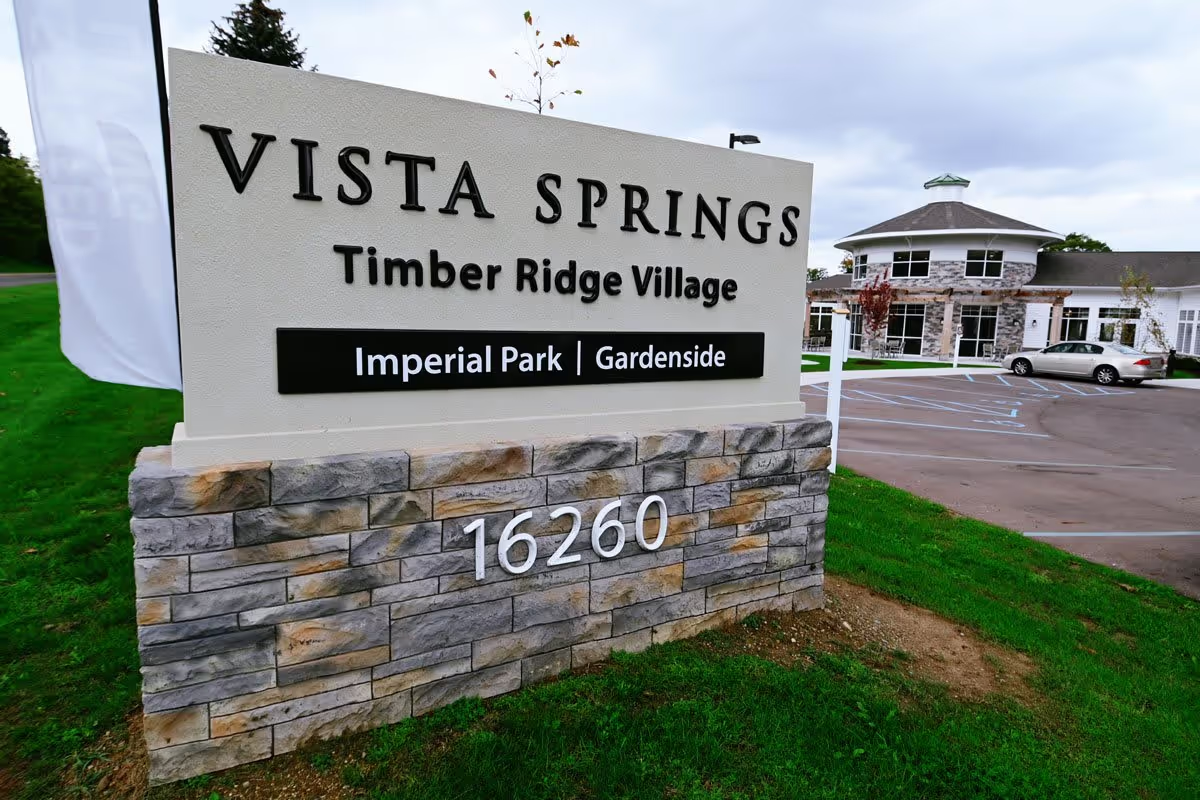
Overall impressions of the facility are mixed but lean positive on environment and frontline caregiving. Many descriptions emphasize a welcoming, home-like atmosphere within a modern and well-kept building. Commonly noted strengths include clean common areas and rooms, spacious accommodations that accommodate visitors and family events, and an active calendar of programming that ranges from social events (bingo, movies, dances) to faith services and special visits. A dedicated rehab unit with private rooms and on-site therapy/physician services is frequently highlighted as a strength for short-term stays.
Care quality and staff behavior are central themes. Numerous accounts praise attentive, compassionate nurses and aides, prompt medical attention, and strong nurse–family communication. Several reviews describe staff teamwork and an engagement-oriented activity department that contributes to resident well-being and long-term satisfaction. Counterbalancing these positive reports are specific concerns about staff responsiveness and professional consistency; a subset of families described delayed responses to needs or a perceived lack of attentiveness. More serious operational concerns expressed include gaps in medication handling and clinical oversight and inconsistent approaches to dementia-related agitation, issues that can affect clinical outcomes and family trust.
Dining, therapy, and management present notable variability. Dining impressions range from “excellent” to “poor,” with recurring comments about inconsistent food quality and occasional slow kitchen service. Therapy quality is also mixed: while on-site therapy services and some strong rehabilitation outcomes are cited, other accounts describe inadequate physical therapy or premature discharge driven by payer or management decisions. Management and discharge planning raise additional operational concerns — families reported inconsistent insurance coordination and transitions that led to unexpected out-of-pocket costs or early discharges. Sanitation and incontinence-care standards are generally rated positively in many areas, but there are isolated reports of hygiene and sanitation lapses in specific units.
Notable patterns are polarization between very positive long-term resident experiences and a smaller but significant set of serious clinical and administrative complaints. For prospective residents and families, recommended inquiries during a tour include: the facility's dementia-care protocols and staff training for agitation, formal medication-administration and audit processes, average therapy staffing and continuity of therapist assignments, kitchen sample meals and typical meal-service timing, recent quality or survey findings, and specific discharge-planning and insurance-authorization workflows. These focused questions can help clarify whether the facility’s strengths align with an individual resident’s clinical and social needs and whether the operational gaps identified by others have been addressed.