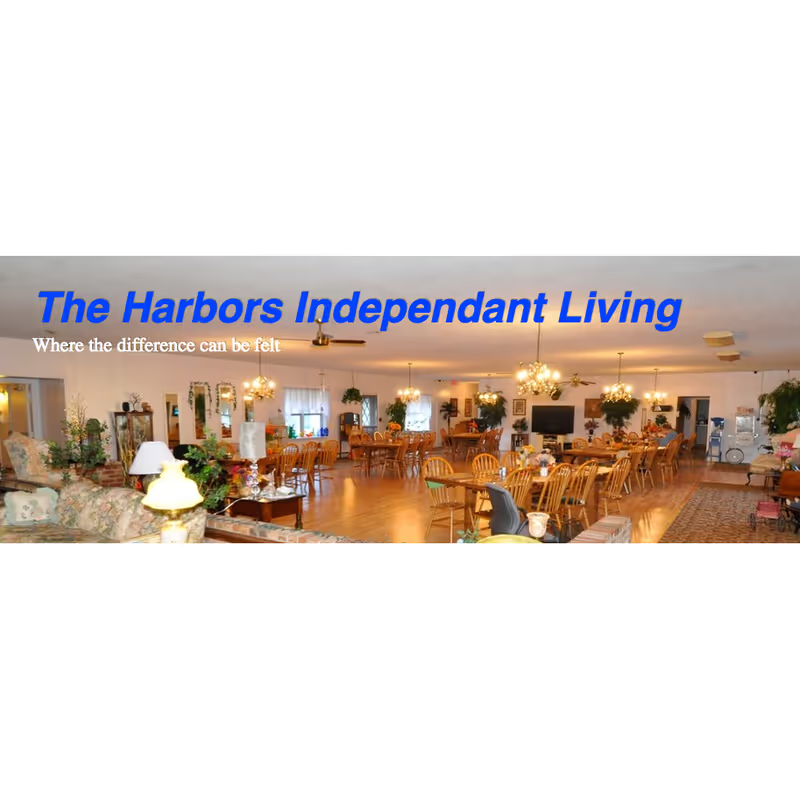
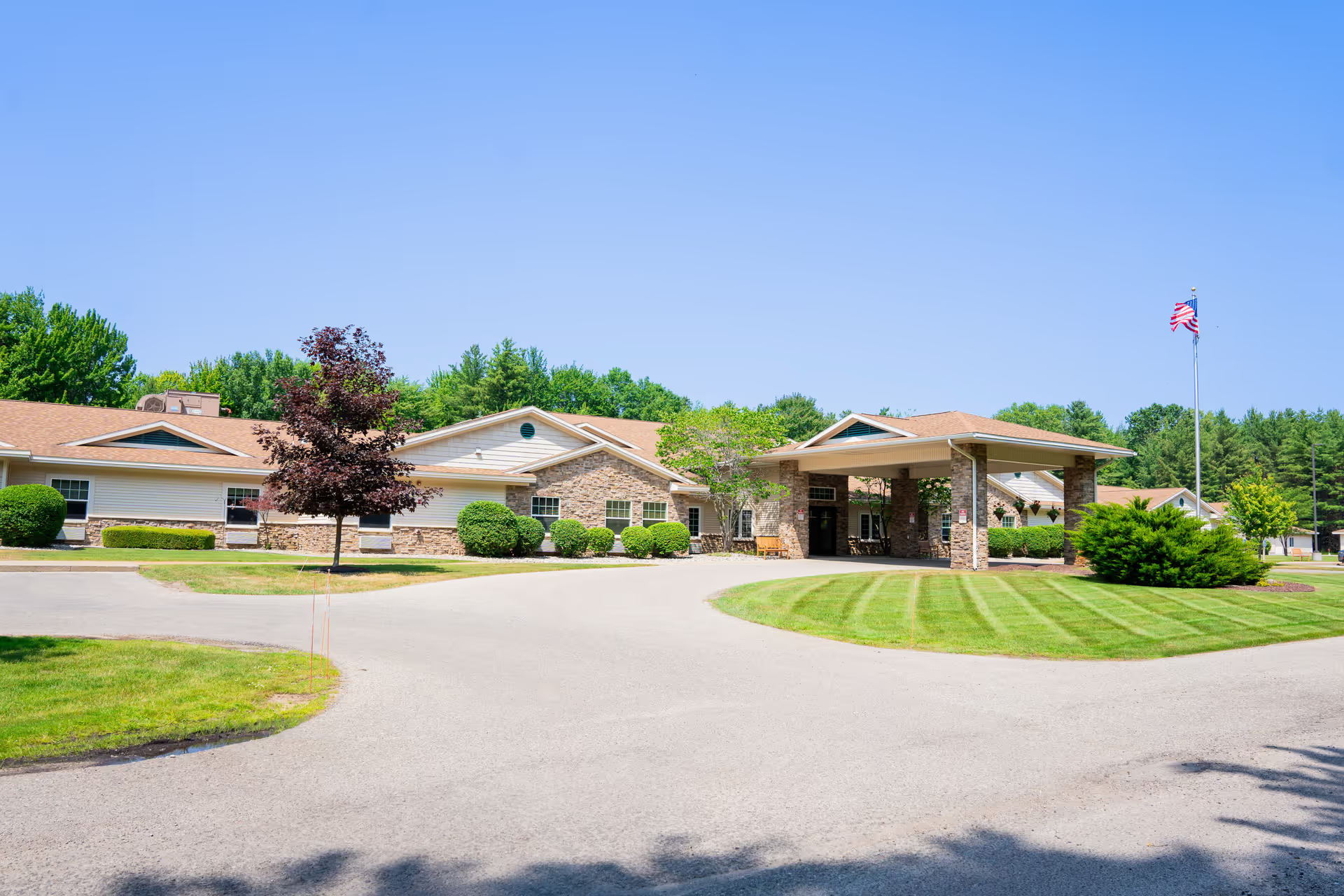
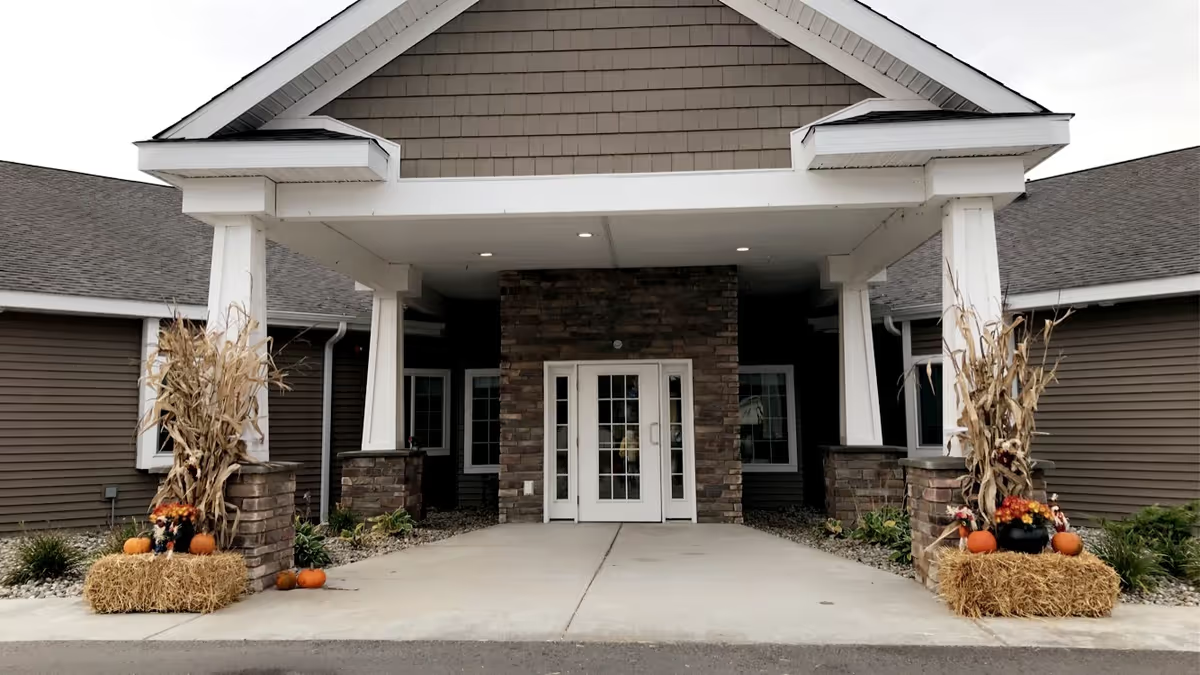
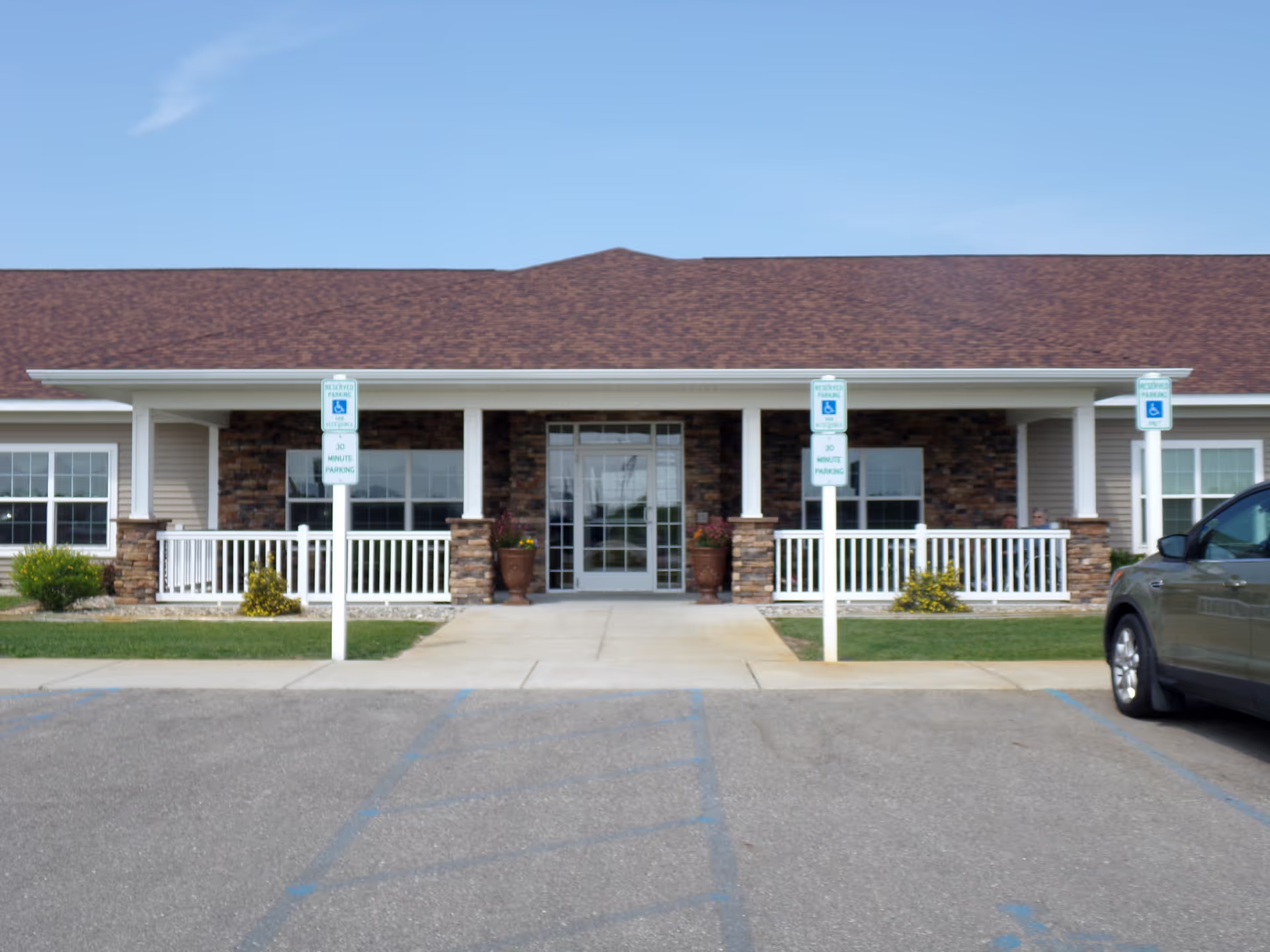
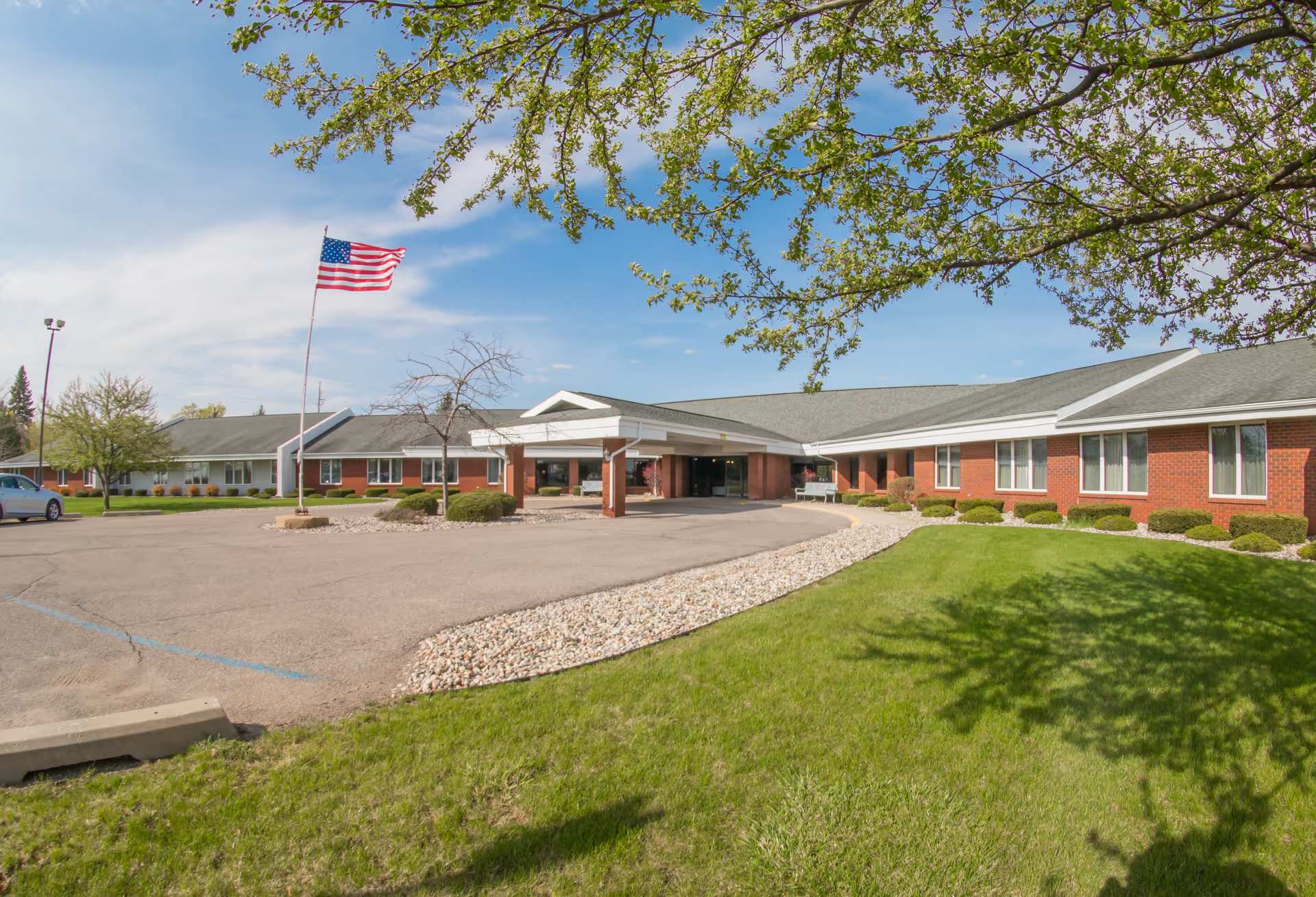
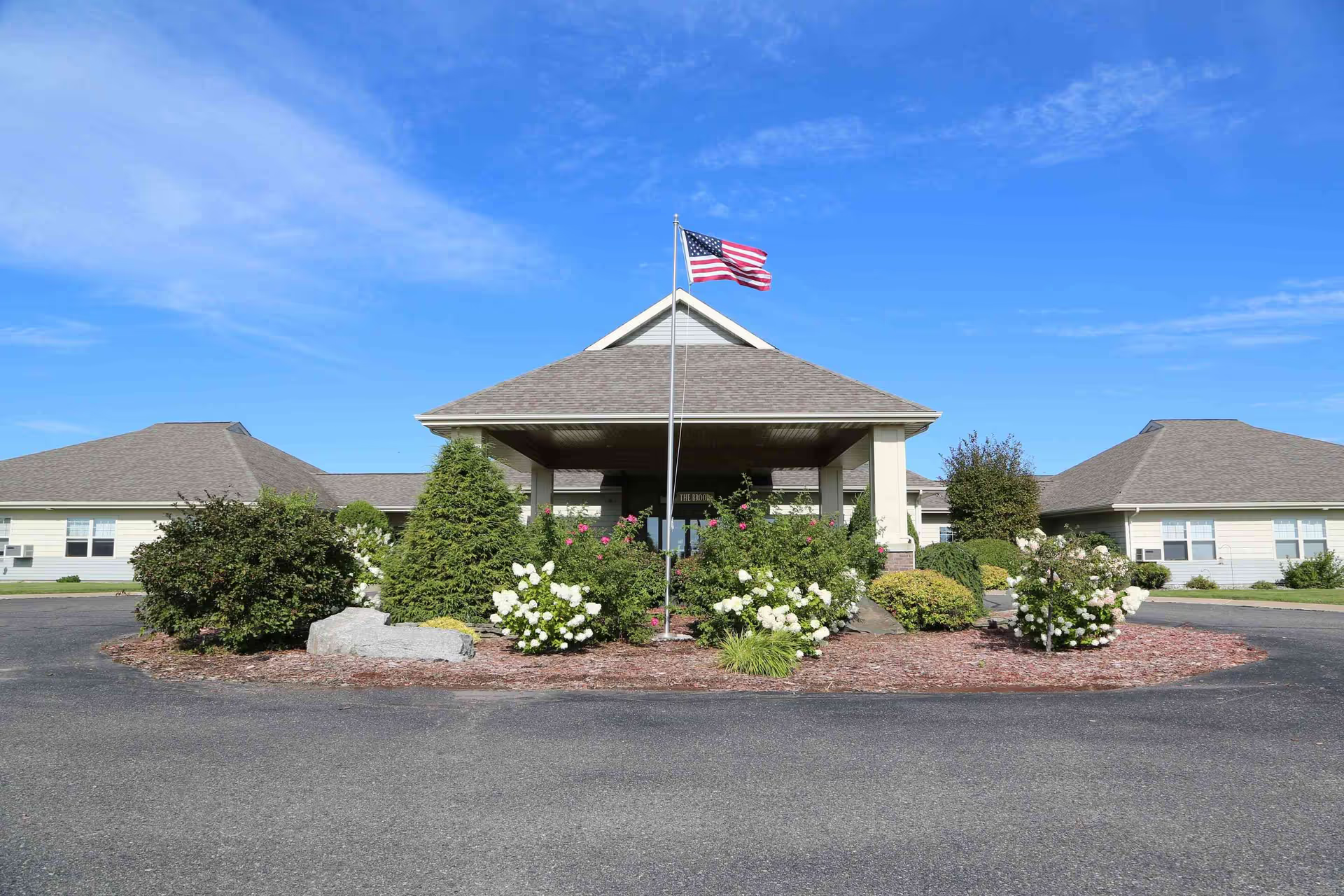
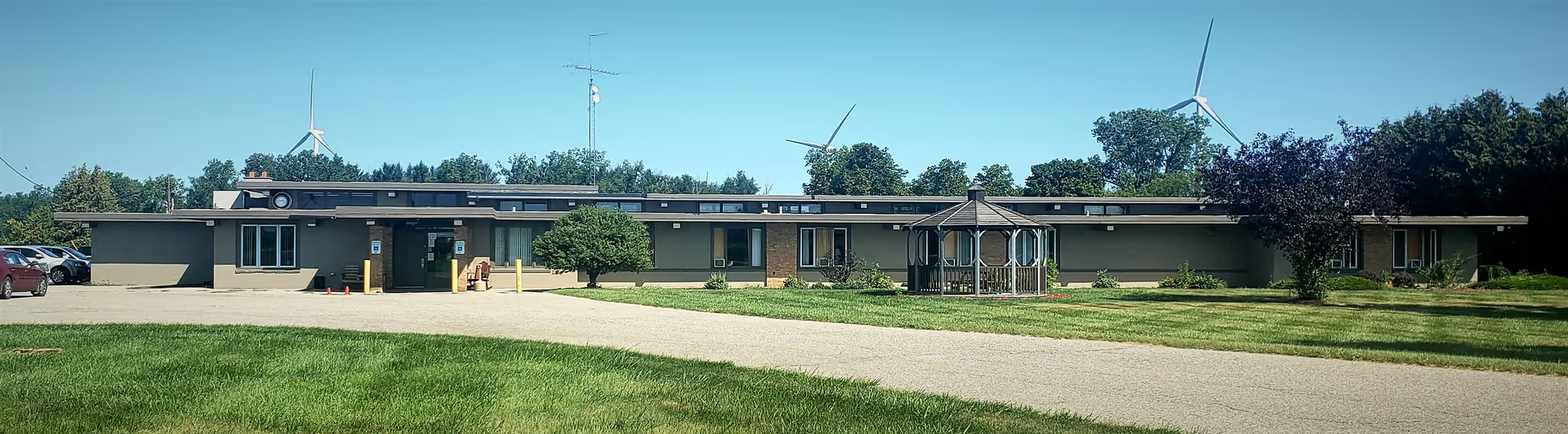
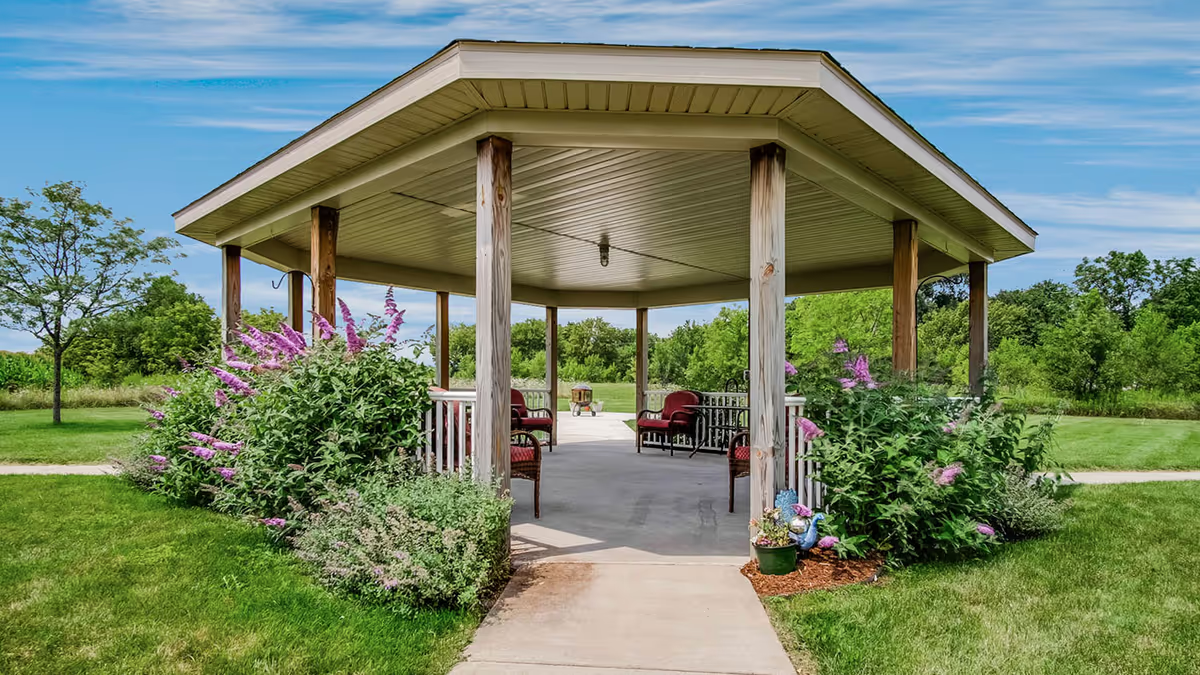
Reviewers describe a facility with clear strengths in environment, therapy and social programming, alongside operational issues that affect aspects of daily care. Positive comments consistently reference a warm, caring atmosphere: staff are described as emotionally supportive to both residents and families, and several accounts emphasize compassion during difficult moments. Short-term therapy services are presented as effective and meaningful, with at least one family noting full-hour therapy sessions. The building and resident rooms are frequently characterized as clean, roomy, and well maintained, and the dementia-care wing and common spaces receive favorable remarks.
Care quality presents a mixed picture. Clinical rehabilitation and therapy were singled out as a strength, but there are repeated indications of limited medical oversight and staffing constraints. Families raised concerns about access to on-site physicians and timely clinical follow-up, and some described problems with monitoring post-surgical wounds and escalating clinical issues when they arose. These operational gaps appear tied to broader staffing challenges: reviewers cited low caregiver-to-resident ratios and slow responses to call bells, which can delay assistance and clinical attention.
Staff behavior and communication are central to the experience. Many families praised individual caregivers and nursing staff for compassion and emotional support; instances of staff providing comfort to relatives were highlighted as meaningful. At the same time, other comments point to inconsistent nursing responsiveness and variations in communication tone, suggesting that interpersonal performance may vary by shift or individual. Management-level attention to staffing stability and training could address these inconsistencies.
Dining and activities also produced mixed feedback. One reviewer noted a pleasant dining area and that a resident enjoyed meals, while others characterized food quality as inconsistent. Daily activities and social interactions are viewed positively, and the facility’s dementia services are noted as an asset for residents who need that level of care.
In summary, the facility shows strengths in environment, therapy, dementia programming, and compassionate individual staff interactions. However, operational issues — primarily inadequate staffing, slow response times, limited physician availability, and gaps in wound-care monitoring — surface repeatedly and affect perceptions of overall care reliability. Prospective residents and families should weigh the facility’s therapeutic and social strengths against these operational concerns and, if possible, ask management for current staffing ratios, physician coverage policies, and protocols for post-surgical monitoring during a tour or pre-admission conversation.