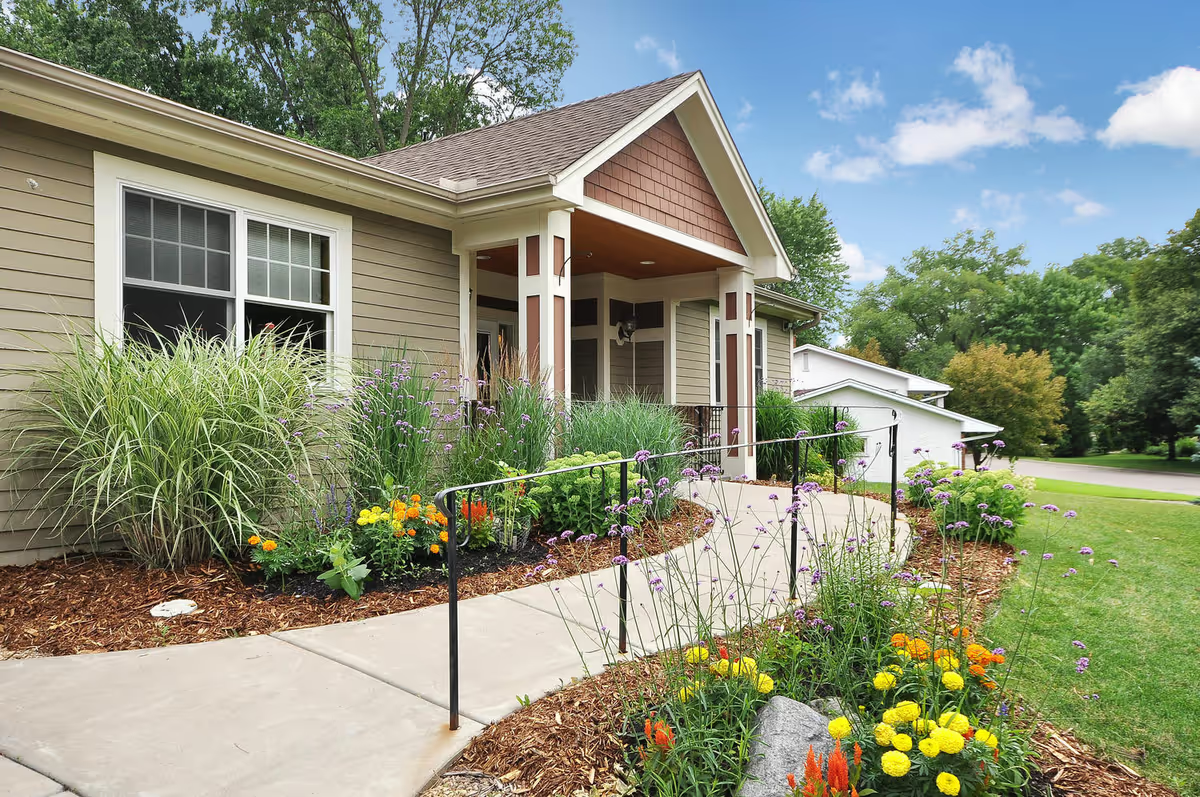
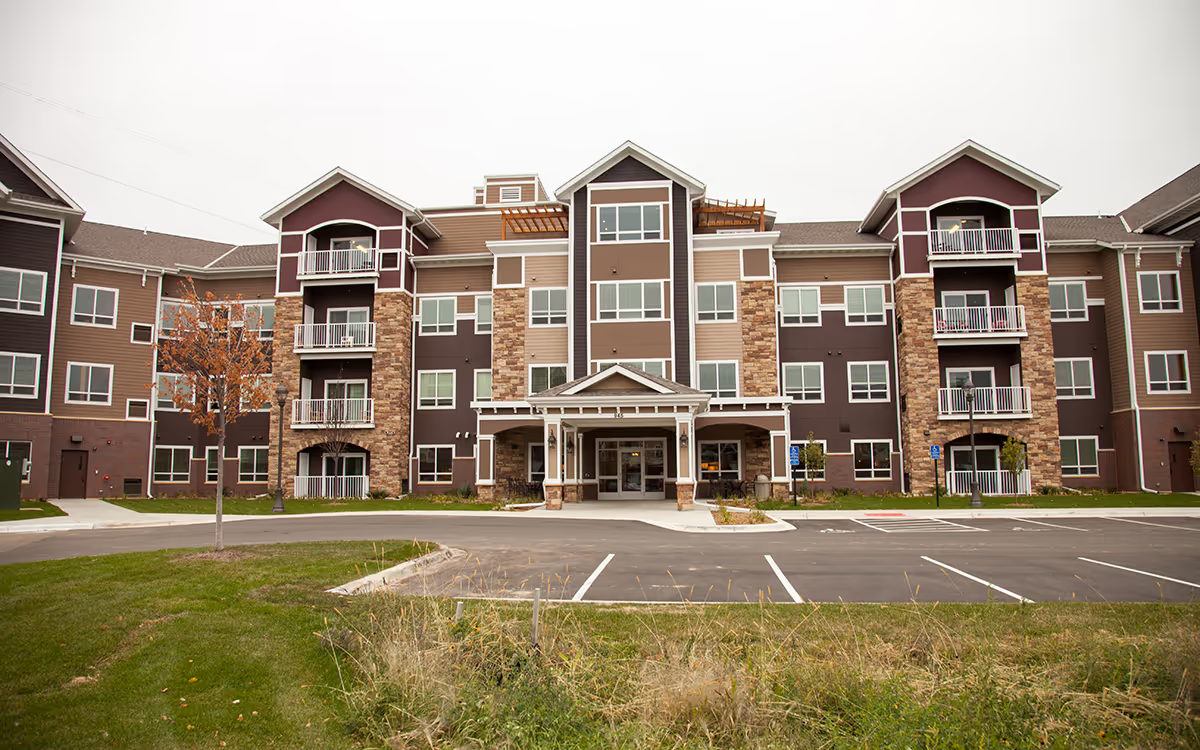
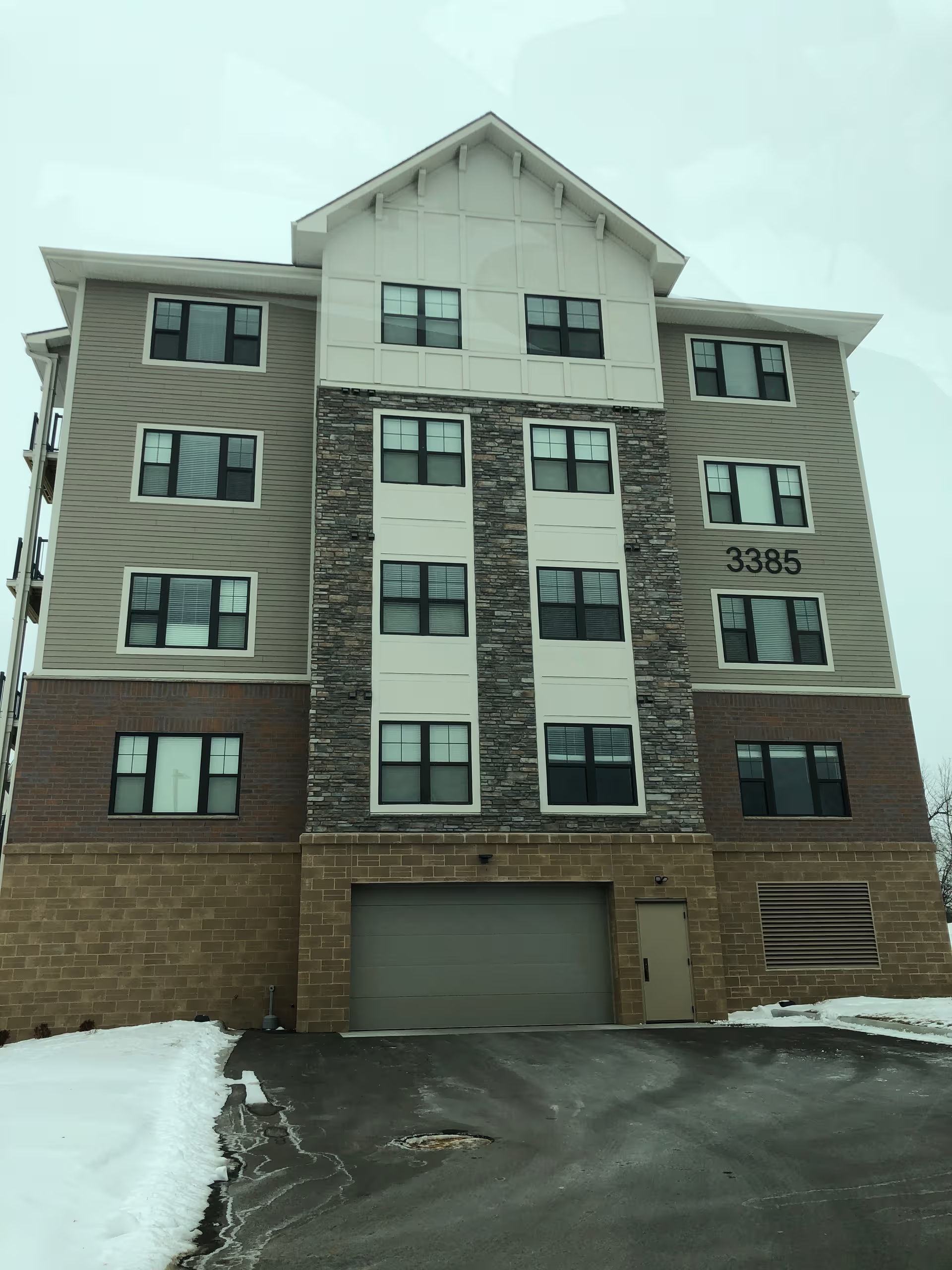
Reviews for Good Samaritan Society - Inver Grove Heights present a mixed picture: many families emphasize warm, individualized caregiving and positive social engagement, while others describe operational shortcomings that affect safety, comfort, and communication. Strengths cited include staff who provide compassionate bedside care, meaningful one-on-one attention, and active social programming that helps residents build friendships. Several accounts note helpful office staff, private rooms, attractive outdoor grounds, and specific staff members — including a new administrator — who have focused on improvements and responsiveness.
Care quality is uneven. Positive narratives describe personalized care plans, comfort-focused approaches, and supportive therapy interventions that aid resident progress. At the same time, there are consistent concerns about delays in responding to resident requests, medication-timing problems, and lapses in following physician orders. Some reviewers described inconsistencies in wound care and other clinical practices; these are presented as operational patterns rather than isolated compliments. Therapy and rehabilitation services appear beneficial when delivered as planned, but there are multiple accounts of scheduled therapy not being consistently provided.
Staff behavior and communication are a major source of variation. Many families praise individual nurses and aides for empathy, clear updates, and family engagement. Contrasting accounts highlight brusque interpersonal communication, slow call-light responses, and uneven family notification about changes in condition. Perceptions of favoritism or nepotism were also raised, which reviewers linked to morale and consistency issues. Staffing levels and allocation emerge repeatedly as a root cause for delayed assistance and variable care continuity.
Dining and basic comforts show notable inconsistency. Some residents and families report satisfactory meals and accommodating dietary adjustments; others describe poor meal quality and unmet dietary needs. Environmental concerns include room-temperature control issues, maintenance needs, and sanitation-related problems such as inconsistent linens management and general cleanliness—matters that reviewers indicate directly affect resident comfort and dignity.
Management and processes receive both praise and critique. The facility has a newly visible administrator praised for taking corrective steps and engaging with families; several reviewers note improvement after leadership changes. However, there are recurrent comments about weak discharge planning, miscommunication during transitions of care, and occasional administrative errors that cause distress. Infection-control and other clinical-safety practices were questioned in several accounts, suggesting areas for targeted quality improvement.
Overall pattern: the facility demonstrates genuine strengths in person-centered caregiving, social engagement, and leadership that is attempting to address problems. Persistent operational weaknesses—especially around staffing consistency, medication and clinical-order adherence, sanitation practices, dining reliability, and discharge coordination—are the primary drivers of negative experiences. Prospective residents and families would likely benefit from focused questions during a tour: ask about current staffing levels and call-response times, medication and wound-care protocols, how therapy schedules are tracked, meal accommodation processes, and recent quality-improvement actions undertaken by the new administration.