The reviews reflect a polarized picture of care at this facility. A consistent strength is its rehabilitation focus: multiple families praised the quality of physical and occupational therapy, describing individualized, intensive programs and helpful follow-up that supported return-to-home goals. Several reviewers also highlighted effective discharge planning and transitional-care processes, and the on-site therapy team is frequently cited as a core competency.
Direct caregiving drew mixed reactions. Many accounts describe compassionate, attentive aides and clinicians who provide calming support and advocacy for residents. At the same time, an important pattern of operational concerns emerges: inconsistent staffing (especially at night), variable clinical competency among aides, and delays in attending to basic needs. These operational weaknesses manifest as medication-management and documentation gaps, inconsistent assistance with transfers and fall-prevention, and delays in incontinence care and bathing/linen turnover.
Dining and daily routines were another area of divergence. Multiple reviewers described effective, pleasant dining spaces and private dining options, while a sizable number of reviews raised concerns about meal temperature, limited choices, and meal-service continuity. Activity programming was described by some as adequate for visitors (puzzles, books, common-room amenities), but other reviewers characterized the environment as more institutional and noted sparse scheduled activities and a need for a more home-like atmosphere.
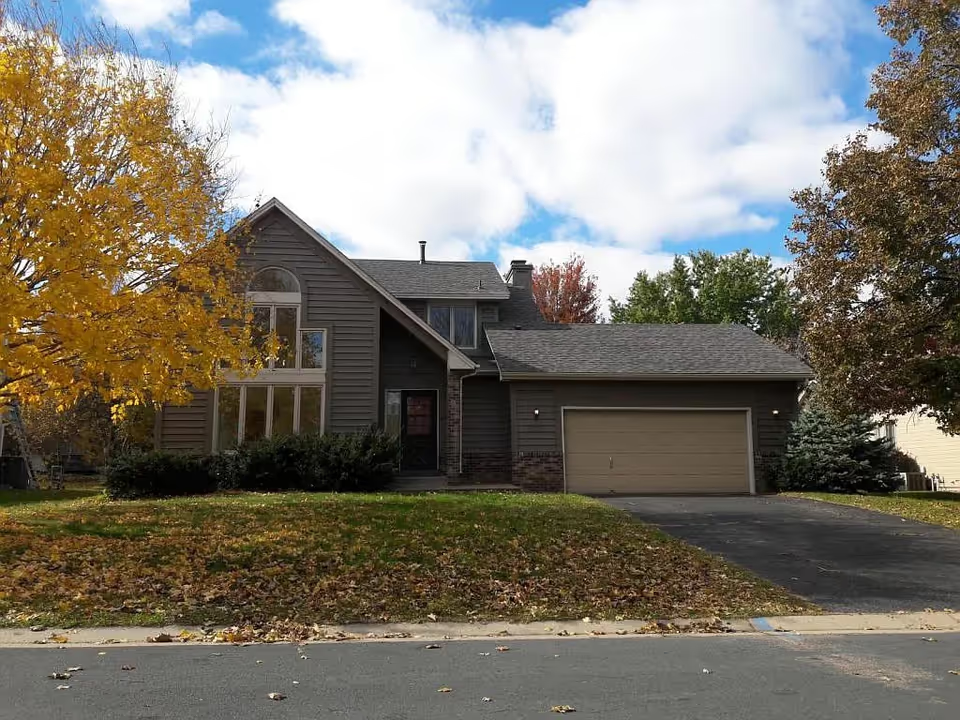
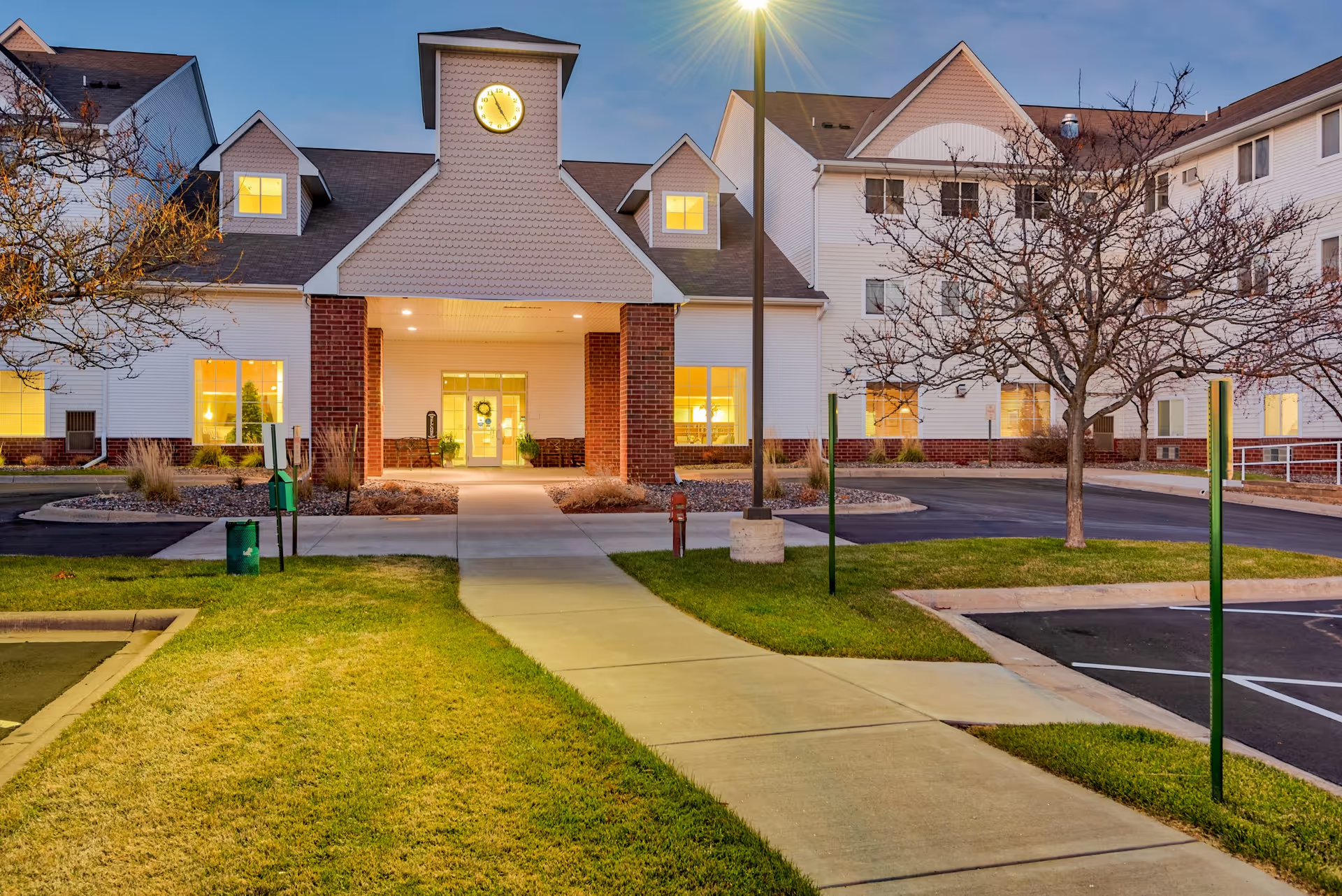
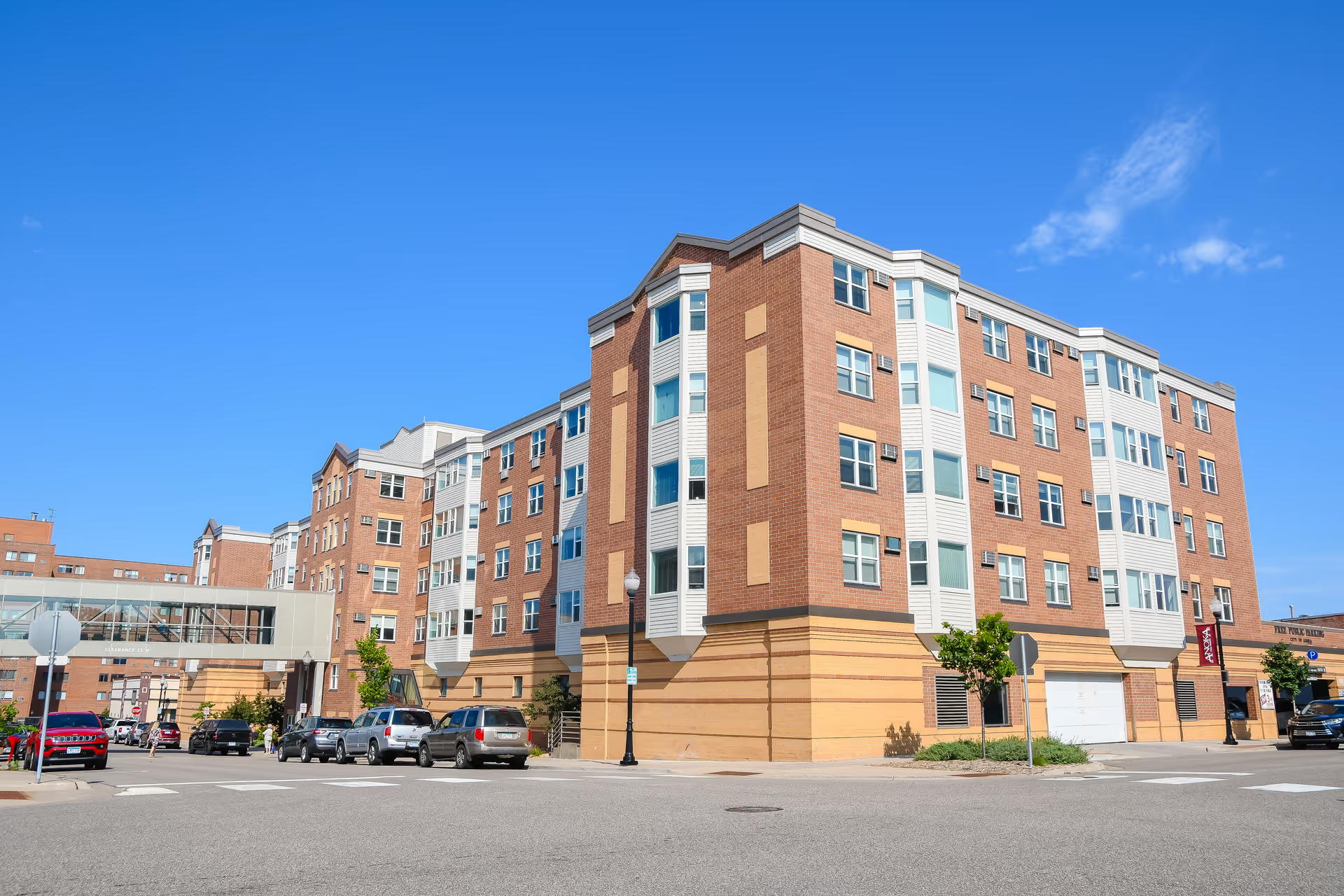
The facility’s physical plant appears to be older with attendant maintenance needs: reviewers noted small, cramped rooms in some areas, limited private-room availability, and visible maintenance fixes that suggest aging infrastructure. Cleanliness and room upkeep are generally described positively in some comments, but other accounts describe sanitation concerns and inconsistent housekeeping practices. Infection-control consistency was also questioned, including a cited outbreak and interactions with regulatory authorities; families described difficulty obtaining satisfactory explanations in some instances.
Management and communication also show variability. Several families praised responsive administrators, proactive directors of nursing, and staff who provided clear clinical updates. Conversely, others reported poor responsiveness to complaints, language barriers with staff, and unsatisfactory handling of sensitive situations — including concerns about end-of-life communication and privacy. Taken together, the pattern suggests a facility with strong rehabilitation capabilities and many dedicated staff members, but with recurring operational issues in staffing, medication and infection-control processes, meal service, and family communication that prospective residents and families should evaluate closely during a tour and pre-admission discussion.