Overall impression: The Living Center receives frequent praise for its interpersonal care and the general environment. Reviewers highlight compassionate, patient-focused medical care and clear, thorough discussions with providers. Front-desk personnel and caregiving staff are commonly described as friendly and welcoming, and certified nursing assistants are specifically recognized for attentive, caring work. The facility projects a small‑town, approachable atmosphere that many families characterize as exceeding expectations and recommend to others.
Care quality and clinical services: Clinical staff and daily caregiving are convincing strengths—family comments emphasize individualized attention and responsiveness from CNAs and the medical team. At the same time, there are indications of variability within clinical support functions. Diagnostic imaging interactions, including an unfriendly MRI technologist and poor communication about imaging, suggest inconsistent professionalism and gaps in how diagnostic services are coordinated and communicated to families. Prospective residents should confirm how the facility manages outside diagnostics and how results and follow-up are communicated.
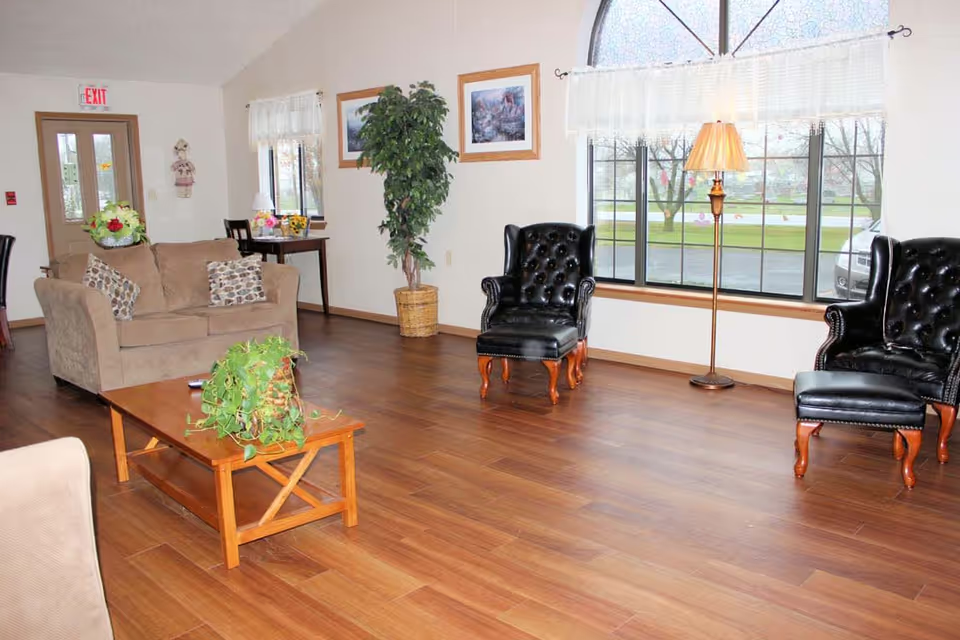
Activities, facilities, and operations: The Living Center offers regular daily activities and attractive common spaces, including a pleasant living room and an outdoor garden with a gazebo. Administrative processes such as sign-in and admissions are described as efficient. These operational strengths complement the caregiving staff’s positive rapport with residents and visitors. However, an extreme negative comment raised concerns about pet safety; this stands out as an outlier but indicates potential weaknesses in pet accommodations or policies. Families who plan to bring pets should ask specific questions about pet procedures, on-site supervision, and safety.
Management and notable patterns: Several comments note a management change and a new administrator, with at least one comment that management has improved; detail on the transition is limited. That suggests a recent leadership shift that may be improving operations but would benefit from clearer communication. The dominant pattern is strong, personable staff and positive daily life, tempered by isolated but notable operational issues in diagnostic services and pet accommodations. Recommended next steps for families: schedule an in-person tour, ask for examples of how diagnostic results are communicated and escalated, request current information about pet policies and supervision, and inquire about leadership stability and staffing practices to understand how consistent these positive attributes are likely to be over time.