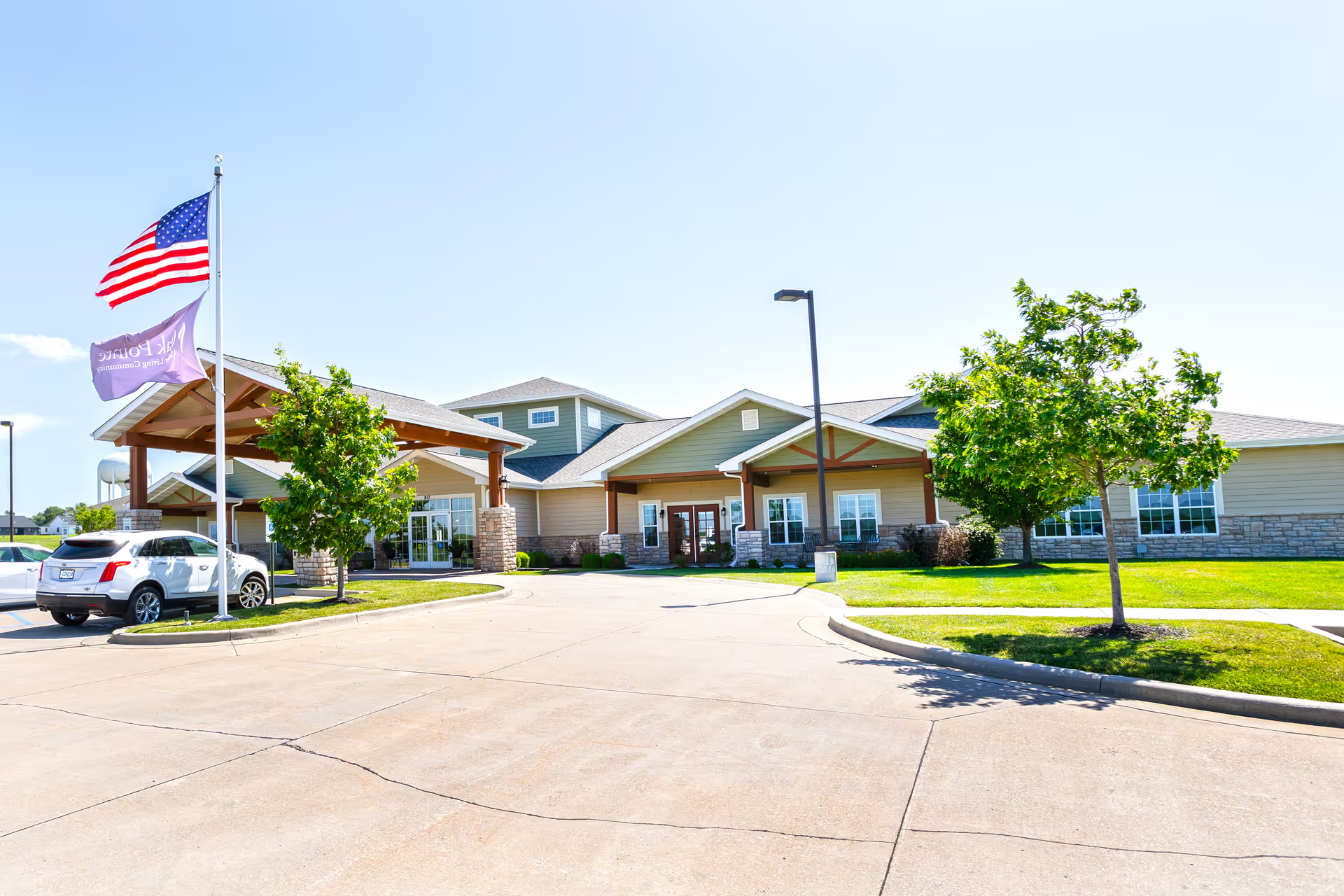
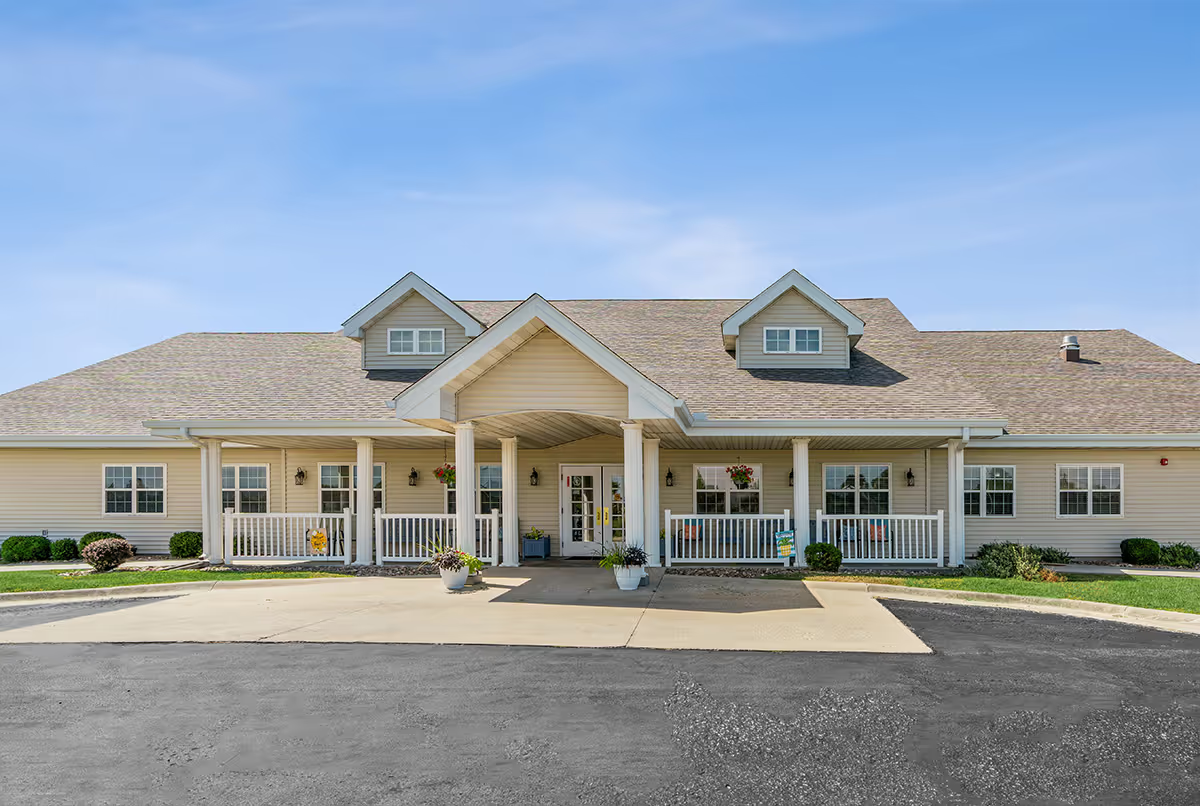
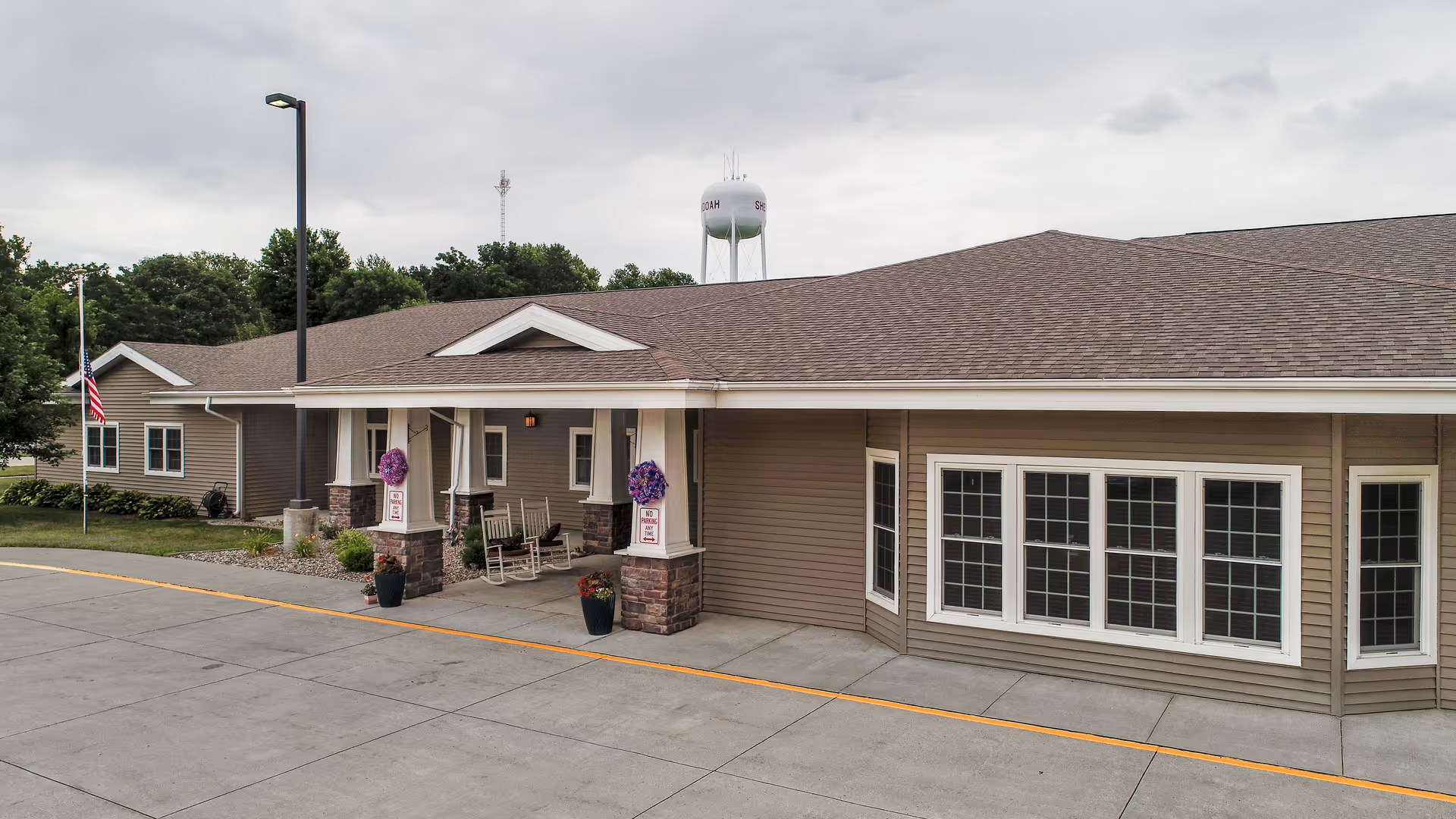
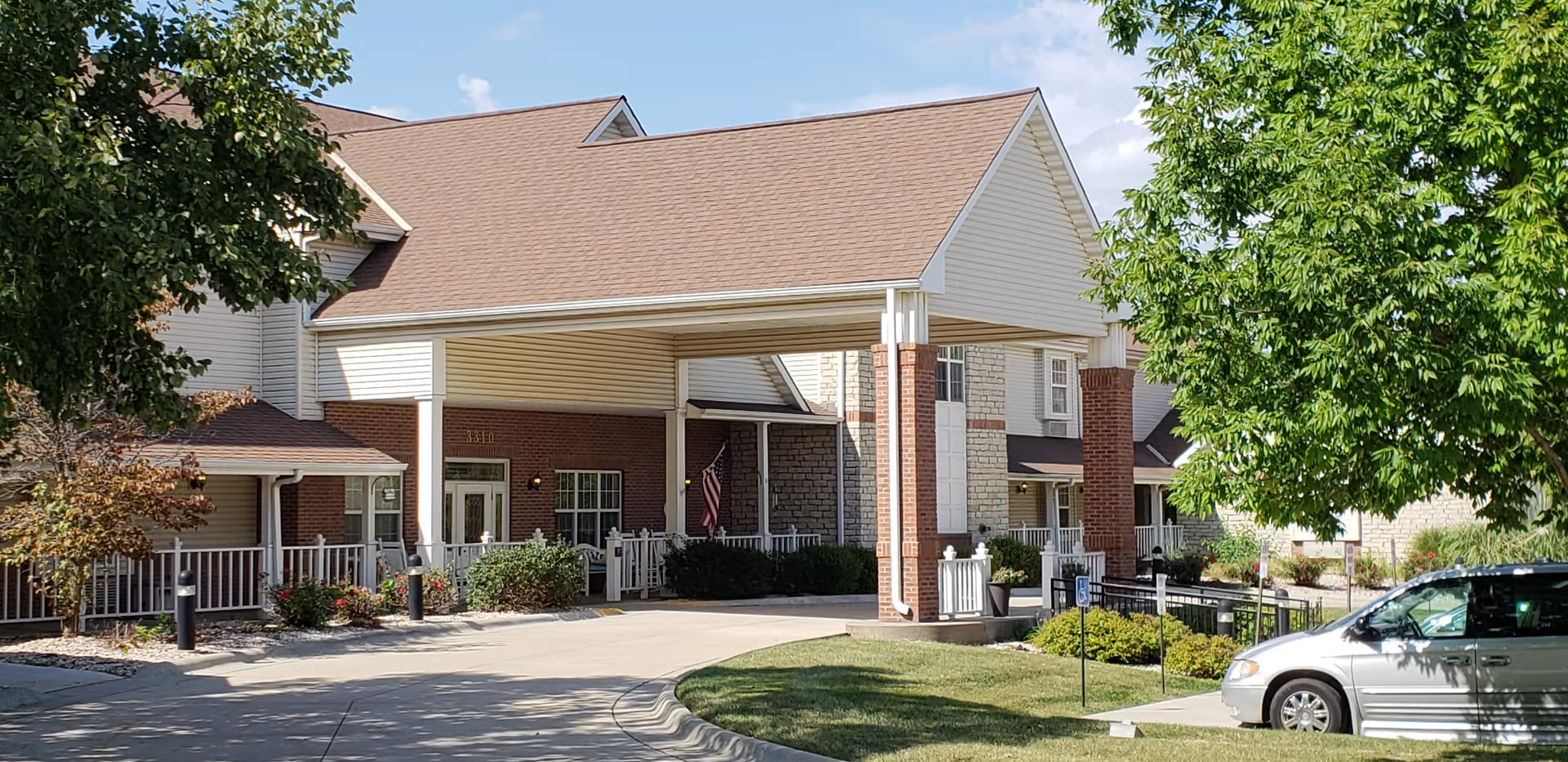
The reviews for Nodaway Nursing Home present a mixed picture with distinct clusters of positive and negative experiences. On one hand, families and some recent residents describe compassionate nursing, effective rehabilitation aimed at discharge home, appealing meals, engaging activities, a secure campus, and a rural, community-focused environment. On the other hand, other families report operational weaknesses that they believe affected care timeliness, property handling, and clinical safety.
Care quality appears inconsistent across reviews. Several accounts praise skilled, supportive nursing and an effective rehab-to-home program that helped residents recover. Conversely, other accounts describe delayed responses to call lights, concerns about medication handling, and instances in which residents did not receive timely assistance. These contrasting descriptions suggest variability in care delivery that may be linked to staffing patterns and procedural gaps.
Staff behavior and communication are likewise described in mixed terms. Positive feedback highlights friendly, respectful, and compassionate interactions, including supportive end-of-life care. Negative feedback raises concerns about unprofessional communication with families, perceived discourteous tone from individual employees, and supervisory practices that some families say undermine staff accountability. Short staffing is mentioned as a factor that likely contributes to slower response times and inconsistent interactions.
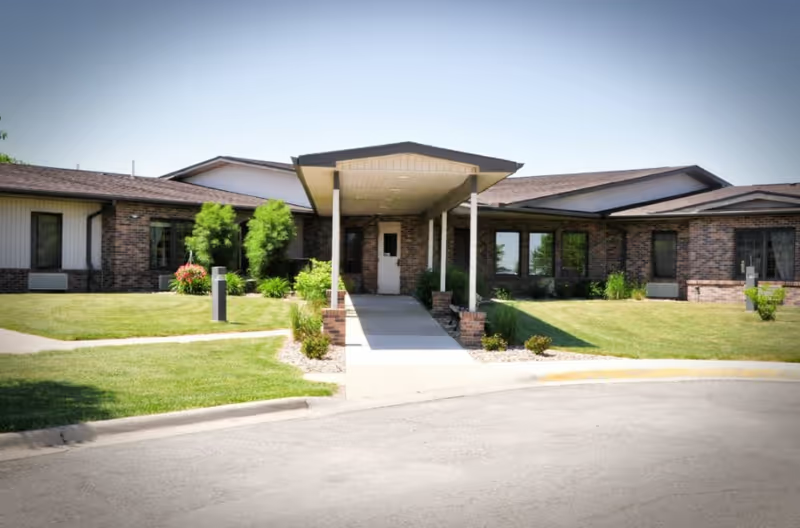
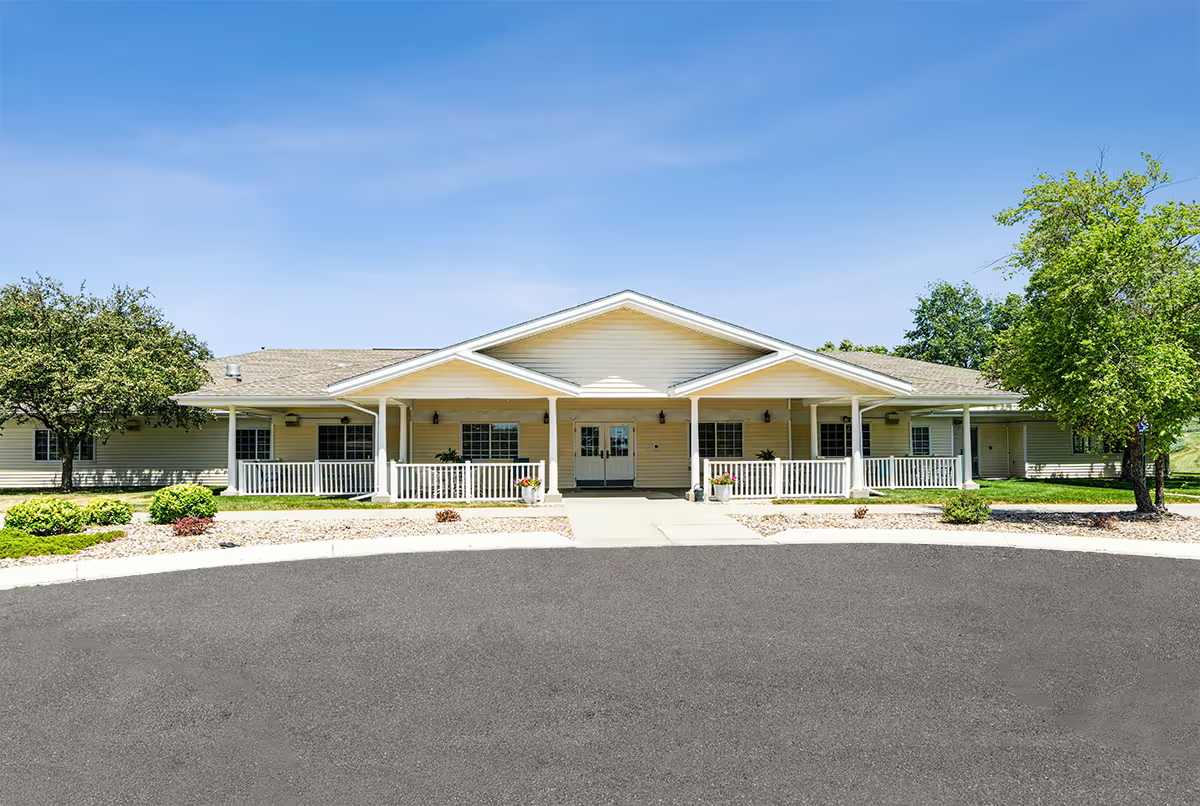
Dining and activities are generally cited as strengths. Multiple reviewers note nutritious, well-presented meals and a program of recreational and social activities that engage residents. Facility observations are similarly divided: some reviewers describe clean, well-maintained common areas and a secure campus, while others highlight sanitation and housekeeping shortfalls in resident rooms and certain shared spaces.
Operational and management-level issues emerge as recurring themes. Reviews point to weaknesses in personal-property tracking during hospital transfers, gaps in medication-administration controls, and supervisory practices that may affect morale and accountability. These are facility-level concerns that can influence resident safety and family trust even when some frontline staff provide high-quality care.
Overall, prospective residents and families should weigh the facility's demonstrated strengths in rehabilitation, meals, activities, and community setting against reported variability in cleanliness, staffing consistency, responsiveness, property-handling, and clinical-safety processes. If considering admission, families may wish to ask management for current data on staffing levels, infection-control and housekeeping protocols, medication-administration safeguards, property-transfer procedures, and examples of how the facility addresses family communication concerns. An up-to-date tour that includes observation of call-light responsiveness and a discussion of transition handoffs would help clarify how the facility's operational practices match the positive elements highlighted by some reviewers and the concerns raised by others.