The aggregated reviews present Admiral's Pointe Nursing and Rehabilitation as a facility with notable strengths in short-term rehabilitation and resident engagement. Rehabilitation services, particularly physical therapy, are described as effective and proactive; staff participation in structured interdisciplinary care meetings and provision of assisted transport for therapy contribute to a coordinated rehab experience. Reviewers emphasize that therapists and therapy teams push appropriate progress and maintain a thorough therapy program.
Staff behavior and administrative support are frequent positives. Caregiving staff are characterized as attentive, patient, and dedicated, and administrative personnel provide hands-on assistance with insurance and billing matters that can reduce residents' out-of-pocket costs. These operational elements suggest a facility that combines clinical focus with practical help for families navigating payment and coverage questions.
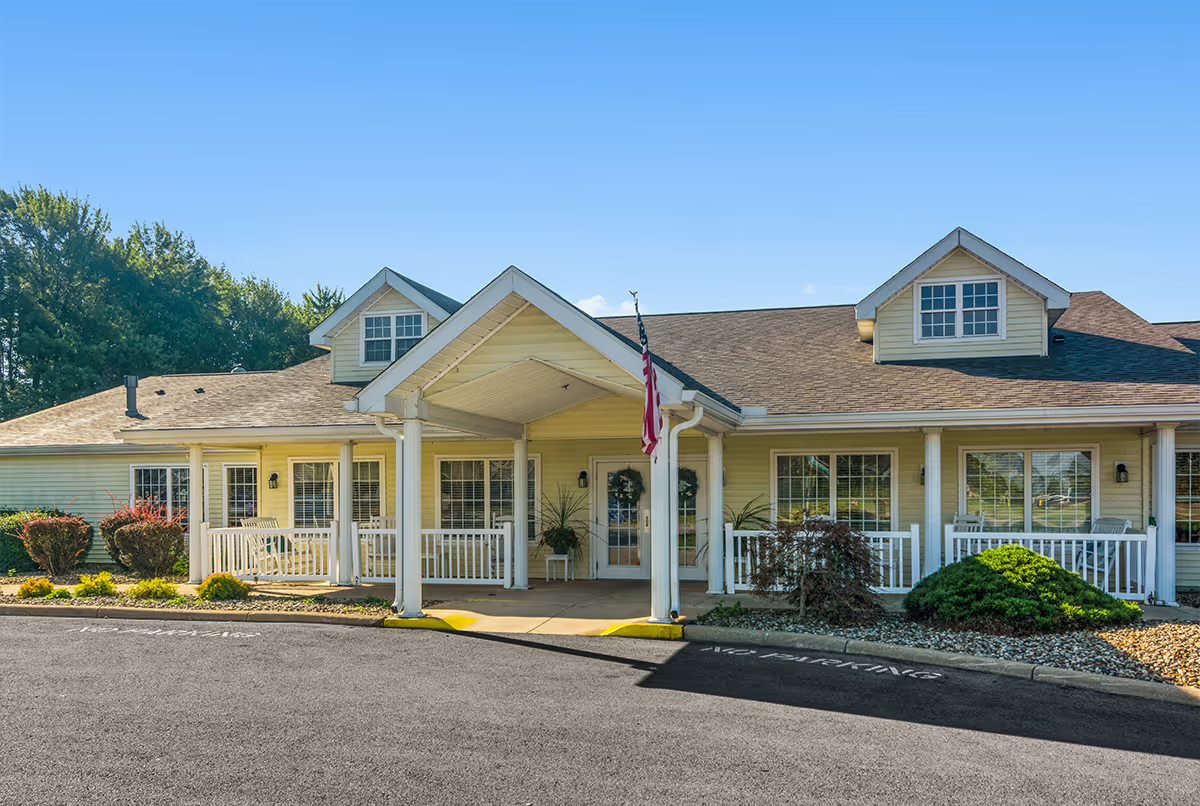
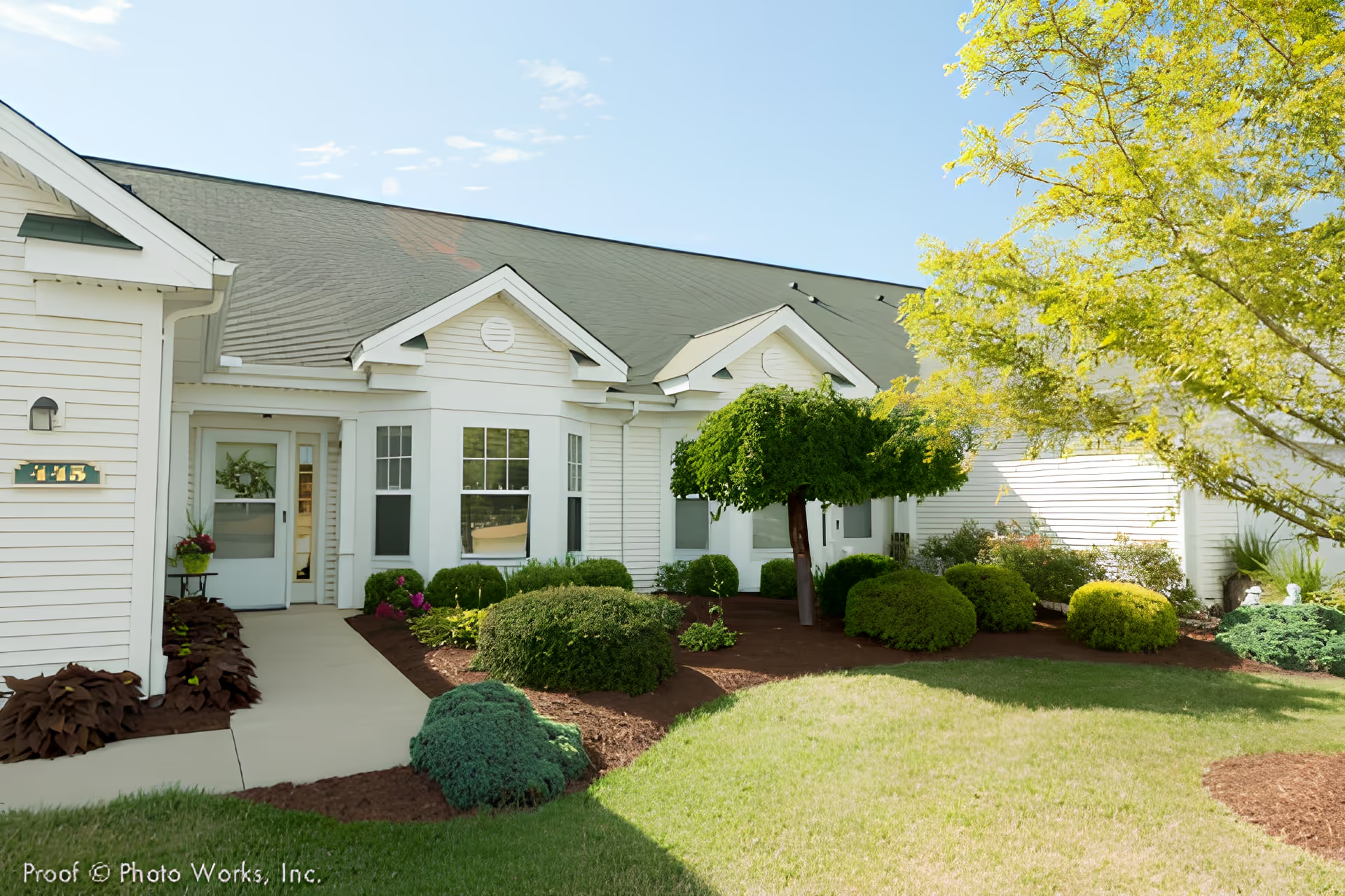
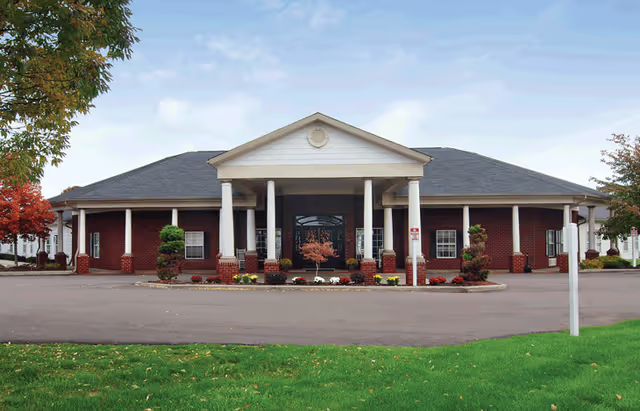
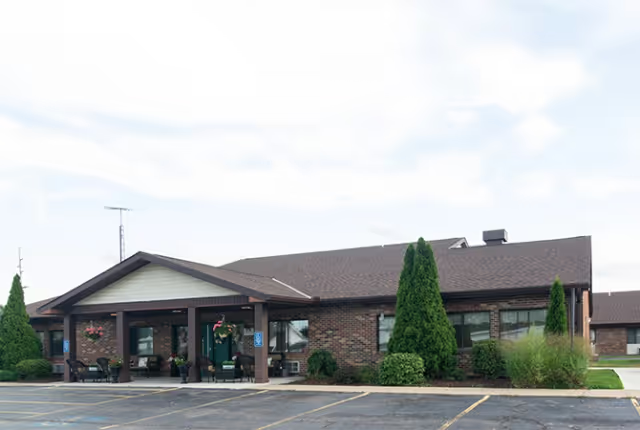
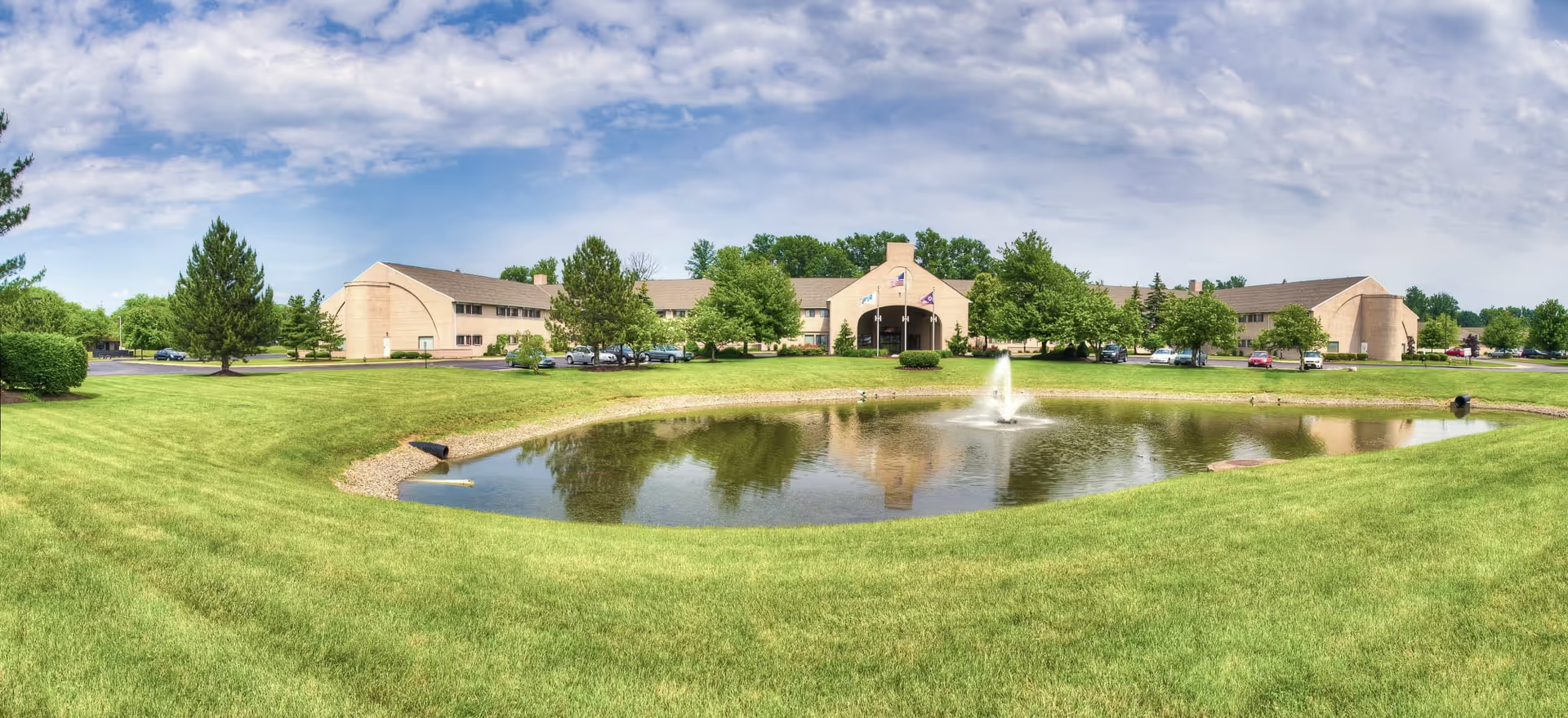
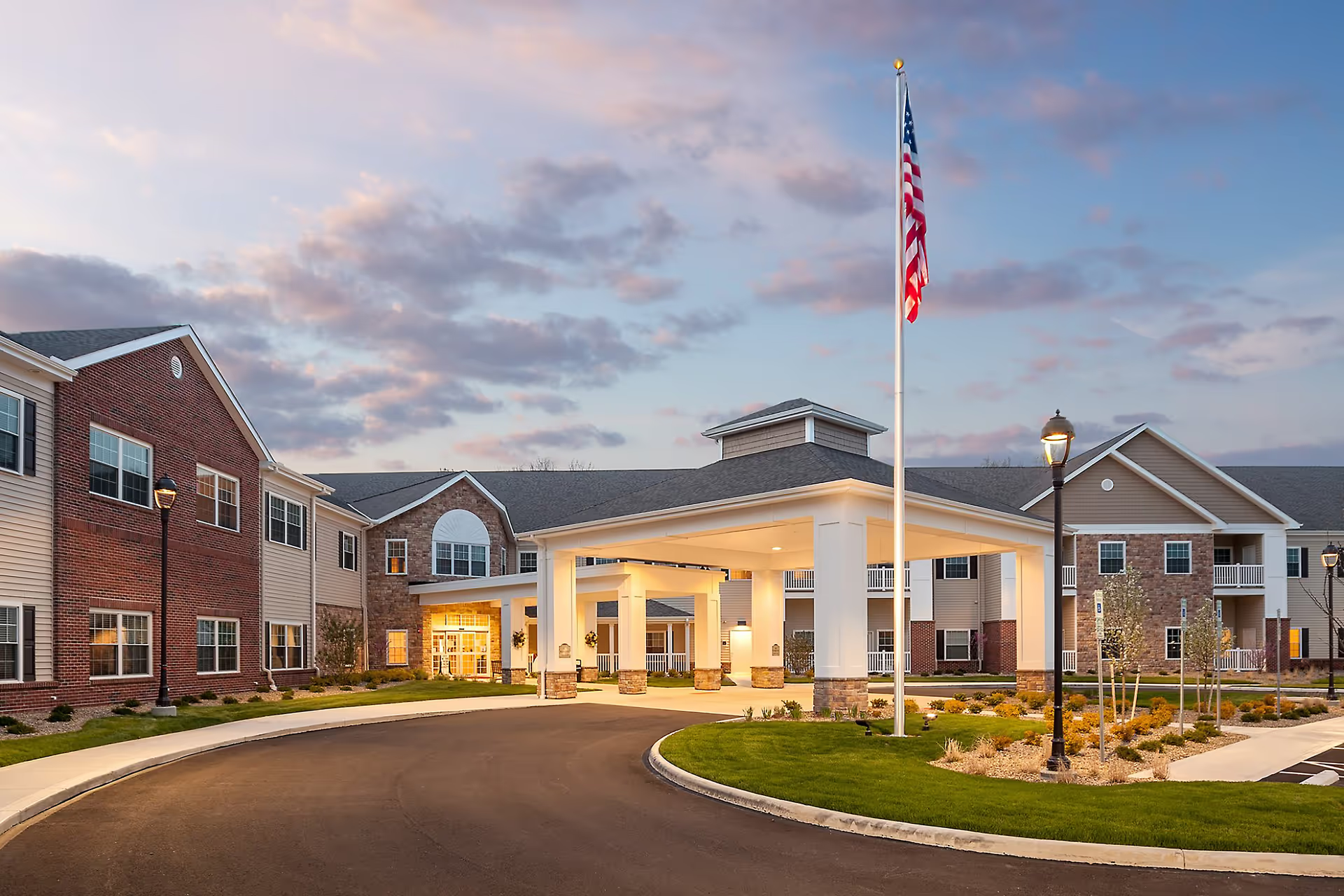
Dining and activities receive favorable attention. The dining room and food quality are described positively, and the facility offers a predictable schedule of daily activities and programmed events such as movies. Communal amenities — including a library, a welcoming lobby with modern furniture, and well-kept landscaping with pleasant outdoor views — support social interaction and a home-like atmosphere. A deliberate emphasis on social programming is reflected in policies that discourage in-room television use to encourage engagement in shared spaces.
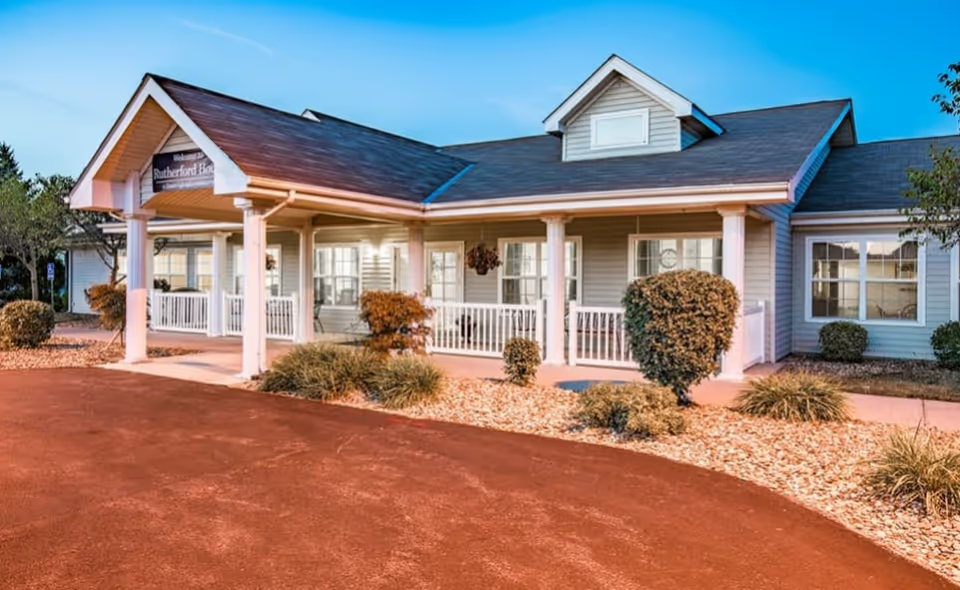
Physical environment and unit configuration are generally described as clean and inviting. Reviewers note both private rooms and average-size double rooms; the latter may have limited personal space compared with private accommodations. The facility also houses a dedicated Alzheimer’s/dementia unit, though reviewers provided fewer operational details about memory-care staffing and programming than about rehabilitation services.
Notable patterns and considerations: the facility’s strengths center on rehabilitation quality, responsive and compassionate staff, cleanliness, and structured activities. Potential trade-offs include policies that prioritize communal engagement over in-room autonomy and limited square footage in shared rooms — factors that may matter to residents who prefer more private or in-room entertainment options. Prospective residents and families visiting the campus may wish to confirm room configurations, in-room policy specifics, and memory-care program details during a tour to ensure alignment with individual preferences and needs.