Overall impression: The reviews portray Homestead II as a small, community-oriented skilled nursing facility with several pronounced strengths and a few notable operational weaknesses. Many families emphasize a caring, long-tenured staff and a family-like culture; these staff strengths are frequently linked to positive clinical experiences (skilled PT/OT), supportive end-of-life transitions, and active resident engagement through activities and events.
Care and staff: Clinical care is described in polarized terms. Numerous accounts highlight compassionate, attentive caregivers, strong therapy services, vigilant medication and feeding-tube practices in some cases, and 24/7 nursing access. Reviewers also emphasize long staff tenure and hands-on leadership that provides proactive progress reports and good family communication. At the same time, a subset of reviews raise serious concerns about inconsistent responsiveness—particularly overnight—and lapses in timely clinical intervention. These contrasting accounts suggest variability in care experience that prospective families should investigate through direct questions about staffing patterns, shift coverage, and clinical escalation protocols.
Dining and activities: Dining is consistently cited as a facility strength. Multiple reviewers note tasty, well-prepared meals and the presence of dietitian oversight. Activities programming appears active and welcoming, with regular social offerings (Bingo, library, communal TV areas) and well-organized seasonal events that contribute to a warm atmosphere and family engagement.
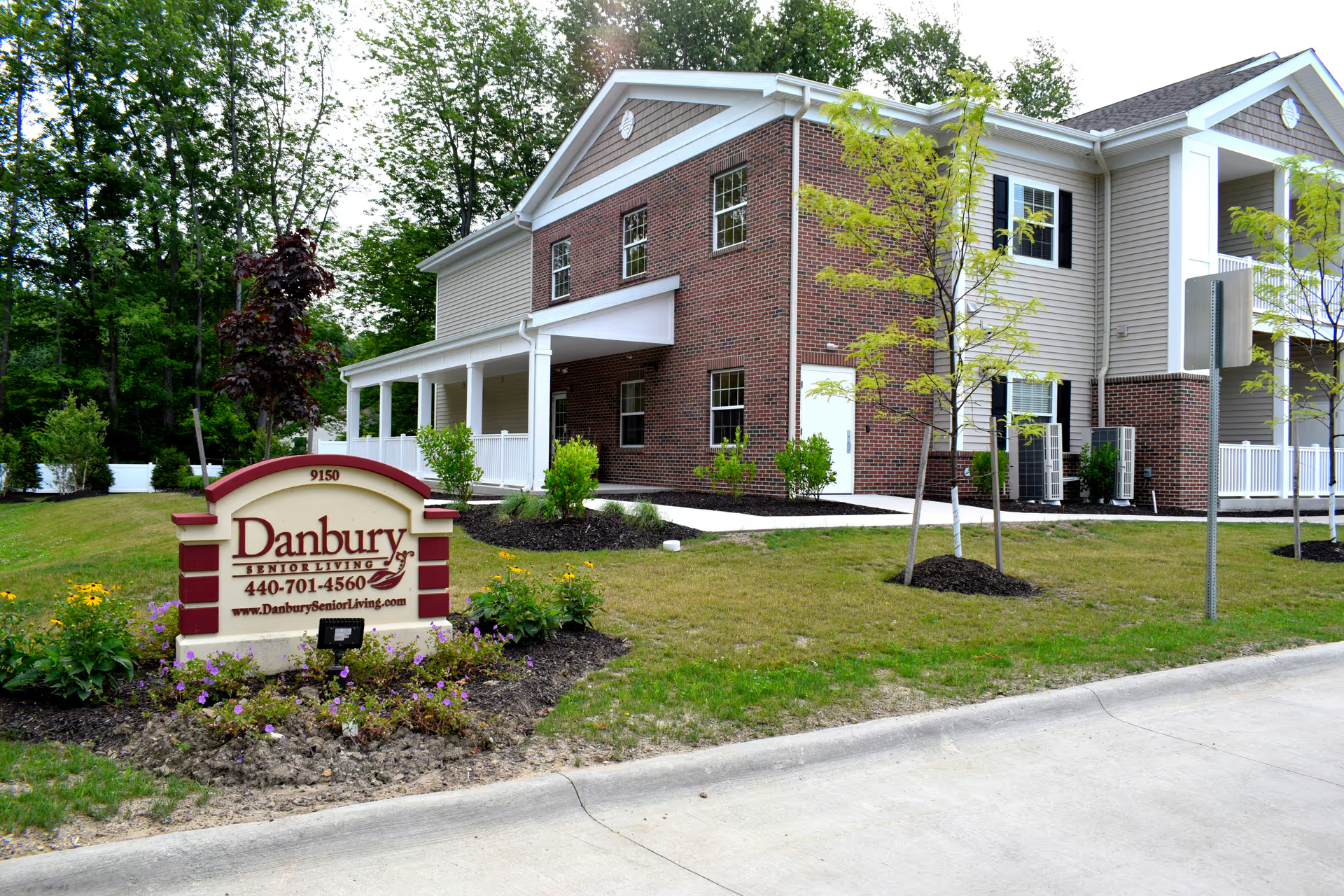
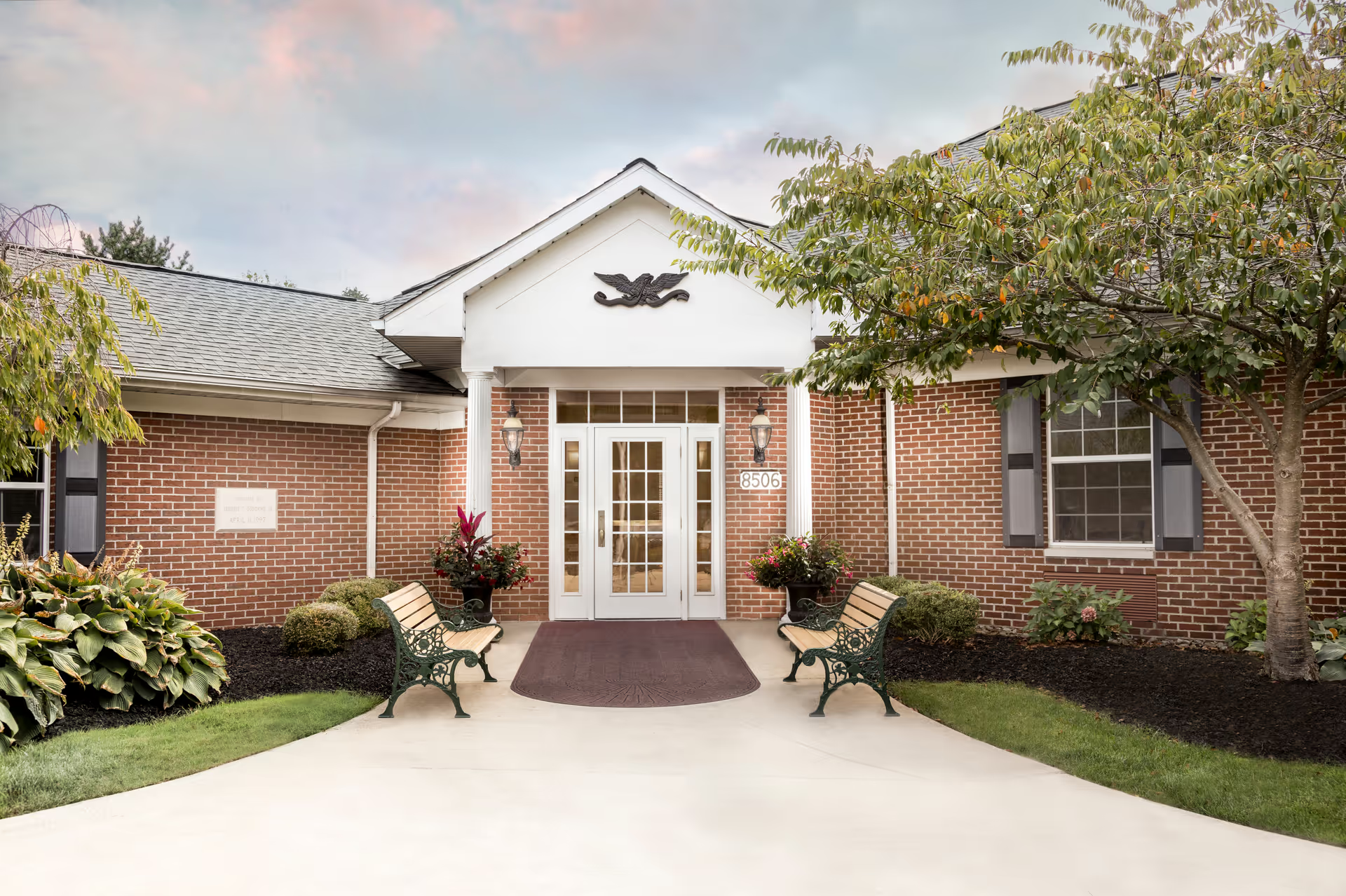
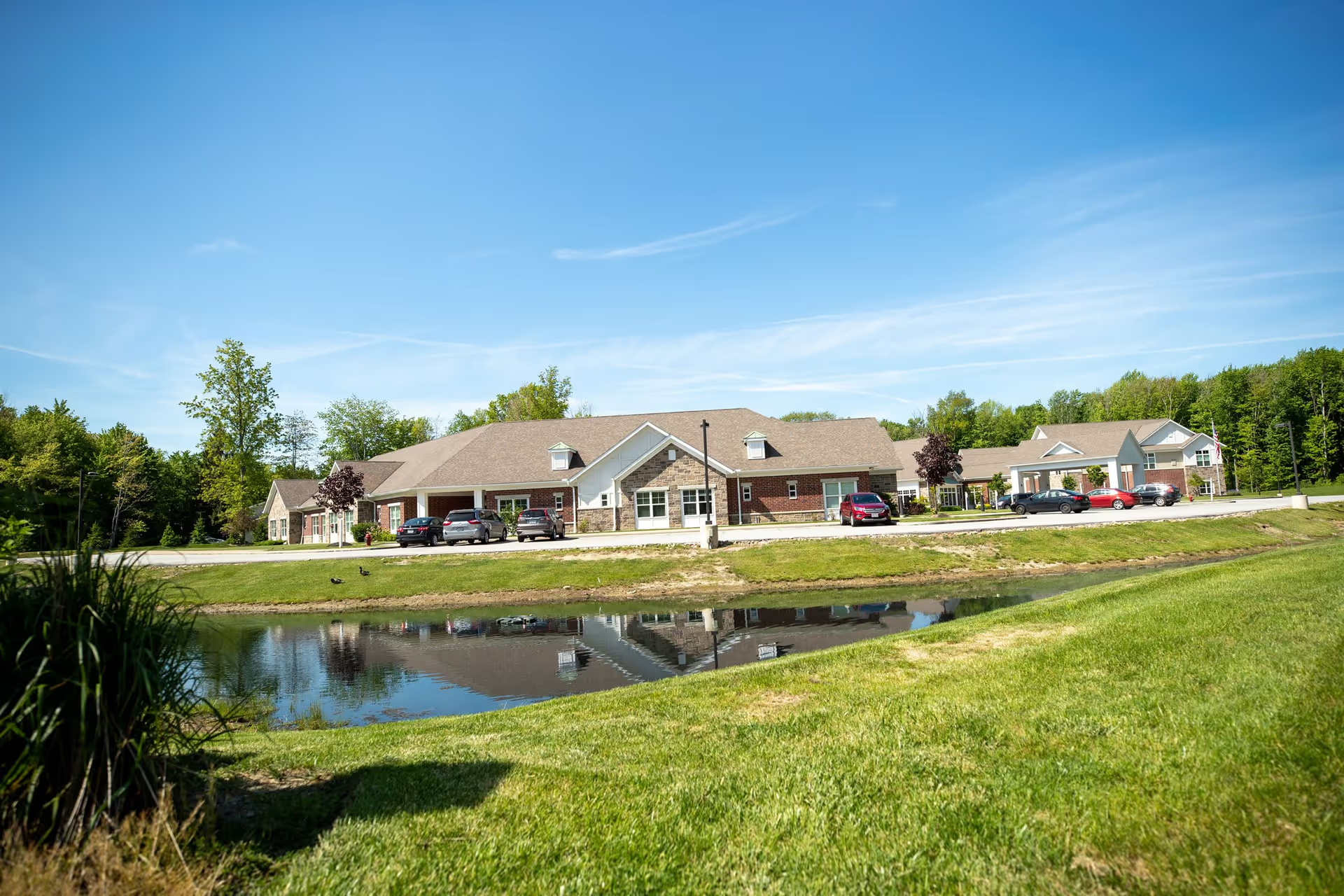
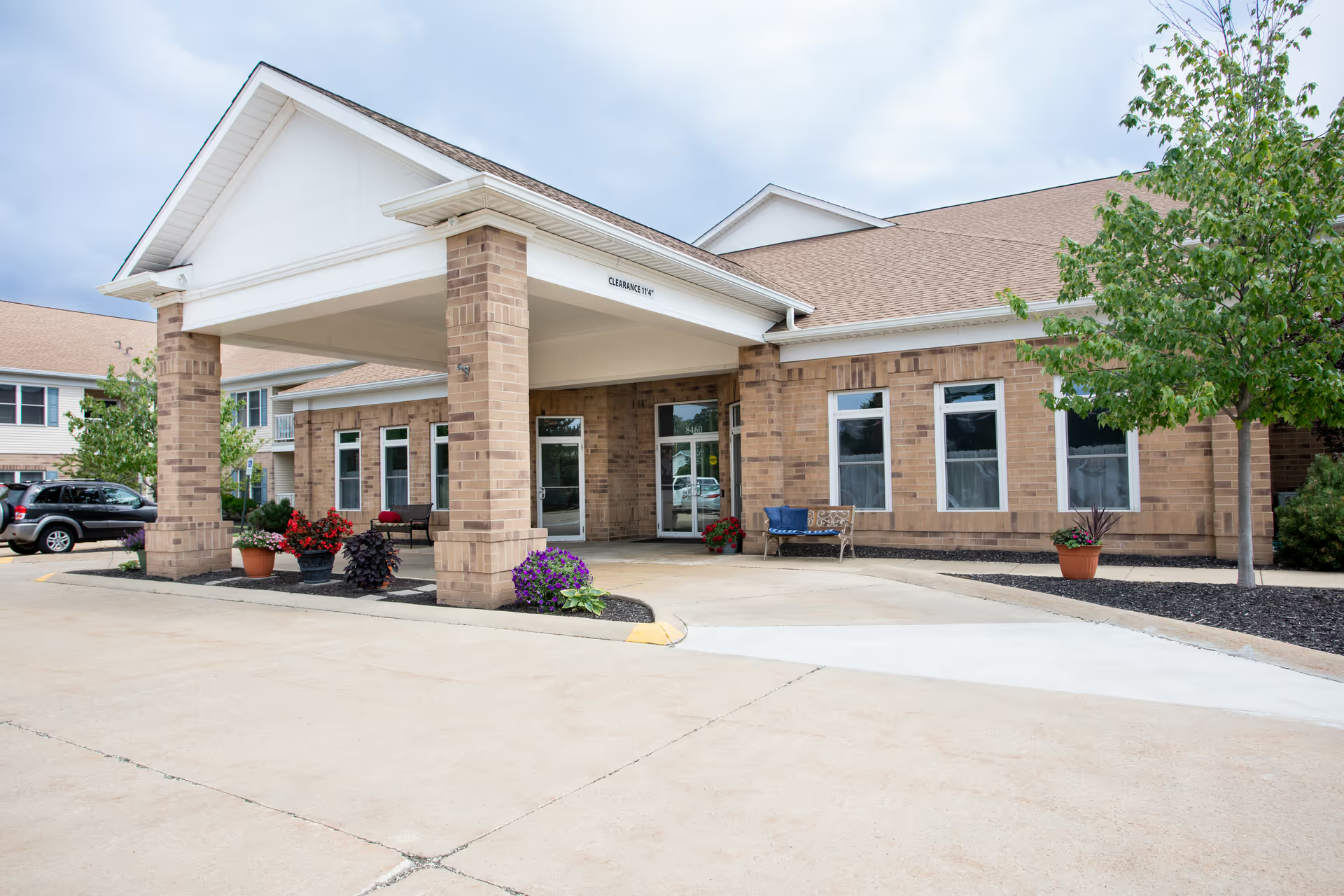
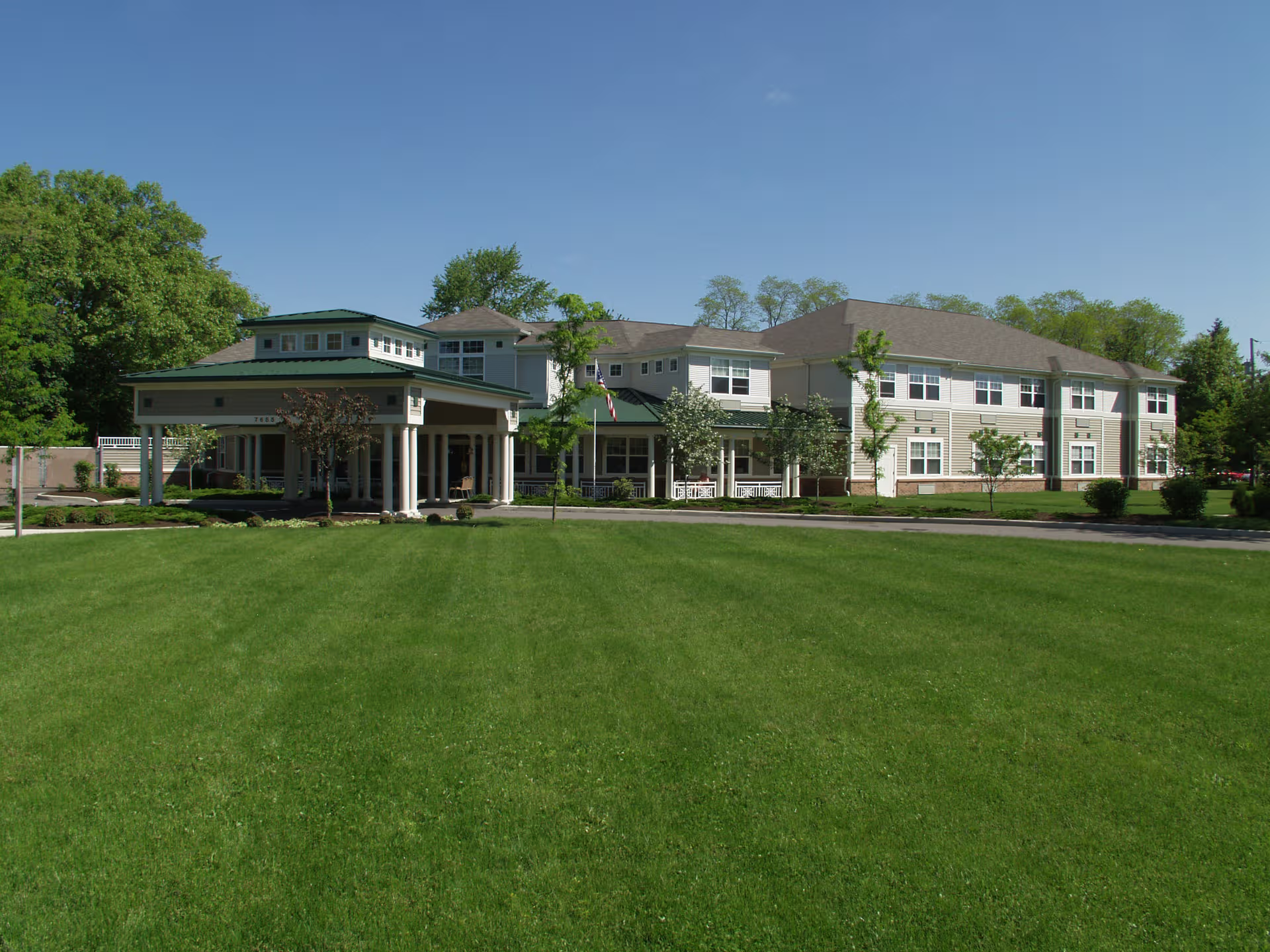
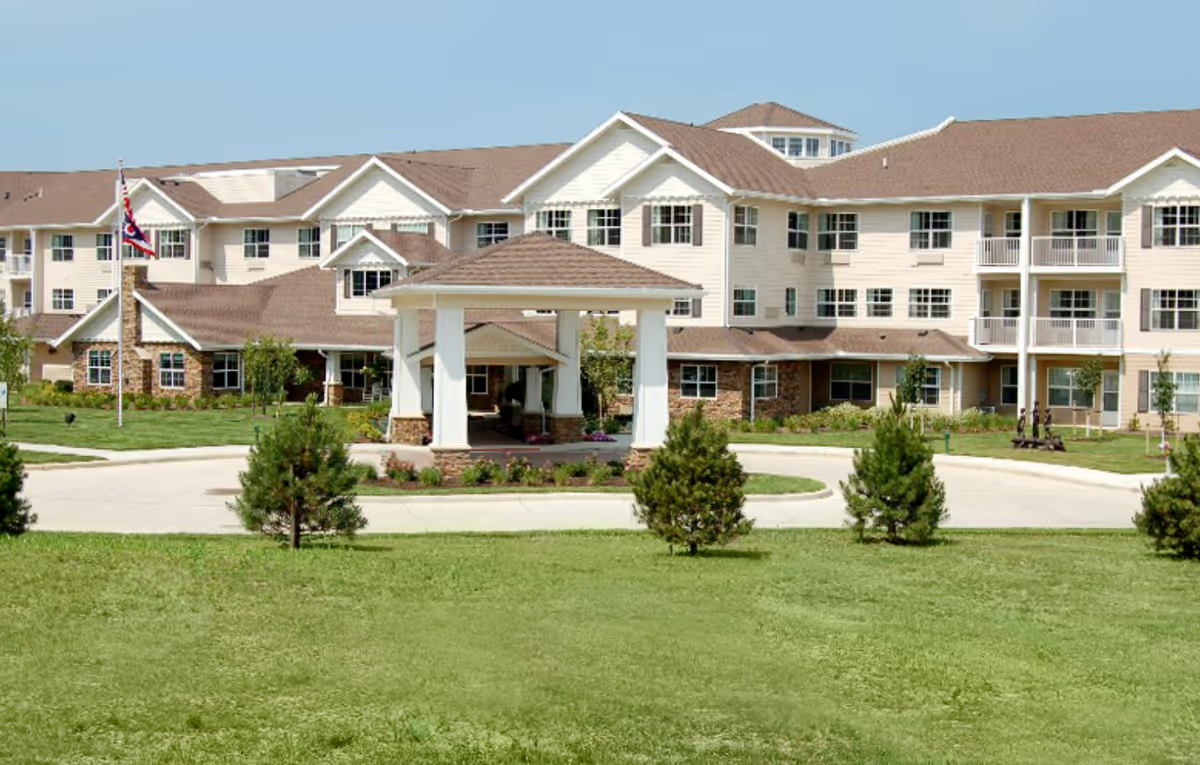
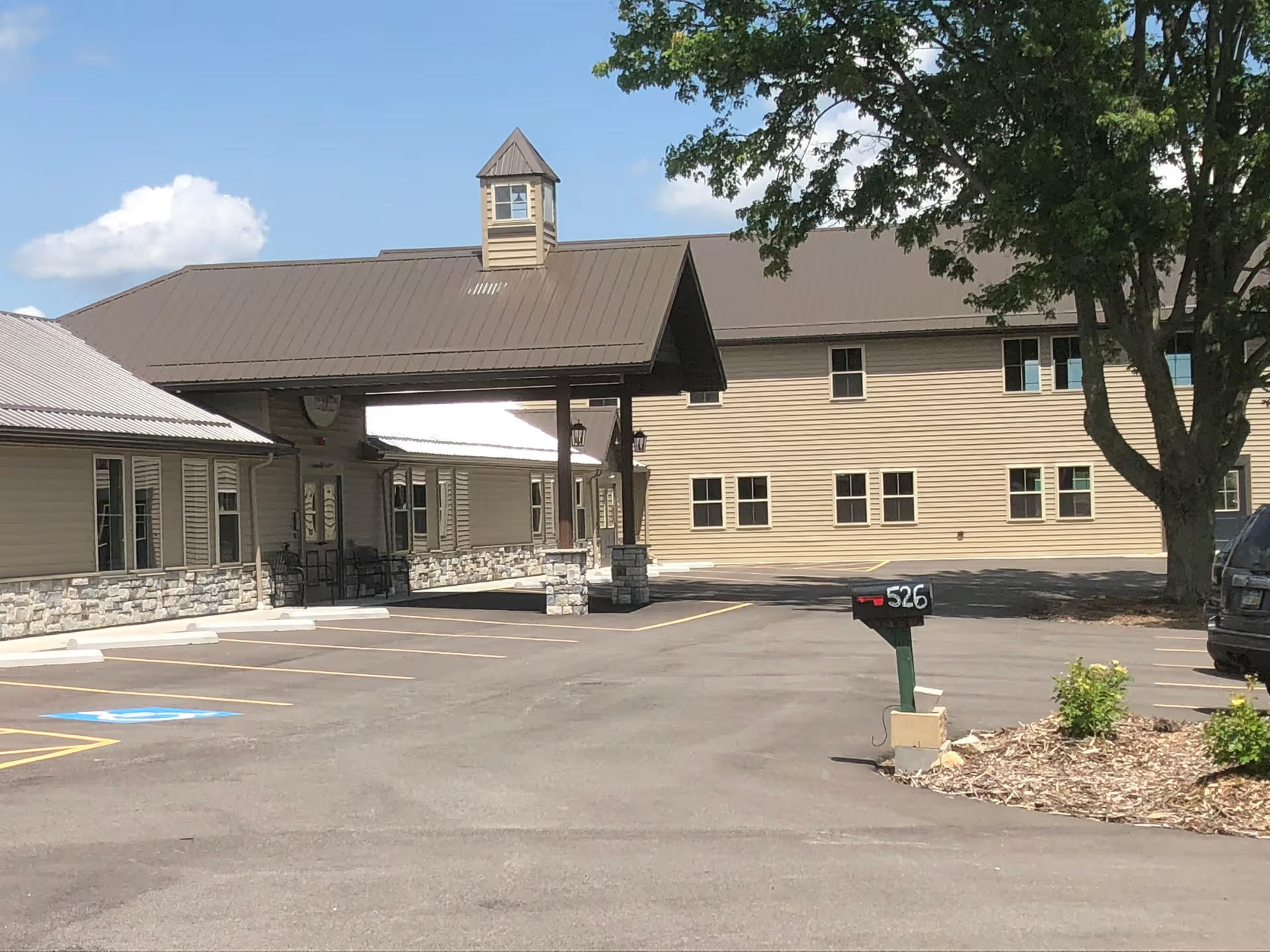
Facilities and environment: The facility is described as older but generally clean in public areas and nursing stations. However, reviewers indicate that resident rooms can be dormitory-style and sometimes do not match online photos, and there are reports of potential overcrowding in room configurations. Odor concerns at some entrances or common areas were mentioned and should be checked during a visit. Overall, the built environment reflects an older property that is well-maintained in visible areas but may need updates in resident rooms and some systems.
Management and operations: Leadership and admissions contacts receive praise for being friendly and proactive. Positive comments about regular updates and strong team coordination coexist with reports of coordination problems and variable ancillary services (for example, blood-draw services). The presence of both high-quality communication and identified coordination gaps suggests operational inconsistency rather than uniformly strong or uniformly poor management.
Notable patterns and recommendations: The dominant positive theme is the facility’s staff—compassionate, experienced caregivers and robust therapy services—paired with good dining and engaging activities. The dominant concerns are operational: an aging physical plant with some room-configuration and odor issues, inconsistent overnight staffing and responsiveness, and gaps in care coordination and timeliness of clinical interventions. There are also a few serious allegations concerning resident safety that reviewers felt warranted investigation; those should be explored directly with facility leadership and through regulatory channels if warranted.
For prospective residents and families: arrange an on-site visit to evaluate room layout and odor, ask for current staffing ratios and overnight coverage policies, request examples of clinical escalation protocols and recent family communication samples, and inquire about ancillary-service providers used for blood draws and other diagnostics. These targeted questions will help reconcile the facility’s strong interpersonal care reputation with the operational inconsistencies noted in reviews.