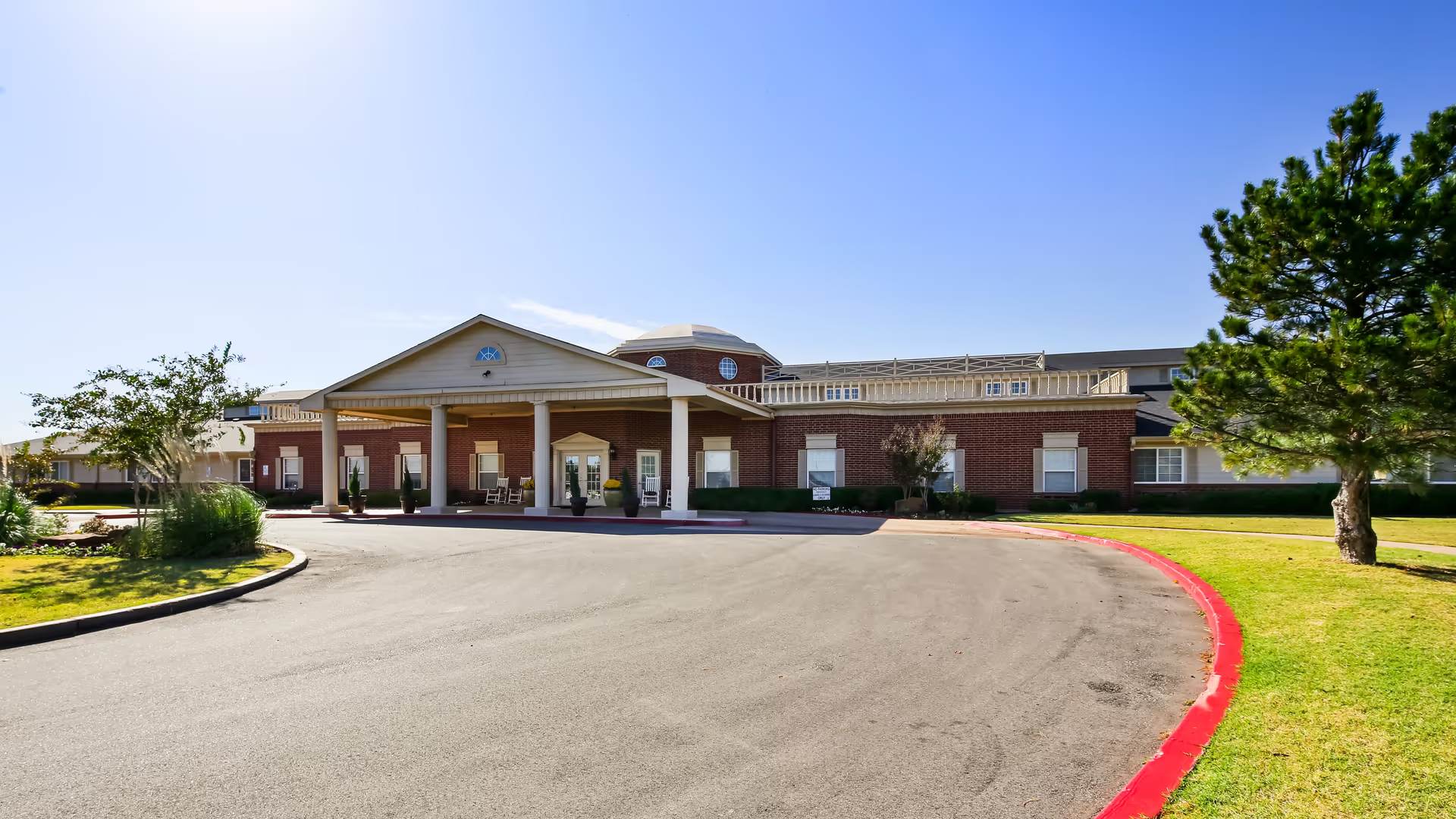
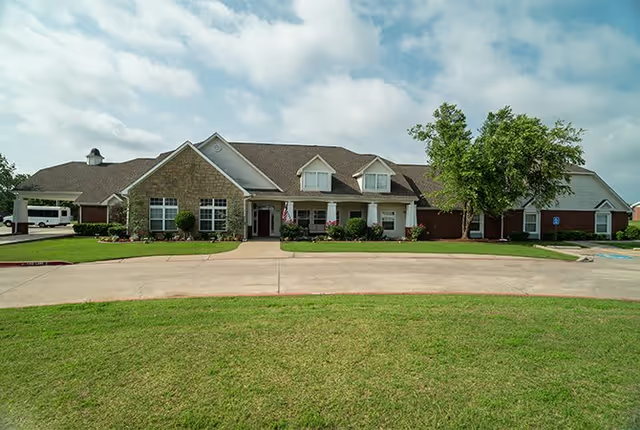
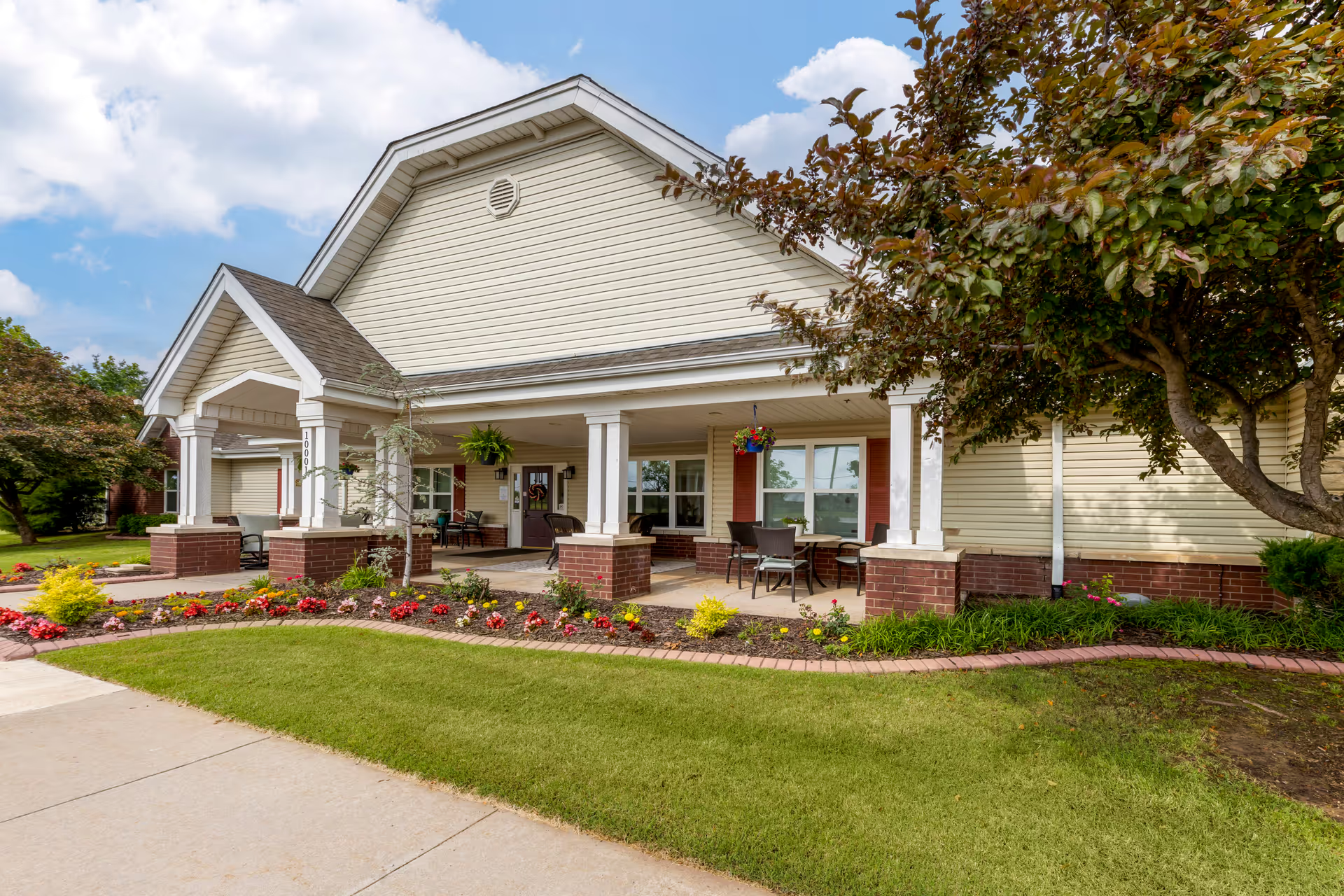
Overview: Reviews describe a facility with meaningful strengths and persistent operational weaknesses. Positive accounts highlight staff who are compassionate, engaging activities, an active therapy department, and attractive outdoor and communal spaces. At the same time, there is a recurring pattern of clinical and administrative inconsistencies that families should weigh when considering the facility.
Care quality and clinical concerns: Several accounts praise specific nurses and therapists for attentive, effective care and for helping residents progress in rehabilitation. However, other reports identify gaps in clinical execution, including failures to follow medical orders, inconsistencies in medication administration, delayed or missed clinical rounds, and examples of pressure‑injury development that indicate weaknesses in pressure-area management. Night and weekend coverage is frequently described as thinner than day shift coverage, which reviewers link to slower response times and missed treatments during off-hours. There are also repeated notes about unclear physician oversight and delayed physician involvement.
Staff and communication: Staffing quality is highly variable. Many reviewers describe individual caregivers as caring and professional; others describe abrupt conduct, poor tone in staff-family interactions, and frequent staff turnover. Communication breakdowns are a common theme: families report inconsistent handoffs between shifts, missed notifications, unclear discharge instructions, and difficulty reaching staff by phone. These communication gaps appear to exacerbate clinical and operational issues when they occur.
Dining, housekeeping, and property management: The facility receives mixed feedback on dining. Some reviewers praise restaurant-style dining, dignity-focused meal service, and timely meals; others report bland or nutritionally inadequate options. Housekeeping and laundry performance is similarly inconsistent. Positive mentions note clean common areas and fresh linens, while negative feedback raises sanitation and odor concerns in particular areas, delayed laundering, and missing personal items. Property-management weaknesses — including misplaced clothing or personal belongings — appear as an operational pattern rather than isolated perception.
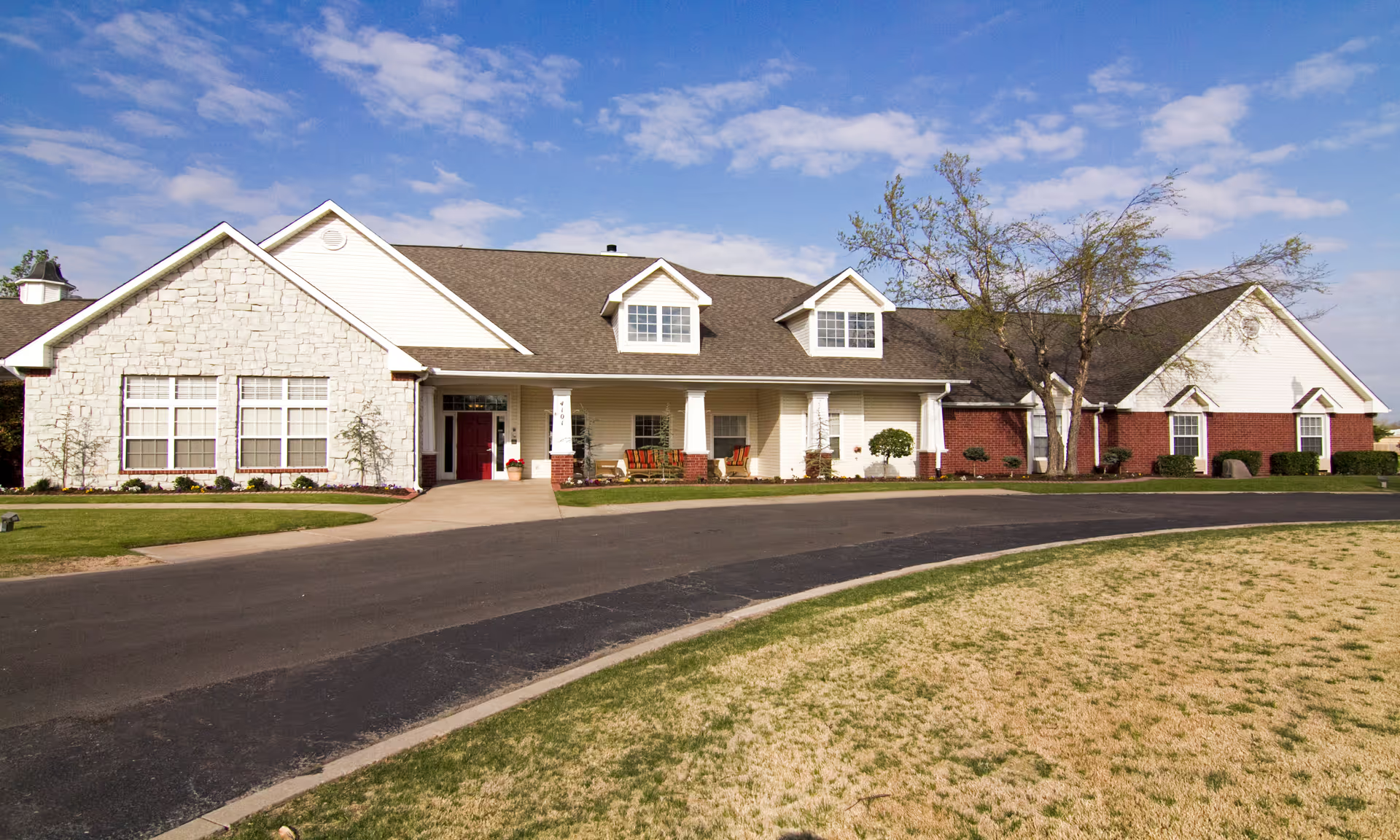
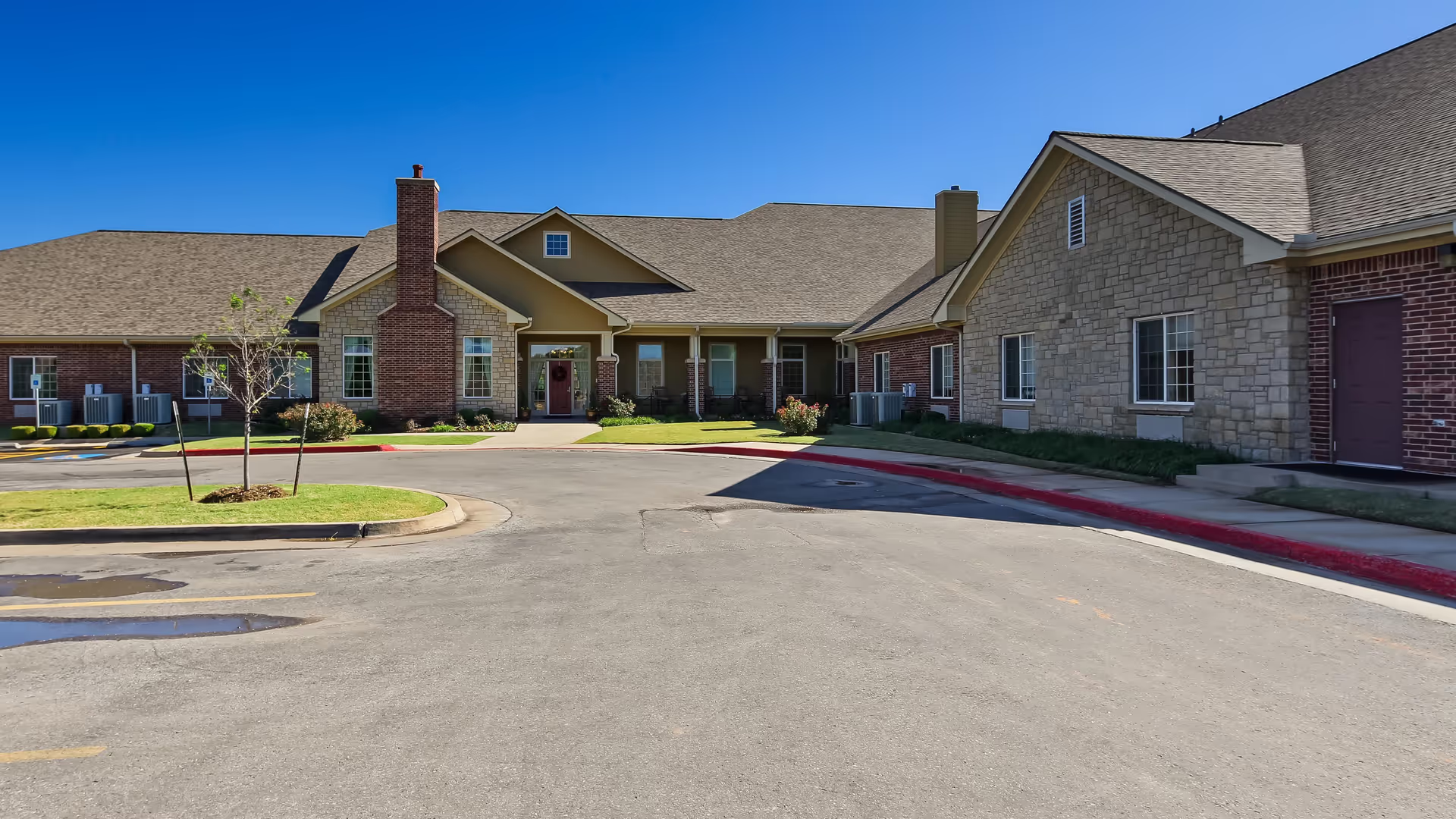
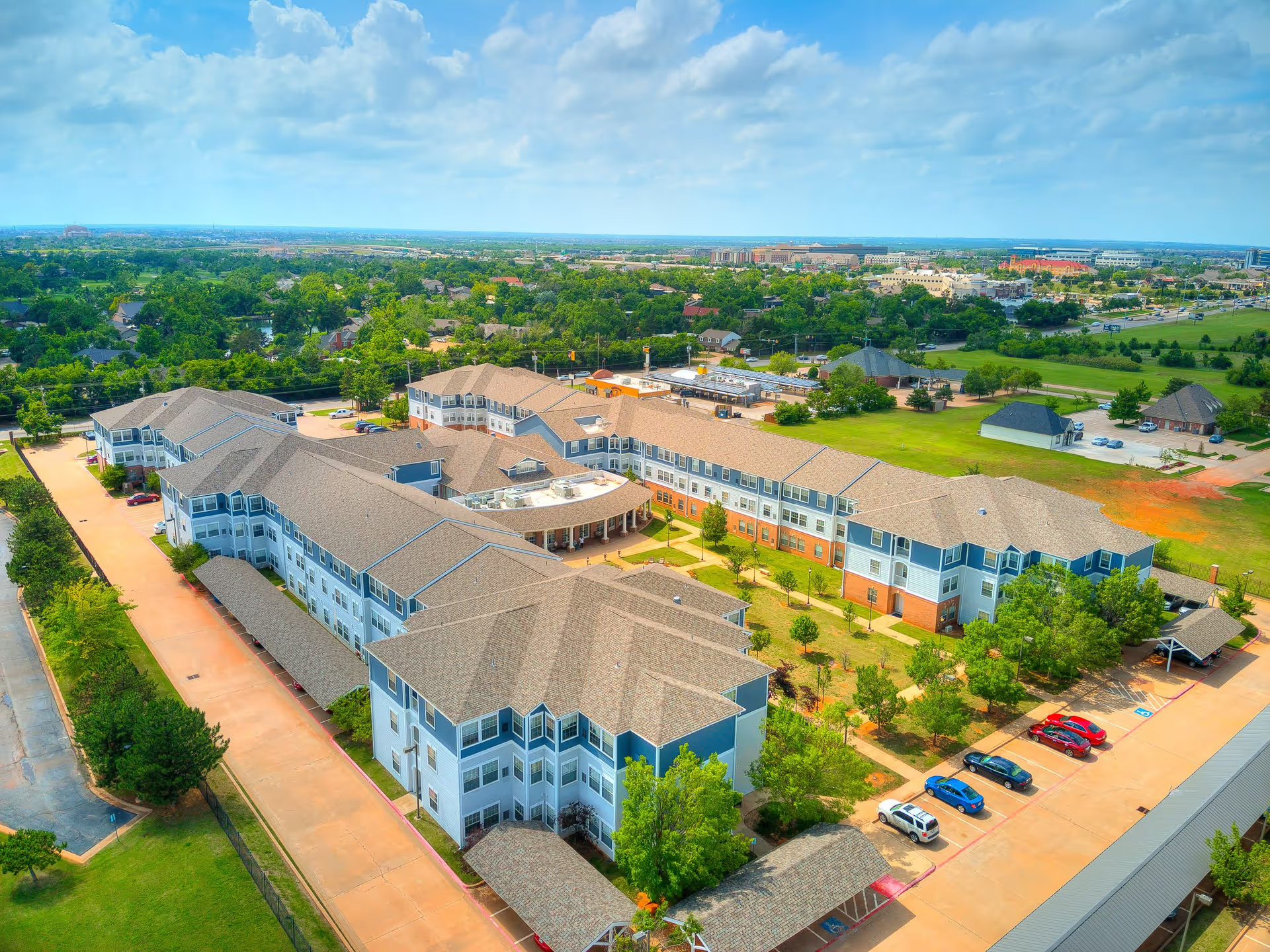
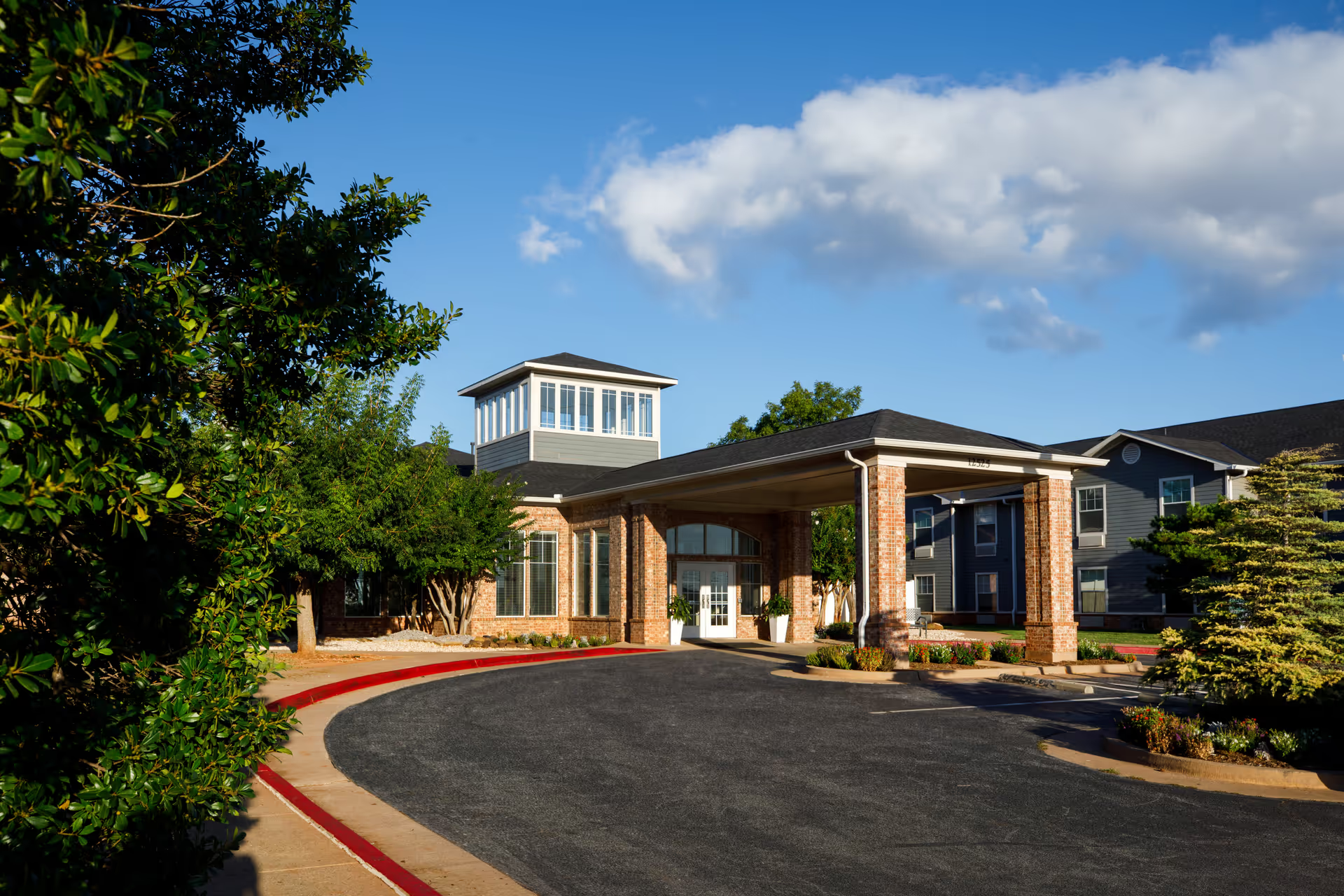
Activities and amenities: Strengths include an active calendar, group therapy and exercise programs, craft classes, library, chapel services, beauty salon, and accessible outdoor spaces like an enclosed garden and walking areas. These amenities contribute to a home-like atmosphere and resident engagement when programs are staffed and run as scheduled.
Management and notable patterns: Management responsiveness is uneven. Some families report proactive, receptive leadership and positive changes under new administrators; others describe dismissive responses to concerns and slow follow-up after incidents. Recurring operational themes are inconsistent staffing, gaps in clinical-order adherence, weak communication protocols, and problems with night/weekend coverage. There are also isolated but serious concerns arising from individual cases that prompted family escalations and, in a few instances, external intervention; these underline the importance of verifying current staffing models, clinical oversight, and complaint-resolution processes during a tour or intake.
Bottom line: The facility offers real strengths — caring individual caregivers, robust therapy services, engaging activities, and attractive communal spaces. Prospective residents and families should balance these positives against consistent patterns of operational problems: variable staffing, clinical-order adherence issues, communication shortfalls, and uneven housekeeping/property controls. Visiting the facility at multiple times (day, night, weekend), asking about current staffing ratios, medication-administration safeguards, physician coverage, and the process for handling family concerns will help clarify whether the facility’s current practices align with a prospective resident’s care needs.