Reviewer feedback for McMahon-Tomlinson Nursing Center is notably polarized: several families and patients describe significant clinical improvement, attentive nursing, and a well-kept physical environment, while other accounts raise operational and safety concerns that prospective families should consider.
Care quality and clinical services: Many reviews highlight competent rehabilitation services and skilled therapy — including reports of twice-daily physical therapy and observable functional improvement for some patients. Nursing care is frequently described as knowledgeable and attentive, and some reviewers credit the staff with clear clinical progress. Counterbalancing this, other reviewers describe serious clinical concerns: inconsistent medication management (including medication errors and delays), inadequate pain control, wound-care and turning practices that allowed pressure injuries to develop, and limited rehabilitation time in some cases. There are also reports that clinical incidents (falls, transfers, and emergency evaluations) have not always been handled with consistent family notification or follow-up.
Staff and culture: Numerous comments praise individual nurses and aides as compassionate and helpful; admissions and tour interactions were described as informative and pleasant. At the same time, reviewers note substantial variability in staff performance and conduct — descriptions range from highly attentive caregivers to examples of inattentive or rough handling and poor responsiveness, especially during certain shifts or nights. Inter-staff communication weaknesses and uneven leadership follow-up were cited as contributing factors to inconsistent care.
Dining and activities: The facility offers a restaurant-style dining room, in-room meal delivery, and accommodations for modified-consistency diets (mechanical soft), and some reviewers appreciated holiday and seasonal events. However, some families experienced limited dining access for residents and inconsistent meal-service continuity. Activity participation also appears variable: events occur, but not all residents engage or have consistent opportunities.
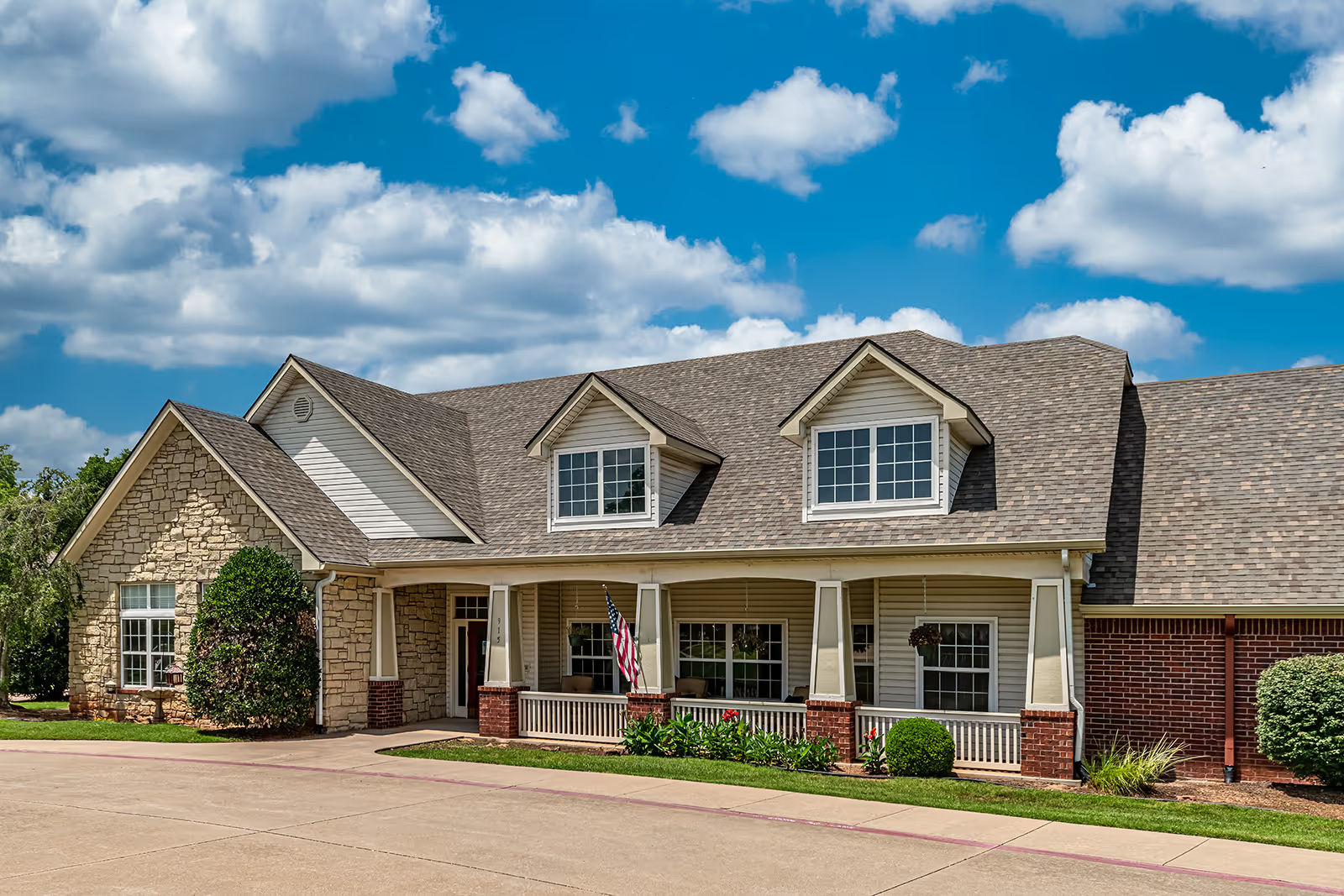
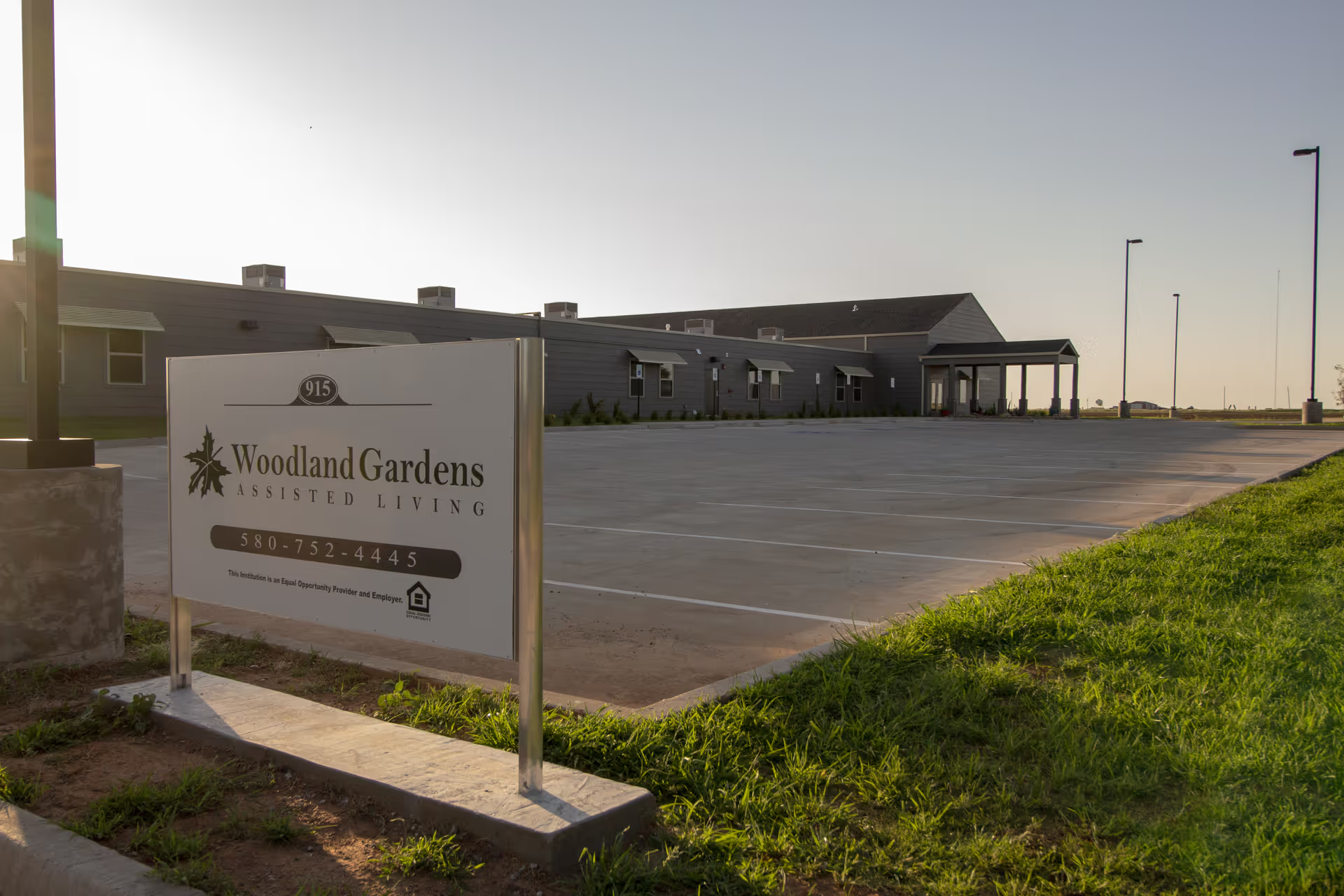
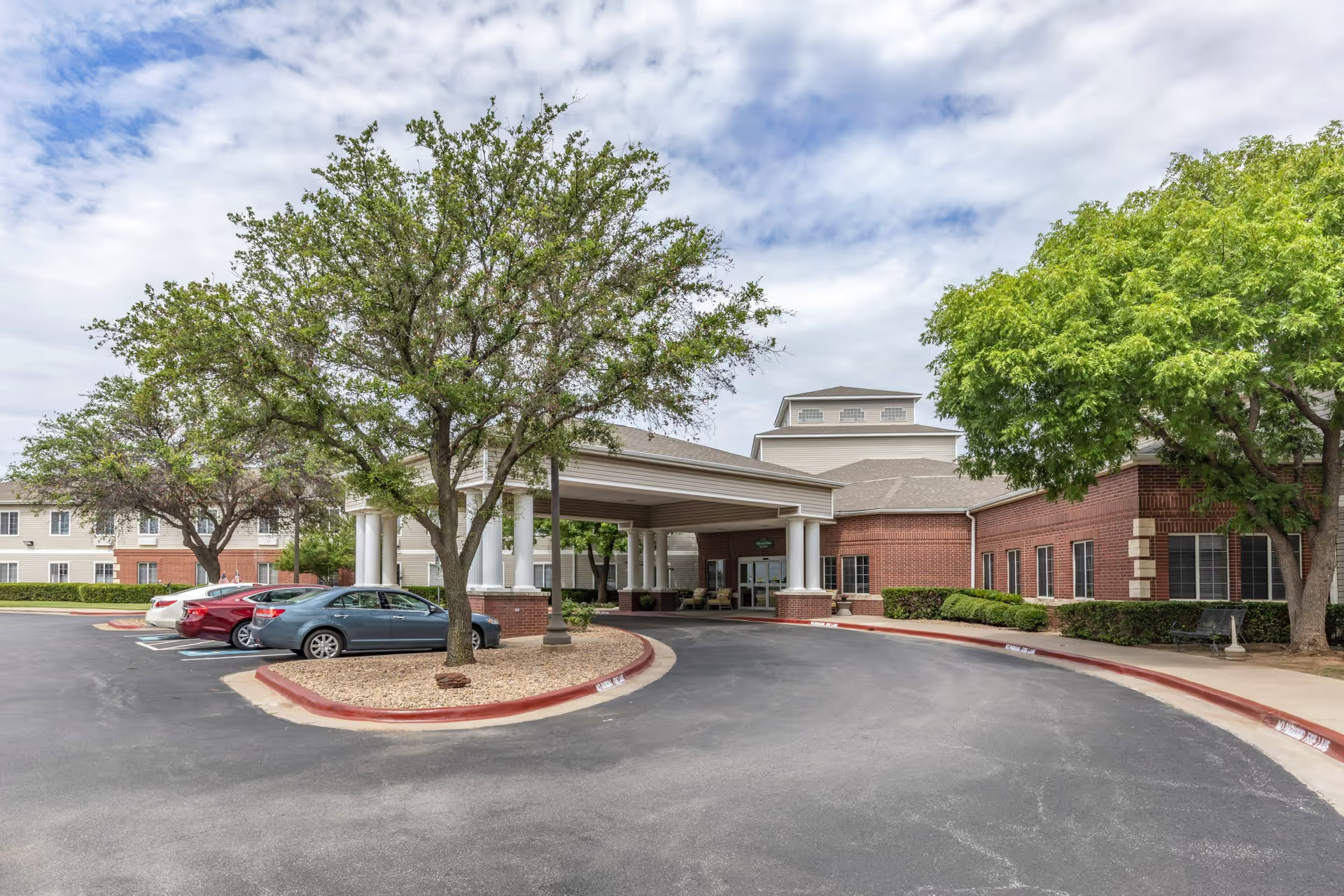
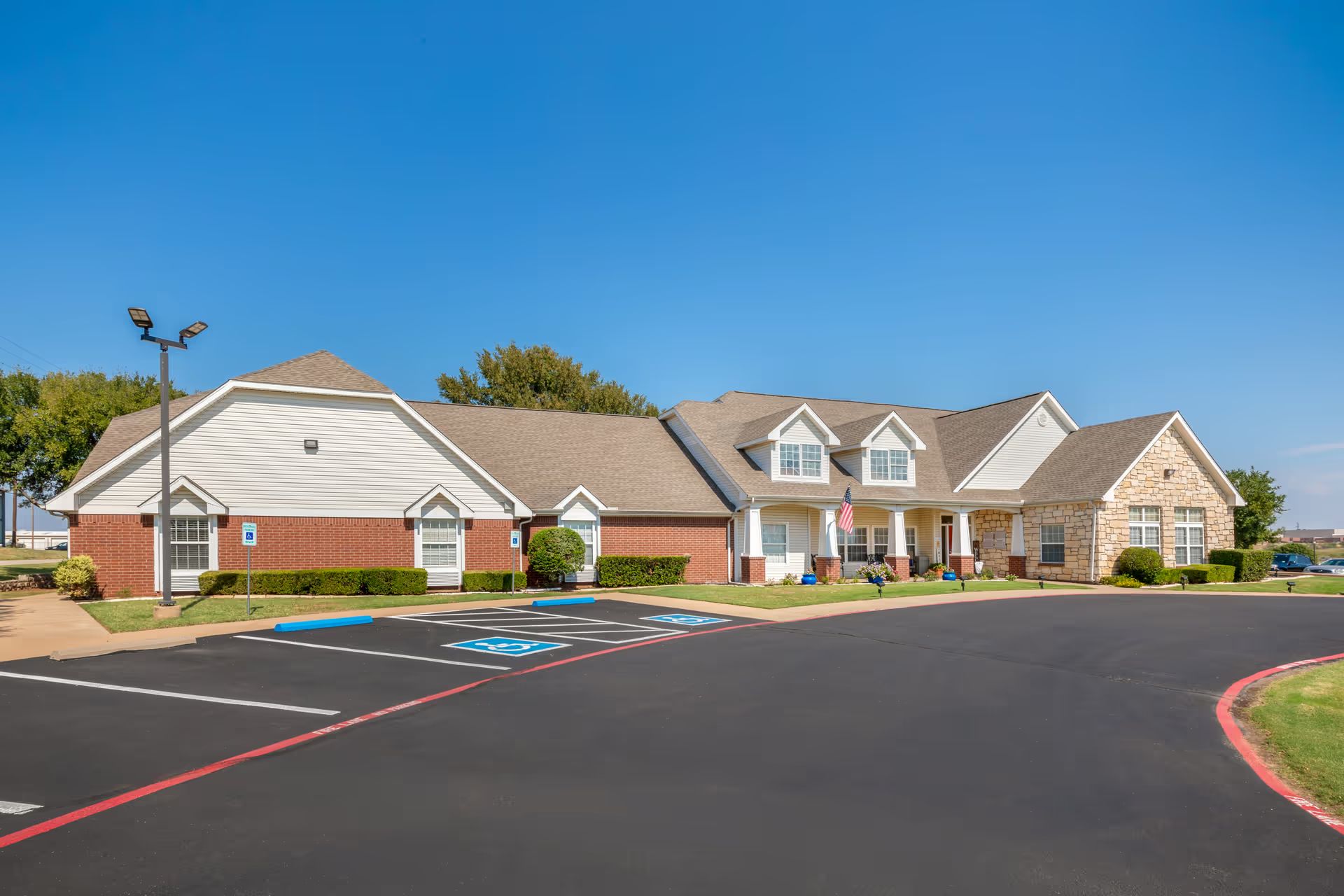
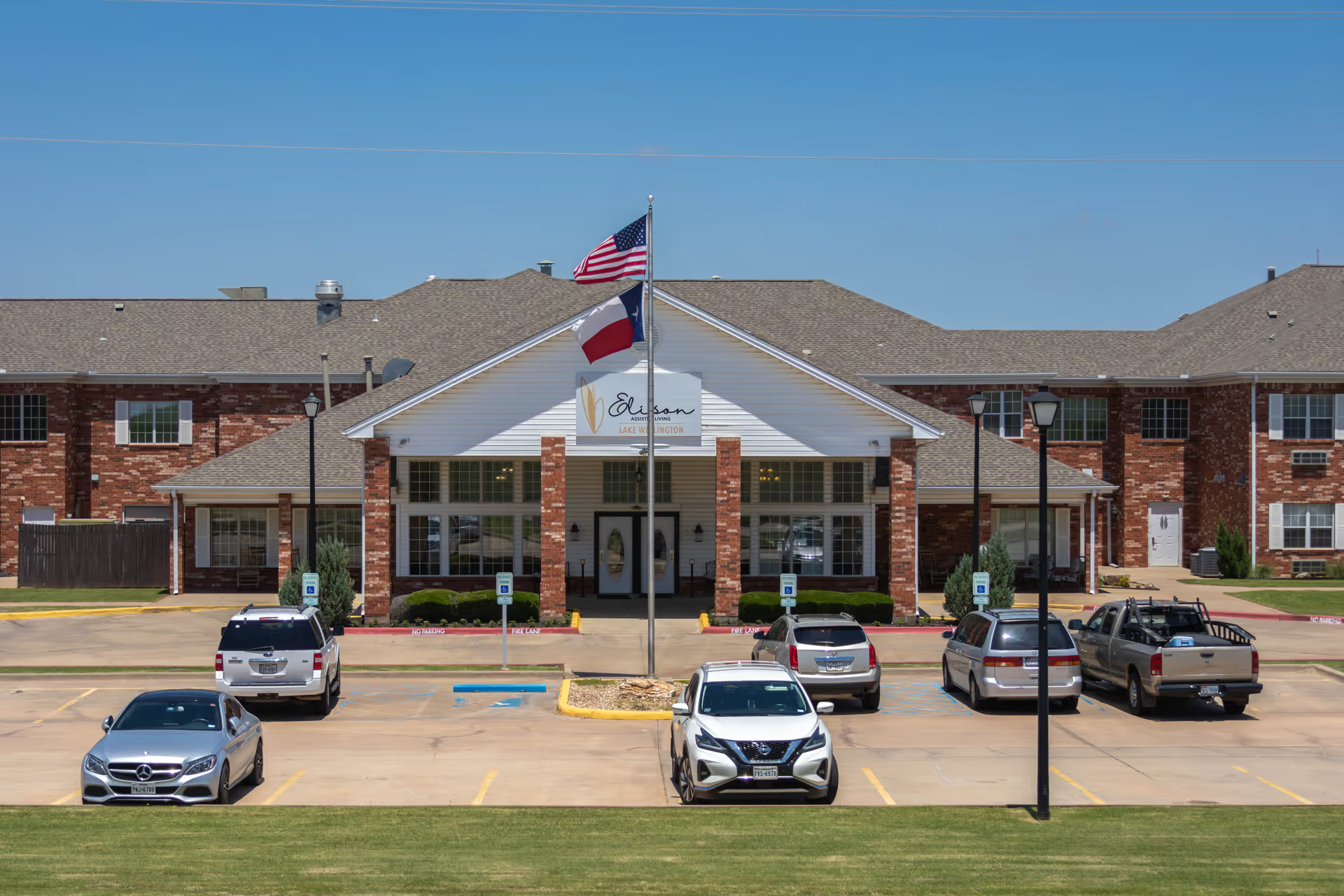
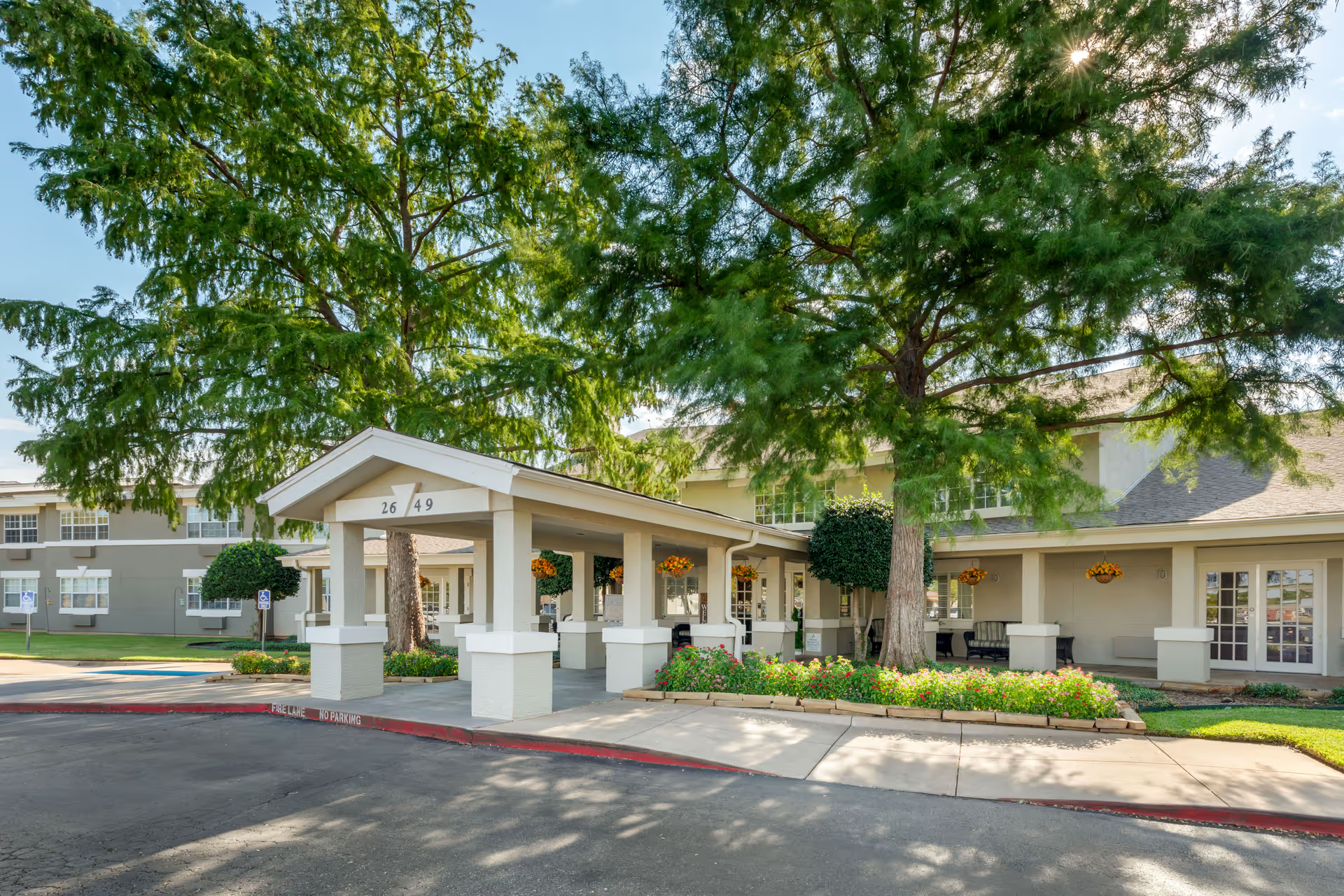
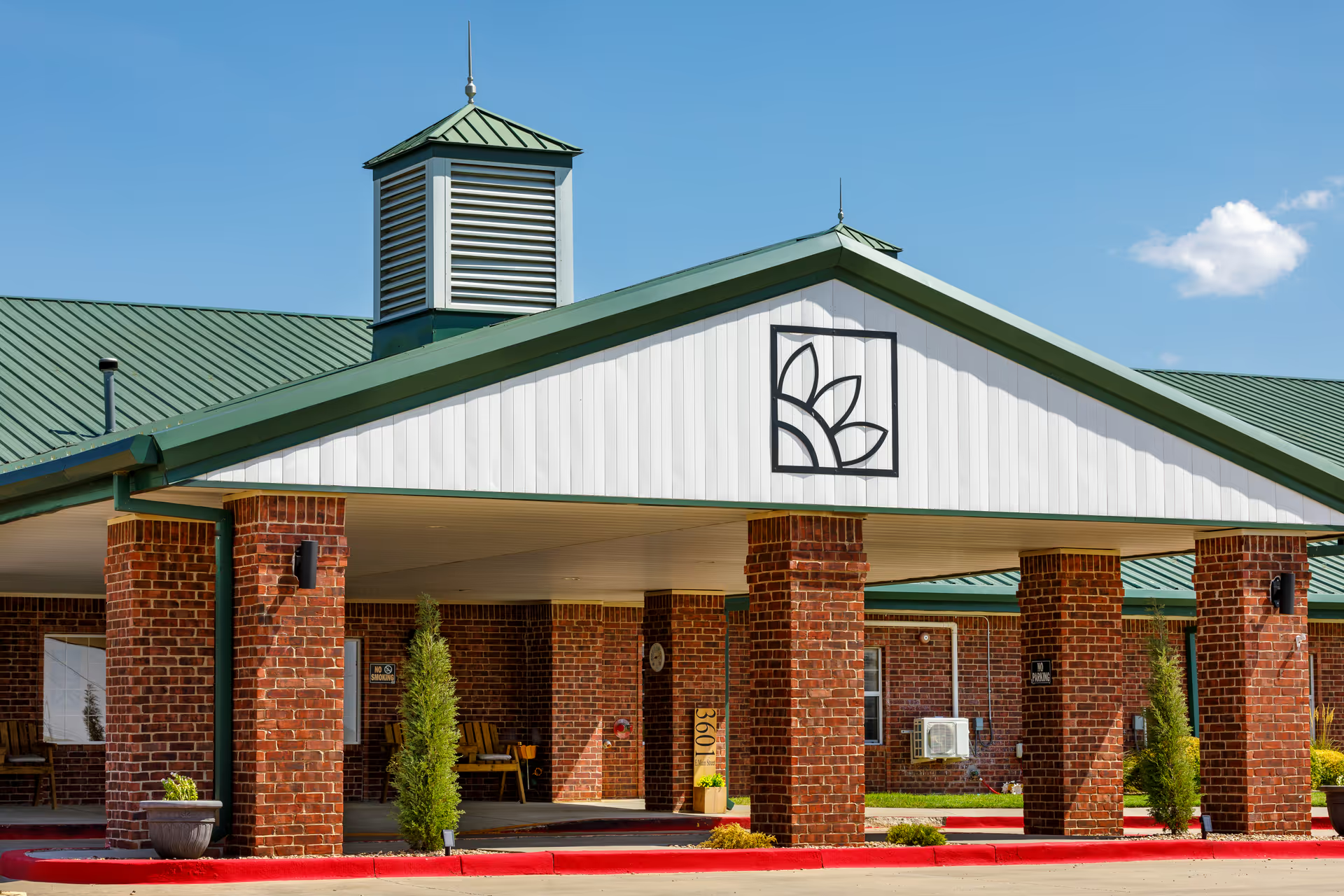
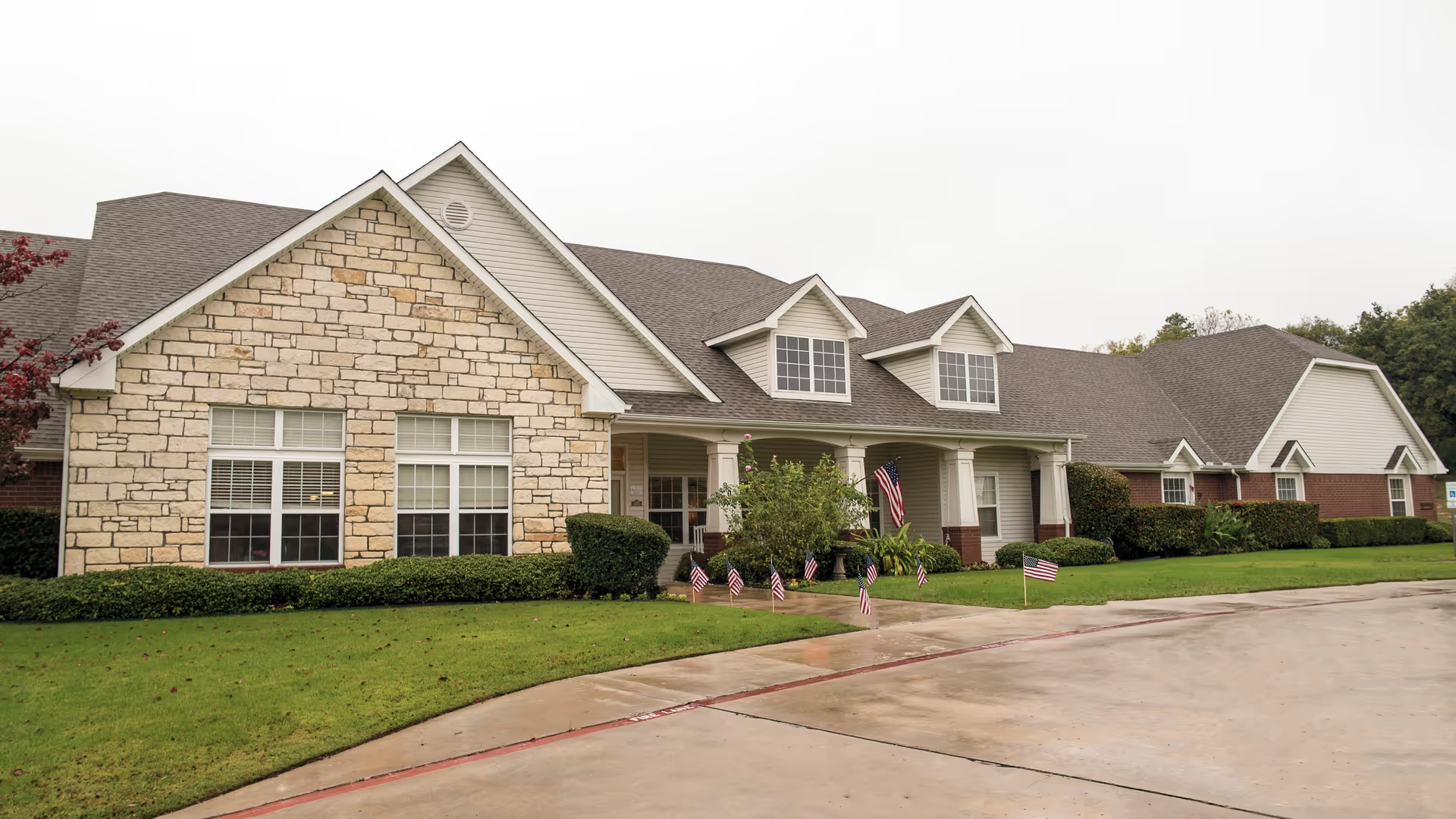
Facilities and amenities: The physical plant is frequently described as clean, well-maintained, and comfortable, with private-room options, partitioned sleeping areas, hospital-style beds, televisions, and family gathering spaces. The campus includes a distinct memory-care unit and allows flexible visitation. Conversely, other reviews mention cleanliness and housekeeping inconsistencies in specific areas.
Management and operational patterns: Comments indicate that staffing levels are portrayed as adequate at times (and some reviewers called it the best option locally), yet other reviewers describe understaffing or slow response times. Recurrent themes in negative feedback include inconsistent incident-response protocols, lapses in medication and property management, and breakdowns in communication with families. A small number of reviews raise very serious concerns about outcomes and end-of-life care; these appear as isolated but significant narratives and may merit further inquiry.
Overall impression and guidance: The facility shows clear strengths in rehabilitation services, private-room accommodations, and many positive staff interactions, but there are recurring operational weaknesses that warrant direct questions during a tour. Prospective residents and families should ask about fall-prevention protocols, medication reconciliation and error-reporting procedures, night-shift staffing and response times, wound-care plans, incident notification policies for families, housekeeping and laundry practices, property-accountability procedures, and how the facility promotes consistent activity engagement. Verifying recent inspection reports, licensure status, and speaking directly with current families can help clarify whether the positive experiences or the concerning accounts are more representative for a particular unit or shift.