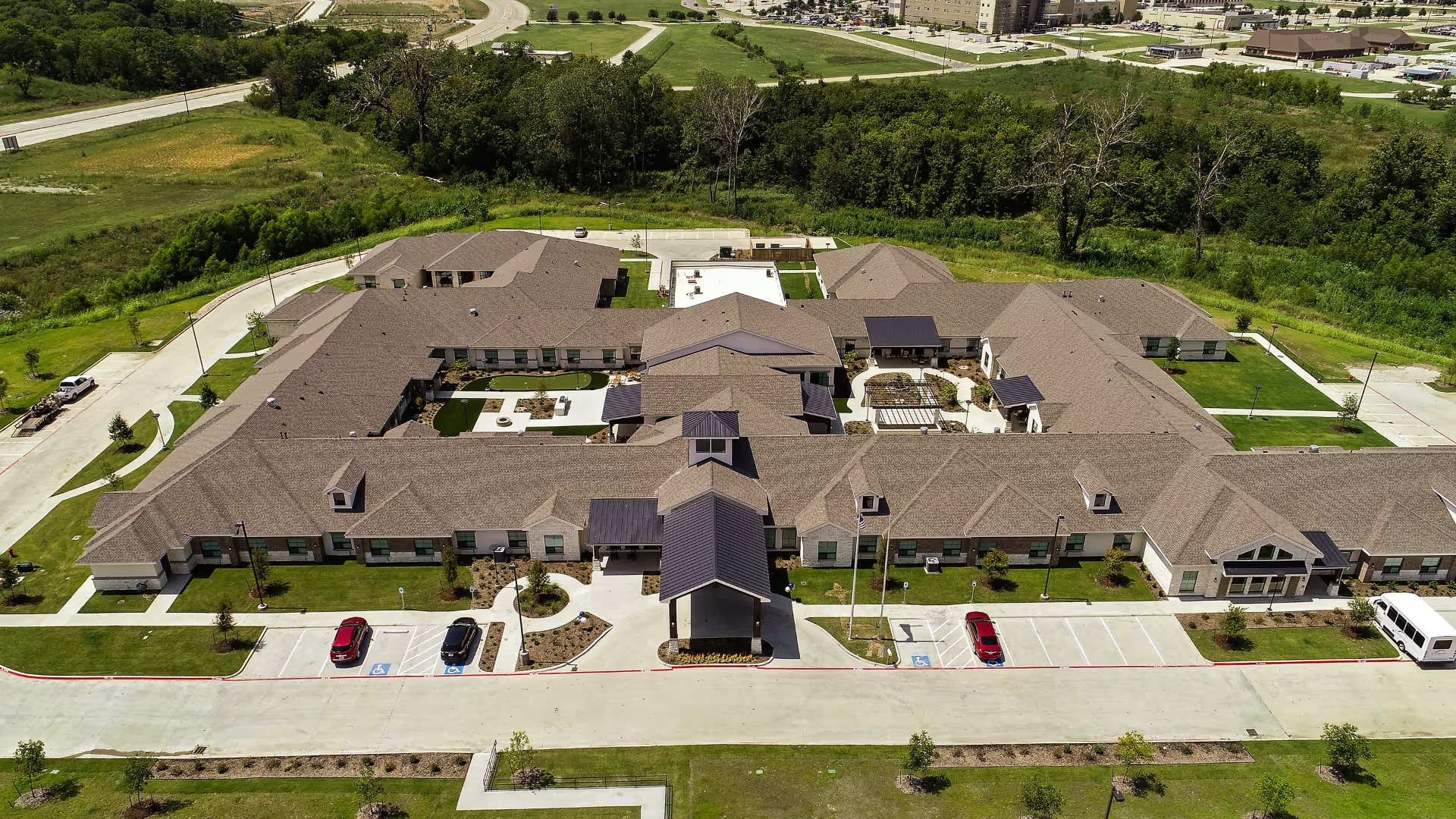
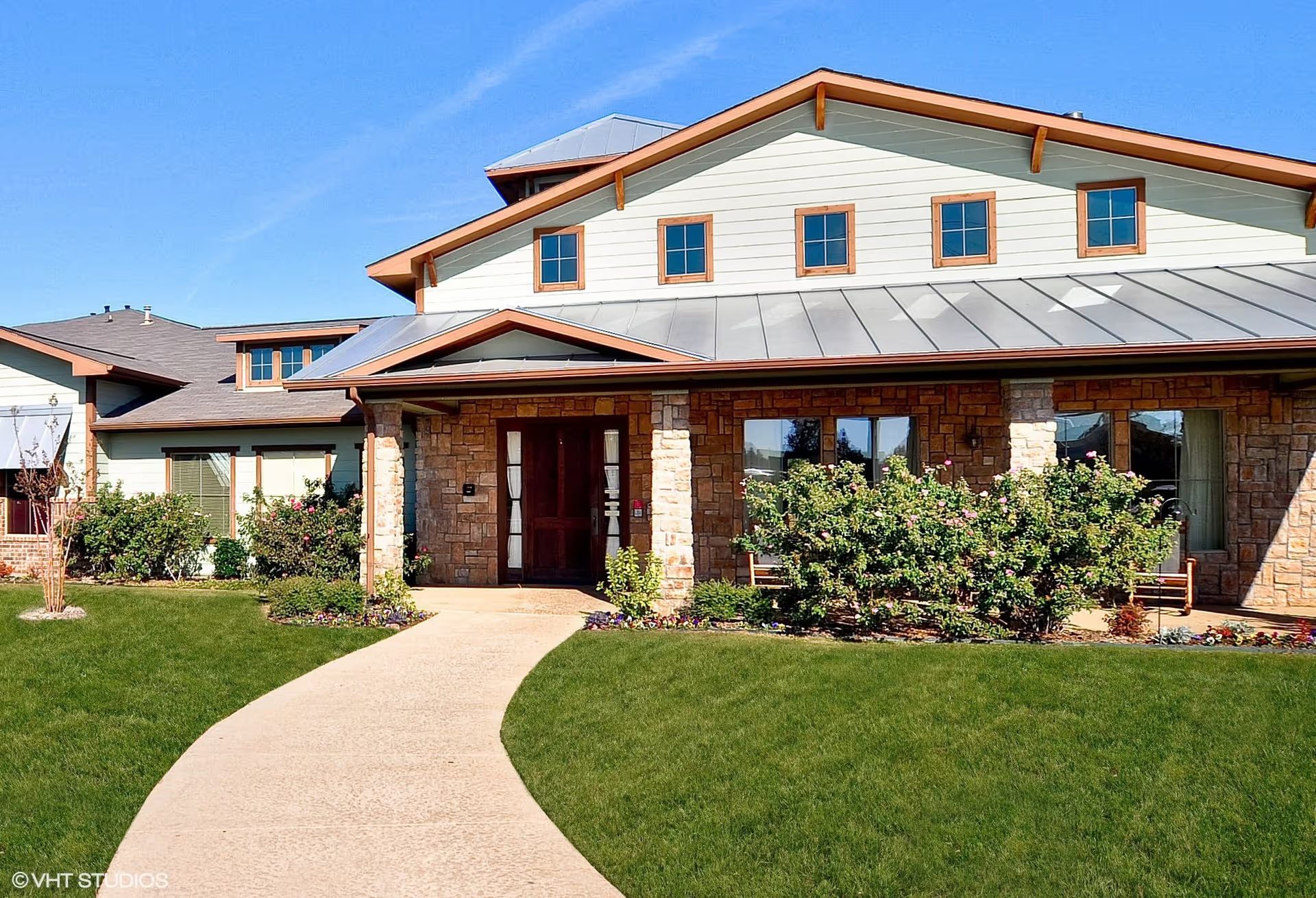
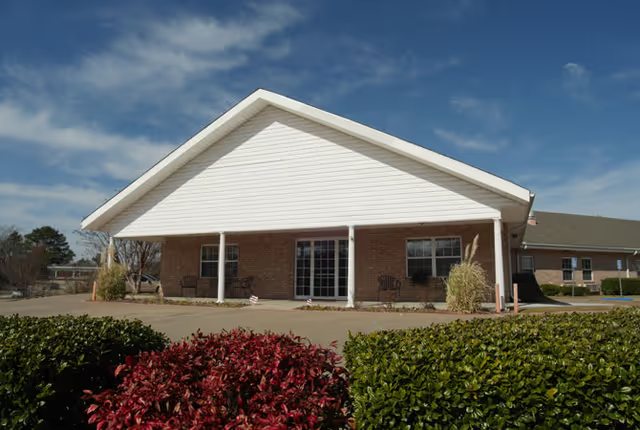
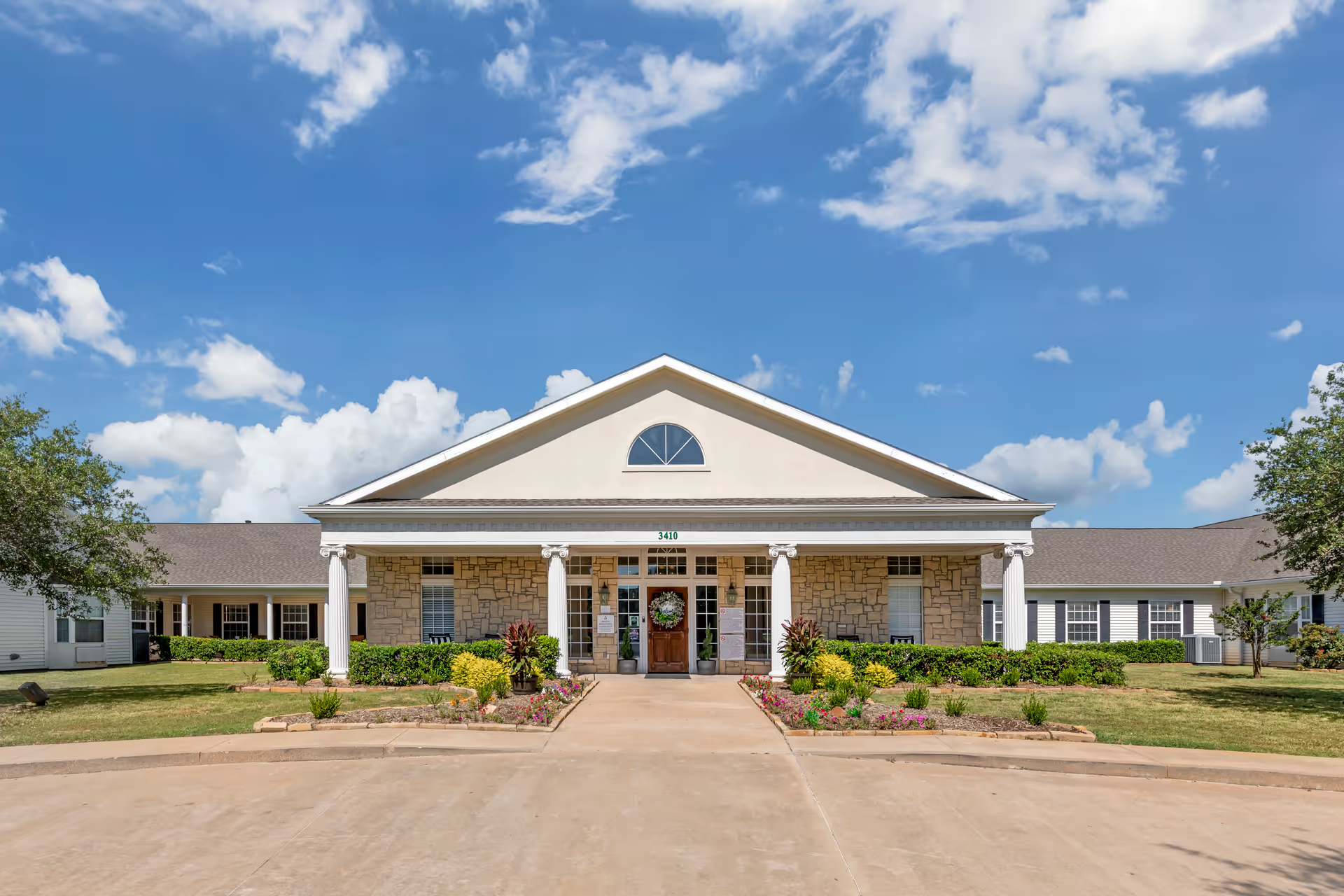
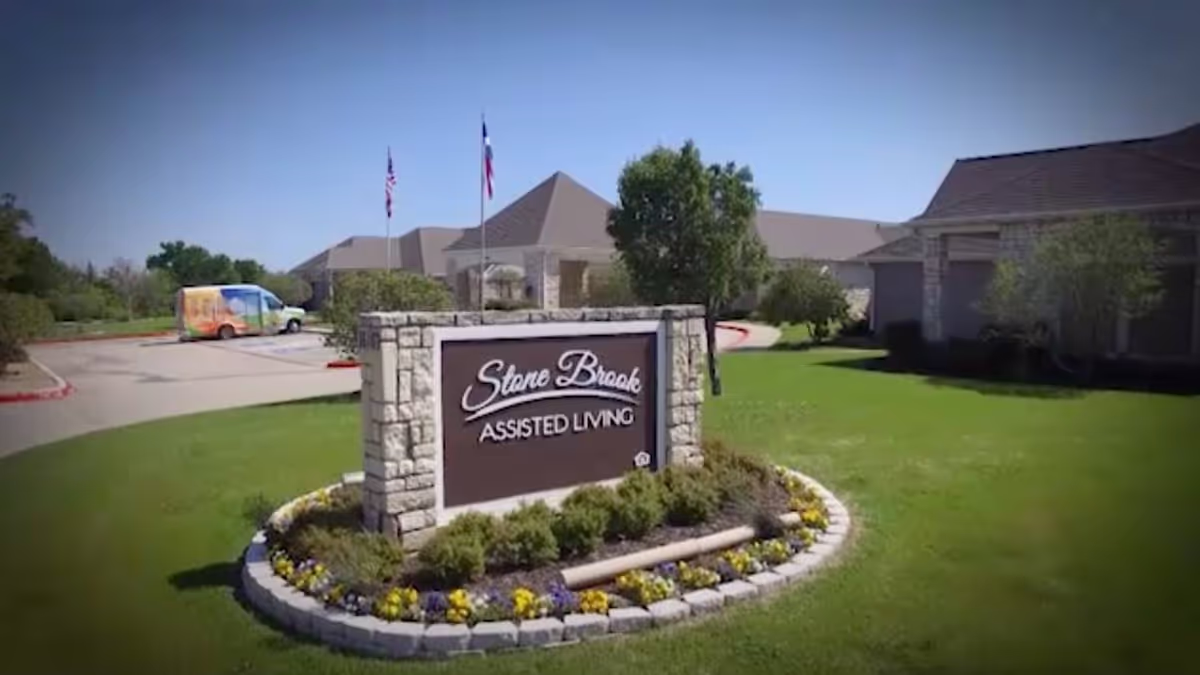
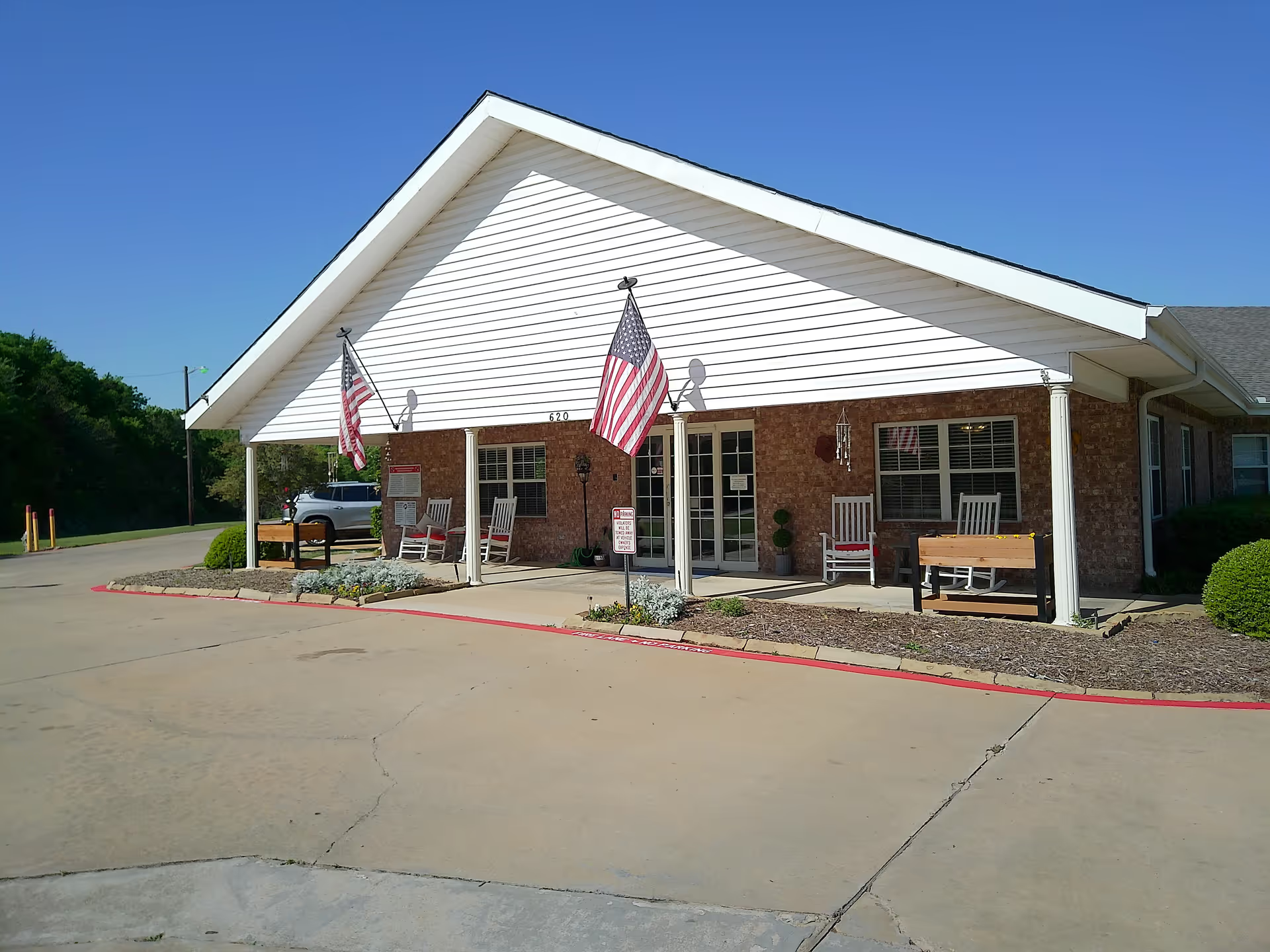
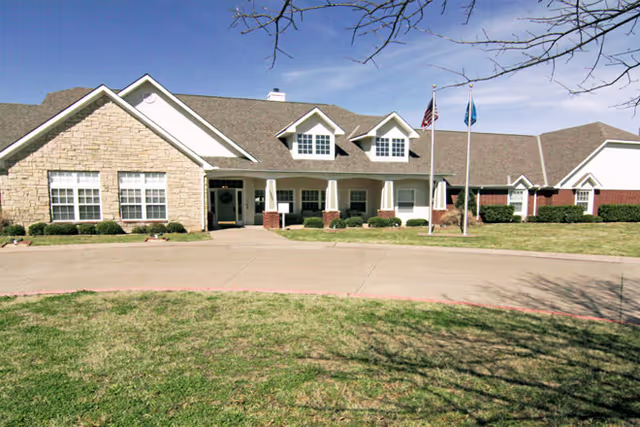
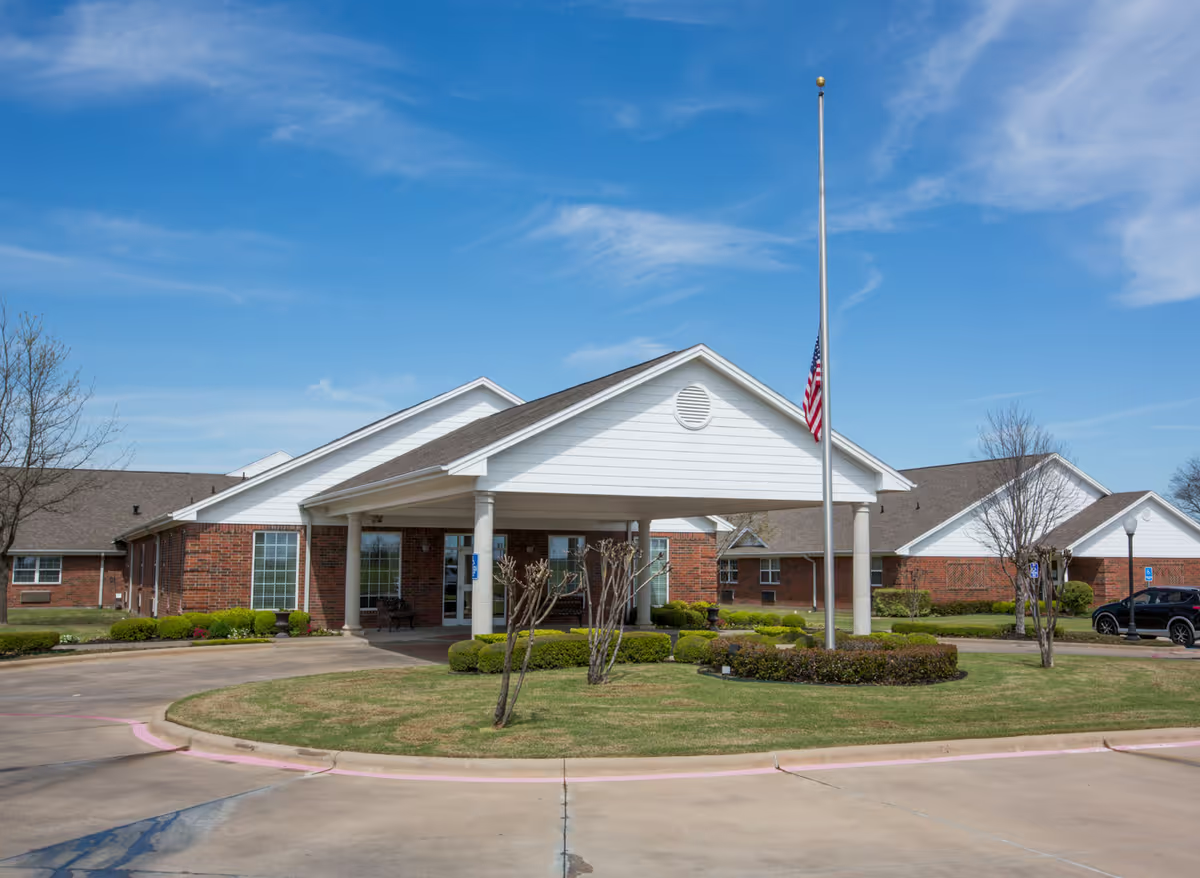
Reviews portray a facility with clear strengths in rehabilitation, environment, and certain aspects of resident care, alongside recurring operational weaknesses that affect safety and family confidence. Many families and residents praise the facility's therapy programs and therapists, noting measurable functional improvements and an engaging activities schedule. The physical environment receives consistently positive feedback: the building is described as modern and well maintained, with private rooms that have natural light, pleasant gardens, salon services, and frequent room/bathroom cleaning.
Nursing and direct-care staffing elicit mixed impressions. Numerous accounts describe compassionate, proactive nurses and aides who provide attentive support and frequent checks. Several specific caregivers were singled out as going above and beyond. At the same time, reviews point to variability in clinical skill and consistency across shifts. Operational patterns include reduced staffing or weaker coverage on weekends, slow responses to call bells, and delays in basic assistance such as bathing or restroom help. These staffing patterns are frequently cited as contributing to delays in care and family frustration.
Clinical safety and care continuity are major areas of concern in the aggregated feedback. Reviewers describe lapses in medication management and medication-record handling, including late or missed doses, outdated med lists, and incomplete medication reconciliation. There are reports of insufficient clinical monitoring and follow-through in some cases — for example, delayed assessments or delayed diagnostic follow-up — which reviewers link to avoidable complications. These are system-level issues that suggest the need for stronger medication administration controls and clearer clinical handoff processes.
Dining receives highly variable ratings. Positive comments reference warm, homemade-style meals and specific well-liked dishes, while other residents describe repetitive menus, small portions, temperature and quality inconsistencies, and failures to honor dietary restrictions. Dietary accommodation appears uneven; when it works well it is appreciated, but there is a pattern of inconsistent implementation that impacts residents with specific nutrition needs.
Activities, social work, and admissions are generally regarded as strengths. The activities director and therapy-led programming receive repeated praise for keeping residents engaged. Social work and admissions staff are often described as responsive and communicative during intake and care planning, though families also note gaps in follow-through on promised meetings or documentation (for example, timely care-plan meetings or discharge medication coordination).
Facility management and organization show both responsiveness and shortfalls. Several reviewers note that administrators and managers addressed concerns when raised; others describe persistent disorganization such as billing confusion, unclear discharge medication coordination, or room-assignment errors. Localized sanitation and odor concerns were raised in a subset of reports, along with an isolated mention of pest-control concerns; these indicate areas where housekeeping and facilities services may need targeted attention.
Overall, the facility offers strong rehabilitation services, an attractive physical environment, and many caring staff members. However, systemic issues — chiefly inconsistent staffing, medication-management weaknesses, variable dietary execution, and gaps in communication and operational coordination — emerge as the common themes that prospective residents and families should consider and discuss with leadership before placement. Asking about weekend staffing, medication reconciliation protocols, care-plan timelines, and dietary accommodation processes can help families assess whether the facility’s strengths match their loved one’s needs.