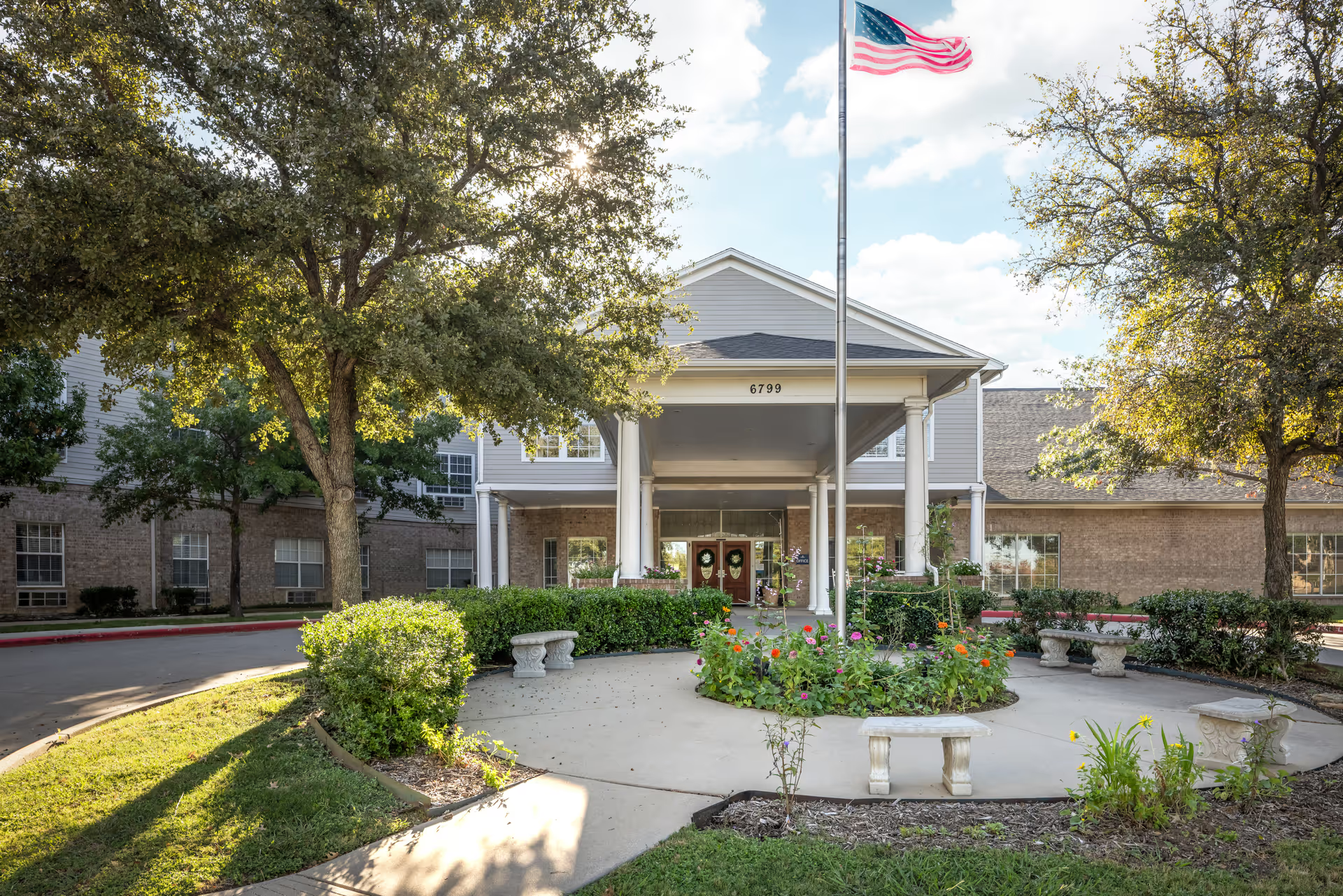
Overall impression: Reviews portray Assisting Hands Home Care Serving Fort Worth as a largely family-centered, responsive home-care provider with strengths in personalized attention, flexible staffing, and active management involvement. Families frequently describe caregivers as compassionate, personable, and willing to go beyond baseline duties to keep clients safe and independent. The agency is credited with care coordination that supports remaining in independent living, assistance through COVID-related isolation, provision of transportation to medical appointments, and companion services including therapy-dog visits.
Care and staff: Care quality is characterized as attentive and relationship-based. Reviewers emphasize dependable scheduling, last-minute coverage, and caregivers who establish trusting relationships with clients. Training and professionalism are cited as strengths in many accounts, and the agency's documentation practices (hours and reports) are noted positively. Management involvement is prominent: owners and office managers are described as accessible and proactive, with 24/7 availability for emergent staffing or coordination needs. That said, reviewers also identify variability in caregiver conduct and communication. Isolated but significant concerns about individual caregiver behavior and lapses in assisting with specialized tasks indicate uneven performance across personnel.
Management and operations: The agency is portrayed as responsive and solution-oriented, often stepping in to prevent higher levels of care such as nursing-home placement. Families appreciate proactive follow-up from office staff and a small-company feel that allows more personalized matching and monitoring. The agency's strengths include rapid staffing response, accountability for hours and reporting, and willingness to provide transportation and escort services. Operationally, however, reviewers suggest room to improve formal processes for reassigning caregivers and for ensuring consistent tone and responsiveness in family communications.
Activities, dining, and facilities: Reviews highlight companion activities such as pet therapy and friendly, calming caregiver interactions, and they note that caregivers assist with outings and appointments. There is limited specific information about formal dining services or structured activity programming beyond companion visits and therapy-dog interactions. The service model is home-based or independent-living–focused rather than institutional, with emphasis on maintaining clients in familiar settings.
Notable patterns and recommendation guidance: The dominant pattern is positive—families who received coordinated, attentive care describe the agency as invaluable, proactive, and compassionate. The main area of caution is variability in individual caregiver performance and occasional resistance or delay in reassigning a caregiver when issues arise. Prospective clients and families should consider discussing reassignment policies, expectations for specialized-care tasks (for example, assistance with compression garments), and communication protocols during intake. Asking about staff training standards, supervision, and complaint-resolution timelines can help align expectations with the agency's strengths in responsiveness and personalized care.