Care quality: Reviews present a mixed picture. Several family members describe attentive, compassionate care and specific positive outcomes for residents, while other accounts raise significant clinical and operational concerns. Notable care-related issues include delayed attendance to resident needs, inconsistent incontinence-care practices, and questions about medication-consent procedures. There are also reports indicating lapses in fall-prevention and injury-avoidance processes; these suggest that patient-safety workflows may need reinforcement.
Staff: Staff behavior and competence are described inconsistently. Many reviewers praise individual caregivers for friendliness, clear communication and helpfulness, but other accounts describe delays in response, communication breakdowns with families, and behavior that families characterized as inappropriate. These contrasting impressions point to variability in staff performance and suggest a need for standardized training, clearer escalation pathways, and improved supervision to ensure consistent conduct and responsiveness across shifts.
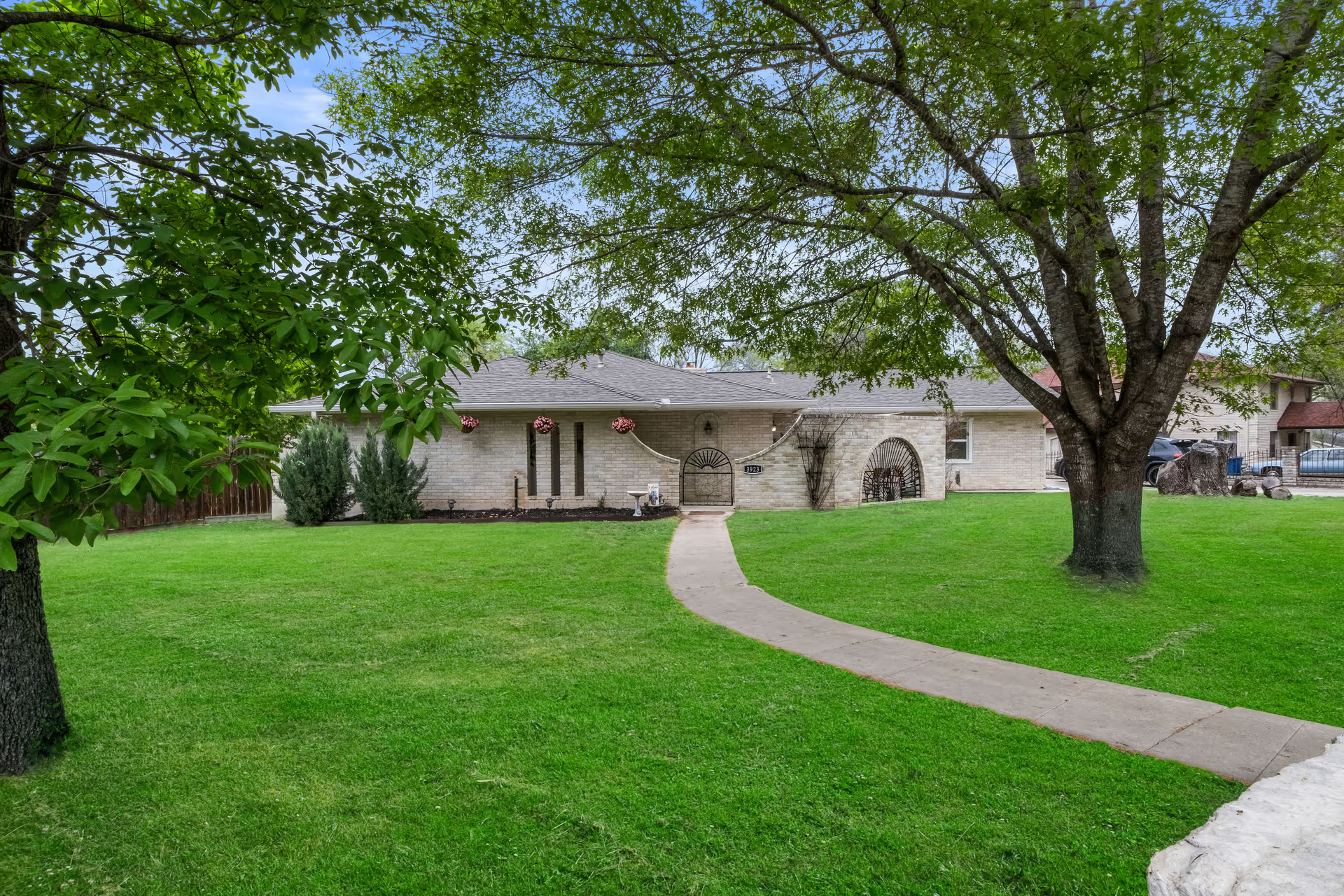
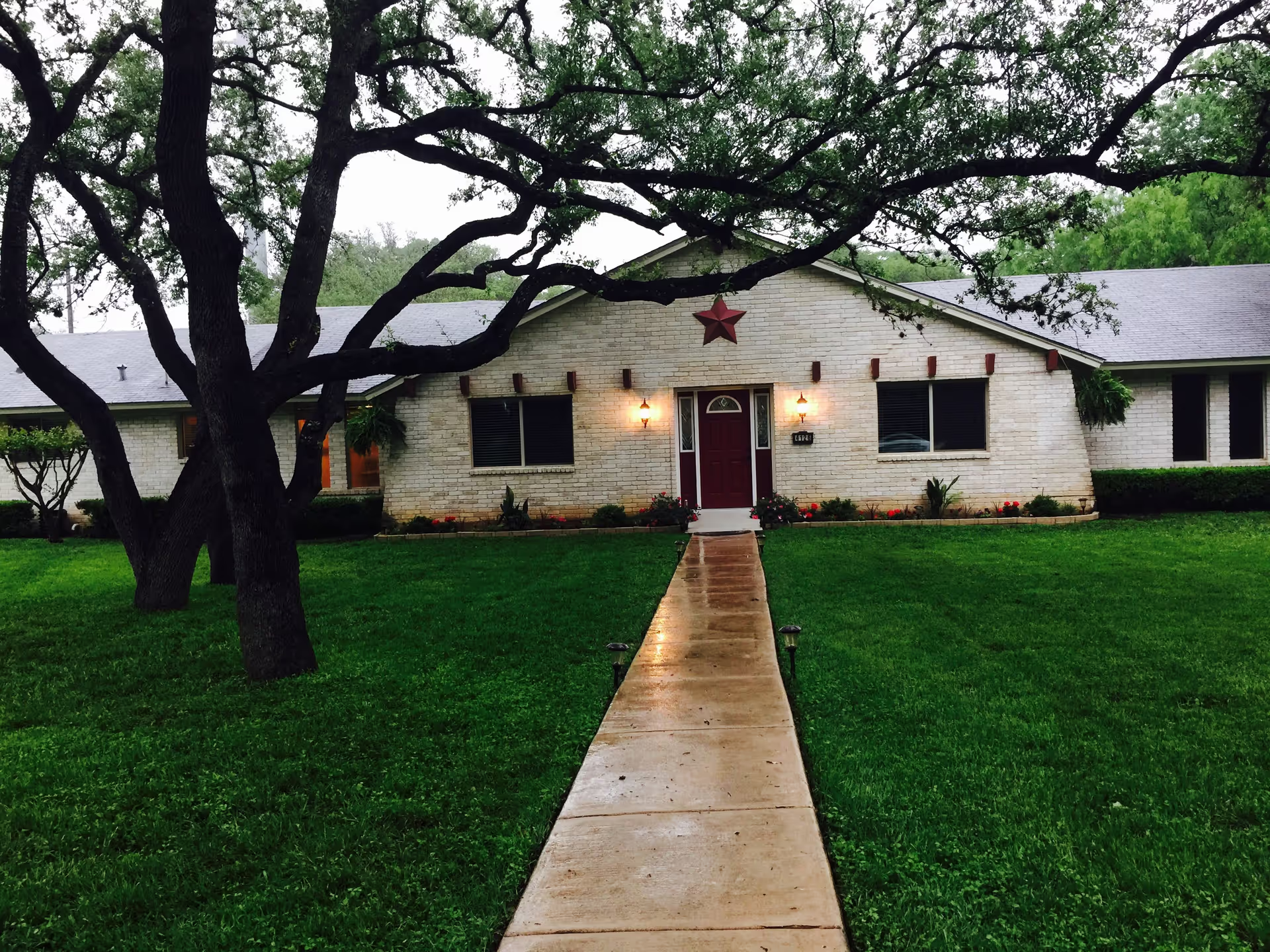
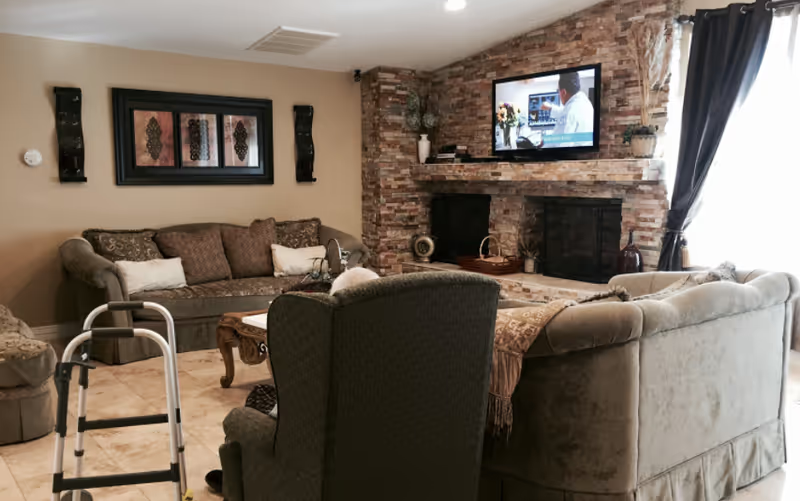
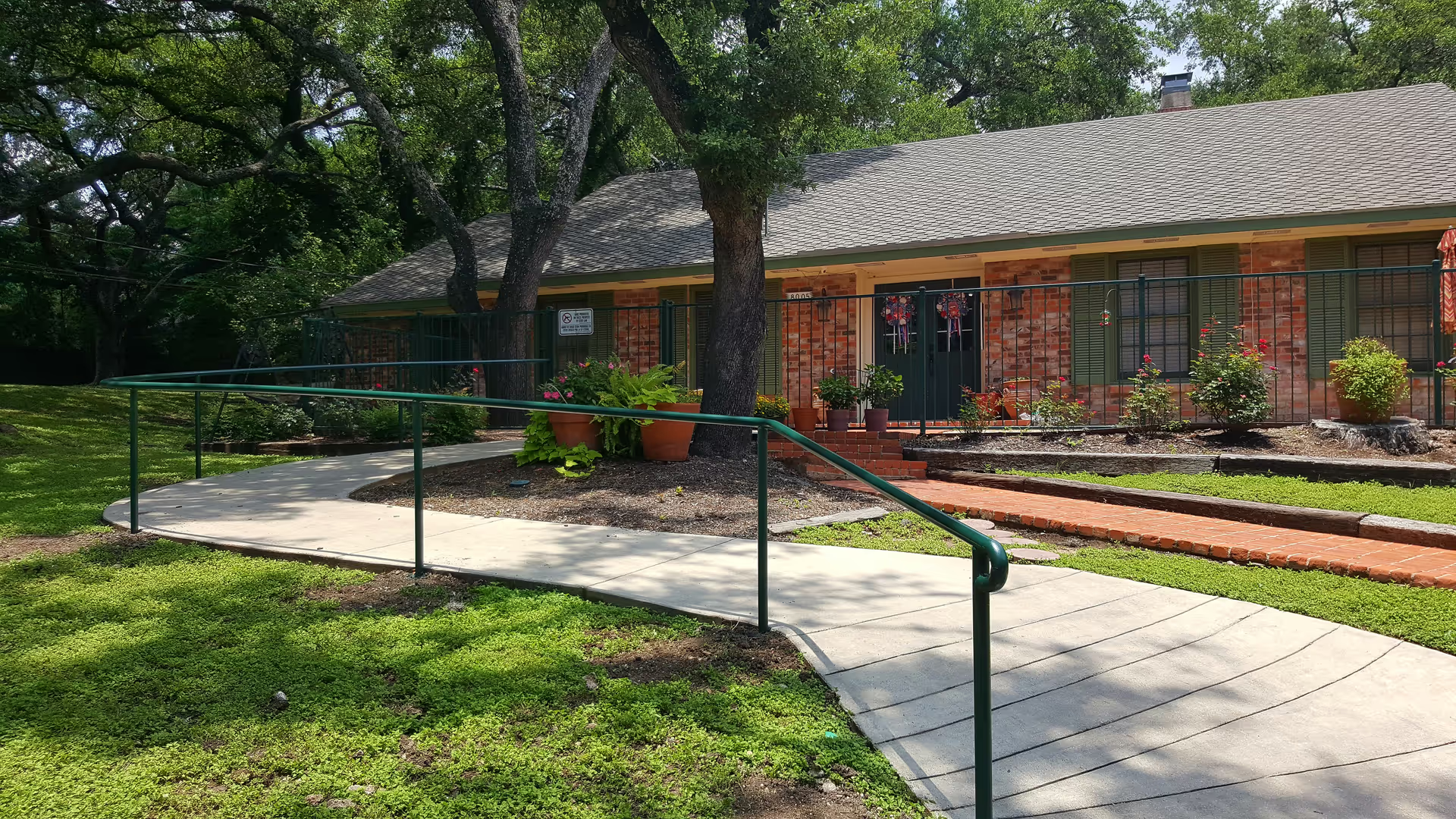
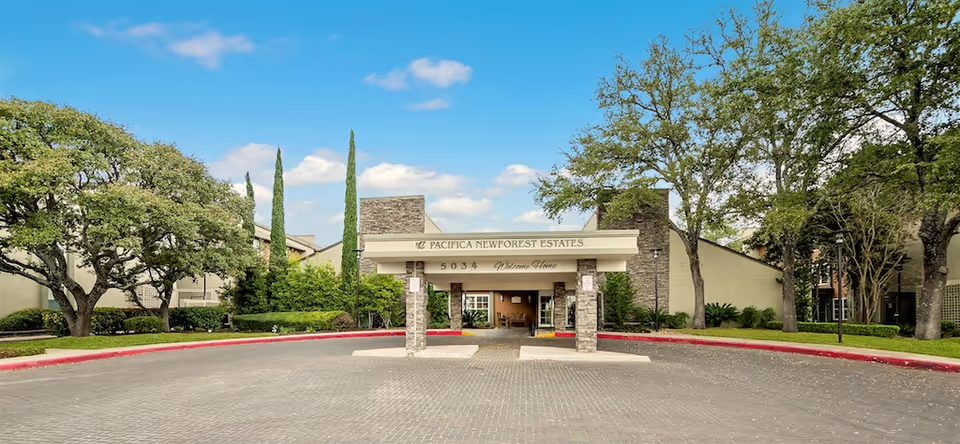
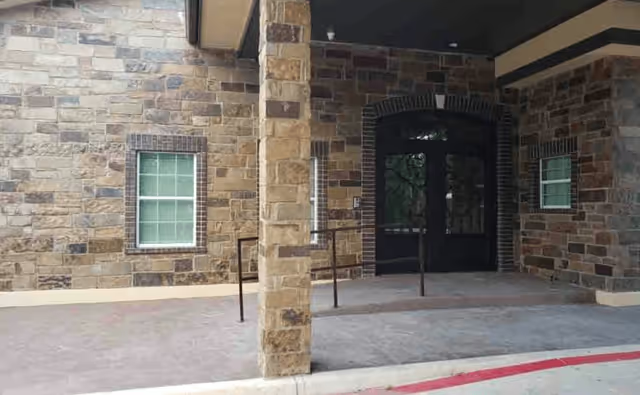
Dining, activities, and facilities: The facility environment is commonly described as clean and reasonably well maintained. Activity programming is a consistent strength—reviewers note a varied schedule and good resident engagement. There is limited and inconsistent commentary about dining; available remarks do not establish a clear pattern of either satisfaction or concern regarding meal quality or service continuity.
Management and oversight: Some families report that the facility took corrective actions after complaints were made to state or corporate oversight, which indicates an ability to respond to external review. At the same time, recurring operational weaknesses—notably staffing levels, training gaps, and incident-response procedures—suggest that management should prioritize systemic improvements rather than rely solely on reactive measures. Specific management areas for improvement include formalizing medication-consent documentation, strengthening emergency-transport coordination, and implementing consistent staffing models to reduce variability in care.
Notable patterns and guidance for families: The reviews display a clear bifurcation: documented examples of strong, compassionate care coexist with serious operational concerns that have affected some residents. Patterns to explore when evaluating this facility include current staffing ratios, staff training and supervision processes, protocols for medication consent, incontinence-care routines, fall-prevention measures, and the facility’s procedures for handling and communicating clinical incidents. Prospective families should ask facility leaders for recent quality-improvement metrics, incident logs, and evidence of corrective actions taken after regulatory complaints to better understand how persistent or recently addressed these issues are.