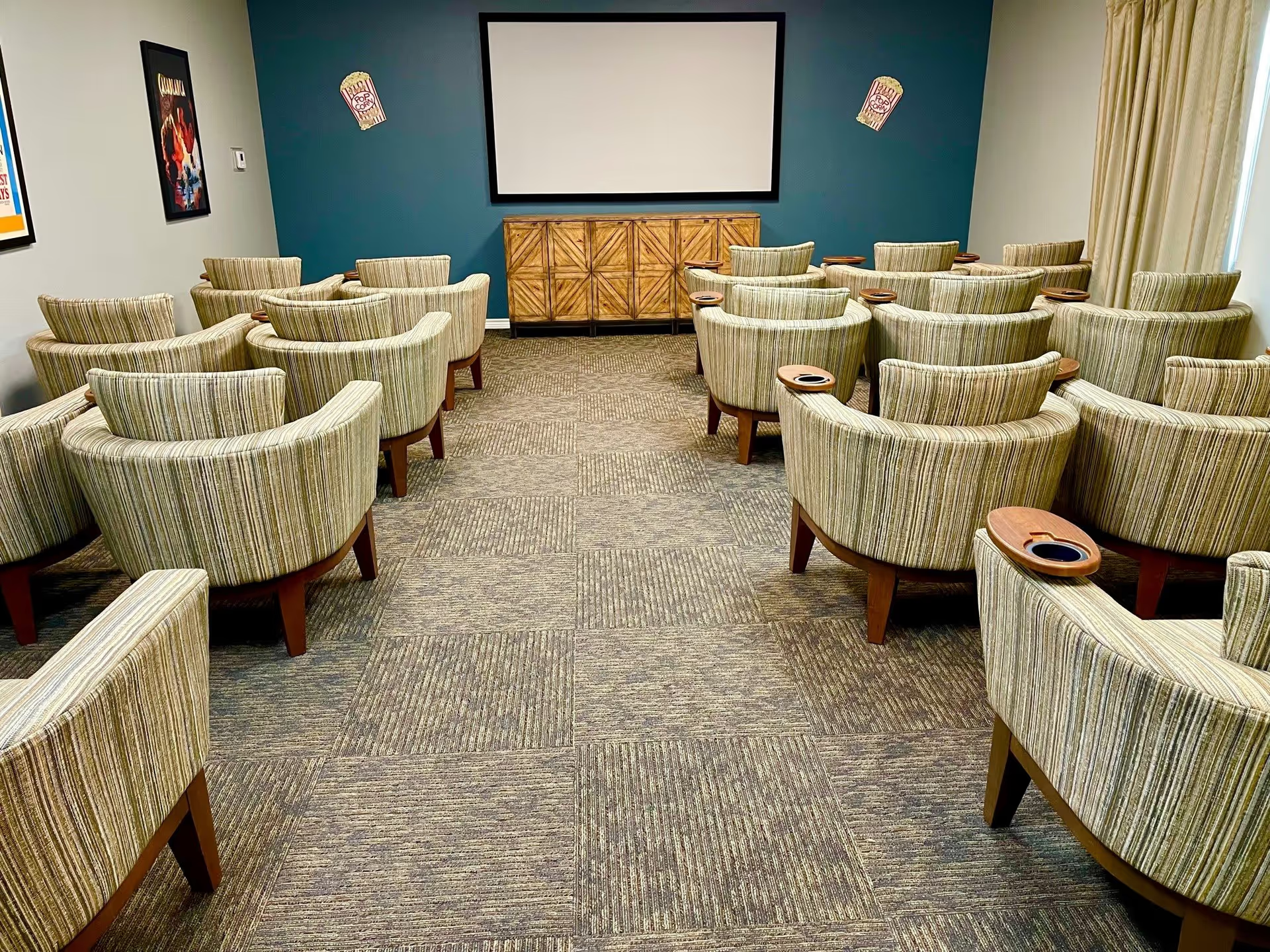
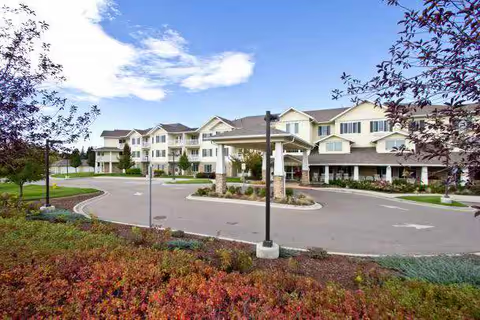
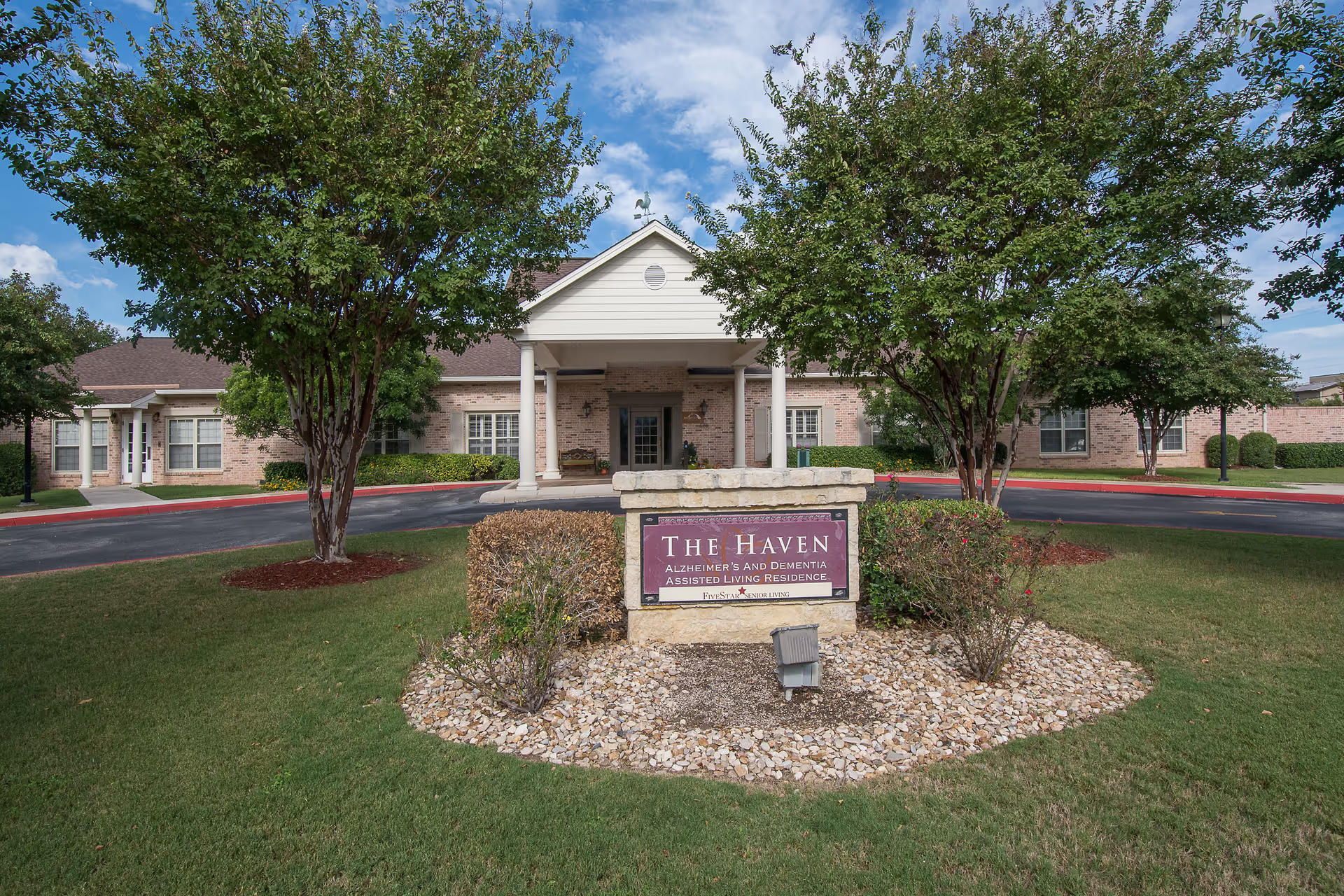
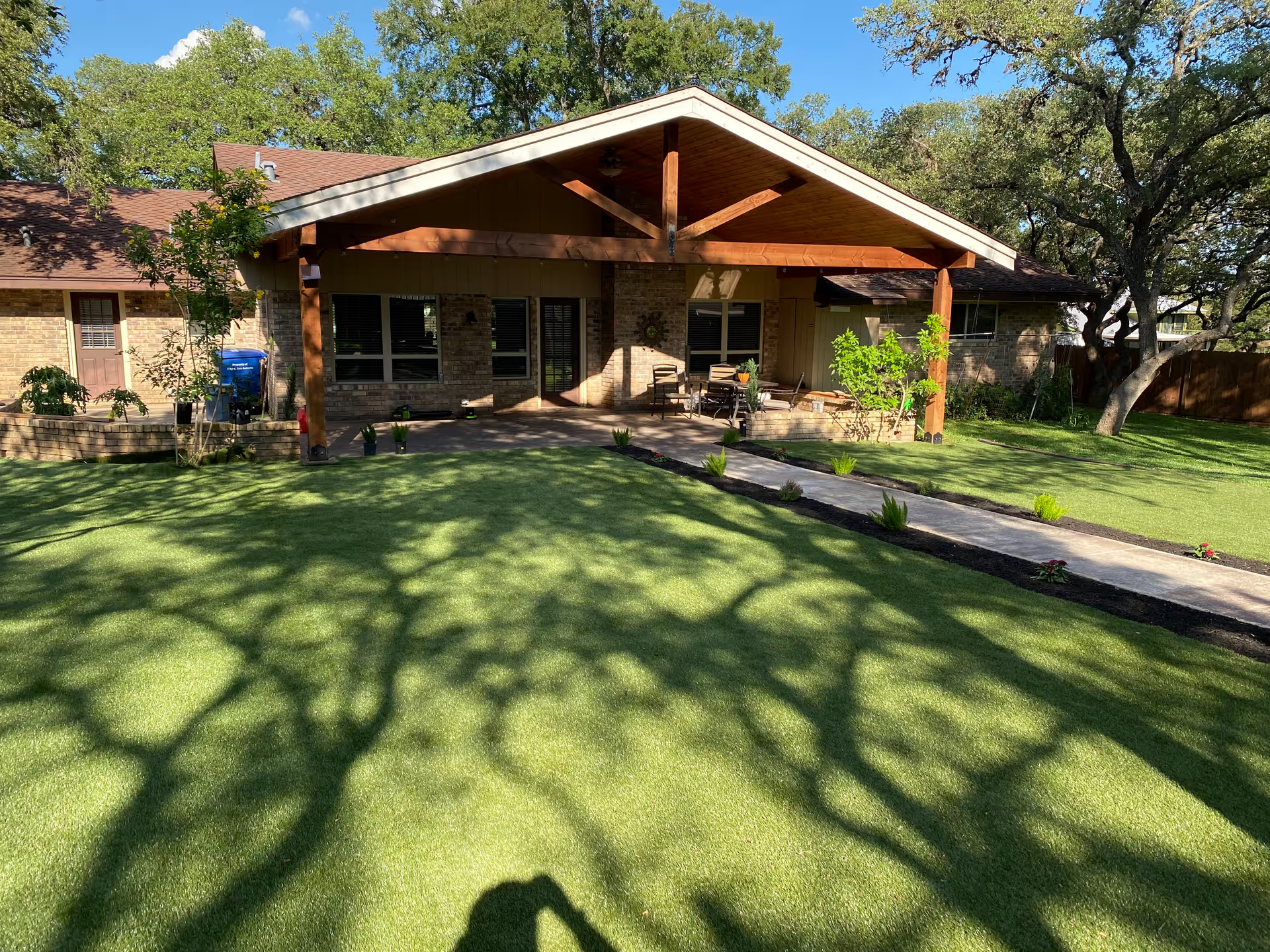
Reviews of The Enclave present a mixed picture: many families praise individual caregivers, therapy staff and activities, while others describe recurring operational problems that affected clinical care, communication and daily living for residents. Strengths most frequently cited include a compassionate front-line staff—particularly CNAs and several individual nurses and therapists—an active activities program, a well-equipped therapy gym, and private, spacious rooms with amenities such as large bathrooms and in-room temperature control. Housekeeping leadership and the appearance of common areas are often highlighted as positive aspects.
Care quality and staffing emerge as a polarizing area. Several families described meaningful clinical progress under the facility’s rehabilitation team and named therapists who provided attentive, effective care. At the same time, a number of accounts describe delays in clinical assessment, delayed or missed medication administration, and slow responses to call lights and alerts. These issues are frequently tied to understaffing, high turnover, or distractions among staff. The pattern suggests variability in day-to-day responsiveness: when staffing and workflow function well, care is described as attentive and personalized; when staffing is stretched, families describe lapses in timely assistance and clinical follow-up.
Dining and activities show a similar split. The activities program and therapy offerings receive consistent praise for engagement and organization. Meal quality descriptions are mixed: some families reported excellent meals and attentive dining service, while others noted inconsistent preparation, inadequate accommodation of special diets, cold or delayed meals, and long waits. Meal timing and continuity appear to be operational pain points that families sometimes address directly.
Facility features and safety considerations are likewise mixed. Many reviewers praise the facility’s cleanliness, layout, and on-site amenities. Conversely, others cite room-level cleanliness issues, occasional shortages of basic supplies, broken equipment, and variability in fall-prevention measures (for example, inconsistent use of bed rails or monitoring). A small number of accounts reference significant clinical incidents that raised concerns about how the facility handles emergent injuries and transitions to higher levels of care, indicating that emergency assessment and transfer procedures may be an area for closer scrutiny.
Management, communication and care planning are recurring themes. Positive experiences describe clear progress updates and organized care coordination. Negative experiences cite poor follow-through on follow-up care, unclear discharge decisions, limited flexibility in visitation policies, and a perception of weak oversight. Taken together, the reviews suggest that leadership effectiveness and accountability vary depending on staffing stability and internal processes.
For prospective residents and families: The Enclave offers clear strengths in rehabilitation, activities, and several dedicated caregivers, along with comfortable private rooms and on-site amenities. However, reviewers also describe operational inconsistencies—particularly around clinical responsiveness, medication administration, meal-service continuity, cleanliness at the room level, and management follow-through. When evaluating the facility, consider asking about current staffing levels and turnover, emergency-assessment and transfer protocols, medication-safety procedures, how special diets are handled, frequency of family updates, and recent cleanliness and maintenance audits to assess whether the facility’s operational practices align with your expectations.