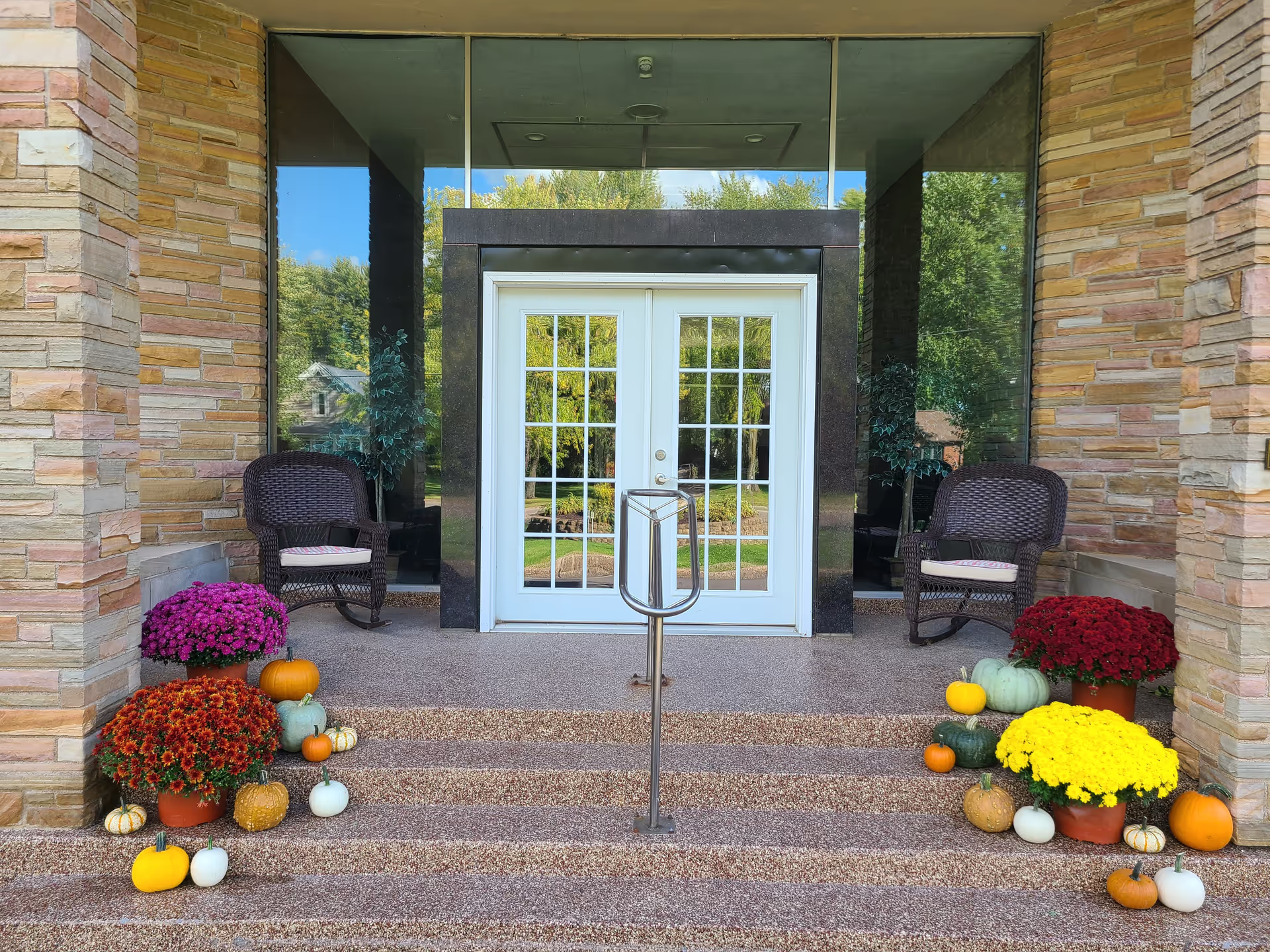
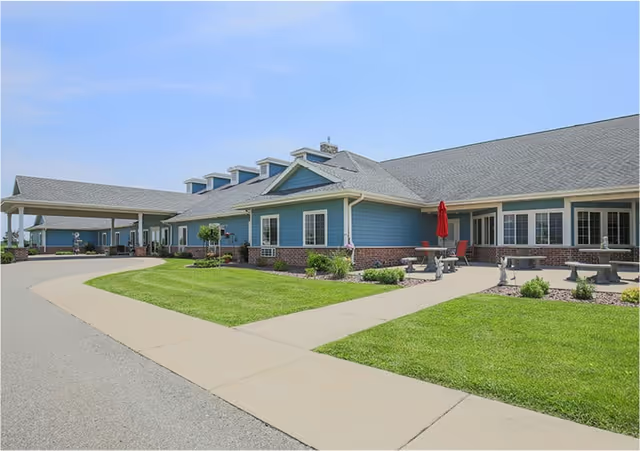
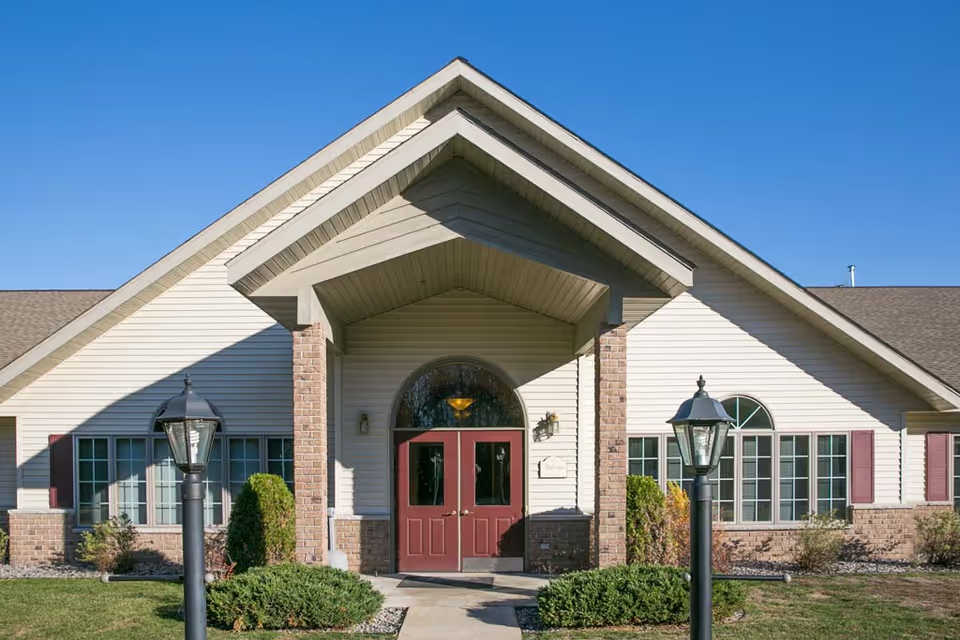
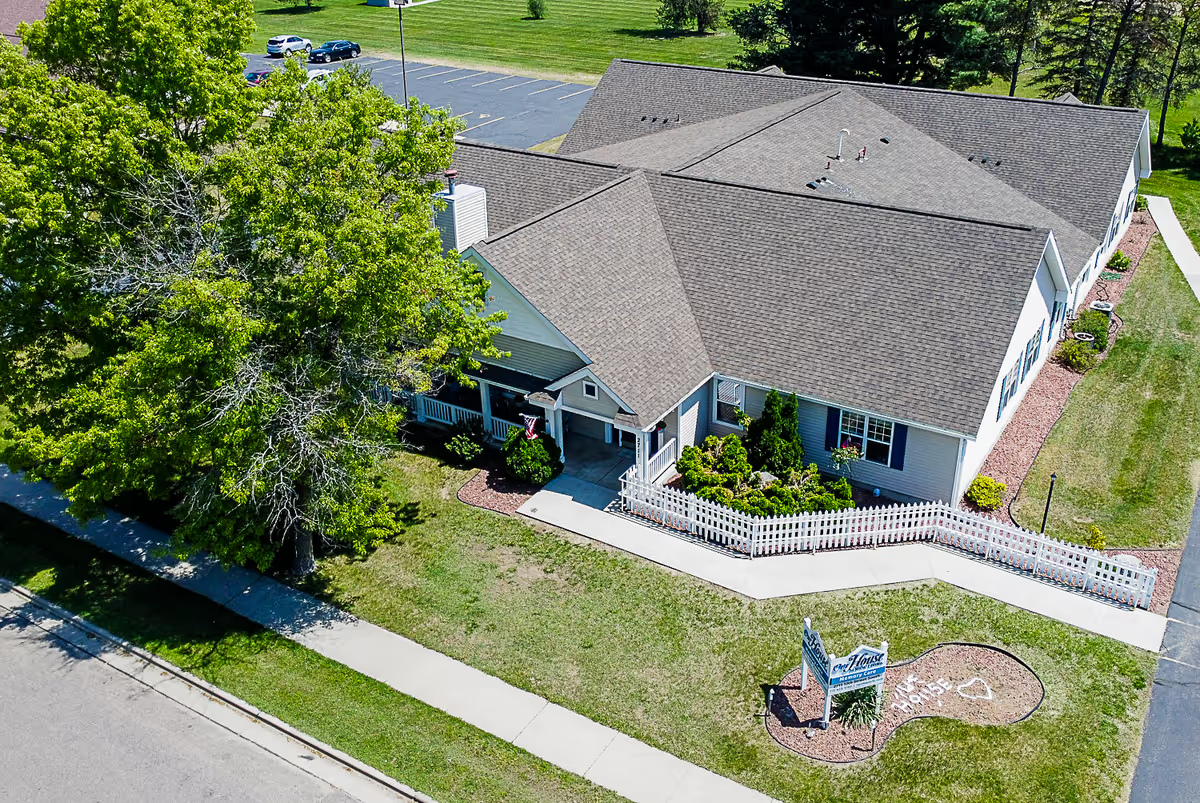
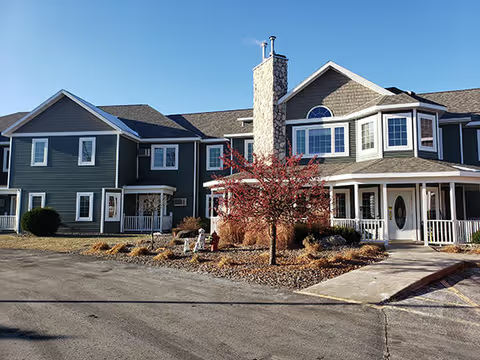
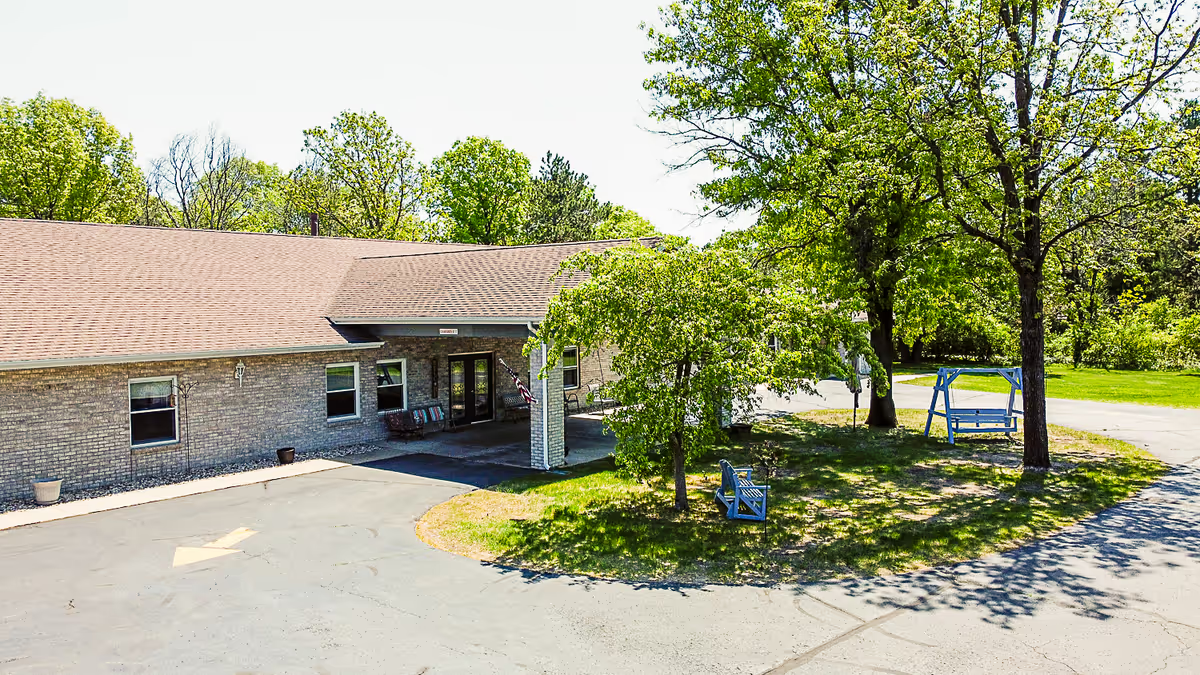
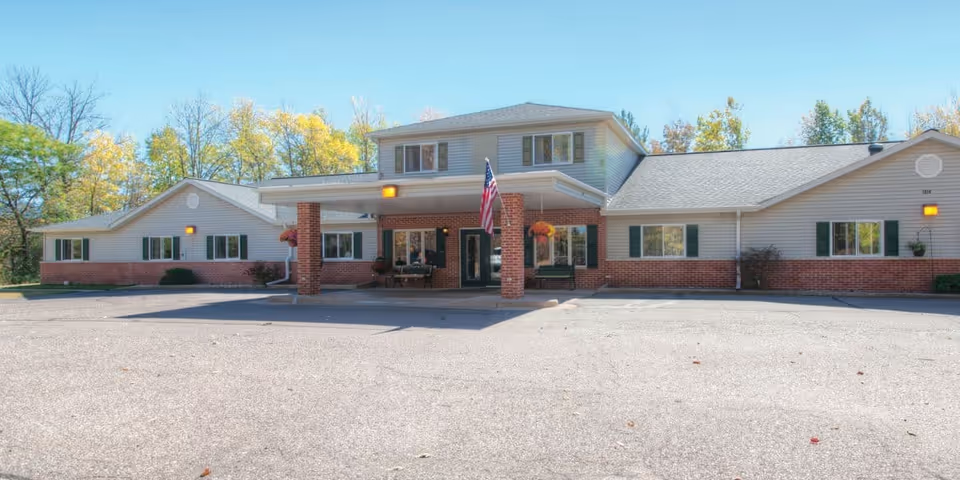
Neillsville Care and Rehab presents a mixed profile. Reviewers consistently describe a well-maintained building, attractive outdoor spaces, and an active social program that includes music, bingo, newspaper reading, and an annual community cookout supported by local organizations. Staff are frequently characterized as friendly, respectful, and helpful; many families report a positive social environment and satisfaction with everyday personal interactions.
At the care level there are recurring operational concerns. Several reviewers described sanitation and incontinence-care issues and noted odor concerns in some areas. There are also patterns suggesting delays in responding to resident call signals and gaps in supervision after meals. Reports referenced falls and limited explanations around those incidents, which together indicate weaknesses in fall-prevention practices and in incident communication to families.
Staffing and workflow are a repeated theme. While frontline staff and nurses receive praise for their manner, reviewers also noted that nursing staff are busy and that staffing levels or workload may be contributing to slower response times and inconsistent family communication. Relatedly, some accounts describe restrictive seating or restraint-like practices and limited routine ambulation for residents, which reviewers linked to inactivity and weight changes.
The facility’s programs and amenities are clear strengths: well-kept flower gardens that are accessible by wheelchair, communal gathering spaces with refreshments, regular programming, and strong local-community involvement. The physical plant is described as clean, though room size is a common limitation cited by families considering longer stays.
Management-level patterns emerging from the reviews point to a need for improved operational consistency rather than wholesale cultural problems. Key areas for management attention include incontinence-care protocols, response-time monitoring for call systems, fall-prevention training and post-incident communication, mobility and activity scheduling to encourage ambulation, and clearer cost and family-communication practices.
For prospective residents and families: verify current staffing ratios and response-time metrics, ask about incontinence and bathing schedules, inquire how the facility documents and communicates incidents, review activity and ambulation plans, tour typical room sizes, and request a clear breakdown of costs and what they cover. The facility offers notable social and community assets, but families should confirm that care-process improvements are in place to address the operational gaps described above.