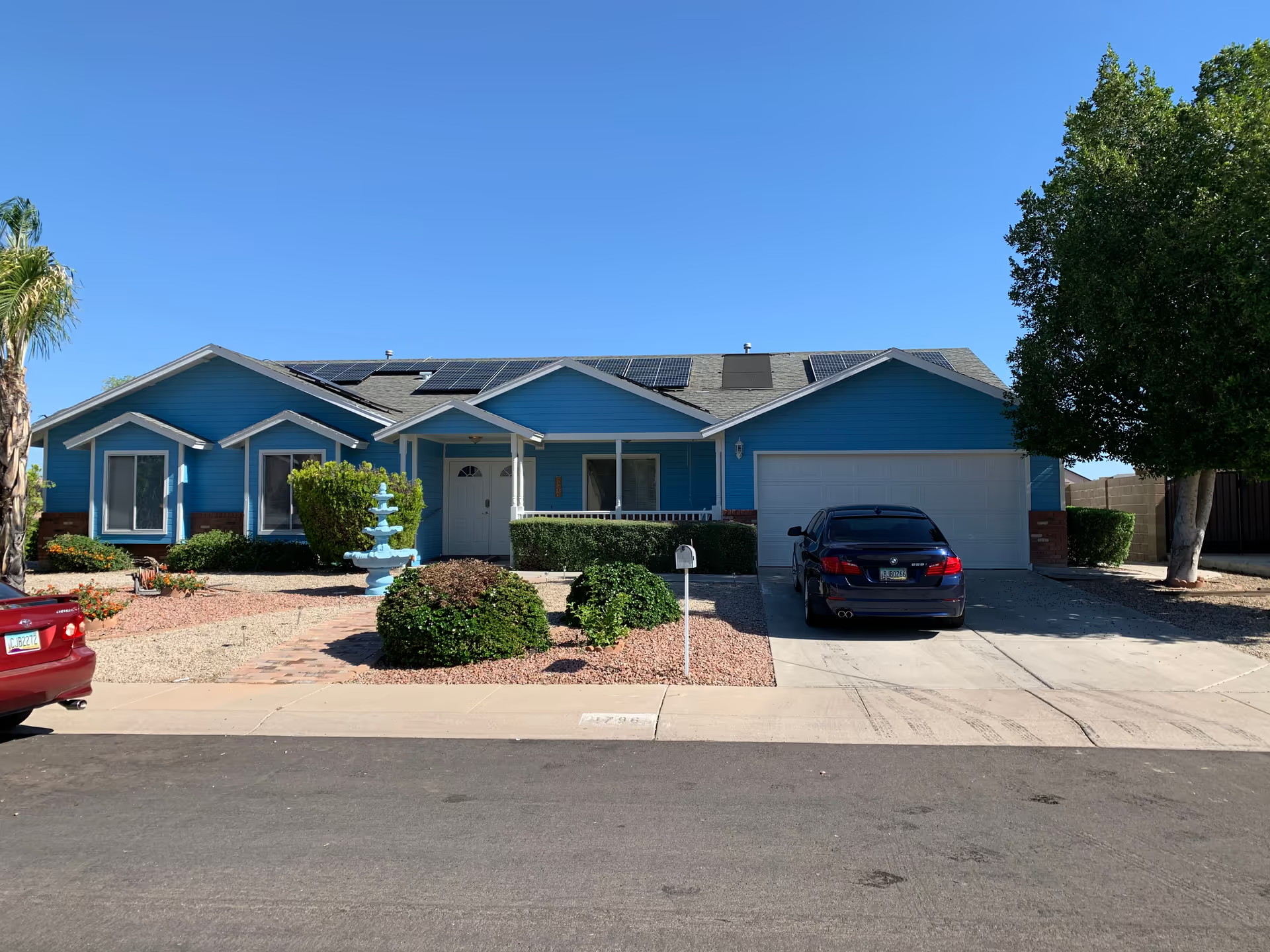
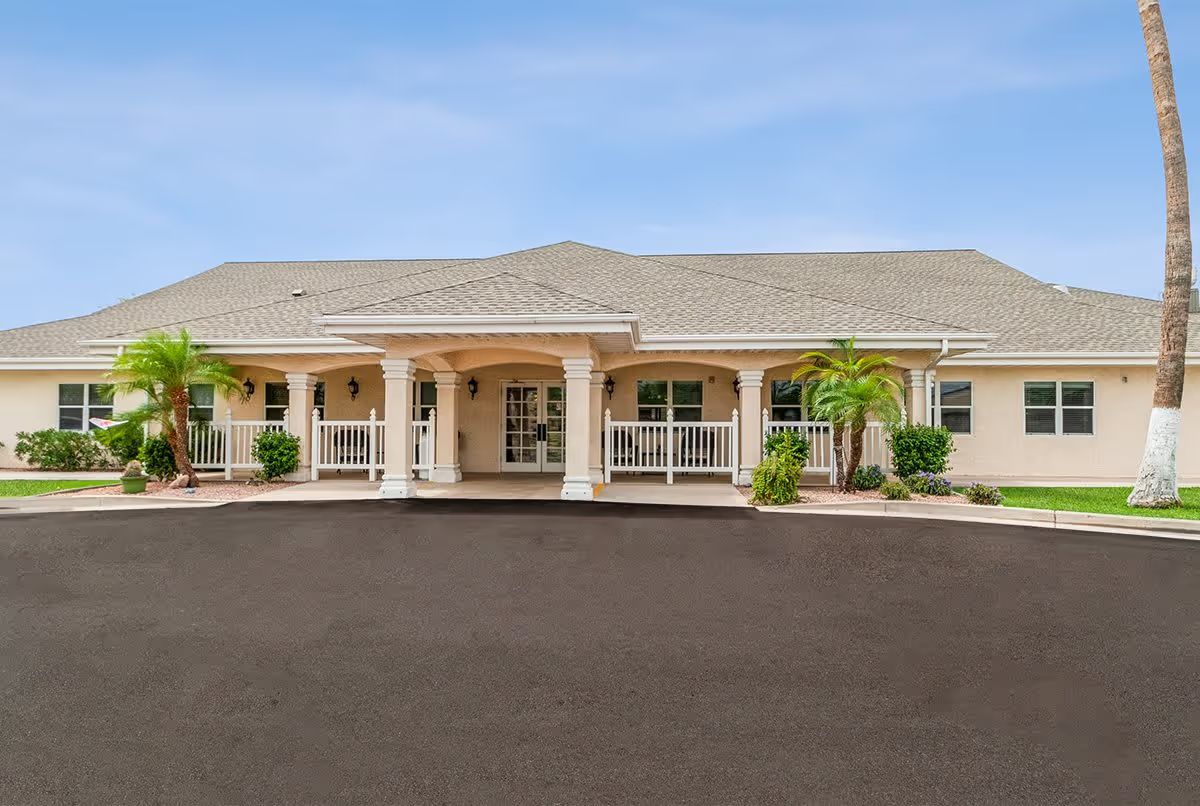
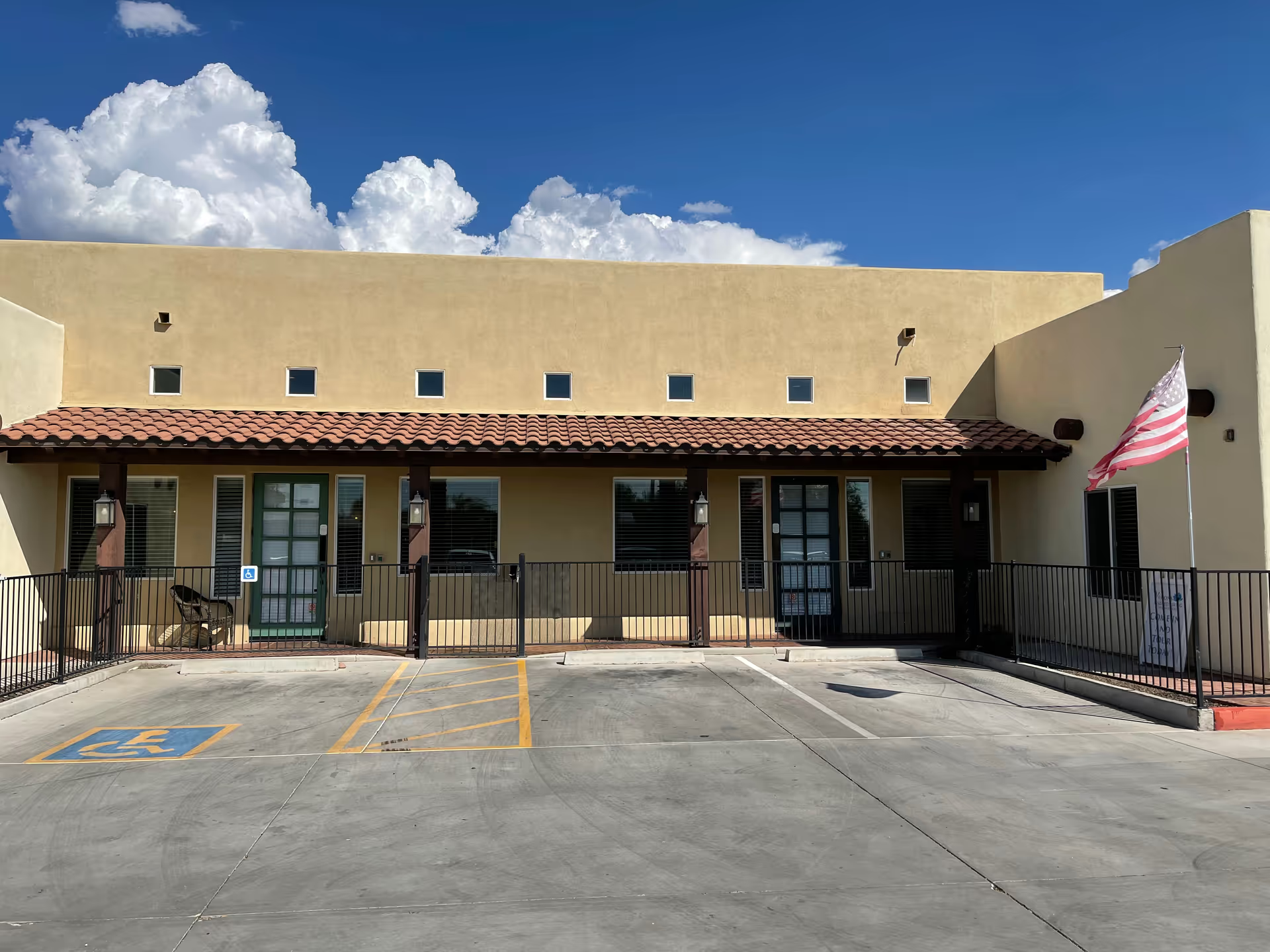
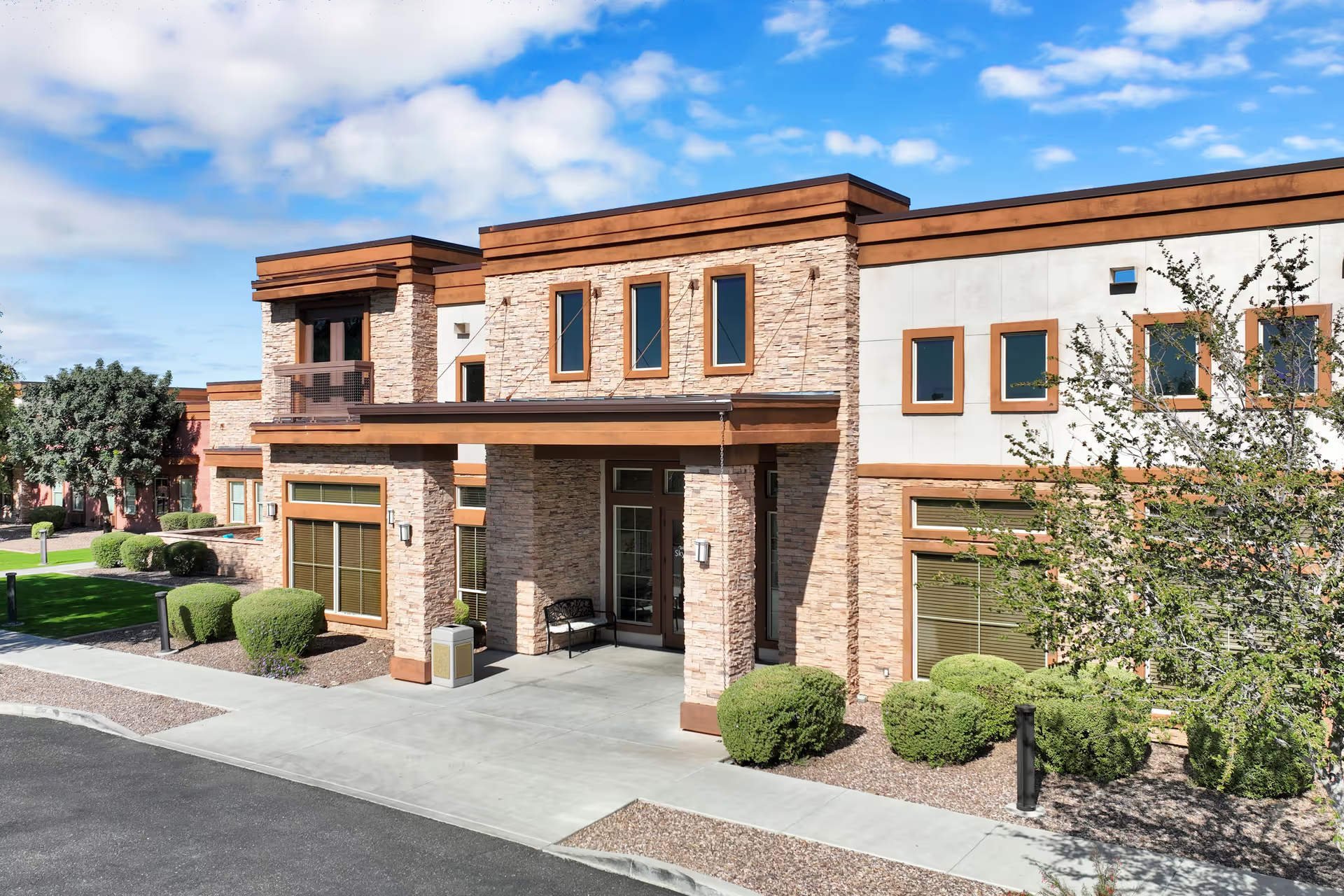
Brookdale Apache Junction presents as a large, amenity-rich senior community with numerous strengths in hospitality, social programming, and housing options. Many reviewers describe a welcoming, family-like atmosphere supported by long-tenured staff who are routinely described as friendly, helpful, and attentive. Dining is frequently cited as a highlight: restaurant-style service, varied entrée options, themed meals, and flexible dining times. The community offers a broad activity calendar, transportation services, weekly housekeeping/linen service, and recreational amenities such as a pool, gym, library, and chapel. Apartment configurations range from studios to larger one- and two-bedroom units with kitchen or kitchenette options; many reviewers praised the cleanliness and hotel-like common areas and seasonal décor.
Care quality and staffing patterns are mixed. Positive accounts emphasize attentive nursing and caregiving for residents with routine medical needs and in-house hospice availability. However, there are consistent operational concerns about staffing reliability and responsiveness: caregivers arriving late or not showing for scheduled shifts, nurses not following through on expected tasks, and perceived limits in the community’s ability to manage higher-dependency care needs. These patterns suggest the community may be well suited to independent and lower-dependency assisted-living residents but less well matched to people who require frequent hands-on assistance or complex nursing oversight.
Food and dining are generally strengths but with variability. While many residents praise the taste, presentation, and choice, there are recurring comments about inconsistent meal quality, small portions, and occasional tray-delivery problems. Prospective residents may want to observe mealtime service and ask about menu rotation and special-diet accommodations.
Operational and management issues emerge as a notable pattern in the feedback. Several reviewers describe aggressive marketing and high-pressure move-in experiences, and there are specific allegations of contract and billing irregularities (including unclear authorization signatures and cashing of payments despite cancellation instructions). Billing transparency and additional fees — such as storage, extra-meal charges, or oxygen-related line items — were a frequent source of dispute. Maintenance was described as timely in many areas but delayed at times, and staffing levels for maintenance were called out as limited relative to the size of the community, which corresponds with some reports of dated finishes or uneven condition in parts of the facility.
Safety, infection-control, and communication practices show variability. Some accounts praised proactive COVID-19 protocols and safety-focused changes; other accounts cite lax enforcement of visitor masking and inconsistent follow-through on infection-control expectations. There are also mentions of safety risks related to personal mobility equipment in communal spaces. Communication gaps between families and management — including slow response to complaints, perceived reluctance to escalate concerns, or inconsistent outreach — appear in multiple comments and are a persistent operational weakness.
In summary, Brookdale Apache Junction offers a strong hospitality and social experience with attractive dining, amenities, and a visible community culture. These strengths are balanced by operational issues that affect higher-dependency care, financial transparency, and occasional maintenance responsiveness. Families considering this community should verify staffing levels for the anticipated level of care, review contract and billing terms in detail (including authorization and cancellation procedures), observe mealtime service, and ask for examples of how the community manages care transitions and clinical follow-through. Doing so will help align expectations with the community’s demonstrated strengths and known operational limitations.