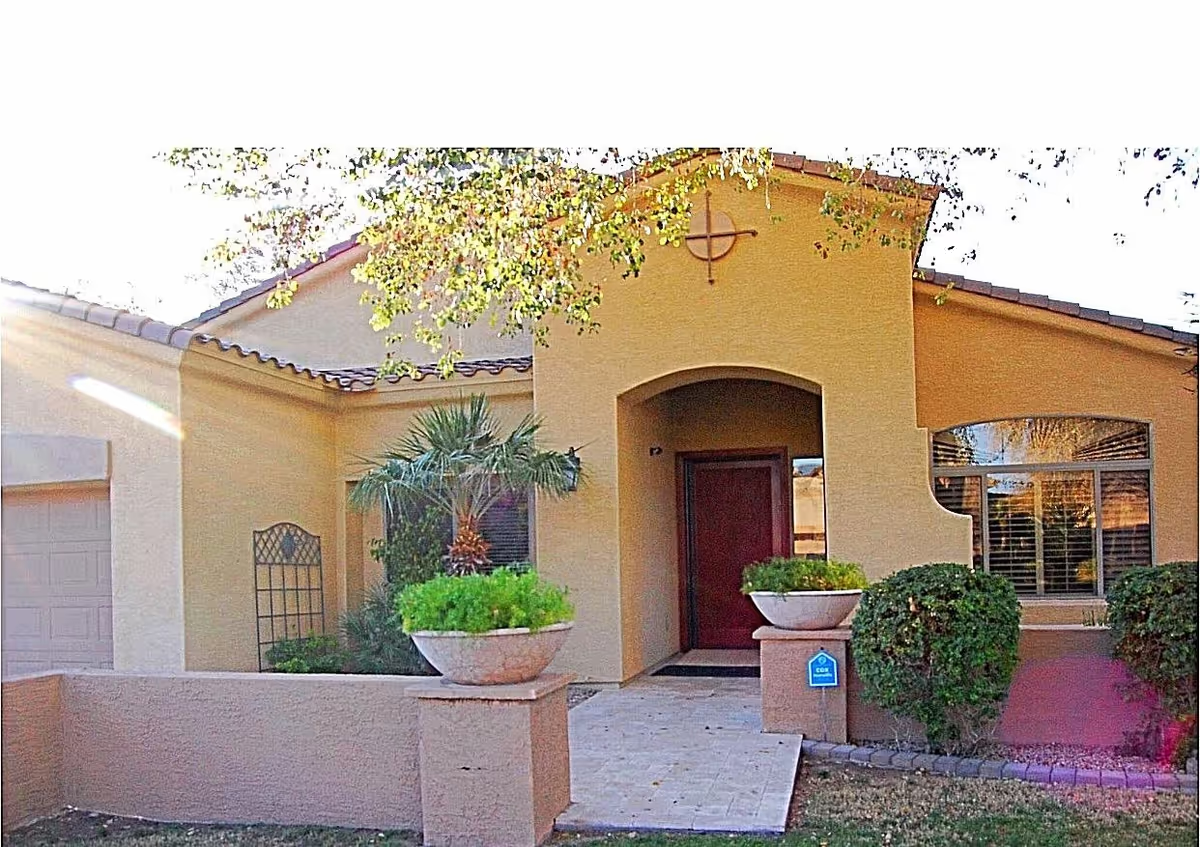
Reviews present a mixed picture of care quality. Several family members describe a caring, family‑like environment in which residents are treated with respect and ownership (the Roberts) is viewed positively; individual residents are reported to be happy and comfortable in that context. At the same time, there are operational concerns that affect day‑to‑day care consistency: caregivers have been described as not consistently engaging with residents, responsiveness to call systems has been uneven, and activity programming appears limited, with much of the routine described as television‑centered.
Staffing and communication are recurring topics. Language barriers between staff and residents or families are noted as a barrier to effective interaction, and there are accounts of delays or lack of response to resident calls. These issues manifest as inconsistent engagement rather than uniformly poor intent: some caregivers are described positively while others are perceived as less interactive. One serious allegation of improper staff conduct is present in the record; facility leadership has characterized the incident in terms of cultural or communication differences. This combination suggests a need to clarify staff training, supervision, and incident‑response procedures.
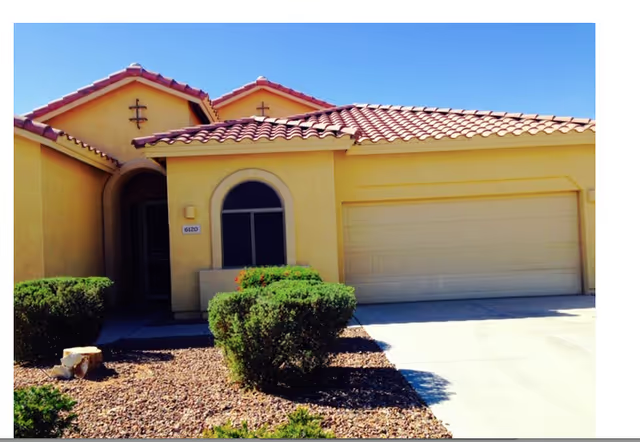
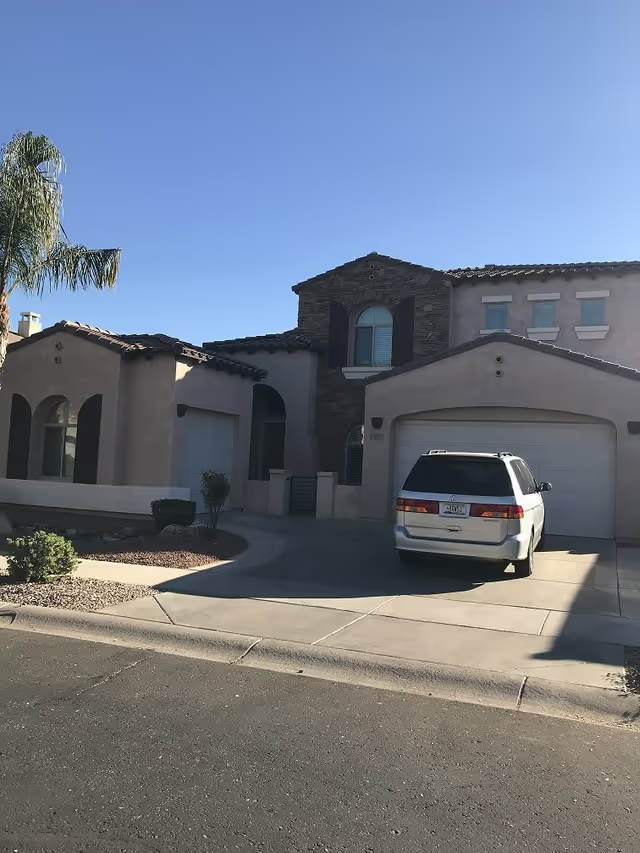
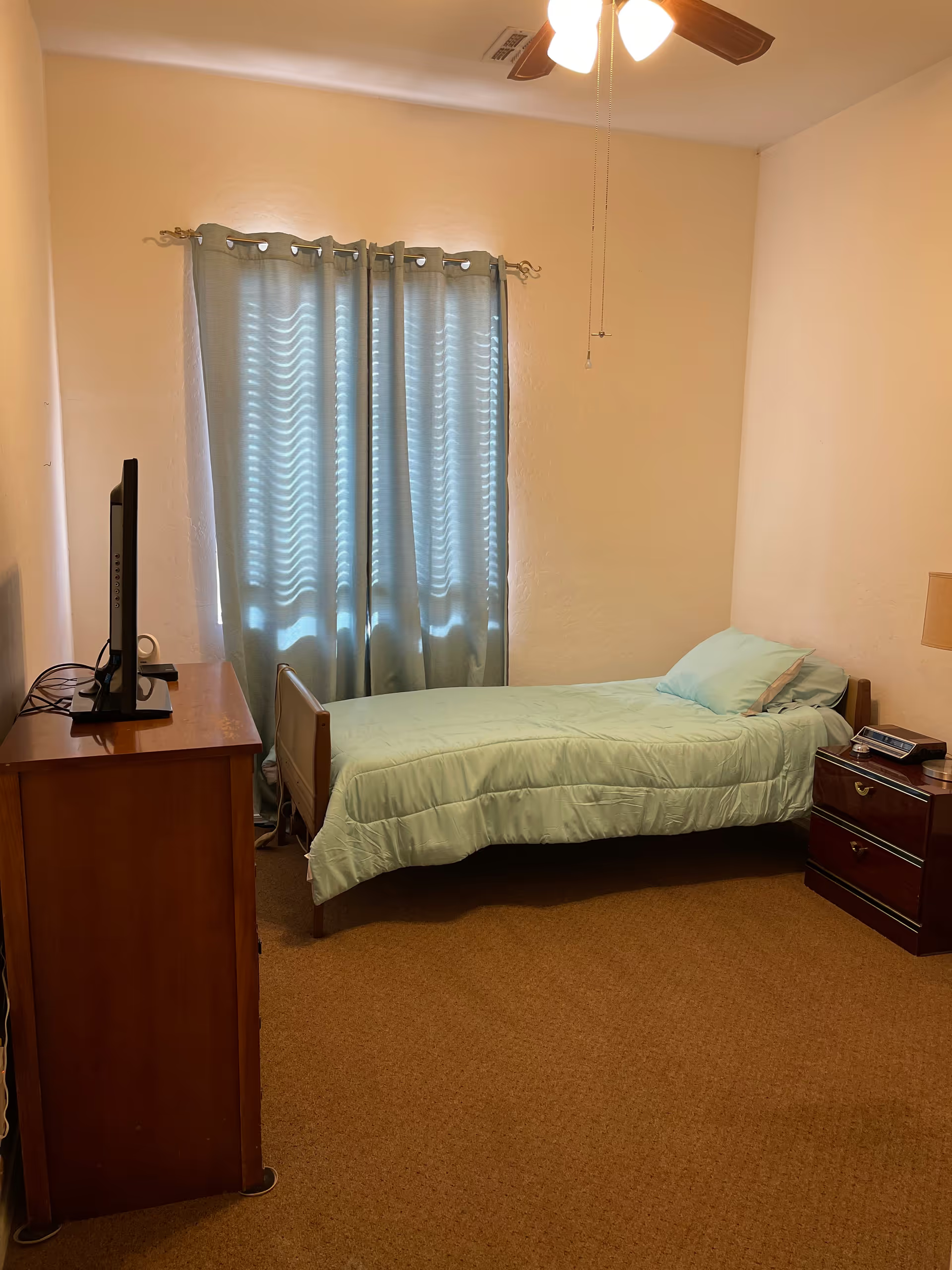
There is little specific information about dining quality or meal service in the available summaries. Prospective families should ask the facility directly about meal schedules, menu variety, dietary accommodations, and meal‑service continuity. Facilities and common areas are described at a small, home‑like scale, which may appeal to people seeking a quieter, more intimate setting; however, the small census can also correlate with fewer structured social programming options.
Management receives mixed feedback: owners are praised by some families for warmth and support, yet there are criticisms about how management addresses conduct and communication issues. Notable patterns include a split between positive, personalized experiences for some residents and operational gaps that affect consistency of engagement and responsiveness. Based on the pattern in the summaries, the community may be better suited for short‑term respite or transitional stays rather than as an unequivocal choice for long‑term permanent placement. Prospective residents and their families should seek specific, up‑to‑date information about staffing language skills, activity schedules, call‑response metrics, staff training and supervision, and the facility's procedure for handling conduct concerns before making a placement decision.