Overall impression: Reviews present a mixed picture. Many families and observers praise the interpersonal side of care — staff are frequently described as friendly, caring, knowledgeable and hardworking, and the facility's long-standing community presence is seen as a strength. The small size and welcoming common areas are experienced as creating a close-knit atmosphere and predictable day-to-day routines. At the same time, several operational and clinical process issues recur in the feedback and would be important for prospective families to evaluate in person.
Care quality and clinical management: Clinical staff are often characterized as competent, but there are recurring concerns about specific operational safeguards. Review comments point to gaps in medication or order handling and delays in clinical responses, which were linked to safety events in some accounts. Families also described limited physician accessibility off-site, which can complicate timely decision-making. The combination of delayed responses, order-management gaps, and questions about fall prevention suggests a need to verify the facility's safety protocols, incident-response procedures, and mechanisms for escalating clinical concerns.
Staff, customer service and professionalism: Staff behavior receives polarized feedback. Many reviewers highlight caring, family-like interactions and staff dedication. Conversely, others cite inconsistent professionalism — particularly around administrative and accounting interactions — and describe unhelpful communication or a lack of sympathy in some contacts. These differences suggest variable customer-service consistency; prospective families should ask about staff training, supervision, and how complaints or conduct issues are handled.
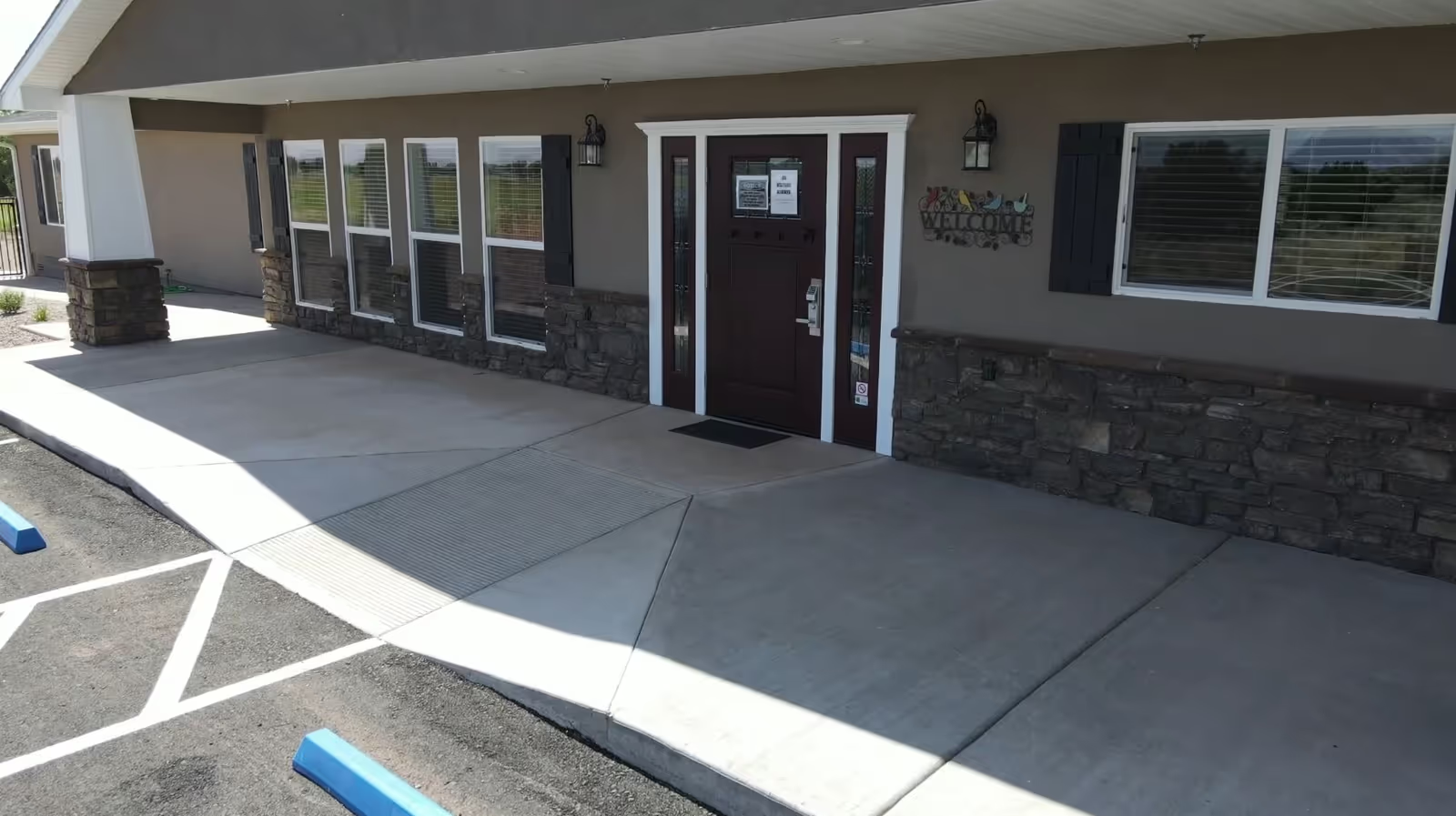
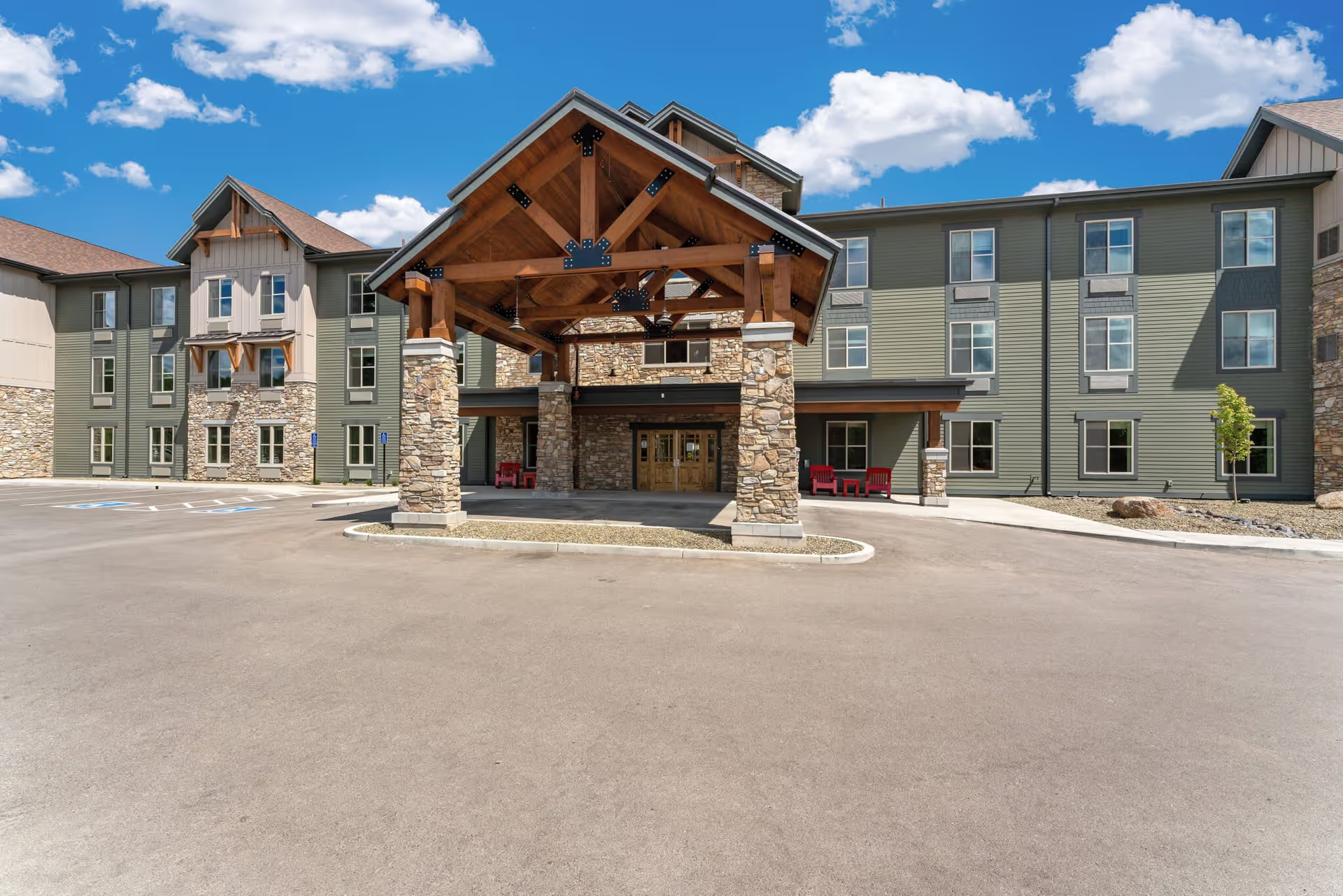
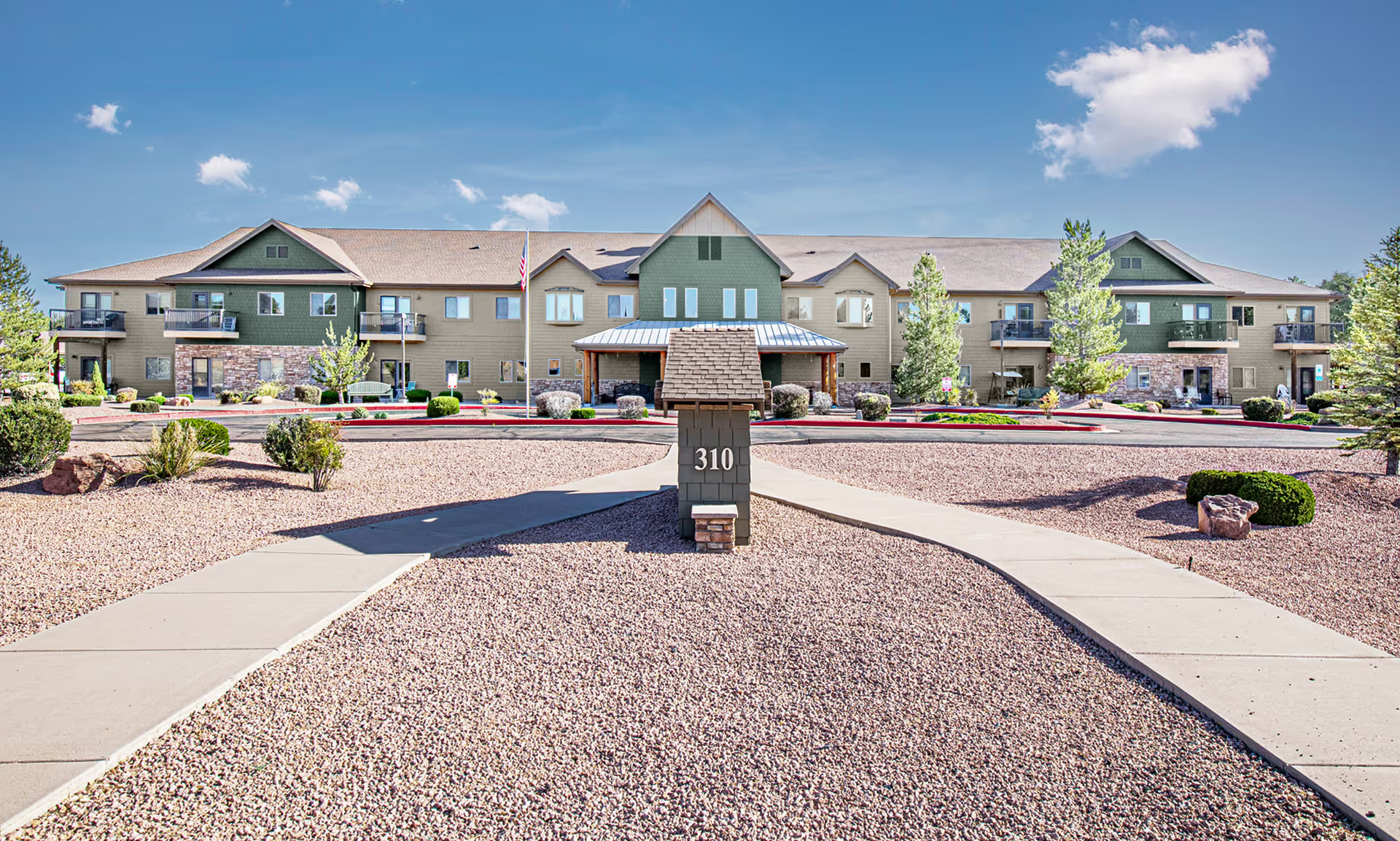
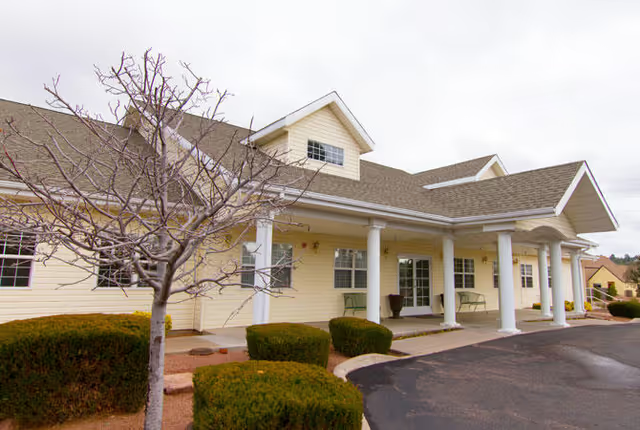
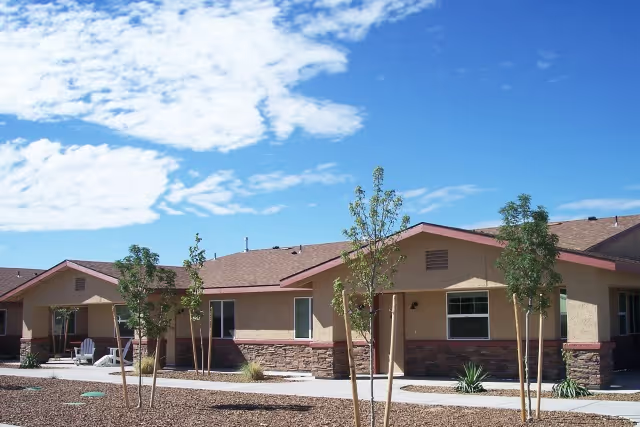
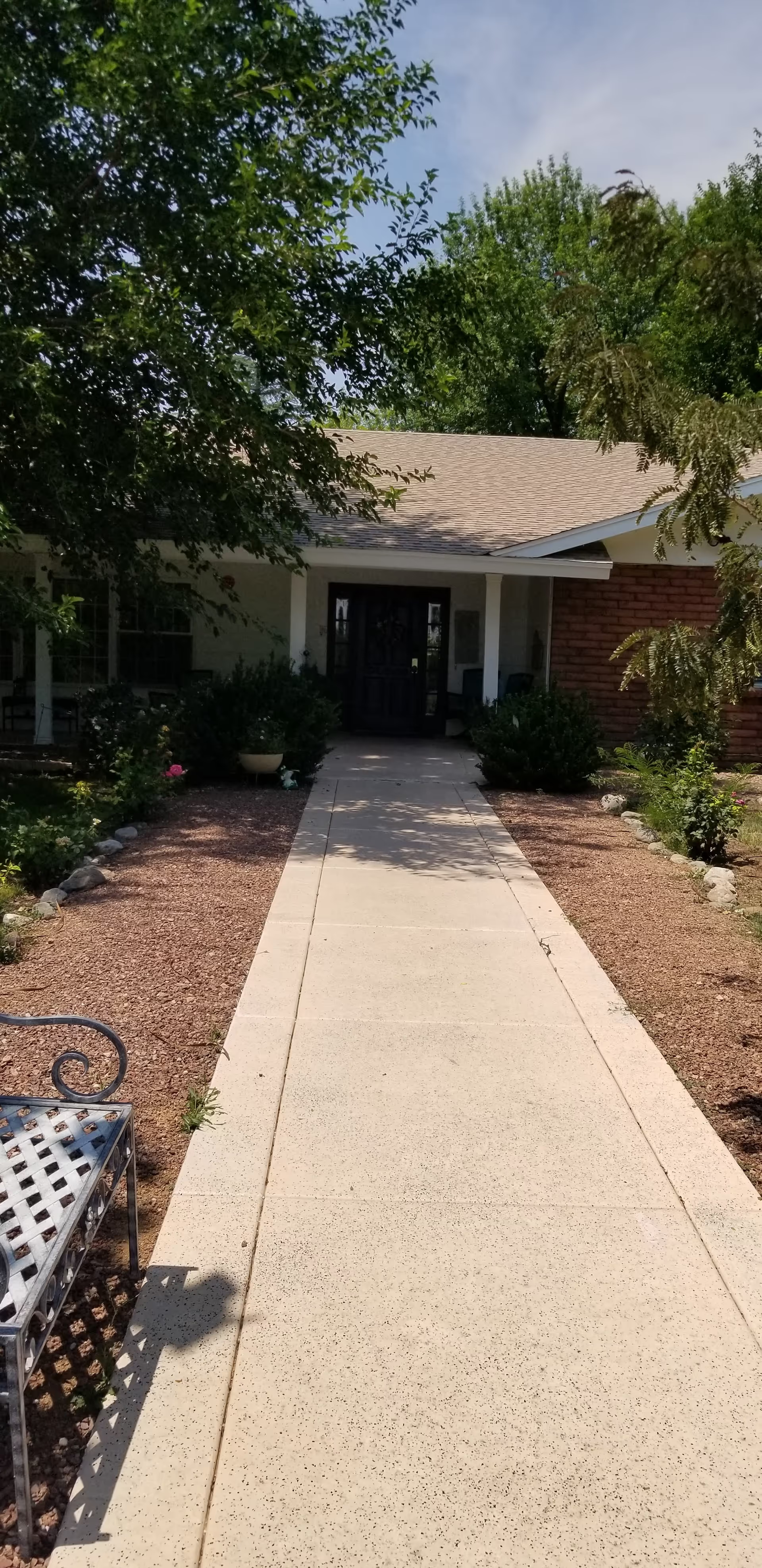
Activities, dining and facilities: Activities and daily programming are generally described as smooth and well-run, which aligns with the facility's small, community-oriented scale. The lobby and exterior grounds are noted as welcoming and well-maintained. There is little specific information about dining quality or meal-service operations in the available feedback, so families should request sample menus, meal schedules, and information on how special diets are accommodated.
Management, communication and property controls: A prominent pattern concerns communication and administrative responsiveness — unreturned phone calls, delayed notifications about hospital transfers, and slow handling of release paperwork. Reviewers also raised issues about missing personal items (clothing, jewelry), indicating weaknesses in personal-property controls and inventory procedures. Several accounts described management-level challenges, including perceived lack of accountability and deflection between staff, which can complicate resolution of family concerns.
What to verify before choosing this facility: Given the mix of strengths and operational concerns, families should visit and ask targeted questions: request the facility's incident-reporting and escalation procedures; ask how medication and clinical orders are verified and who is available after hours; review infection-control and staff-sickness policies; ask about physician coverage and how off-site medical needs are handled; review personal-property and inventory procedures; and ask for references from current families. A tour that includes observation of mealtime, an activity session, and a review of recent quality indicators will help clarify whether the interpersonal strengths are matched by reliable operational practices.