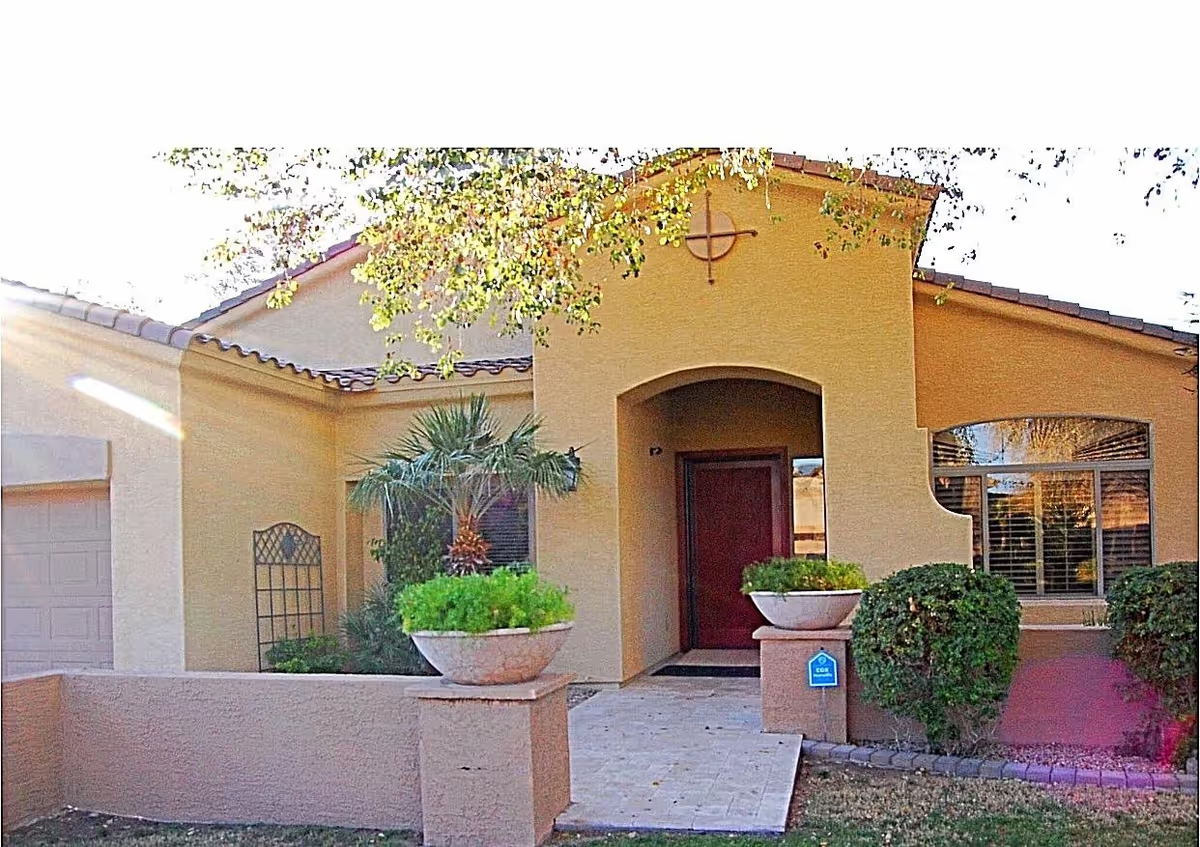
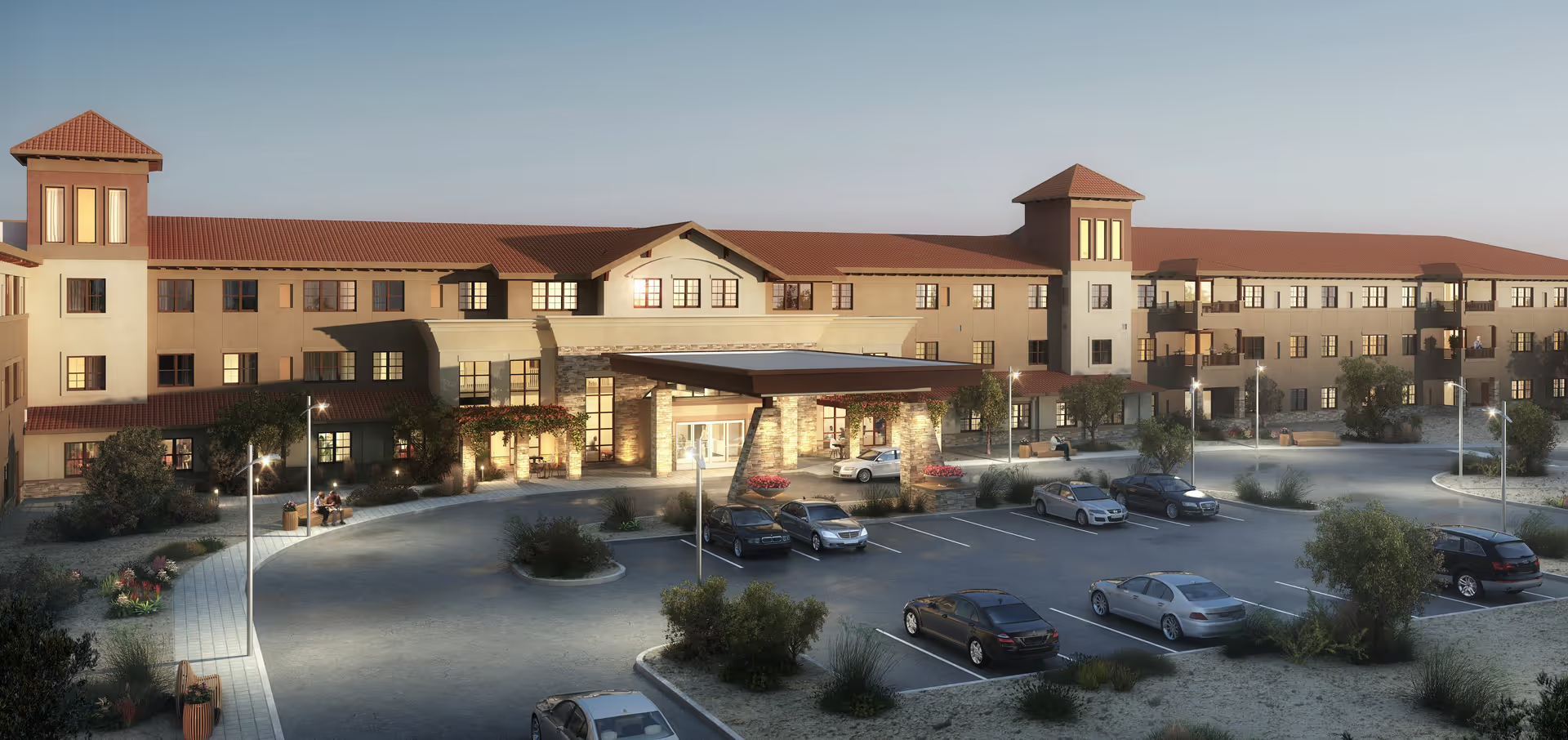
Overall impression Feedback paints Estancia Assisted Living as a small, clean, and welcoming home with a clear emphasis on hands‑on, compassionate caregiving. Families describe staff as patient, loving, and professional; reviewers consistently highlight 24‑hour on‑site caregiver coverage and individualized assistance (including tailored feeding and private rooms) as important strengths. Communication with families—via phone calls and text—is characterized as timely and helpful, and visitors report easy access for family visits.
Care and staff Care quality is generally described positively: staff are described as attentive and aligned with clinical directions from nurses and physicians. Supportive management and prompt family communication are recurring strengths that contribute to perceived reliability of care. At the same time, reviewers indicate variability in staff experience and a need for more formal or consistent training; this suggests occasional onboarding or competency gaps as the facility grows or transitions staff.
Dining and activities Dining is an area of mixed feedback. While some residents receive individualized meal assistance, the menu is described as limited in nutritional balance, with an emphasis at times on convenience-style items rather than consistently varied protein and vegetable options. This pattern suggests an opportunity to expand meal planning toward more balanced daily menus. Activity programming is another area for improvement: reviewers expressed a desire for more varied and regular activities, and management has indicated an interest in developing this offering further.
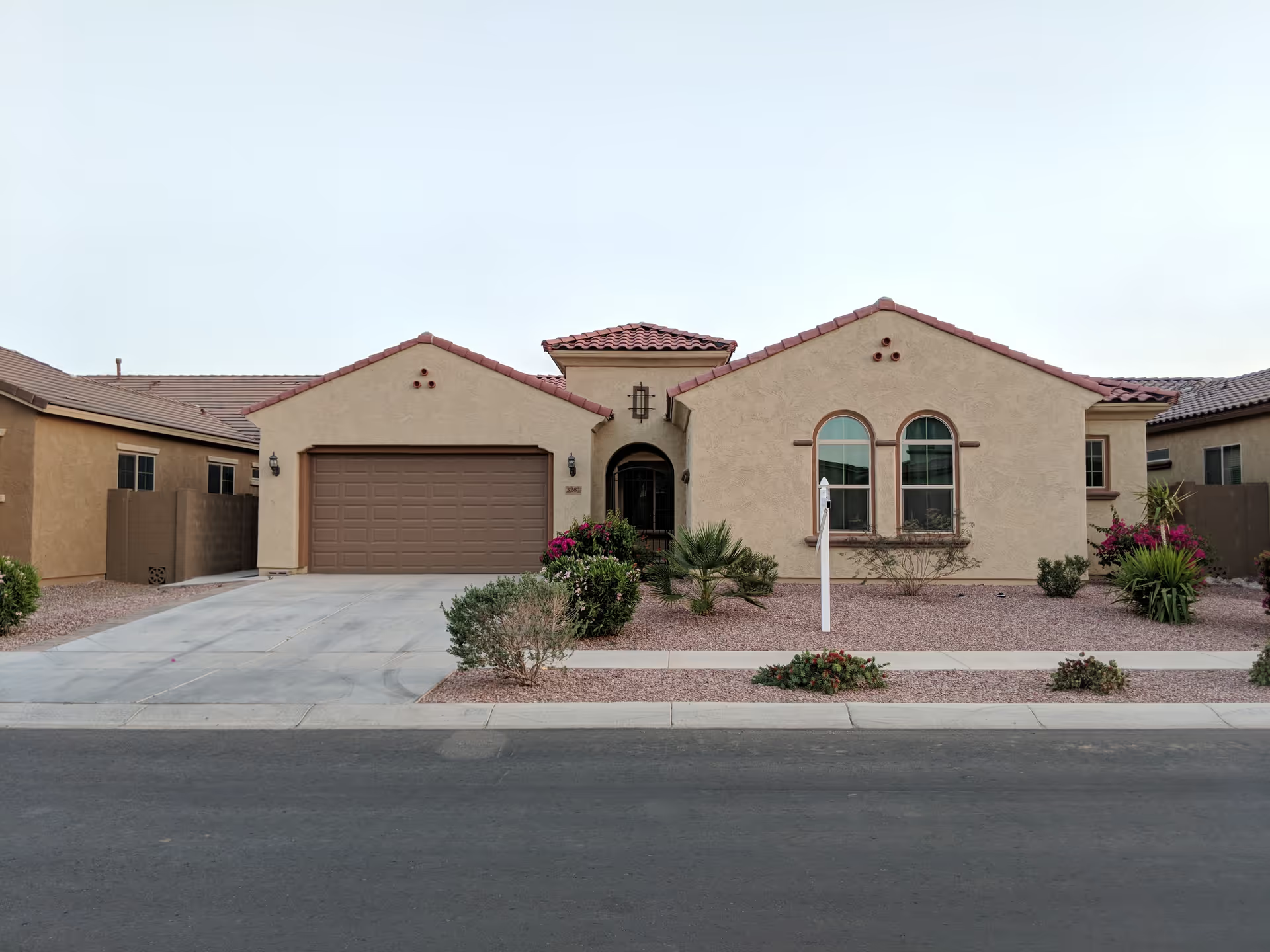
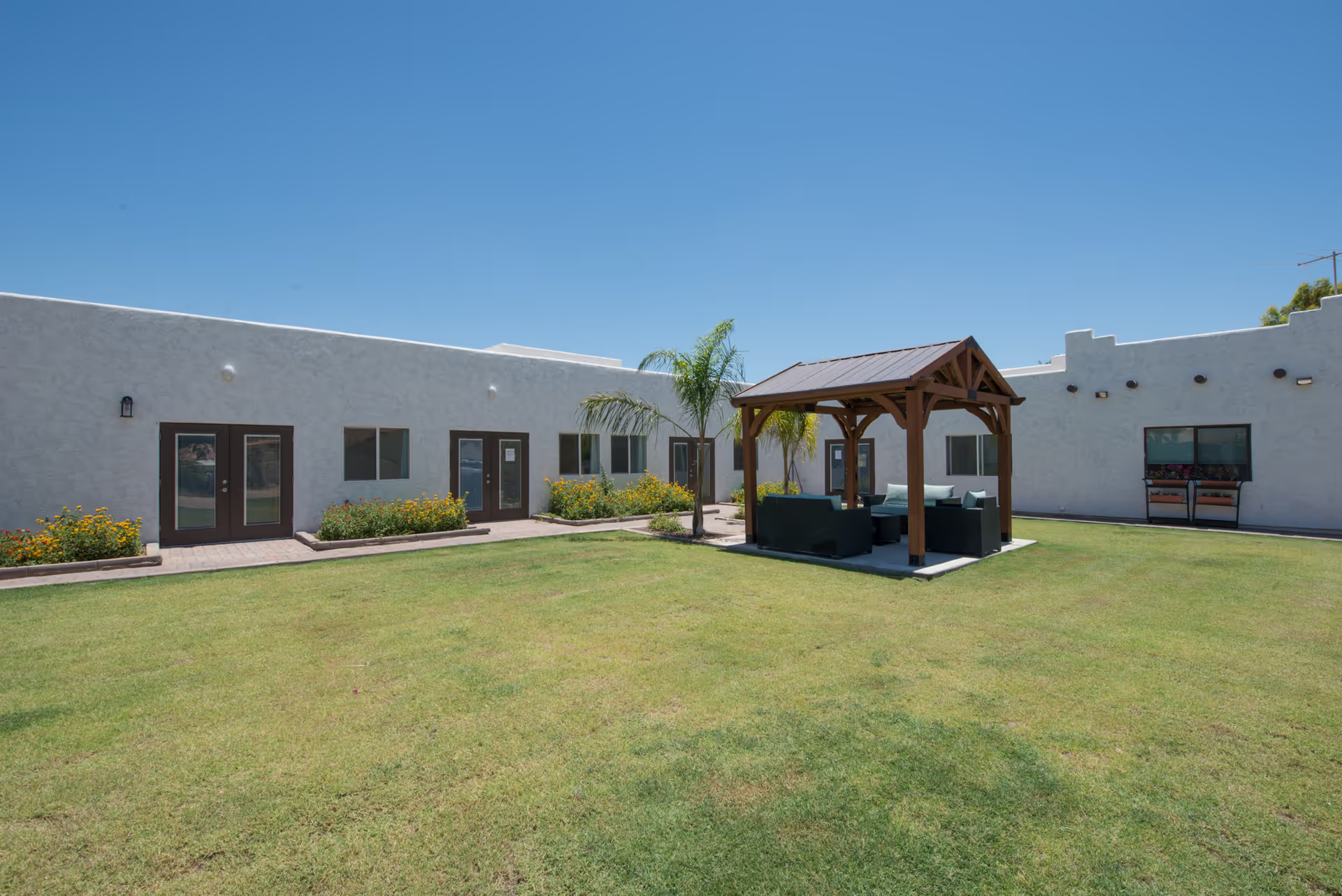
Facilities and management Physically, the facility is described as clean, open, and pleasant—attributes that support a homelike atmosphere. Management involvement and alignment with clinical directives are viewed positively, and families note a willingness from ownership/management to consider enhancements such as expanded activities. The combination of close family access, responsive staff communication, and hands‑on caregiving are notable strengths; operationally, attention to staff training consistency, menu development, and a broader activity schedule would address the primary concerns that emerged in feedback.
Notable patterns and recommendations The dominant positive themes are compassionate staff, continuous on‑site care, and good family communication. The dominant improvement areas are consistent staff training, nutritional diversity in meals, and a more robust activity program. Prospective families should weigh the facility's strong interpersonal care and cleanliness against the opportunity for improvement in dining and programming; those priorities will determine fit for an individual resident. Management appears receptive to enhancements, which may lead to meaningful changes if implemented consistently.