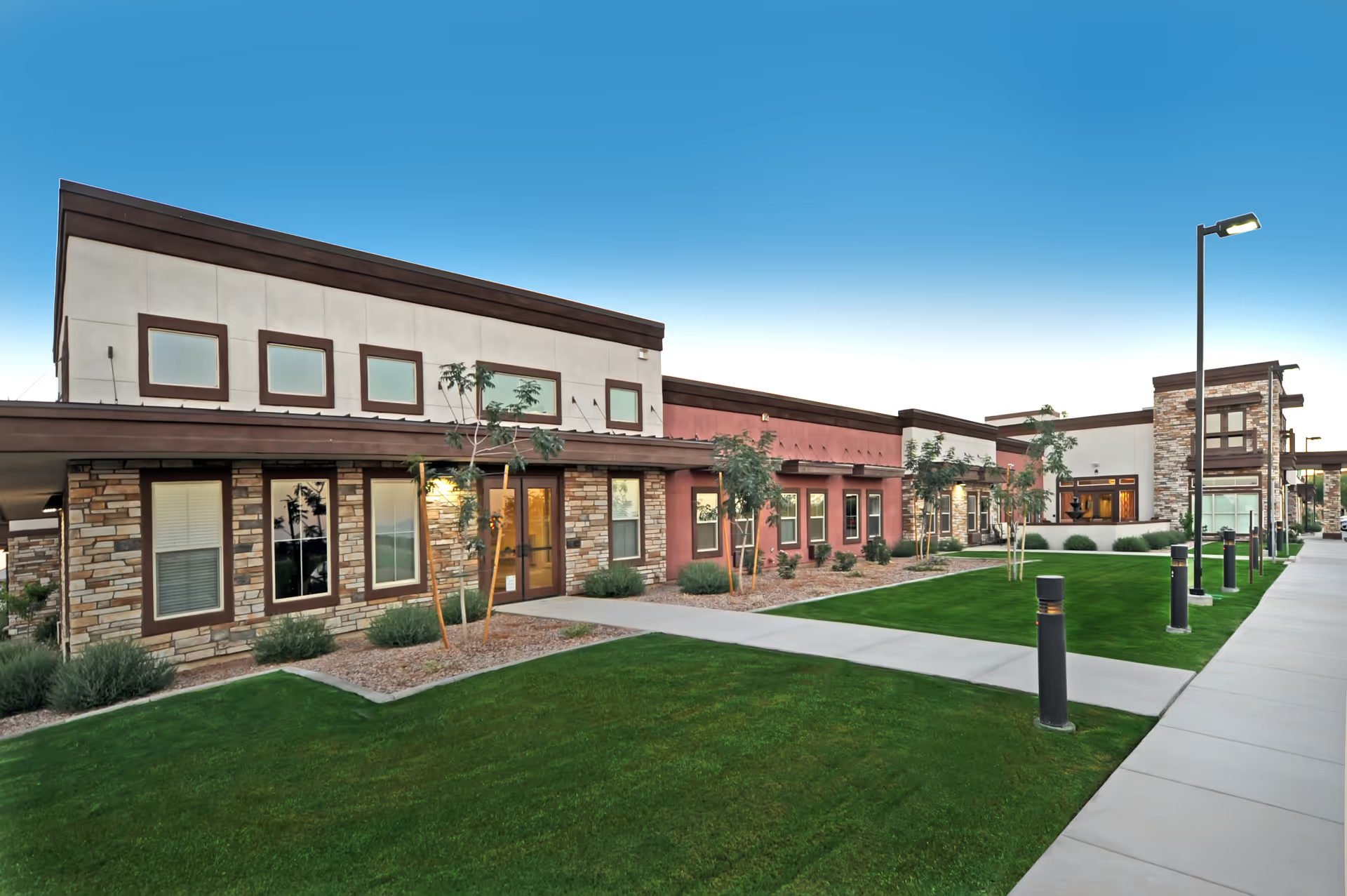
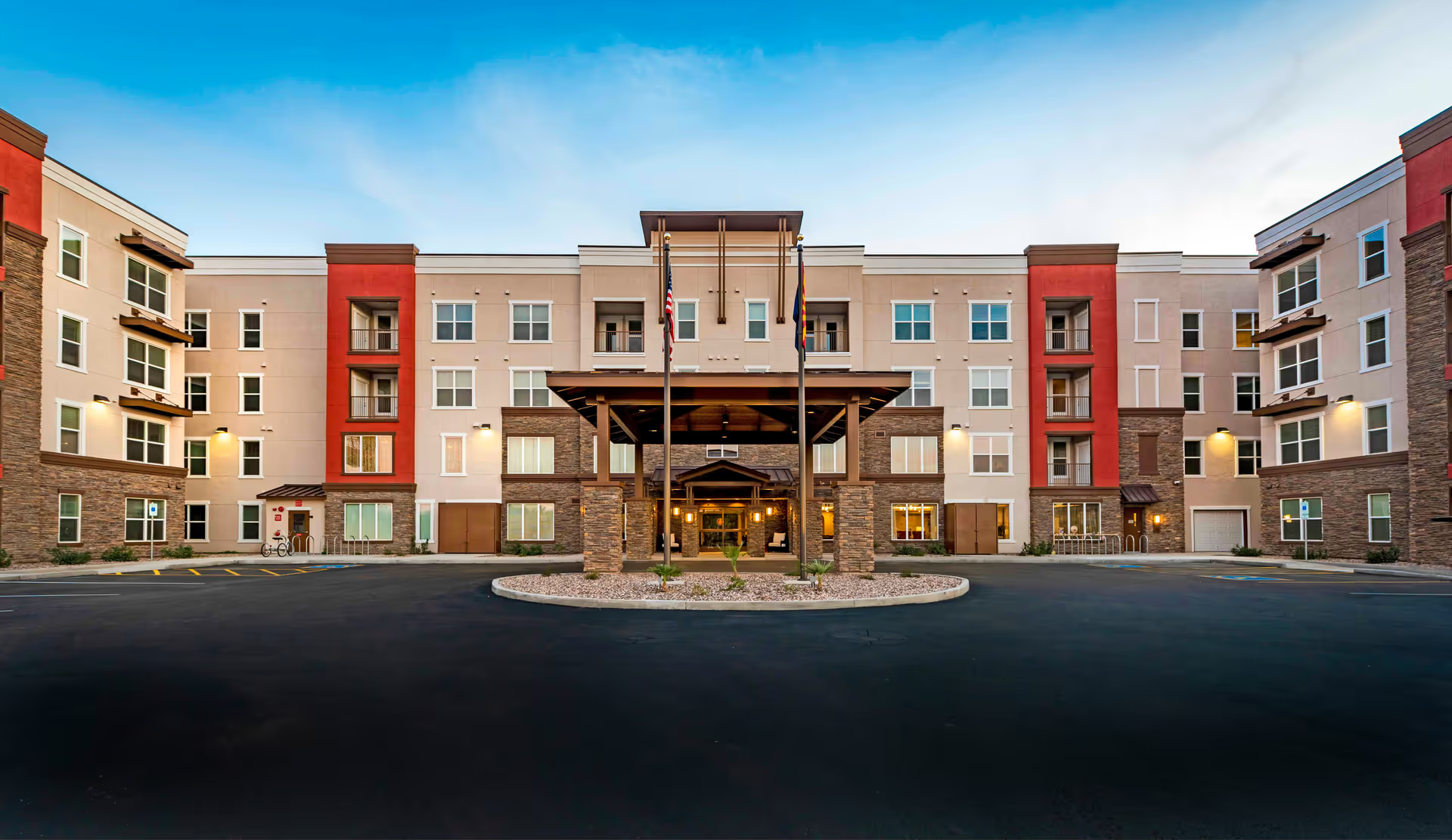
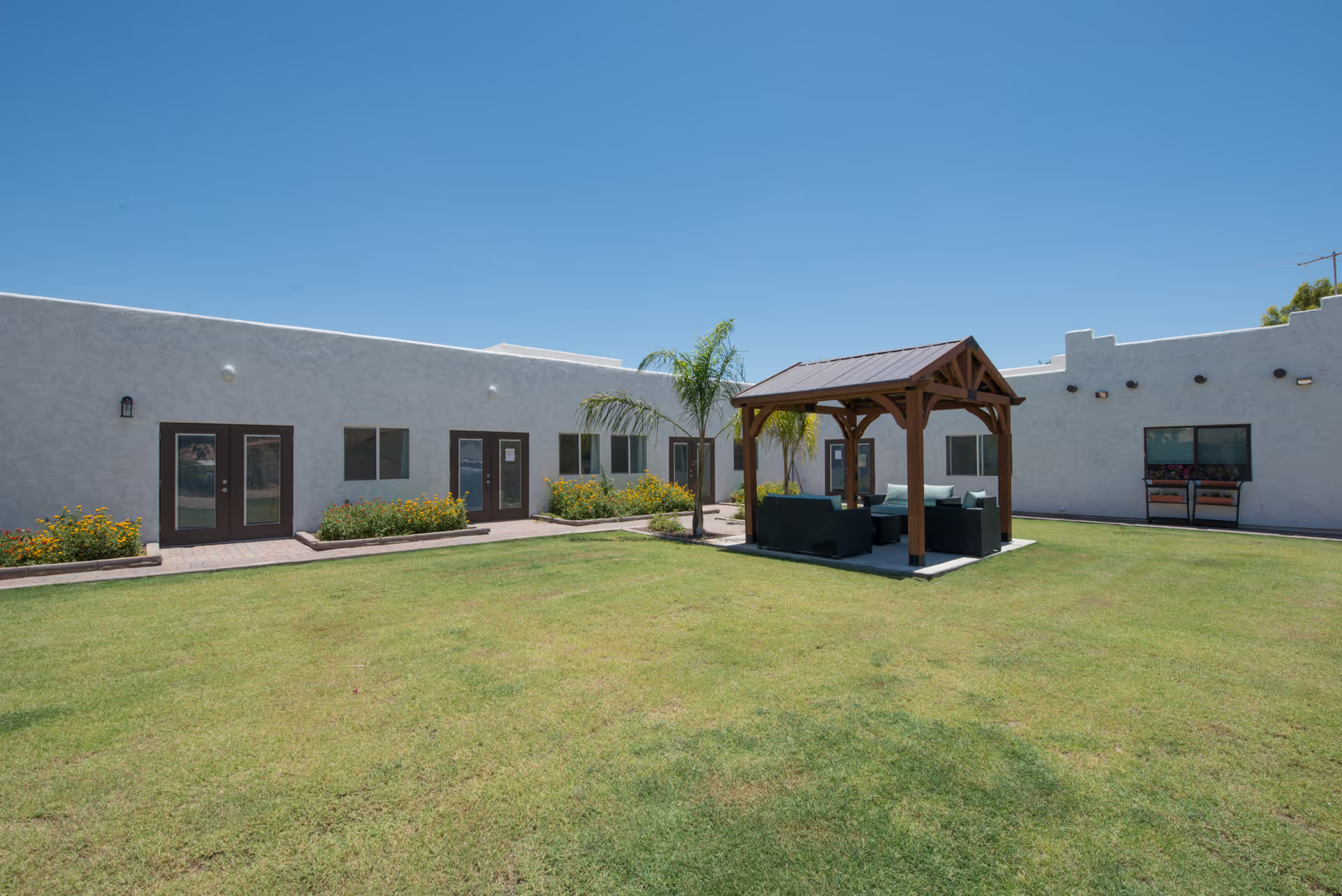
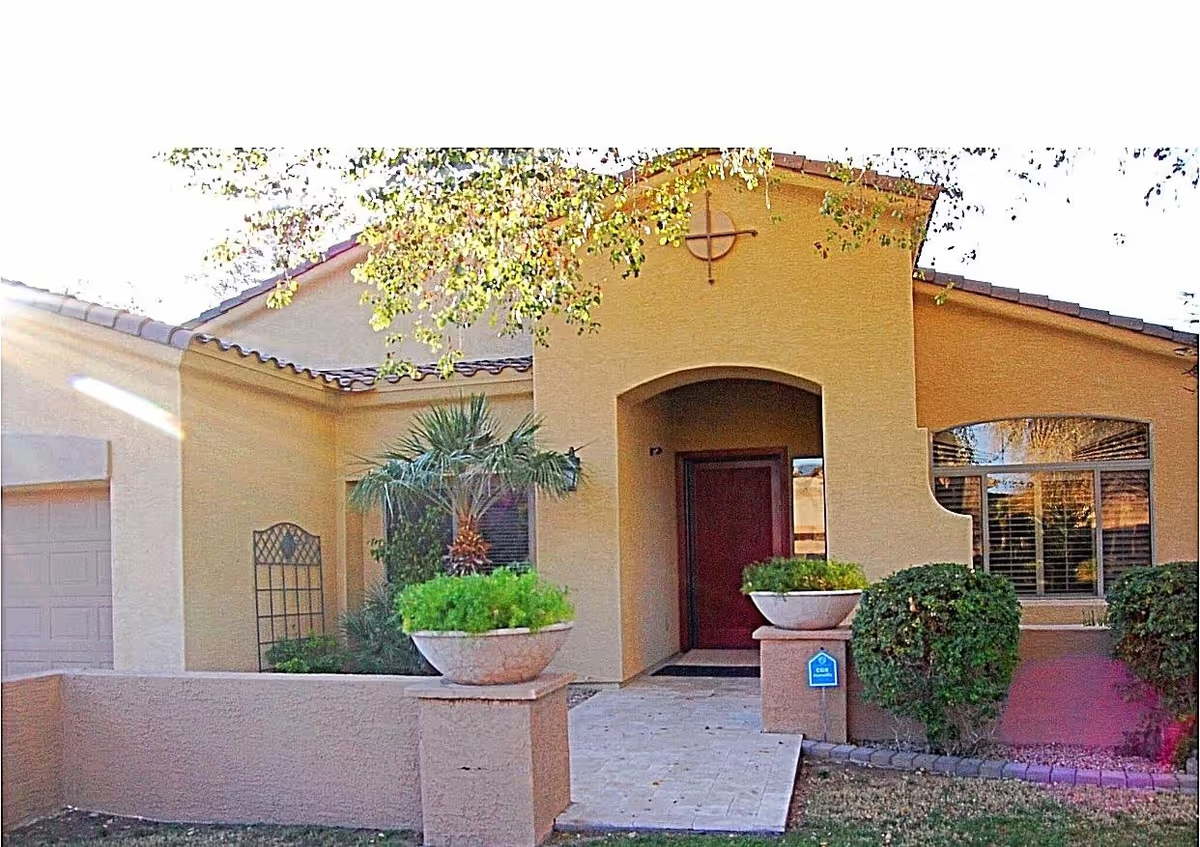
Overall impression: Sky Ridge Senior Living is frequently described as a clean, attractive, and well-appointed community with a strong emphasis on resident dignity and social engagement. The property’s single-level layouts, generous common spaces, courtyard access, and on-site amenities (salon, restaurant-style dining, live music) consistently register as strengths. Apartments, including two-bedroom units, are noted as spacious and visually appealing, and the secure memory-care unit is seen as appropriately configured for residents with cognitive needs.
Care and staff: Many families praise the staff’s warmth, compassion, and willingness to go beyond basic duties. Reviewers commonly highlight personalized attention, quick responsiveness to needs, and clinical coordination with hospitals and rehab teams. The community reports 24/7 availability of caregiving personnel and many examples of staff advocacy for residents. At the same time, there is a recurring pattern of workforce instability: high turnover and periodic leadership changes have been noted. Those operational pressures appear to contribute to variability in service delivery, with some families citing inconsistent housekeeping, front-desk responsiveness, and occasional short-staffing that can limit direct caregiving availability.
Clinical and safety patterns: Several reviewers emphasize reliable medication management and attentive nursing; however, other families describe medication-administration issues and clinical-safety gaps. Taken together, the evidence points to mixed experiences with clinical processes—strong instances of proactive follow-through coexist with reports of errors or lapses. Prospective families should seek clarity on medication administration protocols, staff training, and clinical oversight during a visit.
Dining and activities: Dining is often highlighted as a major asset—many reviews describe flavorful, visually appealing meals, daily specials, and alternate-menu options that resemble restaurant service. Conversely, some residents and families find certain menu items repetitive or bland and note limited beverage choices at mealtimes. The activity program is broad, with bingo, card games, crafts, live music, field trips, and frequent outings. Participation, however, can vary by resident cohort; while some describe an active social scene, others report low attendance for scheduled events.
Management, communication, and policies: Management responsiveness receives praise in numerous accounts, with staff and named administrators called out for thoughtful service. But mixed accounts exist: reviewers cite frequent director turnover, an inconsistent receptionist experience, and variable family communication. A number of families expressed concern about billing practices, room reassignment, and price increases; visitation policy rigidity was also raised as a family-impacting operational policy. The community’s insurance and payment profile should be confirmed in advance, as Medicaid acceptance is limited.
Notable patterns and what to verify: The dominant positive themes are staff compassion, attractive physical environment, strong dining, and a varied activity calendar. The dominant cautions are operational consistency—staffing continuity, clinical-safety controls (especially medication processes), housekeeping reliability, front-desk communication, and financial/rooming policies. Prospective residents and families would be well served to tour the specific unit, ask for current staffing ratios and leadership tenure, review clinical oversight and medication-administration procedures, clarify housekeeping frequency, confirm visitation and billing policies, and verify which payers are accepted.