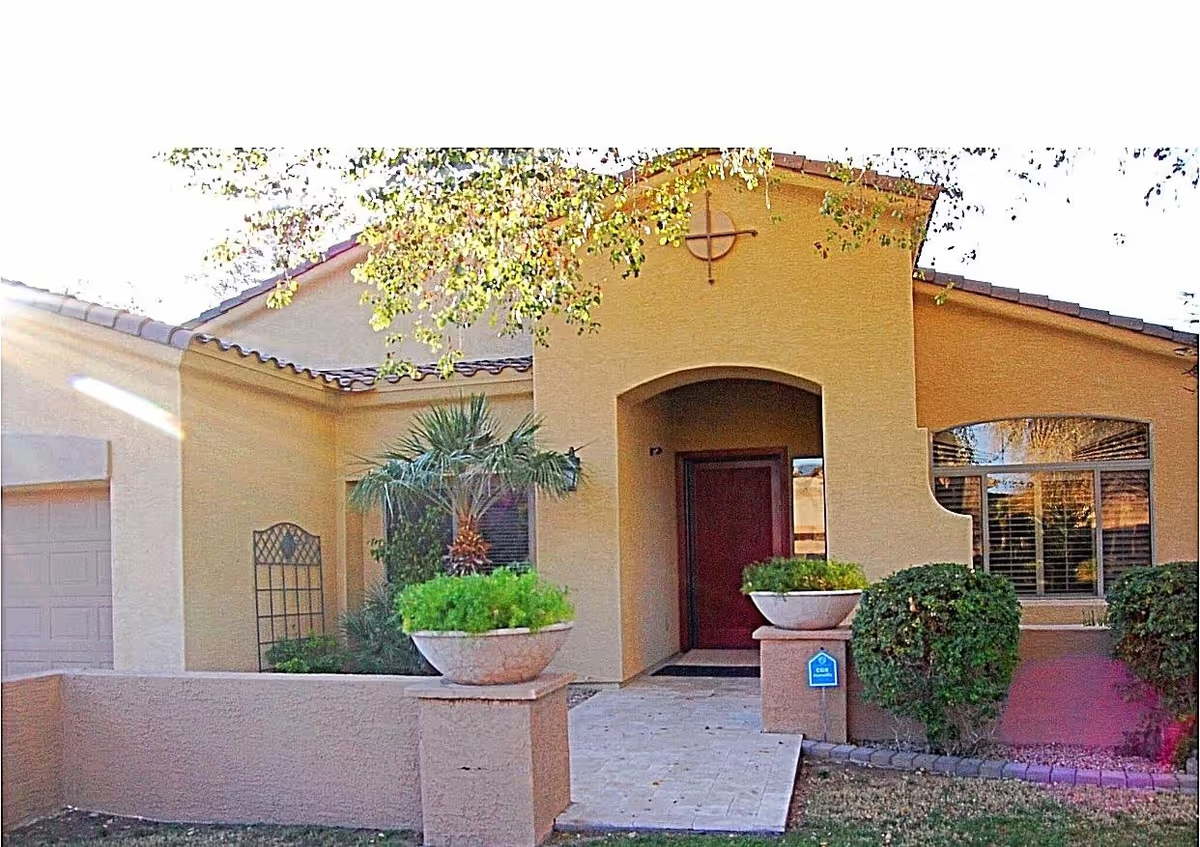
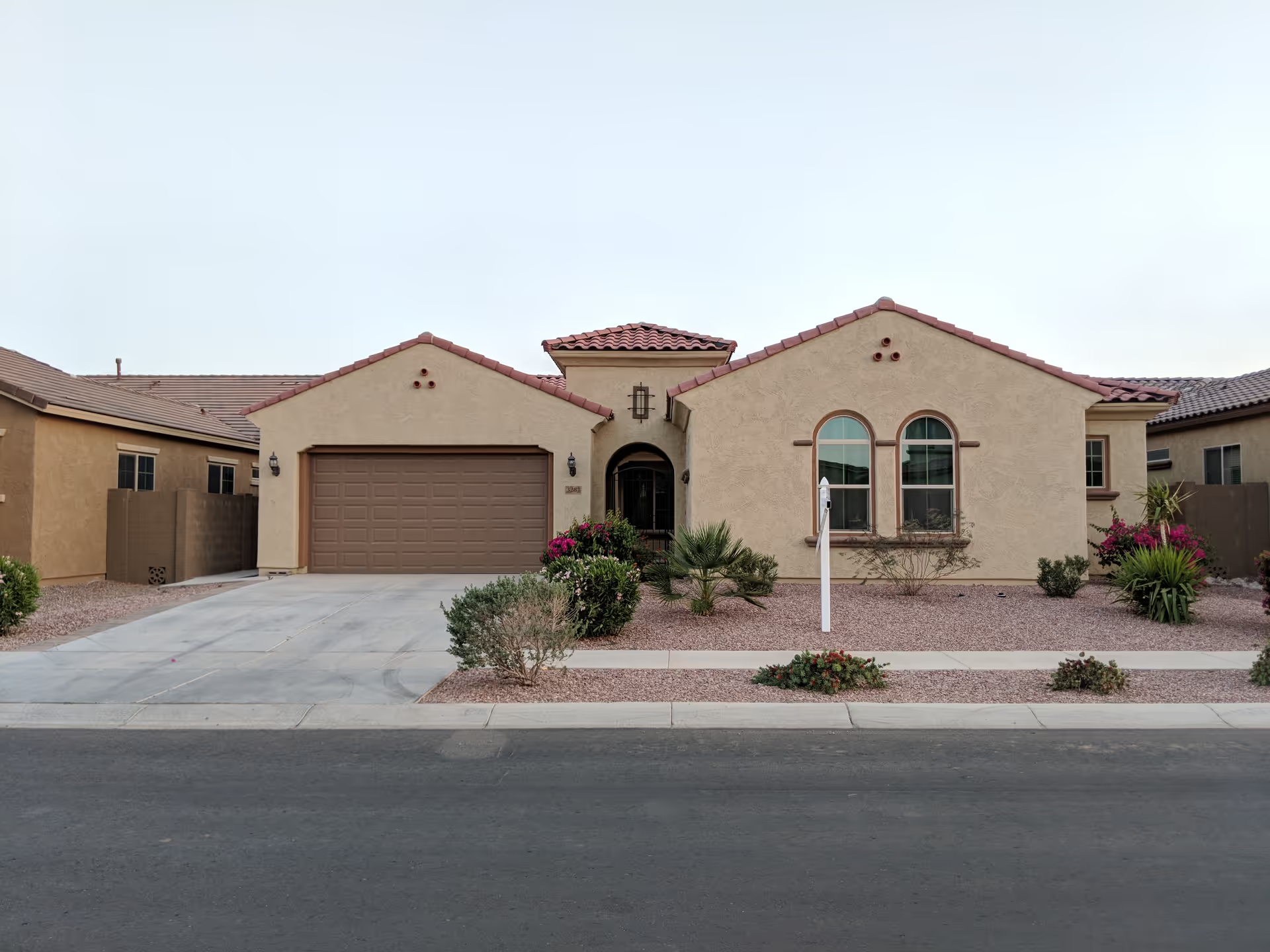
The Oaks presents as a modern, well-appointed assisted living community with numerous strengths alongside operational inconsistencies that prospective residents and families should consider. Many reviews emphasize a resort-like physical environment: bright, newly built or renovated common spaces, roomy apartments, attractive decor, and amenities such as a theater, piano and multiple gathering areas. The location—often noted as convenient to nearby hospital services—and onsite clinical offerings are viewed positively.
Frontline staff are the community's most frequently cited strength. Families and residents commonly describe caregivers, dining staff, activities personnel, and reception teams as warm, respectful, and engaging; several accounts highlight specific employees and an activities director who meaningfully engage residents. That said, reviewer material also documents variability in caregiver competence and frequent staff turnover. Staffing shortages are a recurrent operational theme, with constrained coverage at night and on weekends and limited on-floor registered nursing presence. These patterns have been associated with delays in assistance, uneven care responsiveness, and differing experiences between assisted living and memory-care households.
Dining and activities are generally strong points. The community receives regular praise for chef-prepared meals, flexible dining hours, and a varied menu; many families appreciate restaurant-style service and the ability to dine at different times. At the same time, there are periodic comments about inconsistent meal quality and kitchen service efficiency. Activities programming is described as robust—daily calendars, outings, music and themed events—and several reviews single out staff who foster participation. Memory-care programming appears more variable: some families report excellent engagement and smooth transitions, while others describe limited interaction and lower activity participation in that unit.
Care quality and clinical processes show mixed signals. Positive accounts cite attentive check-ins, individualized care plans, and helpful coordination with medical providers. Conversely, there are operational concerns around medication management, clinical documentation, and timely sharing of medical records. In a limited number of stronger claims, reviewers allege unauthorized medication changes and restricted access to resident charts; these are serious matters and prospective families should seek clear written policies and documentation during their tour. Additional operational issues include occasional billing and invoicing errors and uneven administrative responsiveness.
Sanitation and housekeeping generally receive favorable remarks for common spaces and routine cleaning, but some reviews note sanitation lapses—including inconsistent dishware cleanliness and odor concerns in specific care areas—which suggests that day-to-day housekeeping quality may vary by unit or shift. Prospective families should inquire about housekeeping schedules, infection-control protocols, and quality-audit practices.
Overall, The Oaks offers many of the amenities, social opportunities, and dining features that families value in assisted living. The primary areas for due diligence are staffing patterns and clinical coverage (nights/weekends and nursing availability), consistency of care in memory-care settings, medication and records practices, housekeeping standards in specific units, and administrative billing processes. Visiting multiple times, meeting both clinical leadership and direct-care staff, asking for sample care plans and med-management protocols, and reviewing contract and billing terms will help families align expectations with the community's strengths and operational realities.