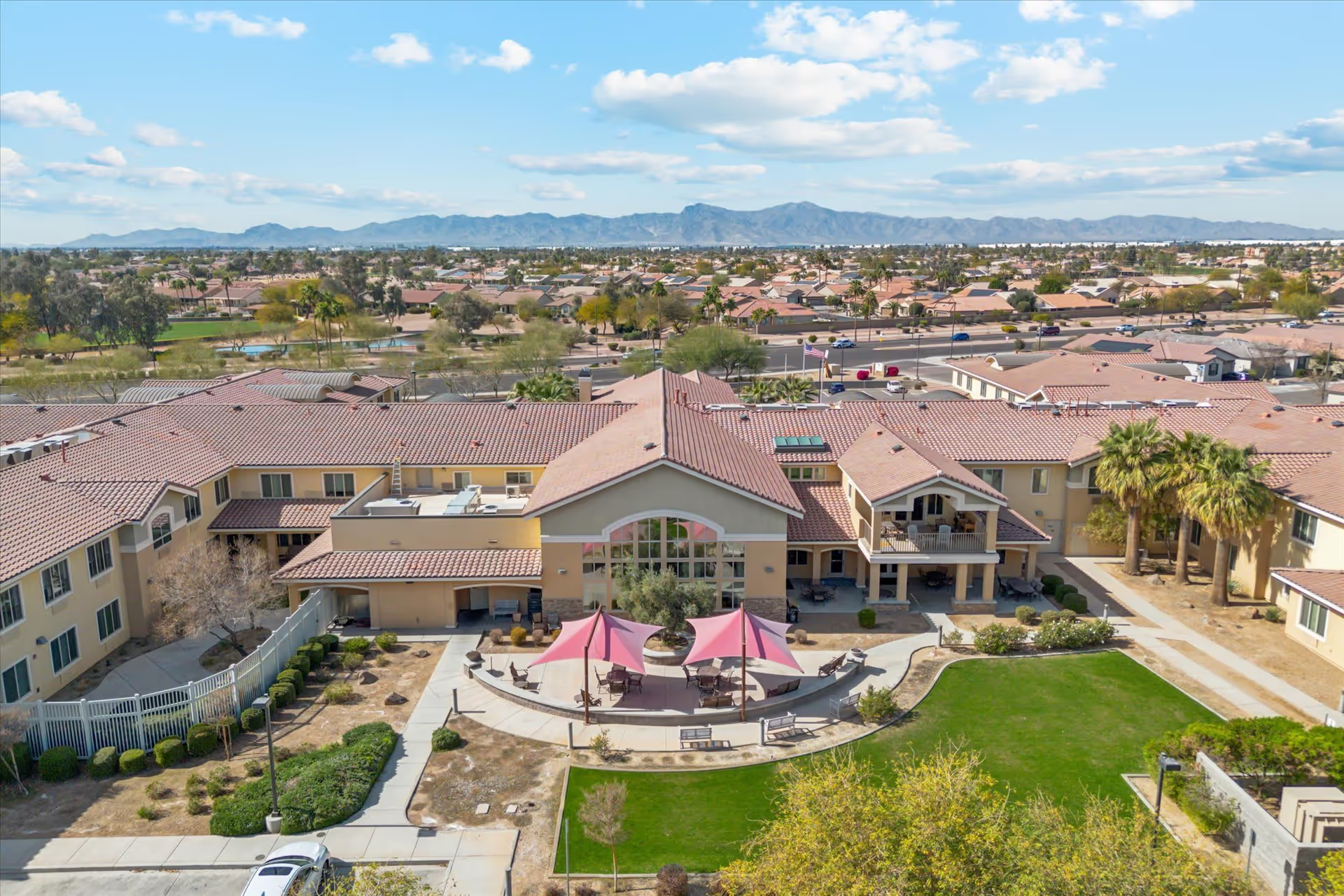
Overall impression: Reviews present a mixed but informative picture. Many accounts emphasize clinically capable, compassionate caregivers, individualized care plans, and an intentionally low caregiver-to-resident ratio that supports close supervision. The facility is frequently described as modern and well maintained, with pleasant common areas and dining; reviewers commonly praise home-cooked meals and on-call clinical services (physicians and therapists). The operation also advertises a range of care levels and dementia-capable staffing, which several families found helpful for memory-care needs.
Care quality and staff: A number of reviews describe attentive, family-like interactions between caregivers and residents, good communication with families, and responsiveness to changing needs. Those positive experiences often reference tailored routines, assistance with activities of daily living, and staff who provide emotional as well as clinical support. However, other accounts raise concerns about variability in staff performance and reliability. Specific operational weaknesses implied by these accounts include inconsistent delivery of personal-care tasks (for example, bathing, dressing, and incontinence management) and occasional delays in attending to resident needs. Prospective families should evaluate staffing consistency and ask about staff training, turnover, and supervision during tours.
Dining and activities: Dining receives favorable comment overall; reviewers mention home-style meals and pleasant dining smells on inspection. There is limited information about organized activities beyond dementia-supportive programming, though the facility's size and common-area layouts suggest space for social programming. Families wishing to assess daily life should observe mealtimes, request sample menus, and inquire about activity schedules and dementia-specific engagement options.
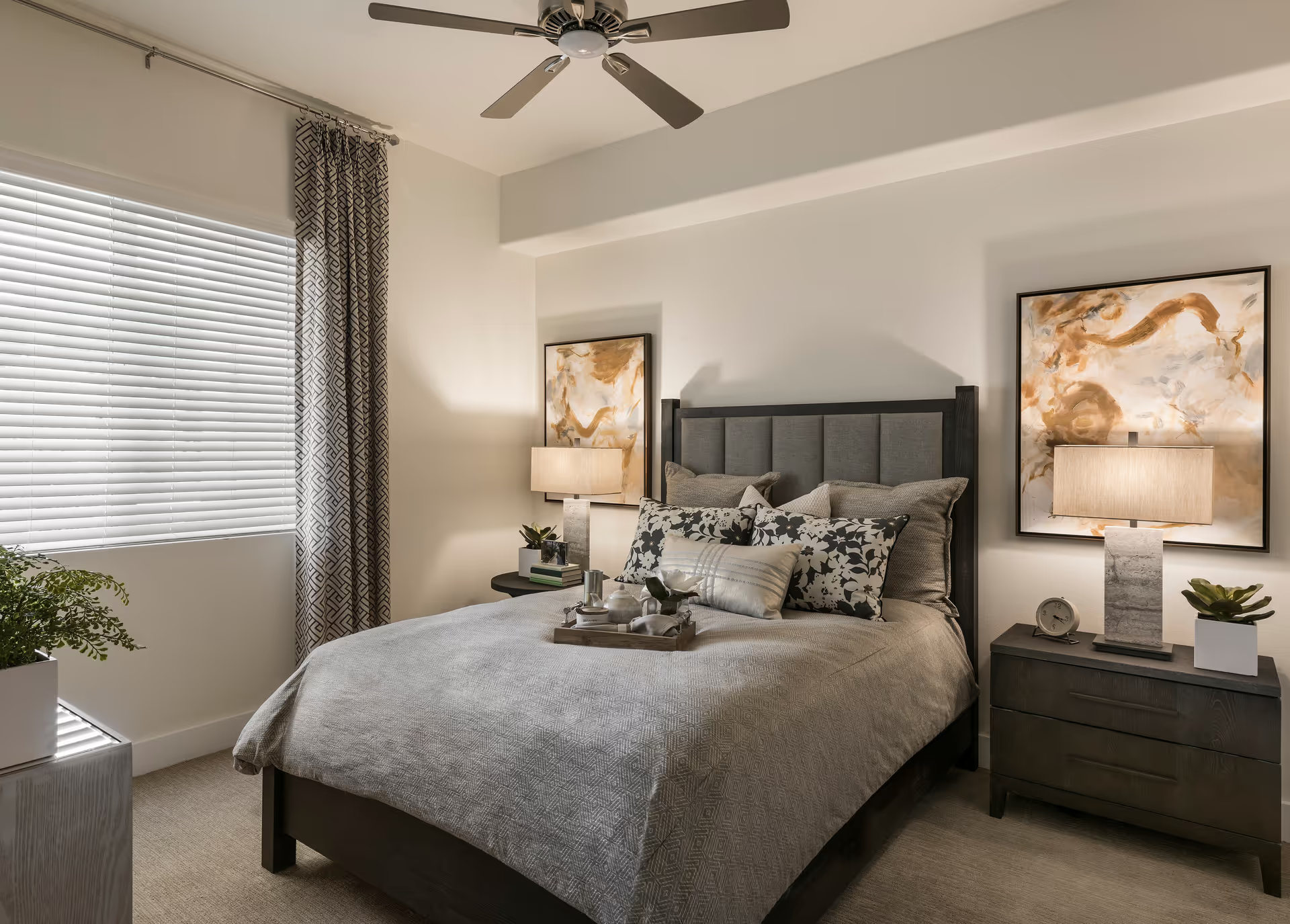
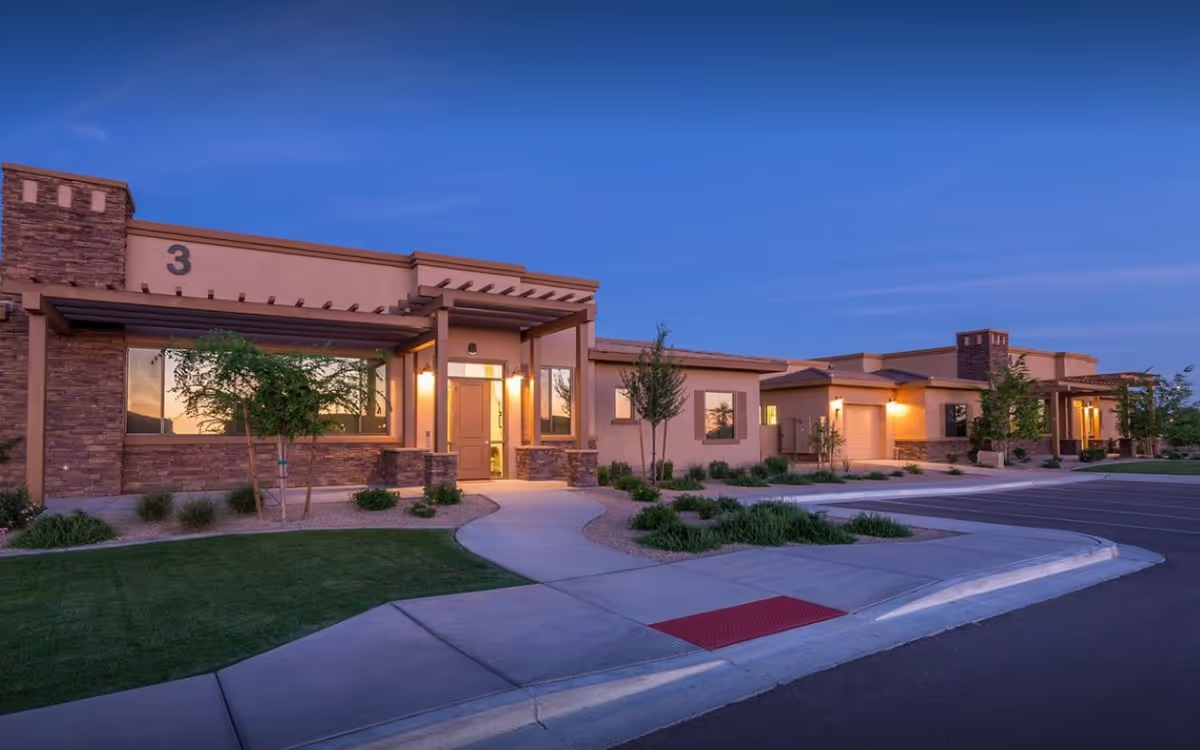
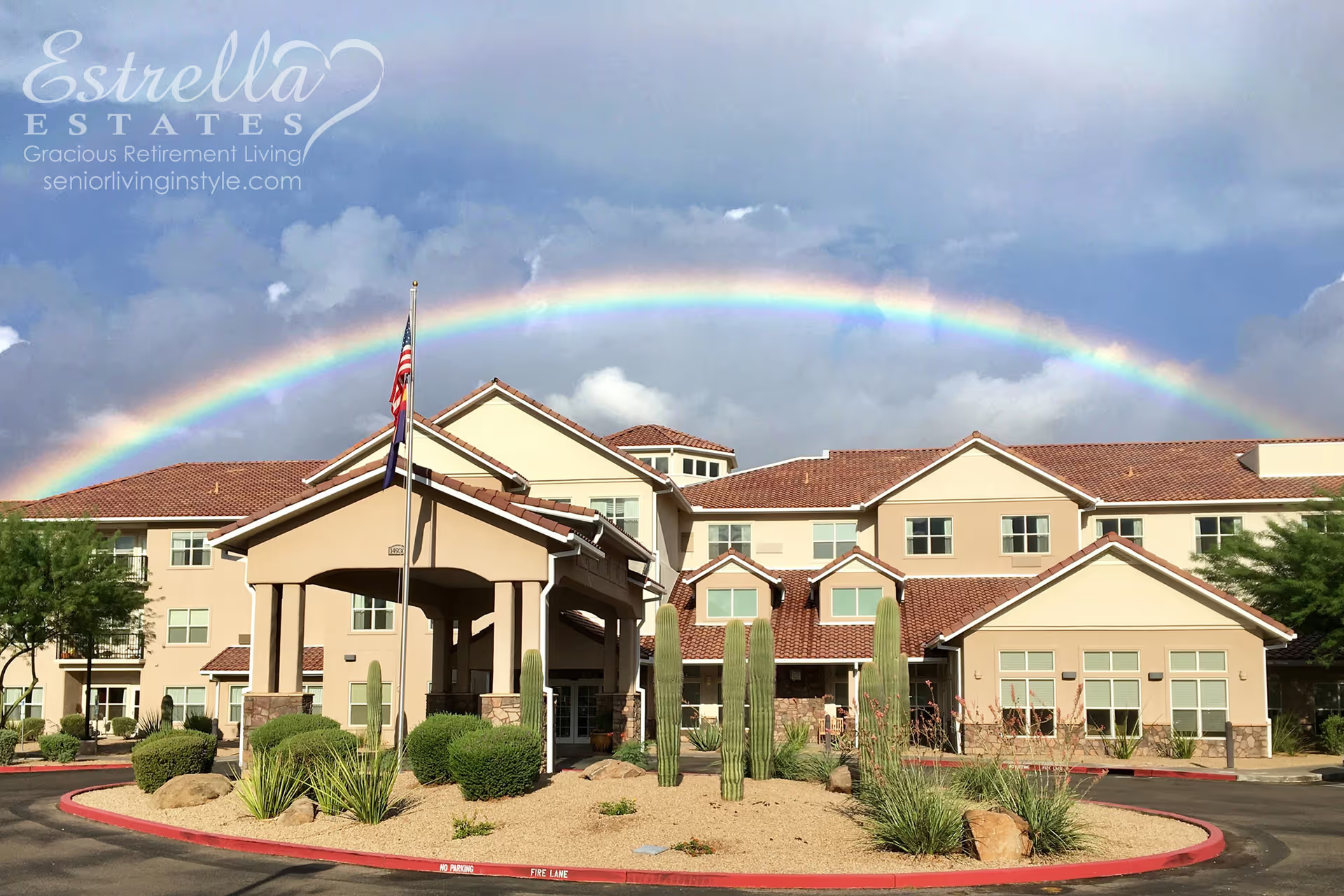
Facilities and cleanliness: Many reviewers describe the building as new-looking and well maintained, with a clean appearance in common areas. At the same time, there are isolated accounts of sanitation and odor-management concerns in resident areas, indicating unevenness in housekeeping or incontinence-care follow-through. These contrasting impressions suggest overall good facility upkeep with episodic lapses; visitors should inspect resident rooms and bathrooms and ask about daily housekeeping and laundry protocols.
Management, policies, and notable patterns: Several positive comments highlight caring management and effective family communication. Conversely, more serious operational concerns appear around billing, refund, and short-stay policies. One severe complaint involved a dispute after a short stay and a resident's death; while that account appears isolated, it underscores the need to clarify financial and transition policies in writing. Multiple reviewers also raised affordability concerns tied to price increases. Combined with variability in complaint handling, these patterns point to the importance of confirming contractual terms, refund conditions, and the facility's process for escalating family concerns.
Practical takeaways: The facility shows clear strengths in clinical staffing, individualized care, dining, and an attractive environment, and it appears well suited for families seeking dementia-capable services with close caregiver attention. At the same time, variability in personal-care delivery, housekeeping consistency, billing policy clarity, and staff reliability are recurring themes that prospective residents should verify. Recommended steps before placement include touring during meal and hygiene times, reviewing staffing schedules and turnover, requesting written billing and refund policies (including short-stay and end-of-life transition terms), and asking for references from current families living with similar care needs.