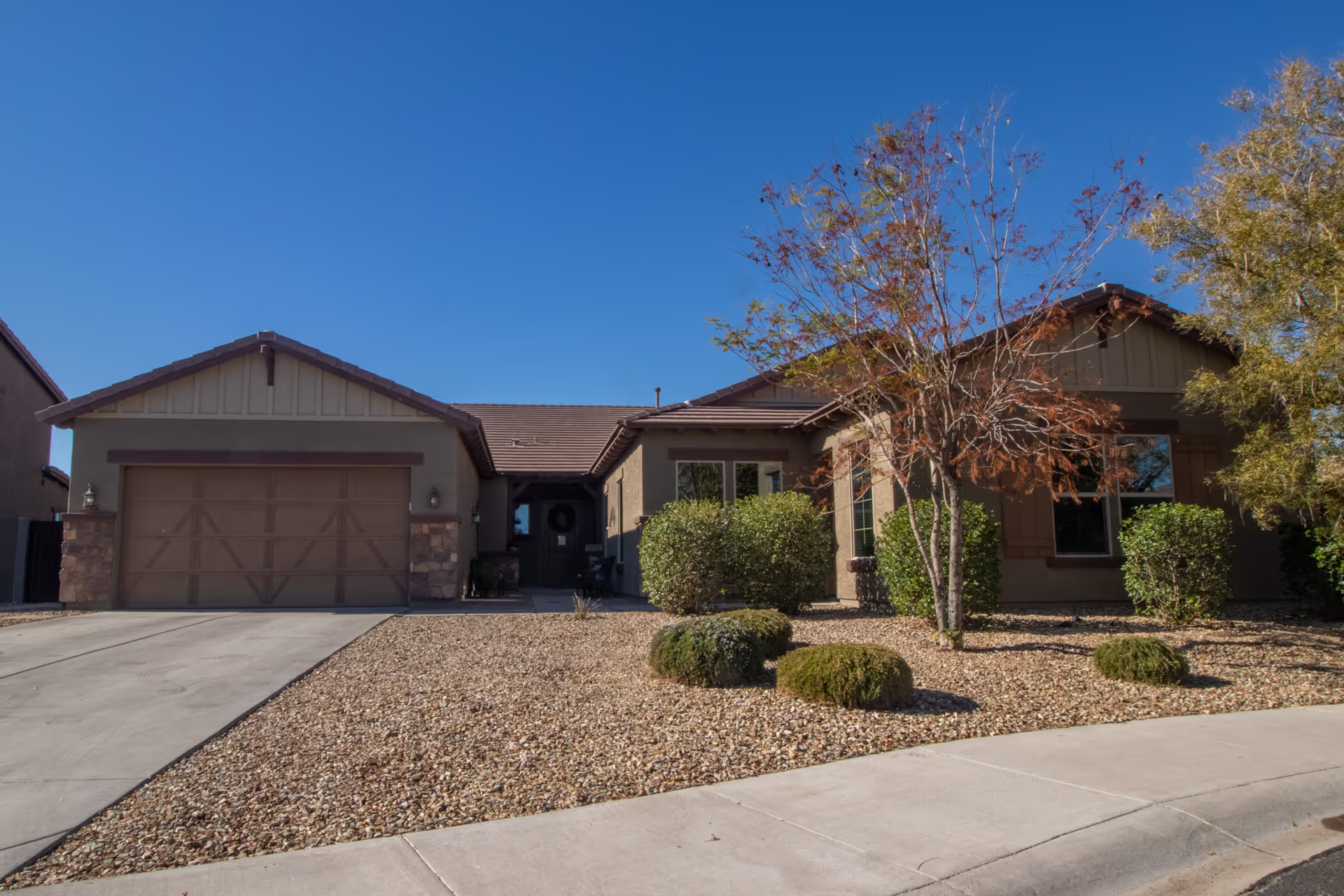
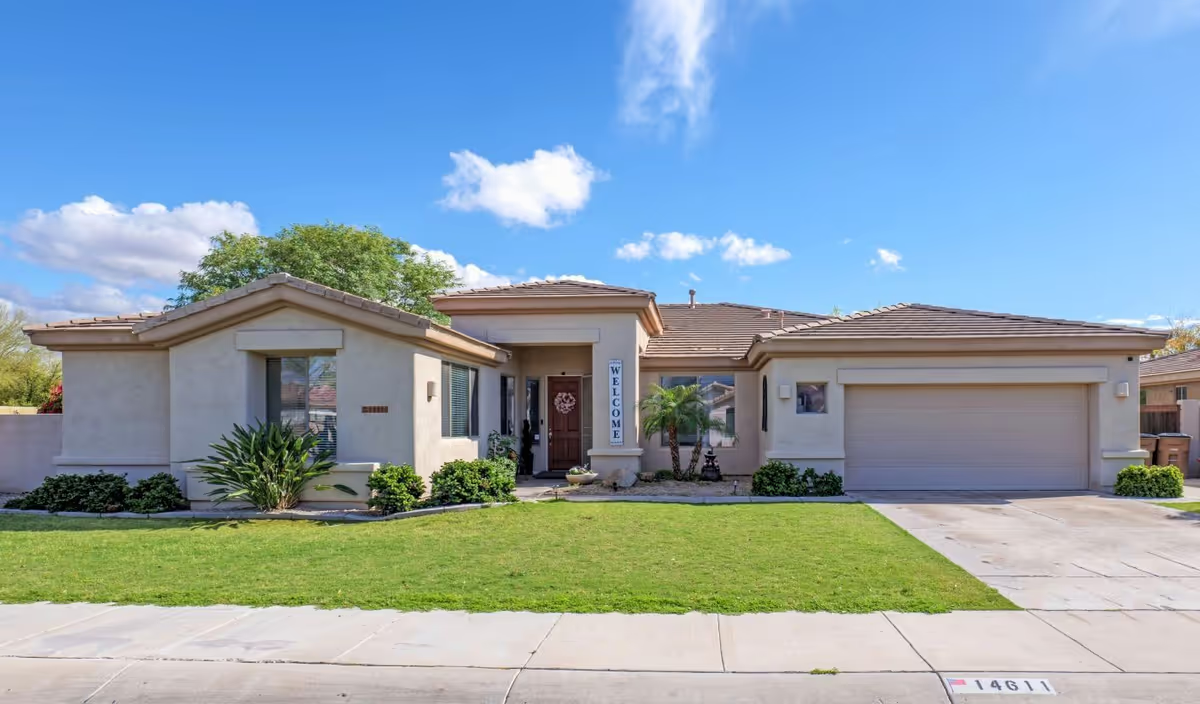
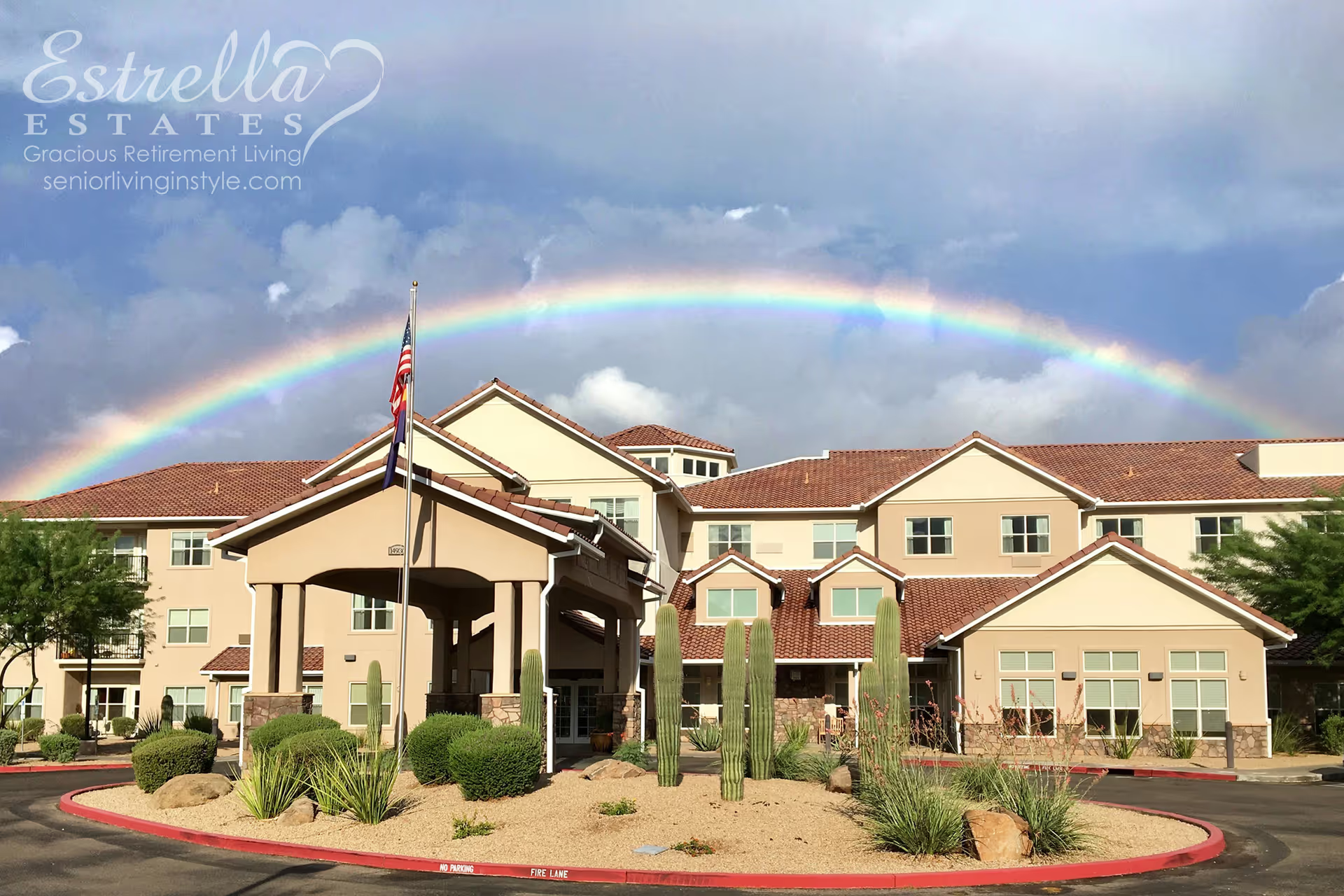
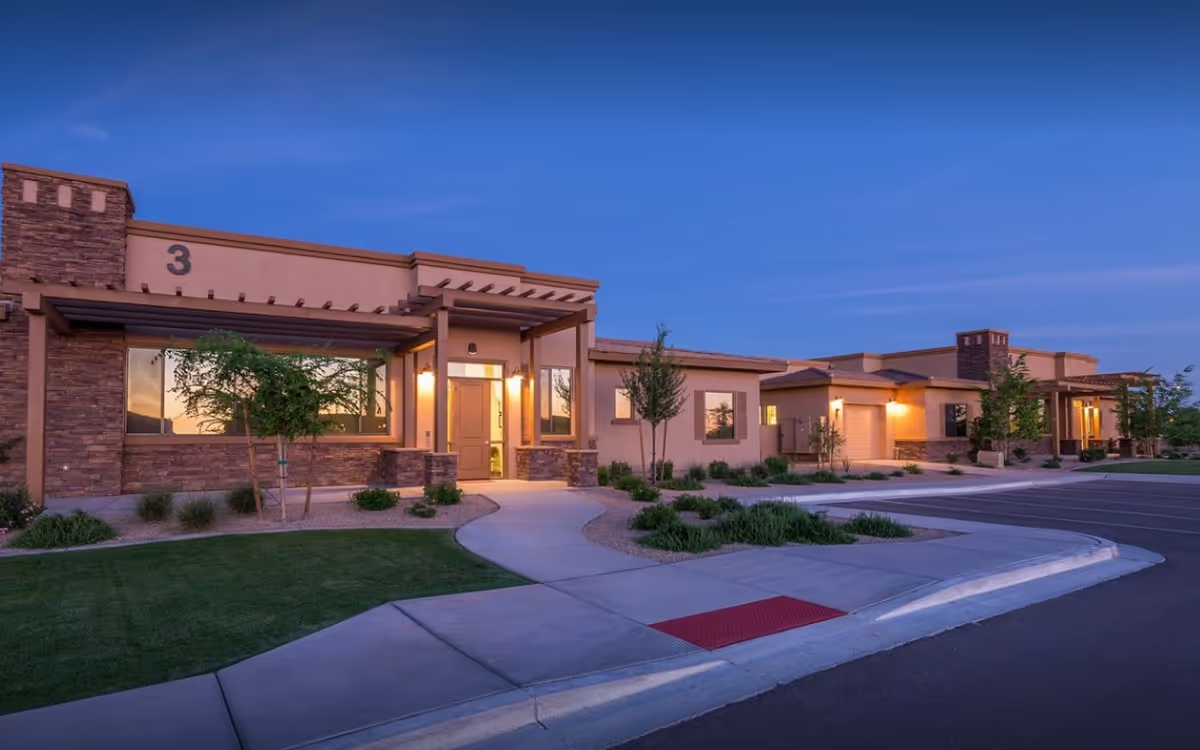
The Groves presents as a modern, well-appointed assisted living and memory-care community with substantial physical amenities and a strong hospitality orientation. Multiple reviews highlight bright, tastefully decorated public areas, private apartments with functional safety features, and an array of on-site services—salon, theater, fitness and crafts rooms, and a secure campus with visible staffing. Families frequently cite an organized move-in experience, welcoming tours, and a front-desk presence that contributes to a safe, resort-like atmosphere.
Staffing is a central strength and also a recurring source of variability. Many families praised professional, compassionate caregivers, individualized attention from med techs and nurses, and staff who learn residents’ names and habits. Memory-care staff and certain named employees received high marks for responsiveness and person-centered care. At the same time, reviews point to inconsistent staffing levels, high turnover, and periods when caregivers appear overextended. These operational staffing constraints are linked in reviews to delayed responses, uneven care delivery across units, and variability in resident experience.
Dining is a prominent feature of the community. The Groves emphasizes restaurant-style dining with flexible anytime service, chef-driven menus, and social dining events; numerous reviewers were satisfied with food quality, presentation, and extended meal hours. However, other families described inconsistent food quality, missed or late meal service, and dining restock delays. This divergence suggests that meal experience can depend on staffing, scheduling, or unit assignment, and that continuity of kitchen operations has occasionally been challenged.
Clinical coordination and medication handling appear mixed. Several accounts describe helpful on-site medical coordination, visiting clinicians, and integrated rehab services. Conversely, there are reports of medication delays or pharmacy coordination problems and communication lapses between facility medical staff and external specialists. Relatedly, reviewers noted gaps in incident response and family notification practices—examples include delayed assessments after falls and uneven follow-up communication—which raise concerns about standardized clinical-incident procedures.
Activity programming and social engagement are frequently highlighted as strong aspects of life at The Groves. Families report a broad calendar—bingo, church services, live music, outings, and themed events—that promotes socialization and reduces loneliness for many residents. Transportation services support outings and medical appointments. Memory-care programming was identified as available, though some reviewers perceived it as less varied or somewhat standardized compared with assisted-living programming, indicating a potential need for more individualized memory-focused engagement.
Operational and administrative issues appear intermittently across reviews. Topics include billing delays or refund processing problems, occasional administrative inefficiency (lost instructions or paperwork), and variability in how management handles changes in staffing or ownership. Some reviewers described a decline in services after managerial transitions, while others praised new management for improvements. These patterns suggest the community’s performance can be sensitive to leadership and operational adjustments.
Overall, The Groves offers many attributes families seek—clean, attractive facilities; a broad amenity set; flexible dining; and staff who are frequently described as caring and personable. Prospective residents and families should balance those positives against recurring operational themes: assess current staffing ratios and turnover, inquire about medication and pharmacy procedures, request the facility’s incident-response and family-notification protocols, and ask how memory-care programming is individualized. Visiting during peak activity times and speaking directly with nursing leadership can help clarify day-to-day consistency and whether the community’s current operational practices meet a particular resident’s care needs.