Plaza Healthcare elicits a strongly mixed set of impressions. Many families and clinicians praise the facility for its clinical resources and rehabilitative focus: physical and occupational therapy teams (including skilled speech and respiratory therapists) are frequently described as effective, with measurable recovery outcomes. On-site physicians, wound/infectious-disease consult availability, and dialysis services contribute to a perception of clinical breadth. Nursing assistants and numerous caregivers are often characterized as compassionate and attentive, and several reviewers highlighted strong case-management and social-work support during transitions of care.
At the same time, a recurring theme is variability in day-to-day clinical responsiveness and staffing. Reviewers describe periods of attentive, family-like care alongside episodes where call lights were slow to be answered and basic assistance requests were delayed. These patterns have been associated with concerns about toileting assistance, pressure-ulcer prevention, and other aspects of skin and wound care. A subset of reviews raises issues with respiratory response and airway suctioning technique. A small number of very serious individual claims, including concerns following resident deaths and alleged clinical errors, appear in the record; those accounts amplify family anxiety and emphasize the importance of verifying current clinical oversight and emergency protocols.
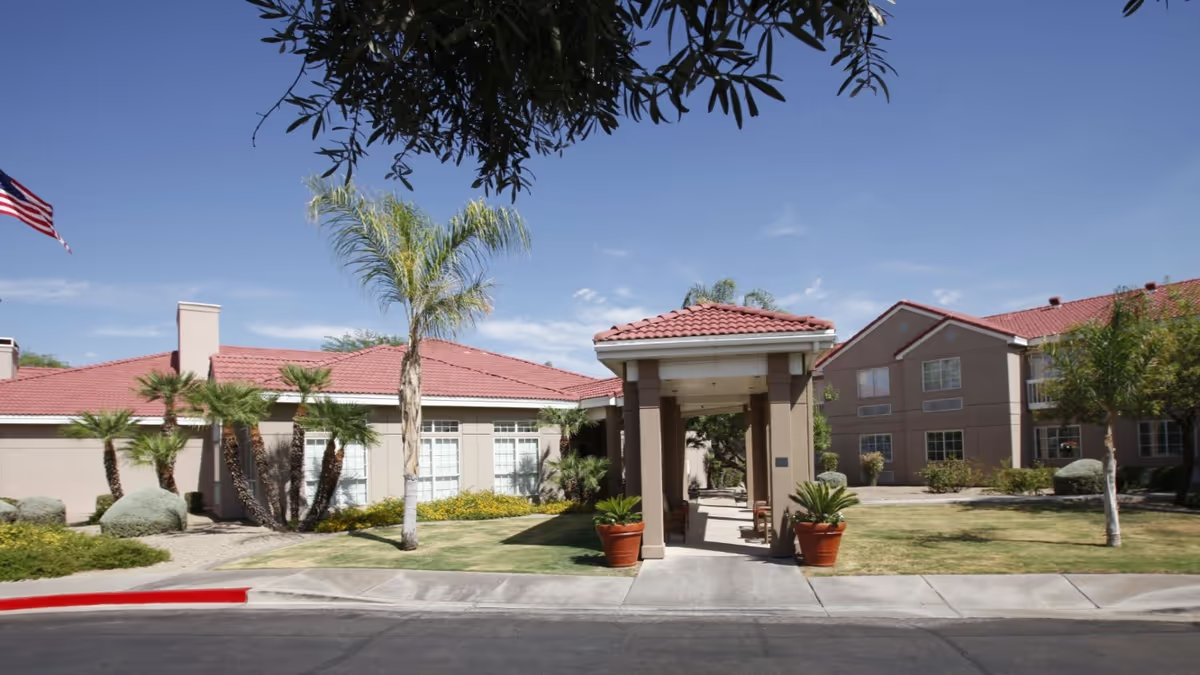
Dining and activities are consistent strengths in many accounts. Meals prepared on-site with dietitian oversight, three meals a day plus snacks, and dining-room options receive positive mentions, as do special items and occasional outings. The activities program is frequently described as robust — bingo, karaoke, exercise groups, community excursions, a resident store, and an engaged activities director are all cited. Exterior amenities such as a courtyard, walking paths, garden spaces, and indoor leisure areas (birds/fish tanks, chapel, beauty salon) support social engagement and outdoor access.
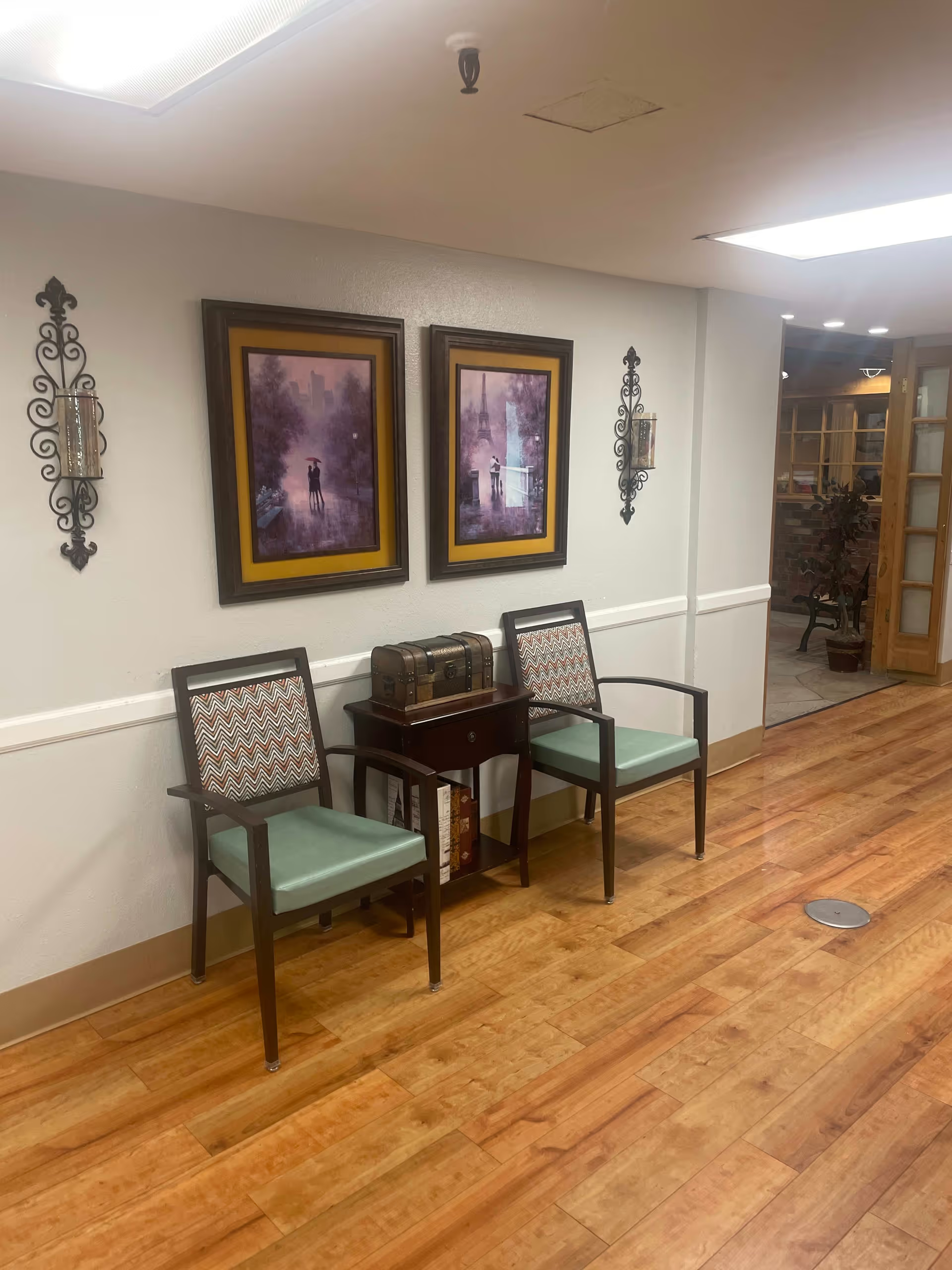
Physical plant and administration show divergent reports. Several reviewers praise cleanliness, private rooms, a well-equipped gym, and convenient services such as valet parking and interpreter availability. Conversely, others describe maintenance and pest-control concerns, aging infrastructure, intermittent equipment issues, and noise/disruption from deliveries. Administrative pain points include inconsistent leadership continuity across director changes, delays around insurance authorization and discharge planning, occasional failures in case-worker communication, and allegations of personal-property mishandling.
Notable patterns for families to consider: clinical and rehabilitative capabilities at Plaza are substantial, with many reports of successful recoveries and strong therapy outcomes; however, operational inconsistencies appear to cluster around staffing levels, emergency responsiveness, and facility maintenance. Prospective residents and families are advised to tour the unit(s) relevant to their needs, ask directly about current staffing ratios and shift coverage, review pressure-ulcer prevention and respiratory emergency protocols, confirm therapy scheduling reliability, and discuss billing/insurance and personal-property safeguards before admission. These steps can help reconcile the facility's clear clinical strengths with the variability documented in family experiences.