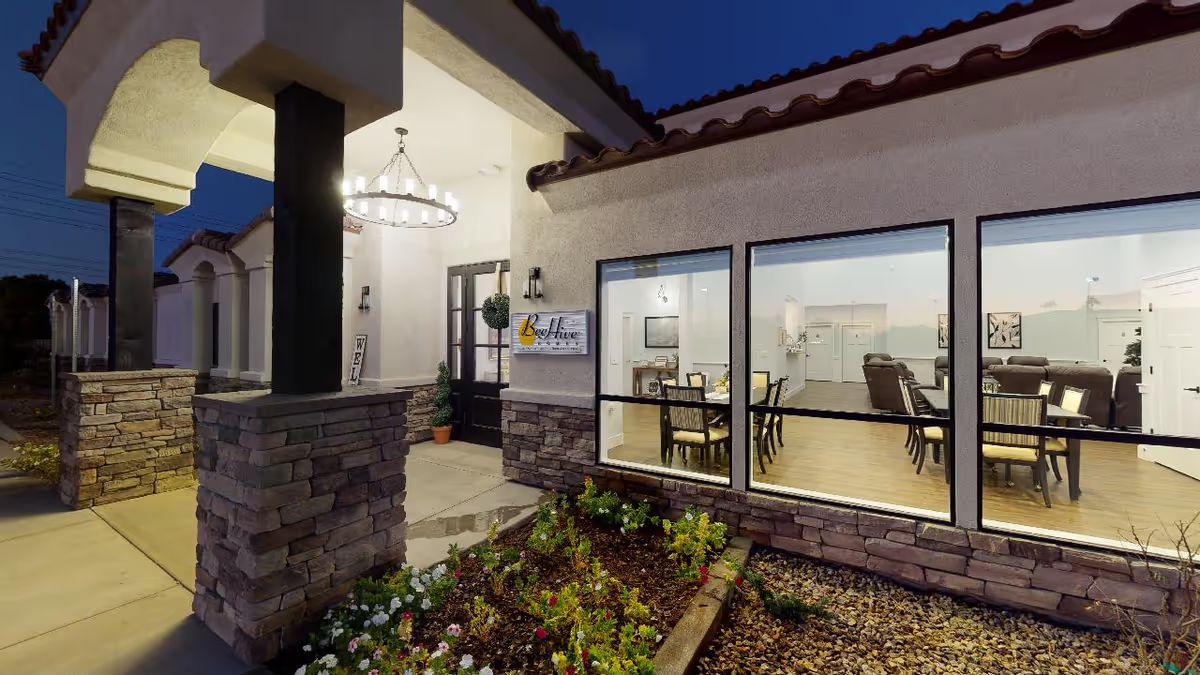
Reviews for this assisted living facility present a mixed but coherent picture. Positive accounts emphasize a clean, home-like environment with private master suites and en suite bathrooms, a courteous caregiving team, and pricing described as affordable or negotiable. Several families credited the facility with effective rehabilitation support and the ability to provide higher-acuity care when needed; some relatives described clear functional improvements after therapy. Ownership is described as personally involved and caring by some respondents, contributing to a familial atmosphere for certain residents.
At the same time, multiple operational weaknesses recur across accounts. Staffing levels are described as inconsistent, and there are concerns about variability in staff training and clinical skill sets. These workforce issues correlate with reported gaps in medication-management oversight, clinical monitoring, and wound-care or hydration follow-up; in at least one account these gaps led to escalation of care outside the facility. Families also described communication shortfalls with on-call medical oversight and with management, creating frustration when clinical questions or incidents arose.
Programmatic and day-to-day services show similar inconsistencies. Activity programming appears limited in practice and sometimes differs from what is presented during tours, leaving residents with few structured engagements. Dining is characterized as basic with limited meal choices rather than a varied menu. Cleanliness and sanitation are generally noted as strengths by some, but other accounts point to inconsistencies in resident-area upkeep and incontinence-related care routines, suggesting variability in environmental standards across shifts or units.
Management and policy issues are another theme. Reviewers described organizational shortcomings that affect scheduling, staffing continuity, and family communication. There are also concerns about resident-supervision practices and unclear policies around room access or restrictions for residents with cognitive impairment; combined with the clinical-monitoring gaps above, these concerns raise questions about safety oversight for higher-acuity or memory-care residents.
In summary, this facility may suit families seeking a smaller, home-like setting with private room options, compassionate staff, and affordable pricing, particularly where rehabilitation support is a priority. However, prospective residents and families should perform thorough due diligence: ask for staffing ratios by shift, review staff training and clinical oversight protocols, inspect current activity schedules versus tour claims, clarify medication-administration and emergency-response procedures, and verify environmental-cleanliness practices. These checks can help determine whether the facility’s strengths align with an individual resident’s clinical needs and expectations for programming and supervision.