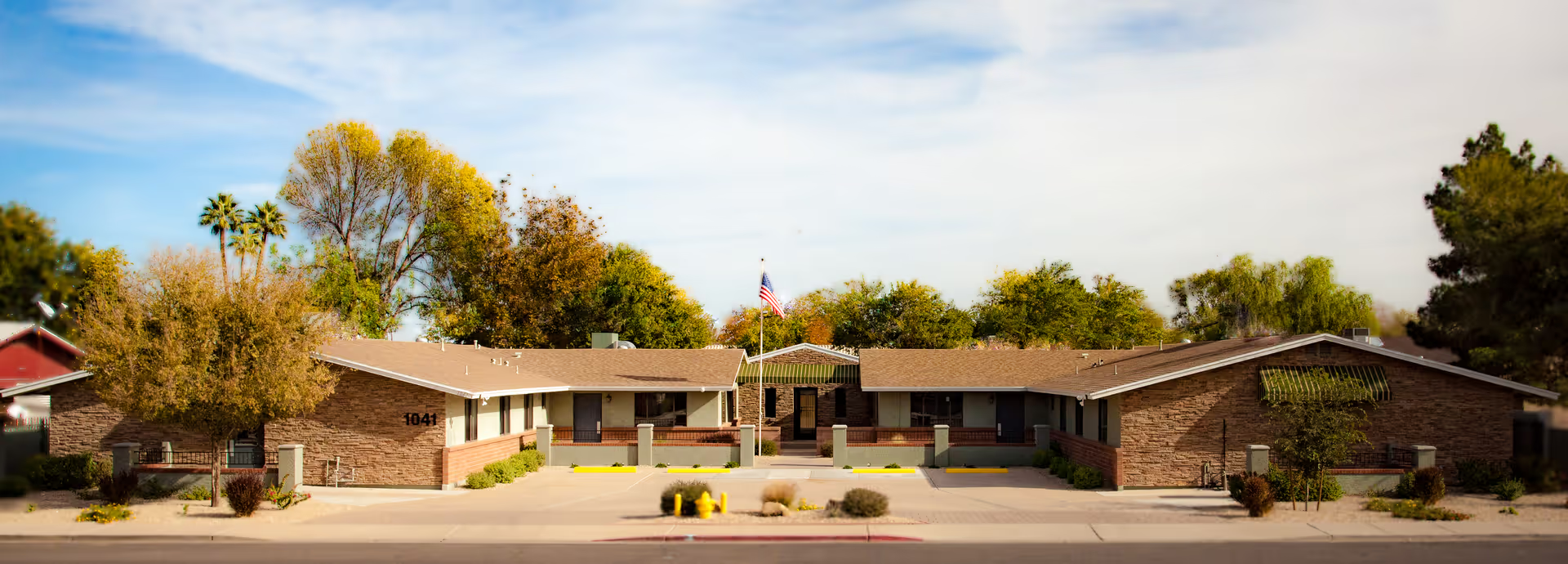
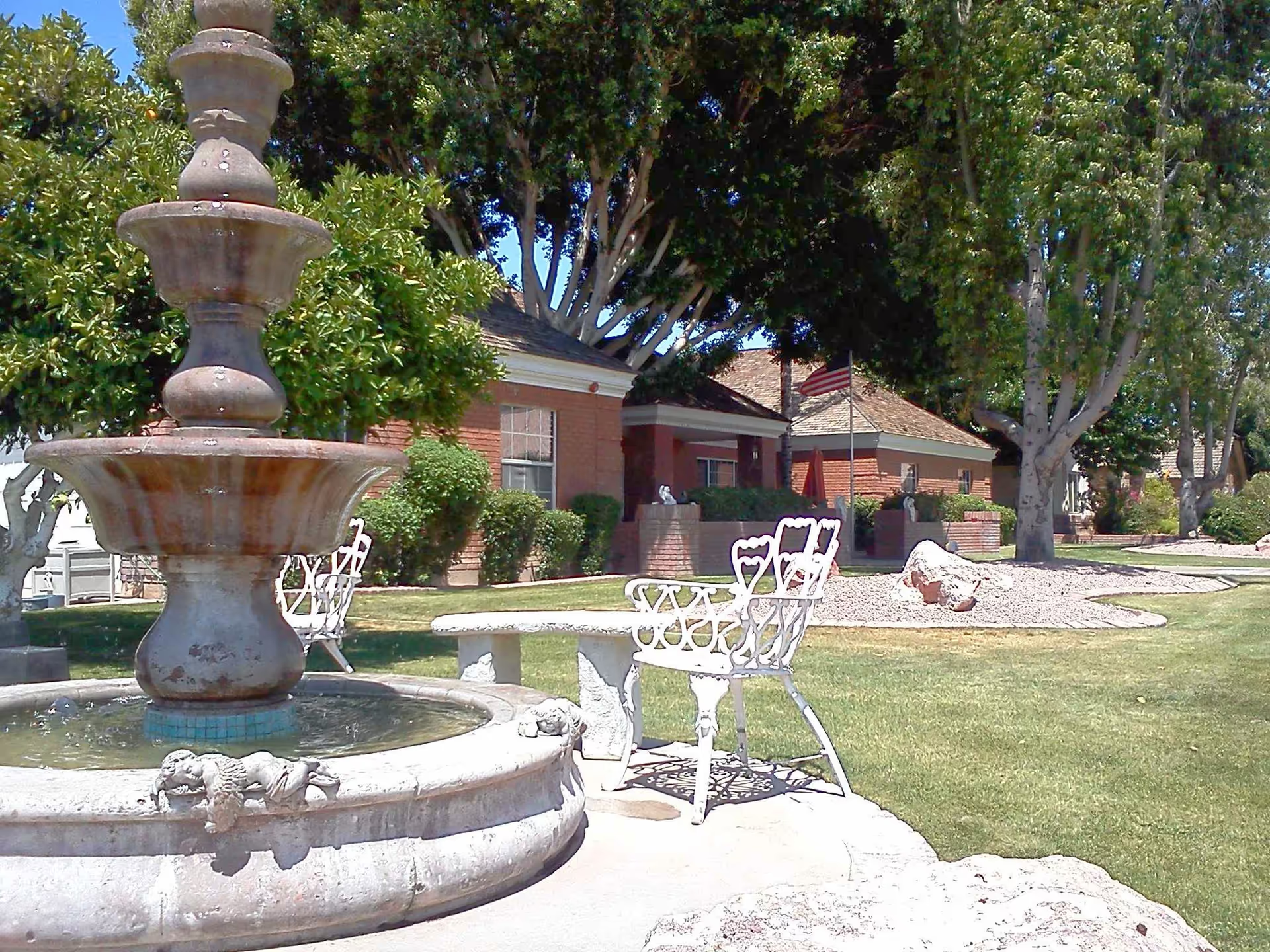
Fellowship Square Historic Mesa presents as a value-oriented, faith-based senior living campus with a broad set of amenities and an active social program. Many residents and family members praise the community for its affordability relative to services provided, the presence of on-site skilled nursing and memory care, and a comprehensive amenity set that includes multiple pools, fitness and therapy rooms, library and craft spaces, a salon, dining venues, and transportation services. The campus offers programmatic continuity — independent living with transition pathways into assisted living and memory care — and has systems in place for safety checks (daily check-ins, pendants) that provide reassurance for some families.
Care and staff receive frequent positive mention: staff are generally described as kind, familiar with residents by name, and willing to go above and beyond, with specific praise for nurses, care aides, and placement coordinators. At the same time, a recurring operational theme is inconsistent staffing levels. Reviewers describe periods when staff are hard to find, night staffing gaps, or delays in attending to resident needs. These staffing inconsistencies correlate with other concerns such as delays in maintenance and variability in responsiveness to calls for assistance.
Dining is a central strength for many residents — reviewers often cite restaurant-style service, varied menus, and well-presented meals. However, meal experience is inconsistent across accounts: some describe excellent, chef-driven dining while others cite uneven food quality, restrictive dining hours, early order cutoffs, and confusion about how many meals are included for independent versus assisted living. There are also occasional food-safety and quality concerns raised; the combination of limited included meals and additional charges for extras contributes to frustration around overall food-service value.
Activities and social life are notable positives: a full calendar of resident-led and staff-supported events (games, classes, trips, bible study, and craft groups) supports social engagement. Attendance and program quality appear variable; COVID-era reductions and some canceled events were referenced, and some residents found certain activities poorly attended or not a good fit. Transportation services, organized outings, and faith-based programming are important engagement features that families value.
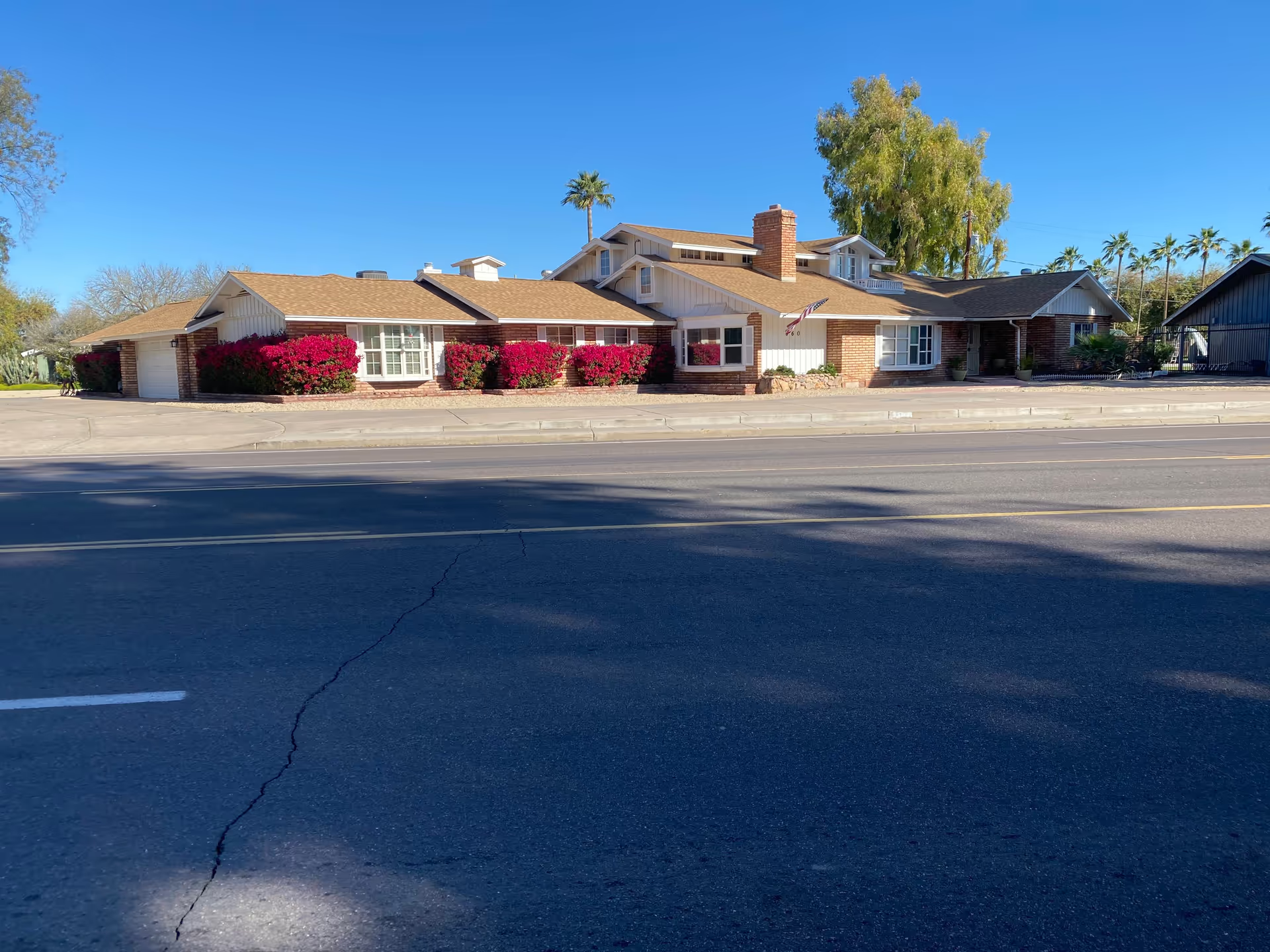
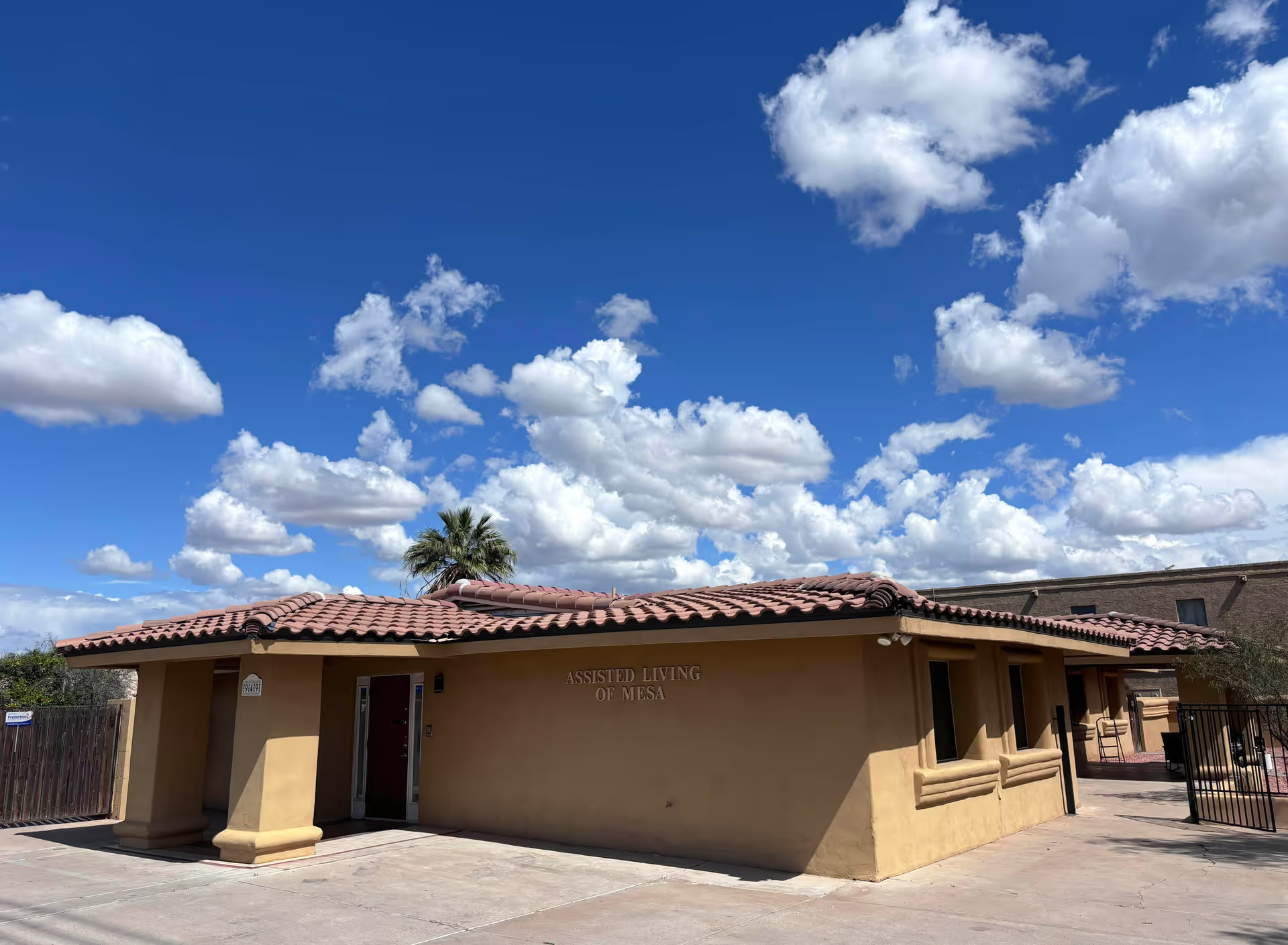
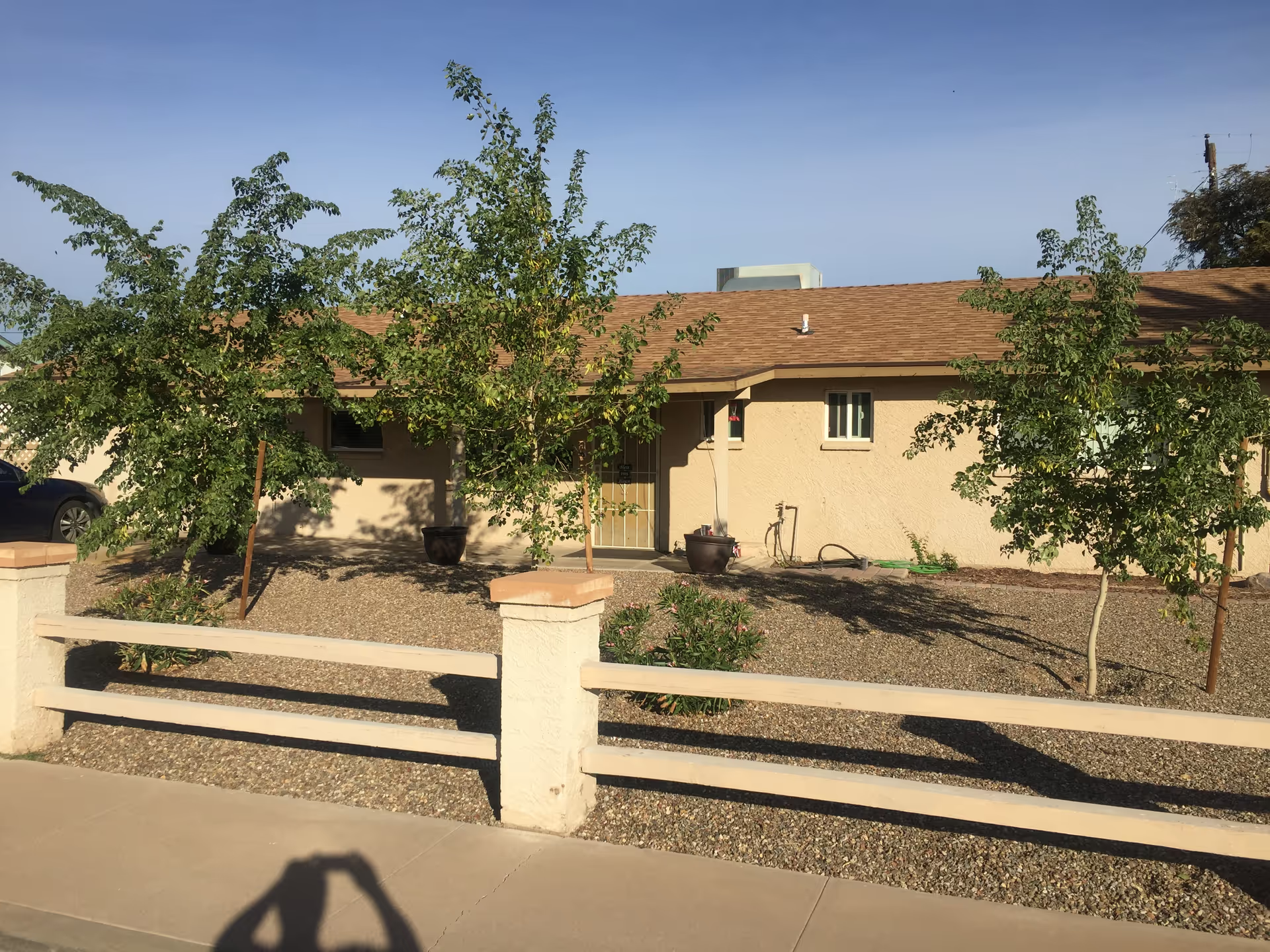
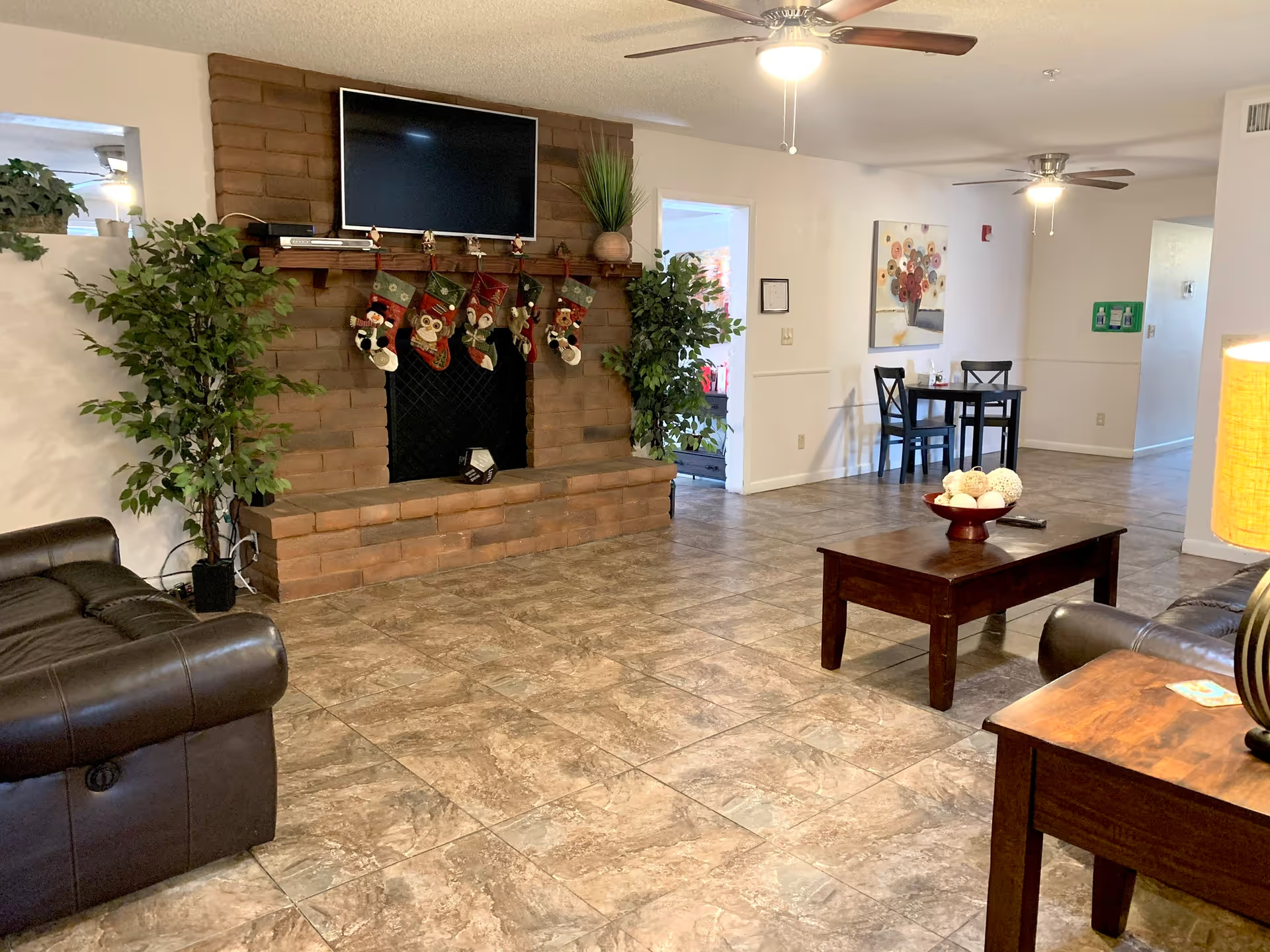
Facility condition and maintenance show a mixed picture. Grounds and common areas are frequently described as well kept, and many units have been refurbished. At the same time, the campus includes older buildings with inconsistent unit conditions, occasional HVAC or mold concerns, and maintenance response times that some families find unsatisfactory. The outdoor-entry unit design is appreciated for apartment-style living but also raises practical issues in Arizona heat. The memory-care area is available on campus, yet some visitors perceive it as institutional or overly restrictive.
Management and fees are another mixed area. The non-profit, Christian mission and acceptance of ALTCS/Medicaid are positive markers for affordability and transition support. Conversely, reviewers frequently note ala-carte pricing, extra fees for medication management and hands-on care, billing or communication issues, and occasional unmet promises from management. Availability constraints and long waitlists are also recurring operational realities for prospective residents.
Overall, Fellowship Square Historic Mesa offers a broad, amenity-rich, and budget-conscious option that many residents find comfortable and socially engaging. Strong points are the caring staff, active community life, safety features, and value for the base price. Trade-offs include variability in staffing and maintenance responsiveness, uneven dining experiences and meal policies, dated unit variability, and occasional communication/billing challenges. Prospective residents and families should weigh the facility’s affordability and program breadth against these operational inconsistencies, and prioritize an in-person tour focused on current staffing patterns, specific unit condition, meal policies, medication-management practices, and maintenance-response expectations before committing.