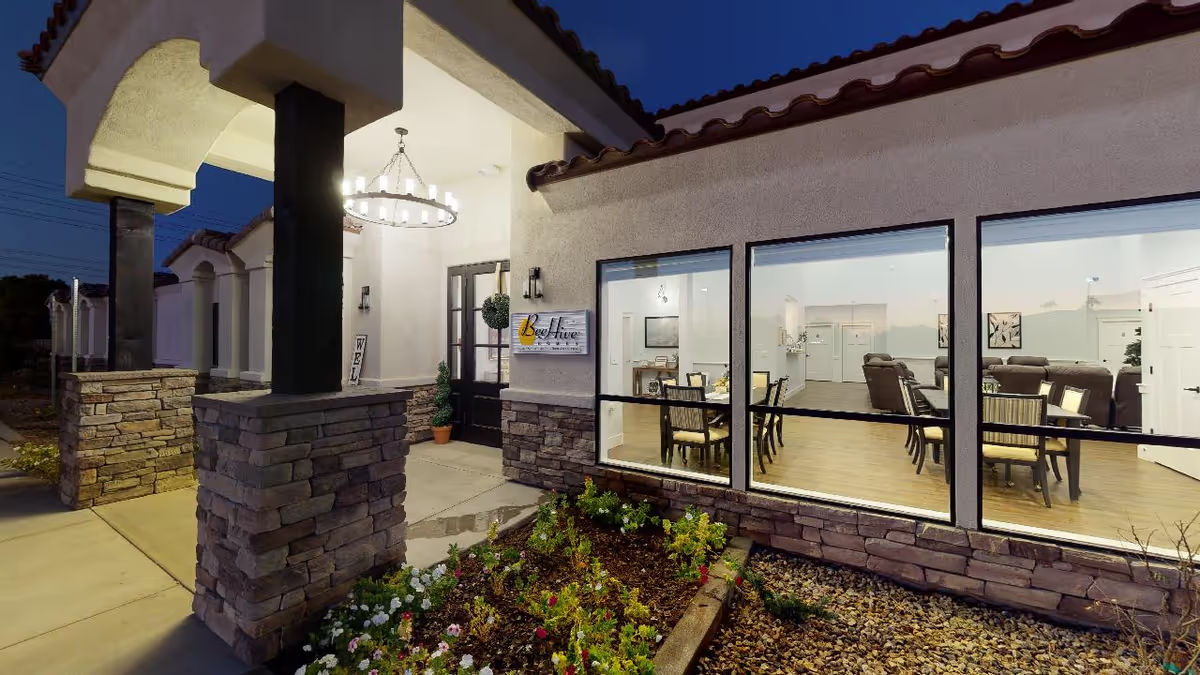
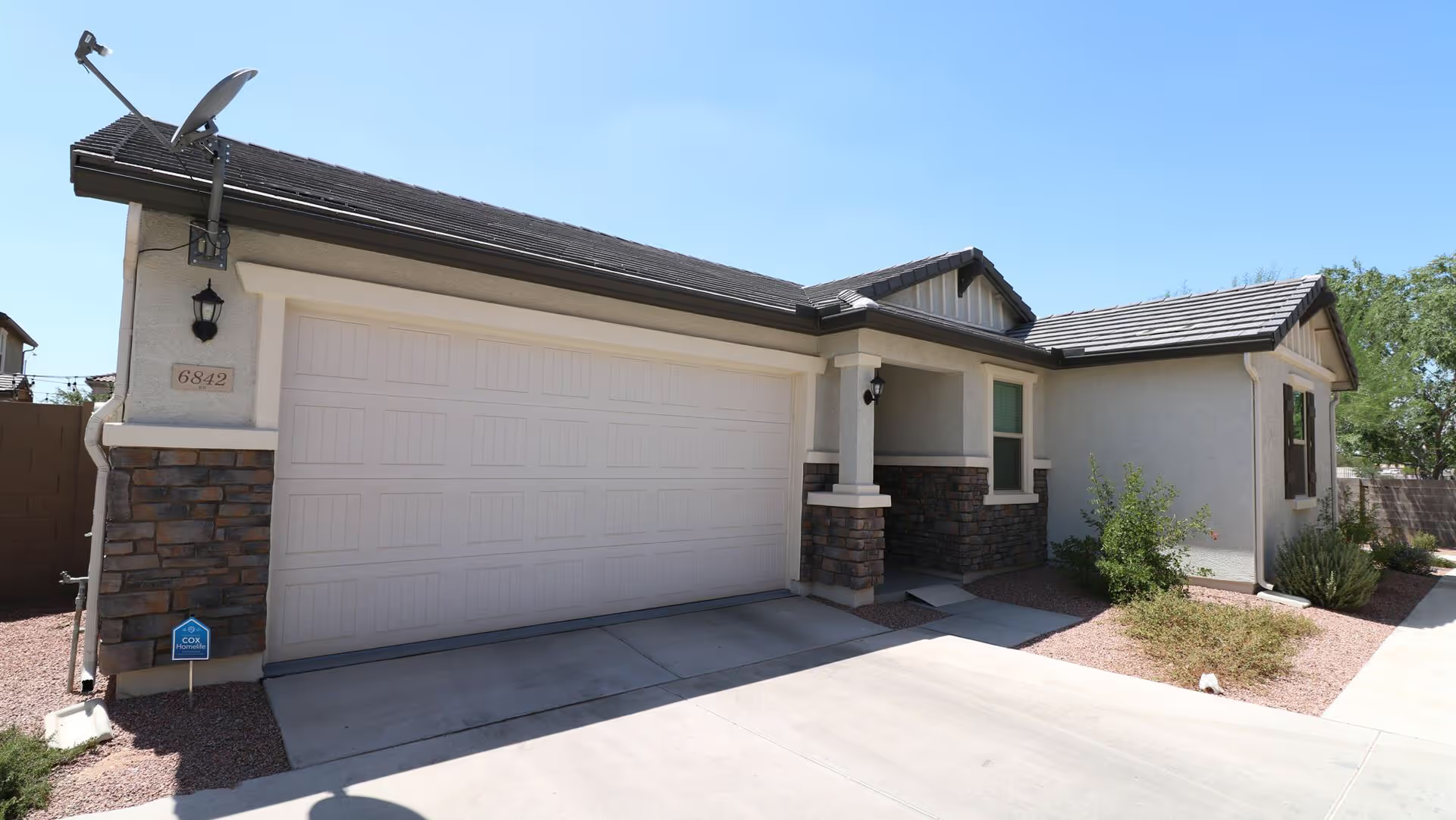
La Bella Vita presents as a small, family-run assisted living home with a consistent pattern of positive feedback around personalized, compassionate care. Many reviewers emphasize a family-style culture: small census, regular caregivers who know residents by name, and hands-on owners and managers who are described as accessible and engaged. Staff are repeatedly characterized as kind, patient, and respectful; reviewers frequently note attentiveness to dignity and frequent checks on residents. The setting is commonly described as clean, well-maintained, and homelike, with an appealing backyard and outdoor seating areas.
Dining and personal services are recurring strengths. Multiple accounts highlight home-cooked, appetizing meals, diverse menus, and improvements in residents' appetites and weight. On-site grooming, hair coloring, trimming, and manicures are noted as valued extras that contribute to resident well-being. Nursing coverage and prompt medical responses are often praised; reviewers describe timely interventions, emergency expertise, and 24-hour availability. Memory-care competency is also cited, with families reporting respectful, tailored approaches for residents with dementia or Alzheimer’s.
Activity offerings are a mix of highly personalized programming and narrower group options. The home is noted for themed programming (for example, Elvis-related activities), bingo, dancing, walks, and use of outdoor amenities; pets and visiting children are also reported as positive social stimulants. At the same time, several comments point to limited variety or inconsistency in organized activities and periods where passive recreation (television) predominates. Prospective families should assess activity schedules relative to an individual’s needs and preferences.
Operational patterns include strengths in management visibility and family communication, but reviewers also identify areas for cautious inquiry. Many families praise proactive updates, video messages, and an approachable manager; however, a minority mention occasional communication breakdowns. Clinical limitations consistent with a small residential model appear as well: on-site clinical services beyond core caregiving (for example, frequent in-house nursing or therapy offerings) may be limited, and there are notes that some clinical tasks are handled through outside hospice or visiting nurses.
There is at least one serious account alleging improper sedative/morphine administration and a related sedation lapse. While the overall narrative is strongly positive, this raises an operational consideration: medication-management practices and incident-response documentation should be reviewed during a tour. In addition, families should ask about activity programming breadth, capacity/wait-list status, and the extent of on-site clinical coverage to ensure the home’s services match the prospective resident’s clinical and social needs.
Overall, La Bella Vita appears to offer warm, individualized care in a small, well-kept residential environment with strengths in food, grooming, and family-oriented management. Prospective residents and families will likely find good personal attention and a homelike setting here, while those with higher clinical needs or strong preferences for broad, structured activity programs should verify clinical capabilities and daily programming during the evaluation process.