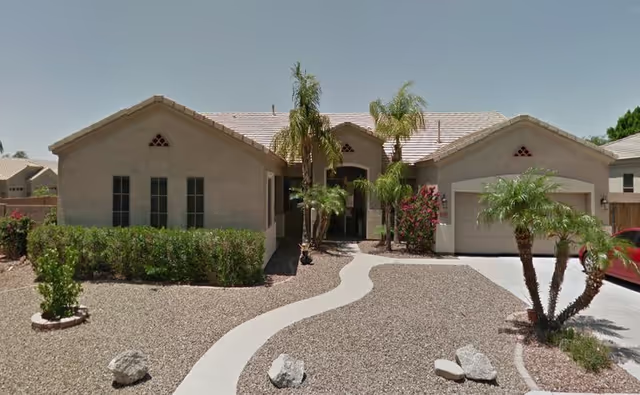
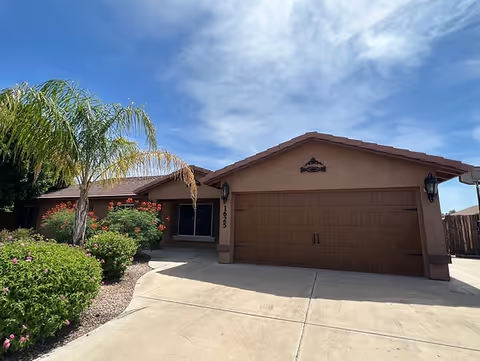
Las Palomas presents as a largely new, well-appointed senior-living community with resort-style finishes and extensive amenities. Physical assets are a consistent strength: reviewers describe modern apartments with full kitchens, in-unit laundry, balconies, garage parking, and multiple common venues such as a theater, bistro, salon, chapel, fitness room and pool. Grounds are frequently characterized as landscaped and well cared for, and the complex offers multiple living formats (casitas, one- and two-bedroom plans, memory-care suites) that appeal to a range of residents.
Staff and care receive mixed-but-favorable commentary. Many accounts praise warm, personable front-line staff, activity directors, med-techs and an engaged executive team; several reviewers cited helpful RNs and timely medication coordination. At the same time, a recurring operational pattern is staffing strain: comments describe caregiver workload, long waits for personal-assistance requests, and variability in clinical personnel quality. Medication administration and clinical oversight were specifically pointed to as areas with inconsistent performance in some reports, so prospective families should confirm current staffing levels and clinical protocols.
Dining and programming are prominent selling points. The community markets chef-driven, cruise-style menus with extended open-dining hours and daily specials; many residents enjoy food variety, desserts and restaurant-style service. However, there is also a pattern of inconsistent meal delivery and quality for some diners — issues include cold or delayed plates, portion concerns relative to price, and limited therapeutic-diet options for people with special dietary needs. Activities and social offerings are extensive and varied (exercise classes, water aerobics, outings, arts/crafts, live entertainment, happy hours and more), contributing to a lively social atmosphere. A few reviewers noted that programming can be crowded, not always targeted to individual interests, or constrained by low occupancy at times.
Management and admissions are another mixed area. Admissions staff, the executive director and move-in support receive repeated praise for being welcoming, informative and helpful during transitions. Conversely, there are serious individual allegations about aggressive sales tactics and inaccurate descriptions of assisted-living capabilities; in addition, several reviewers raised concerns about unclear billing, supplemental charges, and rent increases. Maintenance responsiveness is generally rated positively, though isolated comments describe slower repairs or cleanliness inconsistencies in specific areas.
Notable patterns for prospective residents and families: the community offers strong physical amenities, a broad activity schedule, and many examples of attentive, compassionate staff. Operational risks to examine during a visit include current staffing ratios and turnover, medication-administration protocols, availability of therapeutic-diet services, clarity of billing practices and any occupancy-driven effects on programming. Asking for recent staffing metrics, sample menus for special diets, a copy of service/fee schedules, and references from current families will help evaluate whether the community’s strengths align with an individual’s care and lifestyle needs.