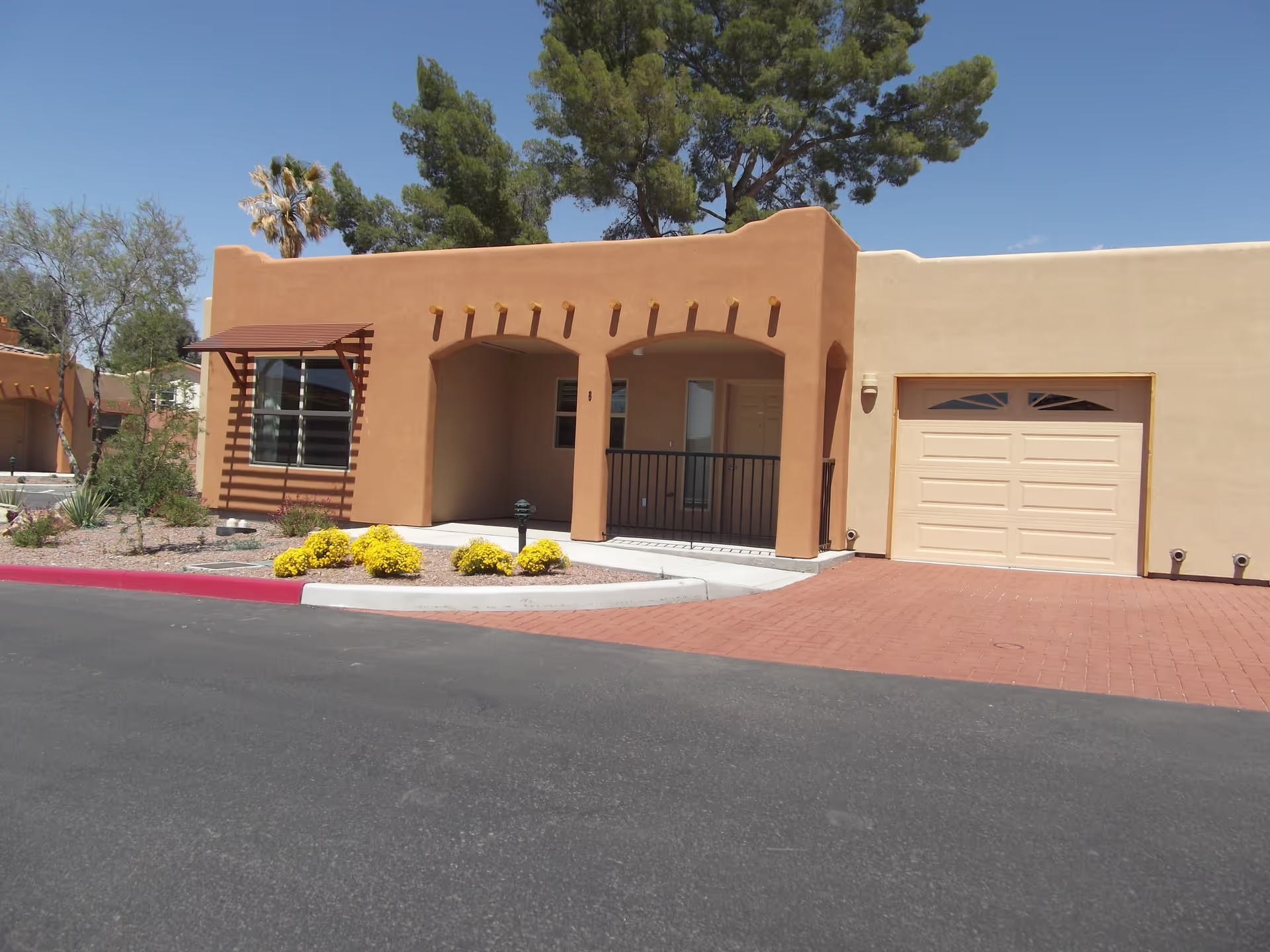
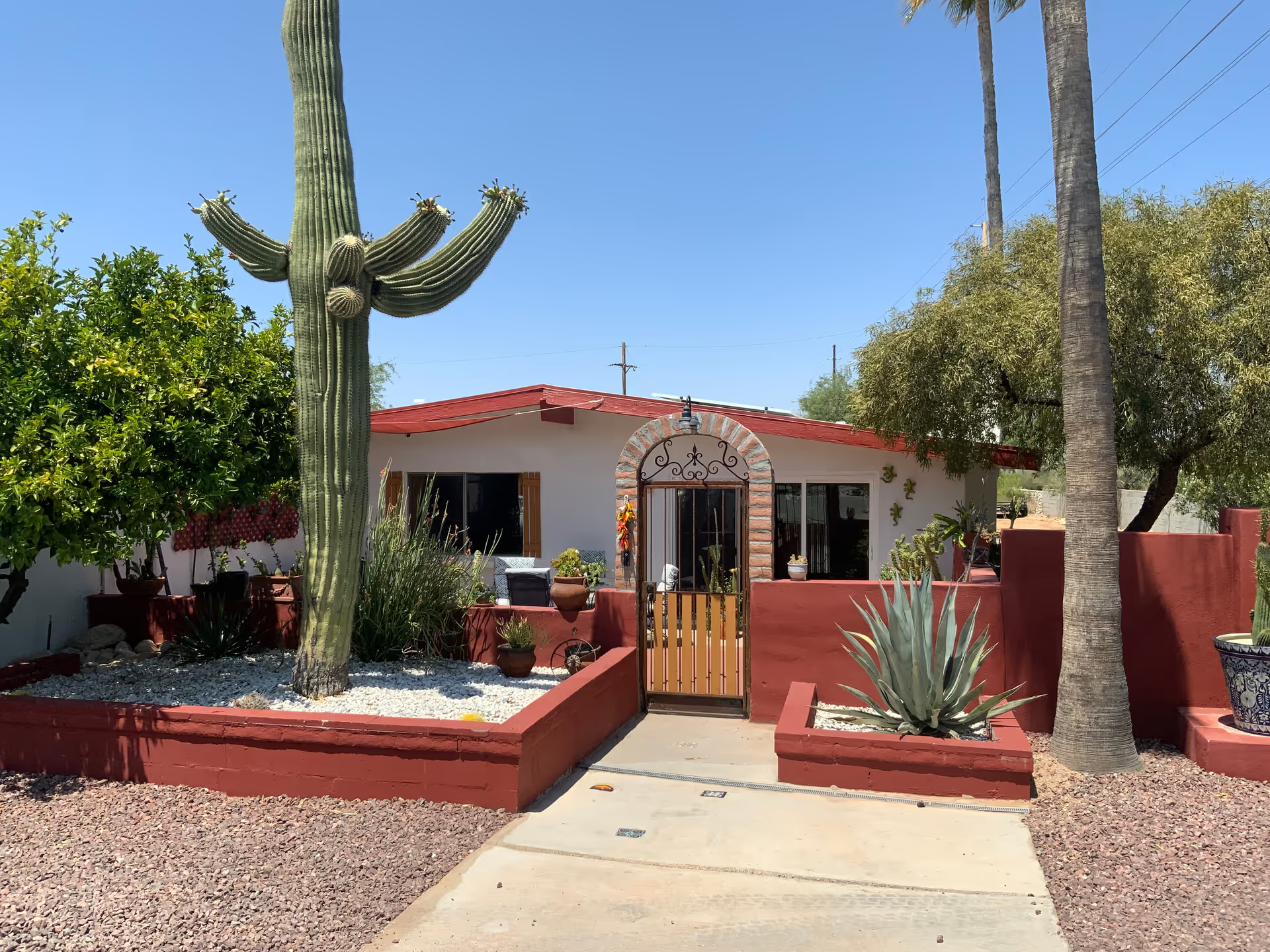
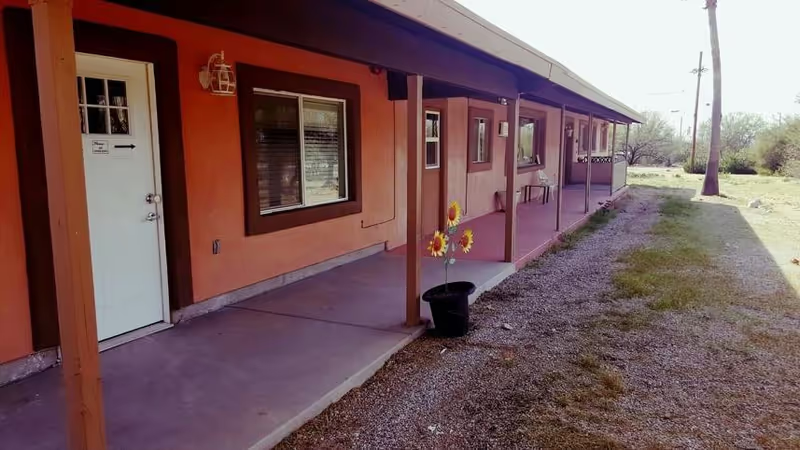
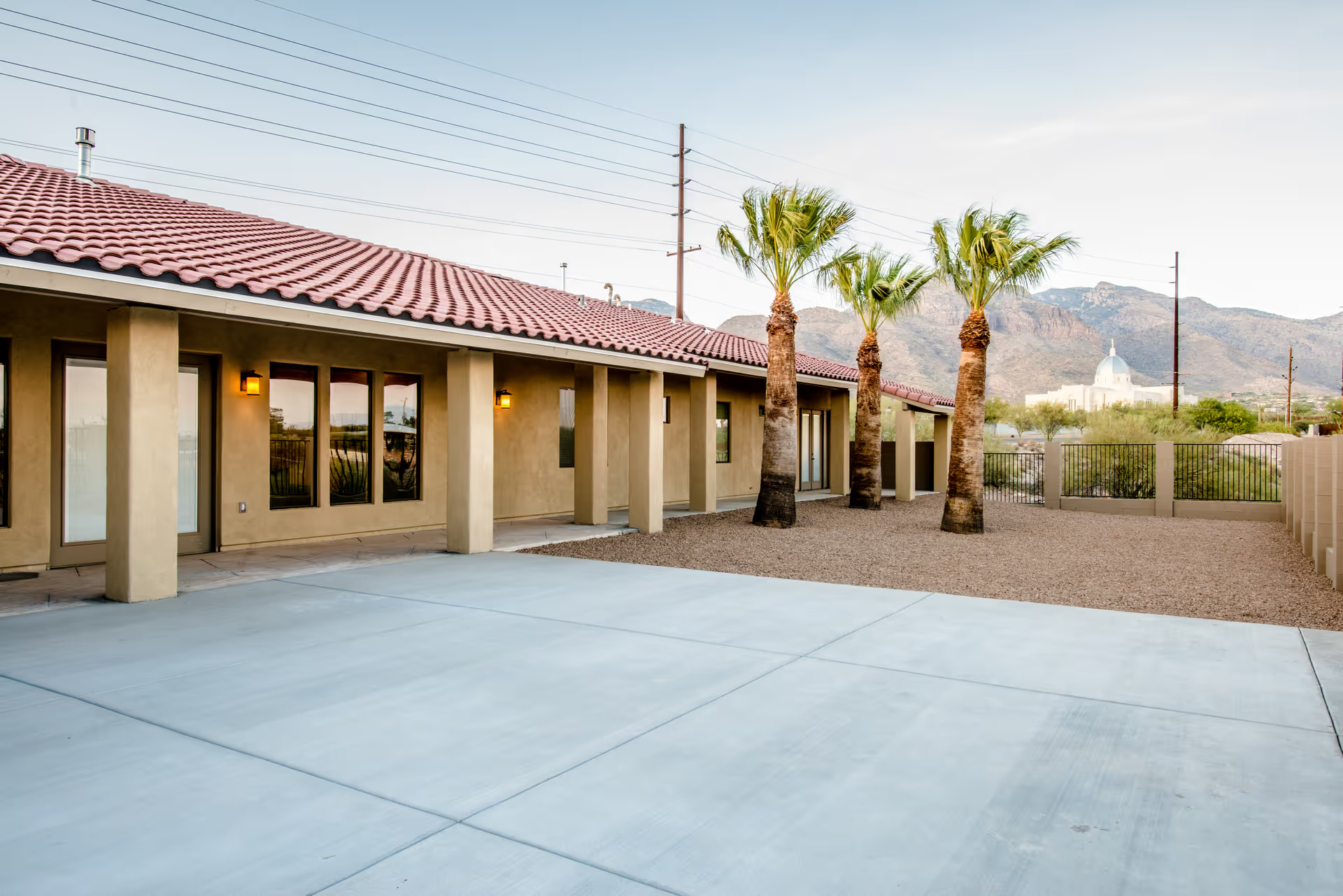
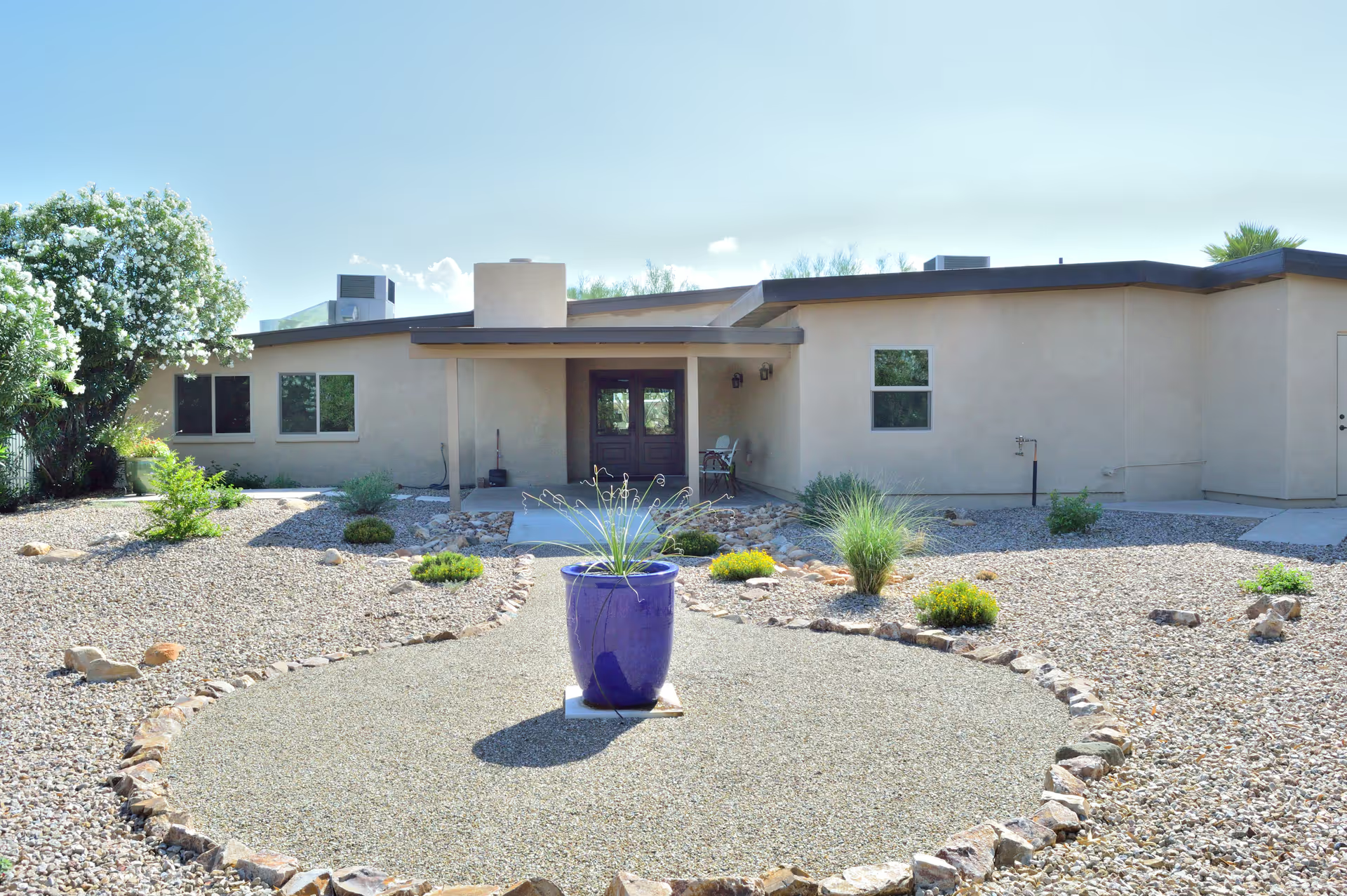
The Watermark at Oro Valley elicits strong, recurring praise for its caregiving teams, hospitality staff, and physical environment. Many comments emphasize warm, compassionate direct care, a welcoming front desk and admissions group, and smooth move-in experiences aided by specific staff members in sales and marketing. The building itself is frequently described as modern, spotless, and well maintained, with spacious apartments that include in-unit laundry and ample storage. Outdoor seating, gardens and sweeping mountain views are noted as meaningful quality-of-life contributors.
Dining and social programming are among the facility’s visible strengths. Families and visitors describe an active calendar that includes live music, crafts, day trips, and regular social events; these offerings appear well attended and appreciated. The dining room ambiance and flexible menu options receive many positive mentions, including special events and holiday meals. That said, feedback on meal preparation and specific menu items is mixed: while some emphasize high-quality, elegant dining, others describe occasions of uneven food quality and value, suggesting variability in kitchen execution.
Clinical care and operational consistency present a more complex picture. Numerous reviews praise attentive nurses, med-techs and aides and cite reassurance around daily care and coordination with families. However, a set of serious concerns—ranging from medication-administration errors to questions about staff credentials and follow-up after adverse events—appear in the feedback. These accounts suggest gaps in clinical oversight, incident escalation, and family communication; several reviewers specifically called for clearer, timelier responses when clinical issues arise. Additionally, infection-control practices and visitation policies during outbreak periods were experienced as both protective and, at times, rigid or inconsistently enforced.
Management and staffing dynamics are another mixed area. Several comments highlight helpful, proactive leadership and individual staff members who facilitate transitions and ongoing care. Conversely, other remarks point to leadership turnover, post-acquisition staff churn, and morale or training gaps that can affect consistency of service. Some family members also perceived operational priorities that emphasized occupancy or financial metrics, which contributed to concerns about staffing stability and responsiveness.
For prospective residents and families, the prevailing pattern is one of high-quality hospitality and engagement paired with uneven operational reliability in a few critical areas. A recommended approach is to tour the community, observe direct-care interactions and dining during a meal, ask about medication-administration protocols, staffing ratios and turnover, review incident-response procedures, and request examples of recent infection-control policies and family-communication practices. These focused inquiries will help clarify whether the facility’s strong social, environmental, and hospitality attributes align with a prospective resident’s clinical and safety expectations.