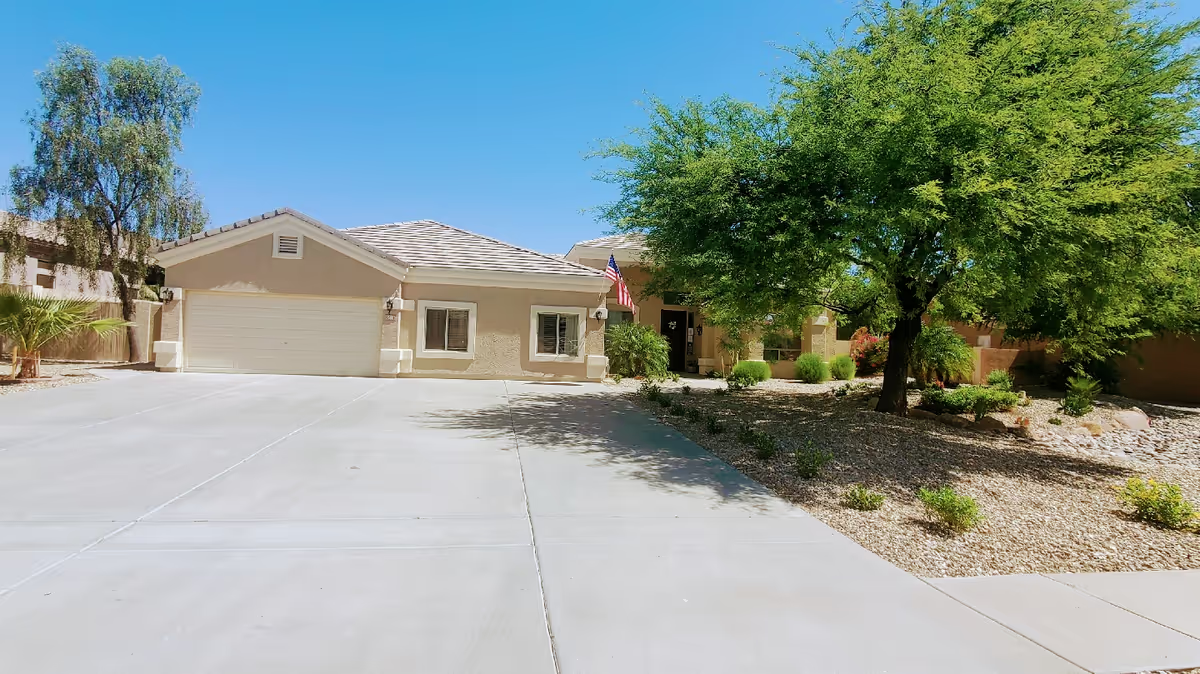
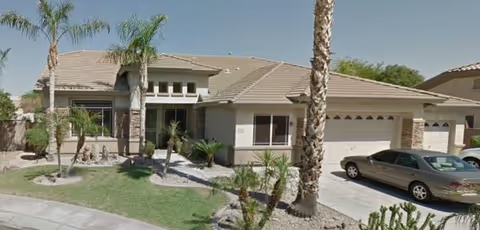
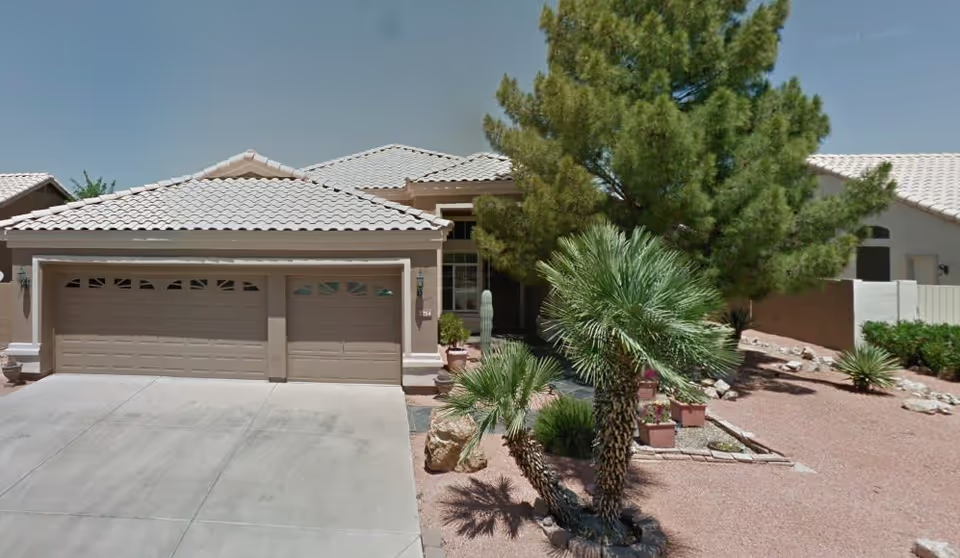
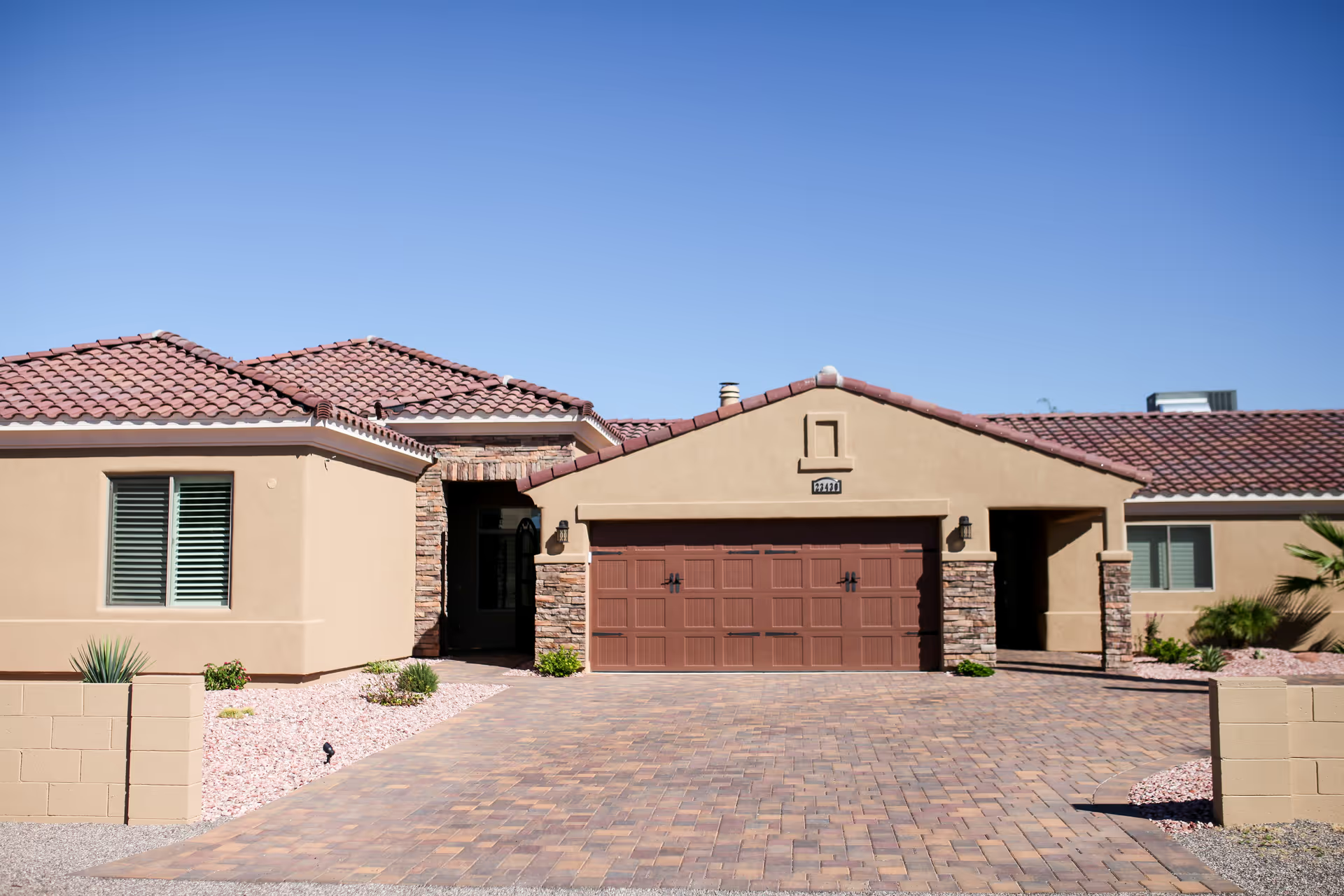
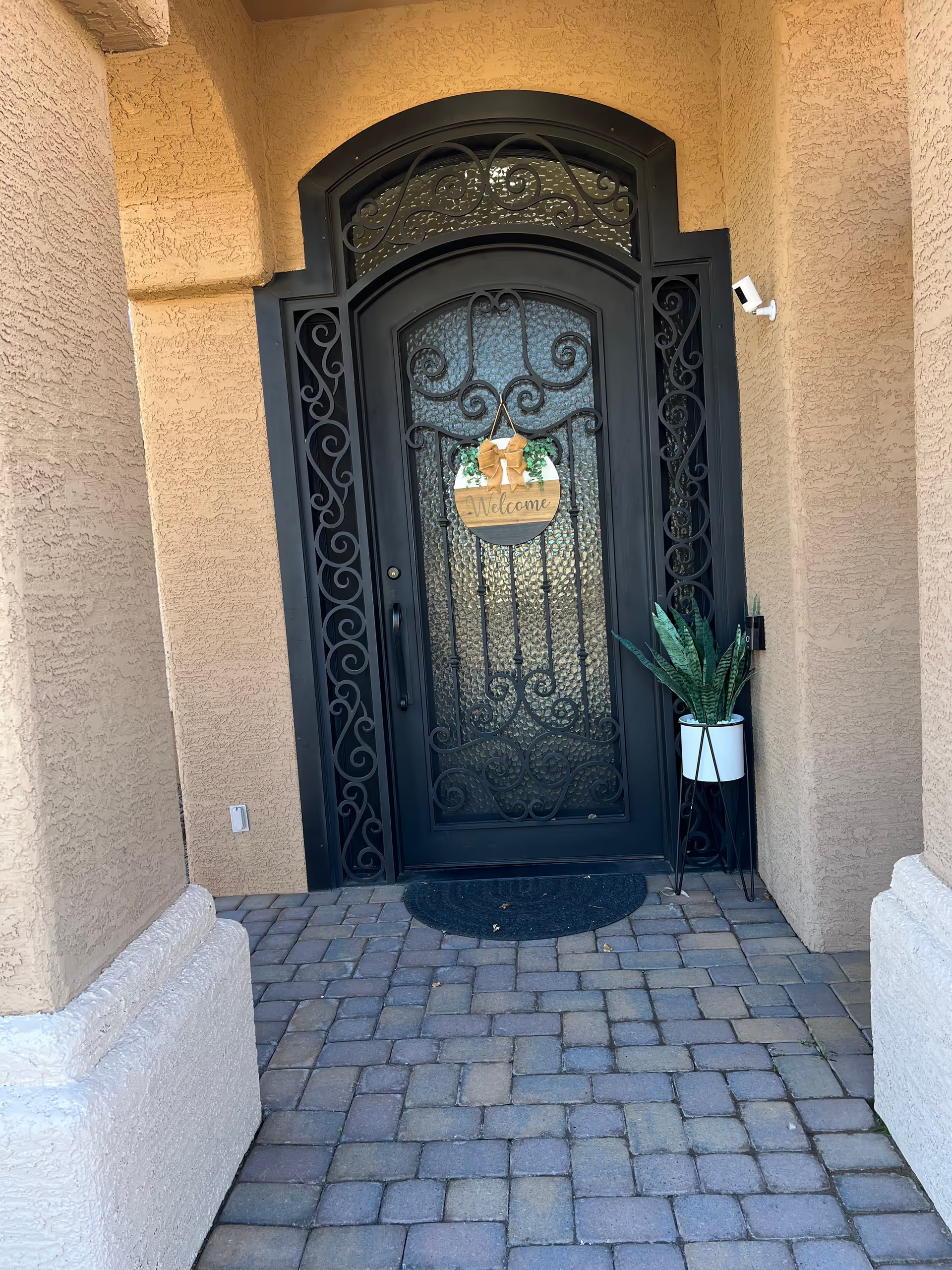
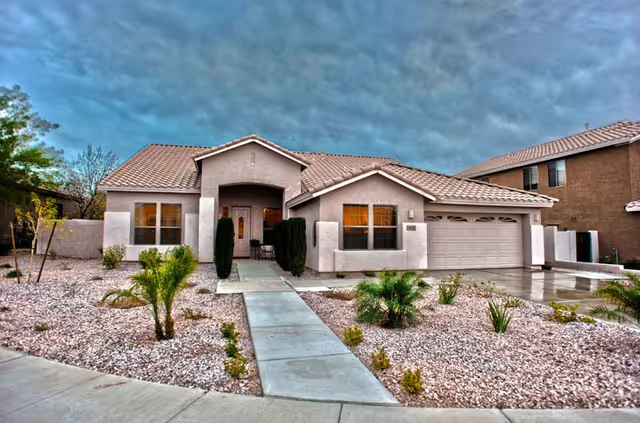
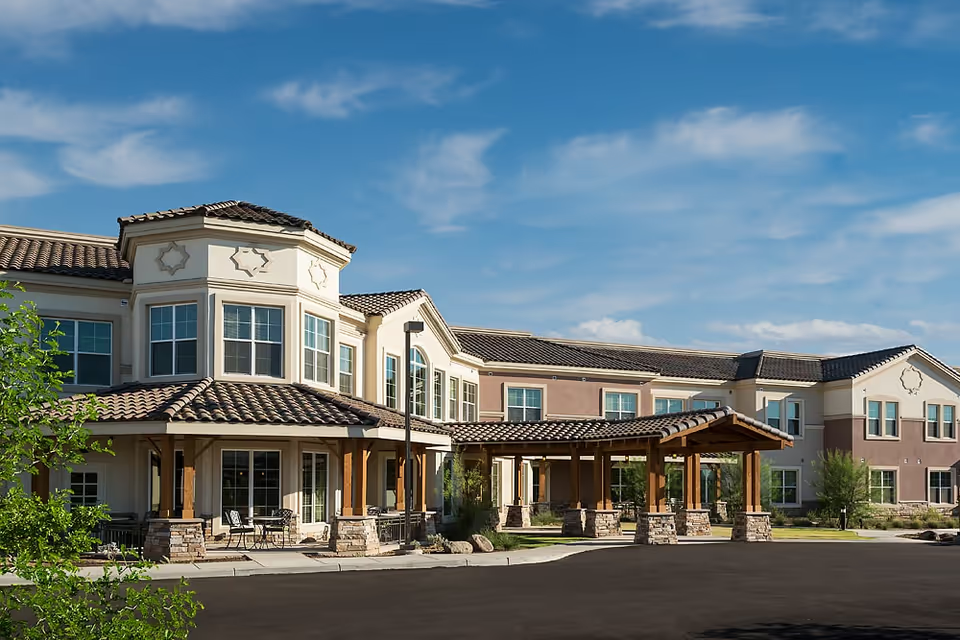
Reviews present a mixture of distinctly positive experiences and notable operational concerns. On the positive side, many accounts describe a comfortable, well-decorated home environment with private rooms, en-suite bathrooms, secure access, and pleasant common spaces including a backyard and patio. Several reviewers praised the facility’s dining when described as freshly prepared or home-cooked, and noted a variety of meal options and appetizing aromas. Staff-level strengths cited include attentive, compassionate caregivers, experienced nursing and team leadership, 24/7 caregiving availability, on-call nursing, and the presence of hospice services when needed. Daily activities such as card games, bingo, pet visits and organized outings are also mentioned as features that support social engagement for residents who can participate.
However, a consistent theme across the feedback is variability. Management and ownership transitions appear to have affected operations for some residents and families; concerns include changes in administrative communication style and perceived shifts in priorities. Multiple comments indicate problems with administrative responsiveness and family engagement, including delays or gaps in clinical communication (for example, unanswered nursing calls) and a perceived lack of systematic problem-solving. These issues have contributed to strained relations between some families and the administration.
Operational inconsistencies extend to care delivery, housekeeping, and dining. While some reviewers describe impeccable cleanliness and attentive nighttime monitoring, others report sanitation concerns and inconsistent housekeeping standards. Likewise, dining quality is described at opposite ends of the spectrum—ranging from gourmet freshly prepared meals to accounts of limited menu variety and reliance on prepackaged or processed items with limited fresh produce. Activity programming and transportation also appear uneven: the facility offers outings and daily activities, but access may be limited for residents with mobility constraints and some families report minimal on-site programming at times.
Financial and marketing issues are additional patterns to note. Reviewers raise questions about billing and fee transparency, including the application of cleaning fees and potential discrepancies between promotional materials and on-site conditions. Cost is also noted as a consideration for residents on fixed incomes. Taken together, the available feedback suggests the facility has substantive strengths in environment, staff dedication, and clinical resources, but prospective residents and their families should verify current practices during a visit: ask about recent ownership or leadership changes, staffing ratios and on-call nursing protocols, written communication and family-notification procedures, housekeeping schedules and sanitation policies, meal sourcing and menus, activity calendars and transportation options, and detailed billing/fee policies. These targeted questions can help assess whether the facility’s operational consistency aligns with the needs of a specific resident.